
Rhytidoponera cristata
- Sci. Name
- Rhytidoponera cristata
- Tribe
- Ectatommini
- Subfamily
- Ectatomminae
- Author
- Mayr, 1876
- Distribution
- Found in 1 countries
Introduction
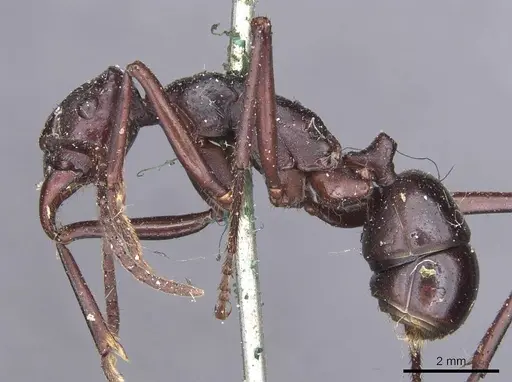
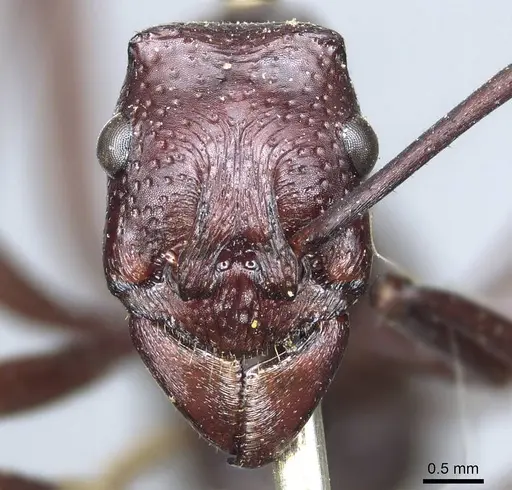
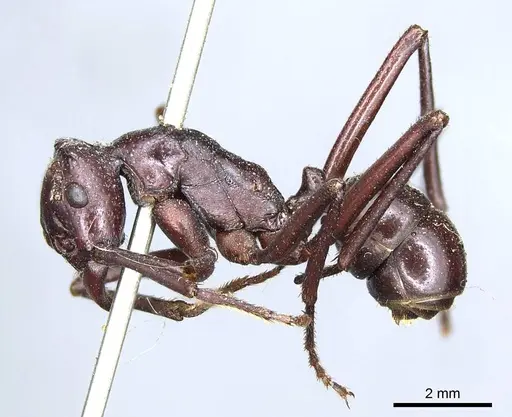
Rhytidoponera cristata is an Australian ant in the subfamily Ectatomminae, first described from Queensland in 1876 . It remains recorded only from that state. Workers are medium‑sized ants, but exact measurements are not available. Research shows this species is predatory and benefits from disturbed habitats with bare soil, such as grazed areas . It also participates in seed dispersal, moving seeds several meters in roadside environments . These ants have a functional sting, which they use for hunting and defense.
Quick Summary
- Difficulty: Medium
- Origin & Habitat: Endemic to Queensland, Australia. Found in tropical to subtropical environments, often in disturbed areas with bare ground and grass cover where rabbit grazing increases bare soil [2][3].
- Colony Type: Colony structure is not documented. Based on related Rhytidoponera, they may be single‑queen, but this is unconfirmed.
- Size & Growth:
- Queen: Size data unavailable
- Worker: Size data unavailable
- Colony: Maximum colony size unknown
- Growth: Moderate (inferred from related species, unconfirmed)
- Development: Unknown – no research available (Development timeline is unstudied for this species)
- Antkeeping:
- Temperature: Keep warm, around 22–26°C is a suggested range but unconfirmed. Provide a gradient and monitor activity. Avoid prolonged cold below 18°C.
- Humidity: Moderate humidity – keep the nest area moist but not waterlogged. No specific data for this species.
- Diapause: Unknown. Queensland has mild winters, but a short resting period may be beneficial if kept in cooler climates. Reduce temperature slightly (15–18°C) only if colony shows seasonal slowdown.
- Nesting: Nest in Y‑tong (AAC), plaster, or soil setups. Provide dark, secure chambers. Natural nests are likely in soil or under stones, but this is unconfirmed.
- Behavior: These ants are predatory foragers that actively hunt small invertebrates [2][3]. They also disperse seeds, moving them further in disturbed zones (average 5 m) than in undisturbed ones (3.7 m) [4]. Workers have a functional sting (Ectatomminae) and will defend the colony if disturbed. They are not aggressive outside the nest but should be handled with care. Escape prevention is necessary – use fluon or oil barriers as they are active climbers.
- Common Issues: colonies may decline if temperatures drop below 18°C for extended periods, obligate predators – live prey must be provided regularly, otherwise brood production stops, excess humidity or stagnant air can lead to mold, especially if uneaten prey is left, limited research means many care aspects are guesses – watch your colony and adjust
Housing and Nest Setup
You can keep Rhytidoponera cristata in Y‑tong (AAC), plaster, or soil nests. Provide a dark, secure nesting area. Connect it to an outworld where you can offer food. Use a test‑tube water reservoir to keep the nest humid but not wet. Since this species is unstudied, start with a small setup and expand as the colony grows. Apply fluon or similar barriers to prevent escapes – they are active climbers.
Feeding and Diet
R. cristata is a predator. Offer small live invertebrates like fruit flies, pinhead crickets, or mealworms 2–3 times per week. Remove uneaten prey after 24 hours to prevent mold. They may also take honey water occasionally, but protein is essential for brood [2][3]. Some keepers report acceptance, but live prey is the priority.
Report an Issue
The current care sheet is based fully on literature. See inconsistencies, or something that's incorrect? Please , it will be resolved after review from an admin. Contributing to the blogs tab also helps providing information, to make us be able to further improve the caresheets. Thank you for your support!
References

This caresheet is licensed under CC BY-SA 4.0 .
Community Blogs
CASENT0281304
View on AntWeb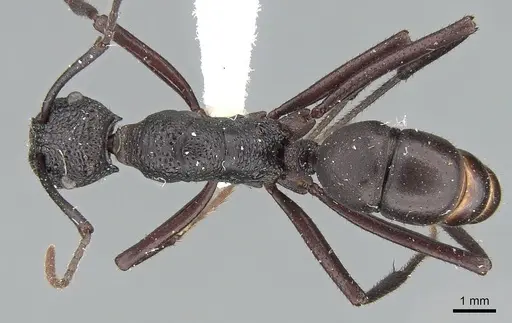
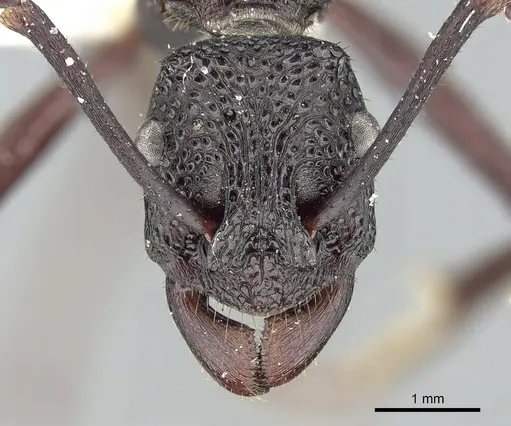
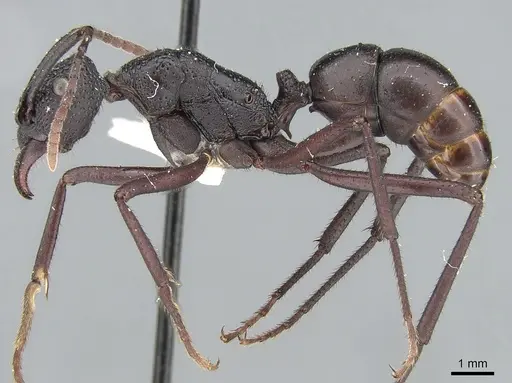
CASENT0281826
View on AntWeb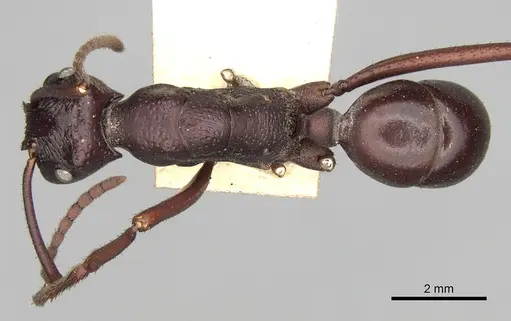
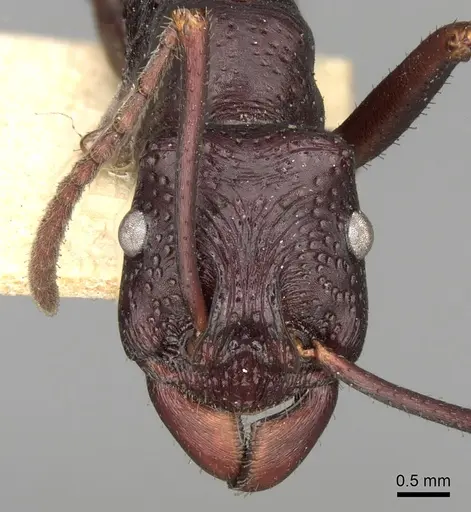
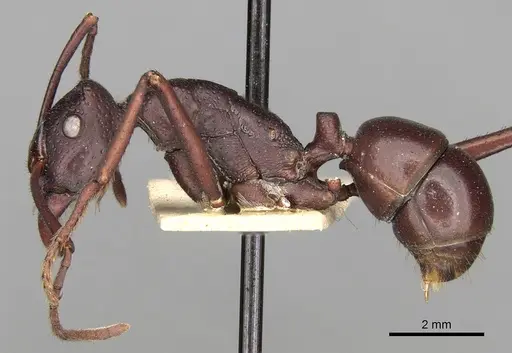
CASENT0907143
View on AntWeb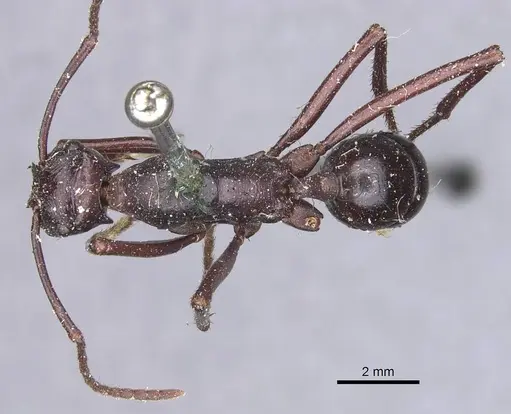
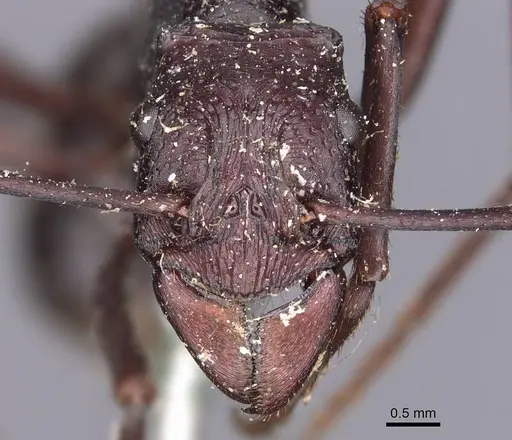
CASENT0915923
View on AntWeb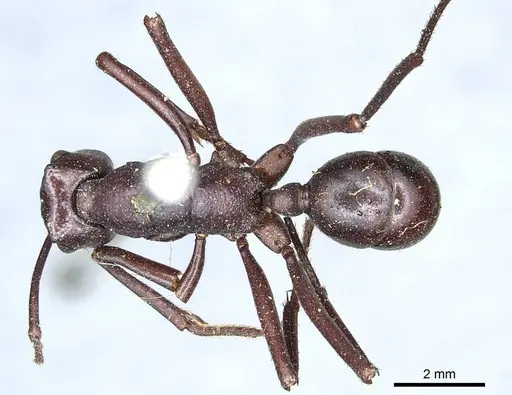
Literature
Loading distribution map...Loading products...