
Rhytidoponera clarki
- Sci. Name
- Rhytidoponera clarki
- Tribe
- Ectatommini
- Subfamily
- Ectatomminae
- Author
- Donisthorpe, 1943
- Distribution
- Found in 1 countries
Introduction
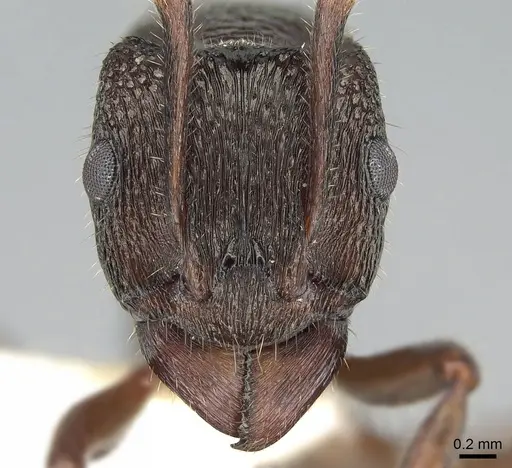
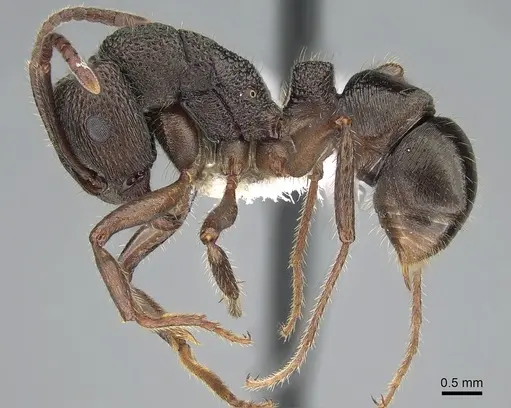
Rhytidoponera clarki is an Australian ant species native to the Australasian region . Workers show a metallic green to blue-green sheen, typical of greenhead ants, though exact size data is unavailable. They belong to the subfamily Ectatomminae, meaning they possess a functional sting. Interesting reproductive biology is seen in related species like Rhytidoponera metallica, where workers can reproduce alongside queens . This suggests R. clarki may have similar flexibility, but it remains unconfirmed.
Quick Summary
- Difficulty: Medium
- Origin & Habitat: Australia, found across various terrestrial habitats in the Australasian region [1]
- Colony Type: Likely monogyne (single queen) based on typical genus patterns, though colony structure for this specific species is unconfirmed. Related species R. metallica shows both queen and worker reproduction [2].
- Size & Growth:
- Queen: Size data unavailable, inferred from Rhytidoponera genus (~6-10mm)
- Worker: Size data unavailable, inferred from Rhytidoponera genus (~5-10mm)
- Colony: Unknown for this species, likely up to several hundred workers based on related species
- Growth: Moderate
- Development: Unknown for R. clarki. Based on related Ectatomminae species, development likely takes 8-12 weeks at optimal temperatures, but this is an estimate. (Development time inferred from related species, specific data for R. clarki unavailable)
- Antkeeping:
- Temperature: Temperature requirements are not specifically documented. As an Australian species, likely needs warm conditions (roughly 22-26°C). Provide a gradient so workers can self-regulate.
- Humidity: Keep nest substrate moderately moist but not waterlogged. Specific humidity data unavailable, aim for a soil moisture that stays damp without pooling water.
- Diapause: Likely required, based on its temperate Australian distribution. The exact duration is unknown, a period of 2-3 months at cooler temperatures (10-15°C) is a reasonable starting point.
- Nesting: Y-tong (AAC) nests or naturalistic setups with soil substrate work well. In the wild, they nest in soil and under stones [1].
- Behavior: Rhytidoponera clarki workers are active foragers that hunt small invertebrates and tend honeydew-producing insects. They possess a functional stinger (subfamily Ectatomminae) but are not aggressive, stings only occur if provoked. Escape prevention should account for their medium size and ability to climb smooth surfaces.
- Common Issues: Limited species-specific information makes precise care requirements uncertain, use conditions inferred from related species., Winter diapause is likely required but exact duration unclear for this species, observe colony and adjust., Stinging capability means handling should be minimal and gentle., Slow colony growth compared to faster-developing species may frustrate beginners., Worker reproduction in related species means colony dynamics may differ from typical ants, monitor for unexpected behavior.
Housing and Nesting
Rhytidoponera clarki can be kept in various setups including Y-tong (AAC) nests or naturalistic terrariums with soil substrate. In the wild, they nest in soil and under stones [1], so a setup that allows them to create chambers in substrate works well. If using a test tube for founding, ensure the water reservoir is secure against flooding. Provide a foraging area connected to the nest. A temperature gradient is beneficial, as it lets workers choose their preferred warmth.
Feeding and Diet
Like other Ectatomminae ants, R. clarki is predatory and will accept small live invertebrates such as fruit flies, small crickets, and mealworms. They also tend honeydew-producing insects and will consume sugar sources like honey water or sugar water. Feed protein-rich foods 2-3 times per week for established colonies. Offer sugar water as a constant carbohydrate source. Remove uneaten prey after 24-48 hours to prevent mold.
Temperature and Seasonal Care
Temperature requirements are not specifically documented for this species. As an Australian temperate species, likely needs warm conditions (roughly 22-26°C). Provide a gradient so workers can regulate. During winter, a diapause period is likely needed, based on temperate distribution, offer 2-3 months at 10-15°C. Reduce feeding during diapause but ensure water availability.
Behavior and Defense
Rhytidoponera clarki workers are active foragers that search for food both on the ground and in vegetation. They possess a functional stinger as members of the subfamily Ectatomminae, while not aggressive by nature, they will sting if threatened or handled roughly. The sting is painful but not medically significant for healthy humans. Handle colonies gently and avoid provoking defensive responses. Related species like Rhytidoponera metallica show worker reproduction [2], which may influence colony behavior.
Colony Development
Colony growth is moderate rather than rapid. A newly mated queen will found her colony and raise the first generation of workers over several months. Colonies likely reach several hundred workers over time based on related species patterns. The genus Rhytidoponera shows unusual reproductive flexibility, related species like R. metallica can have both queen reproduction and worker reproduction within the same colony [2]. This means colonies may be more resilient to queen loss than typical ant species. However, this trait specifically in R. clarki remains unconfirmed.
Frequently Asked Questions
Do Rhytidoponera clarki ants sting?
Yes, they can sting. As members of the subfamily Ectatomminae, they possess a functional stinger. The sting is painful but not medically dangerous to healthy humans. They are not aggressive but will defend themselves if handled roughly.
How long does it take for Rhytidoponera clarki to develop from egg to worker?
This is not documented for R. clarki. Based on related Ectatomminae species, development likely takes 8-12 weeks at optimal temperatures (roughly 22-26°C), but this is an estimate. Specific data is unavailable.
What do Rhytidoponera clarki eat?
They are predatory and will accept small live invertebrates like fruit flies, small crickets, and mealworms. They also consume sugar sources (honey water, sugar water) and will tend honeydew-producing insects. Offer protein 2-3 times weekly and keep sugar water available.
Can I keep multiple Rhytidoponera clarki queens together?
Not recommended without specific evidence for this species. While some Rhytidoponera species may show flexibility, combining unrelated queens has not been documented for R. clarki and could result in fighting.
Do Rhytidoponera clarki need hibernation?
A winter diapause is likely required. Australian temperate species typically need 2-3 months at reduced temperatures (10-15°C) during winter. The exact requirements for R. clarki are unknown, but a rest period is recommended to maintain natural cycles.
Are Rhytidoponera clarki good for beginners?
They are rated as medium difficulty. They require warmer temperatures, likely need winter diapause, and possess a functional stinger. Beginners should have some antkeeping experience before attempting this species.
How big do Rhytidoponera clarki colonies get?
Colony size is not documented for this species. Based on related species, they likely reach several hundred workers. Specific data for R. clarki is not available, but colonies probably reach moderate size rather than becoming supercolonies.
When should I move my R. clarki colony to a formicarium?
Wait until the colony has a stable population of workers and is actively foraging. Moving too early can stress the colony. Ensure the formicarium provides appropriate humidity and nesting space.
Why are my Rhytidoponera clarki dying?
Common causes include improper temperature (too cold or too hot), incorrect humidity (too dry or waterlogged), insufficient protein in diet, stress from excessive disturbance, or inadequate diapause. Review each parameter and make gradual adjustments.
Report an Issue
The current care sheet is based fully on literature. See inconsistencies, or something that's incorrect? Please , it will be resolved after review from an admin. Contributing to the blogs tab also helps providing information, to make us be able to further improve the caresheets. Thank you for your support!
References

This caresheet is licensed under CC BY-SA 4.0 .
Community Blogs
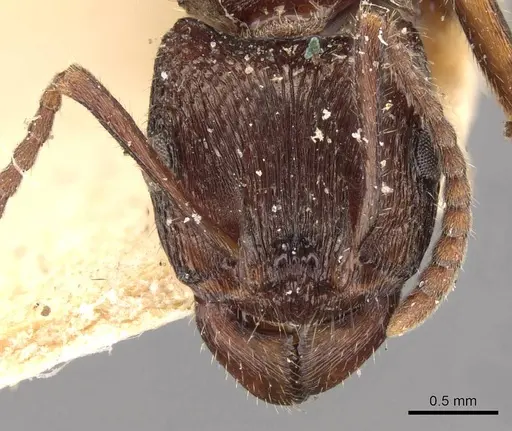
CASENT0281262
View on AntWeb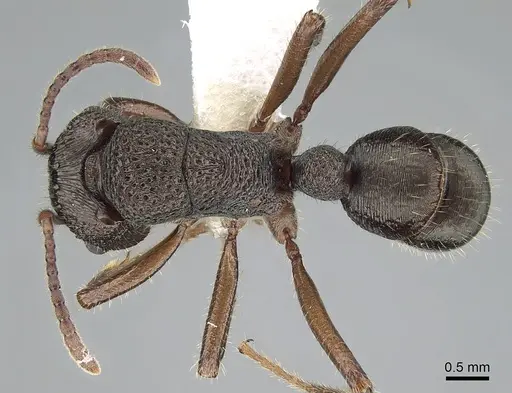
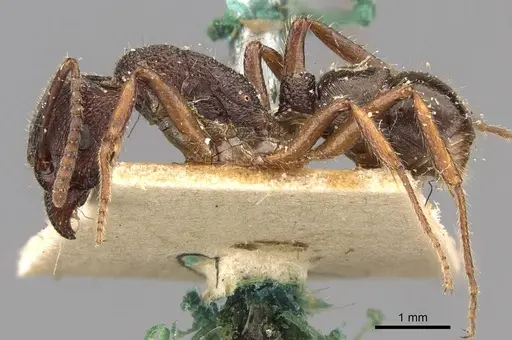
CASENT0907160
View on AntWeb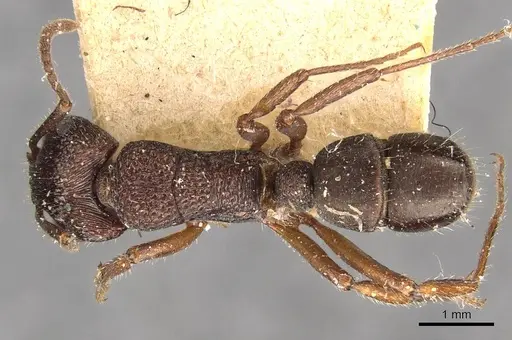
Literature
Loading distribution map...Loading products...