
Rhytidoponera atropurpurea
- Sci. Name
- Rhytidoponera atropurpurea
- Tribe
- Ectatommini
- Subfamily
- Ectatomminae
- Author
- Emery, 1914
- Distribution
- Found in 1 countries
Introduction
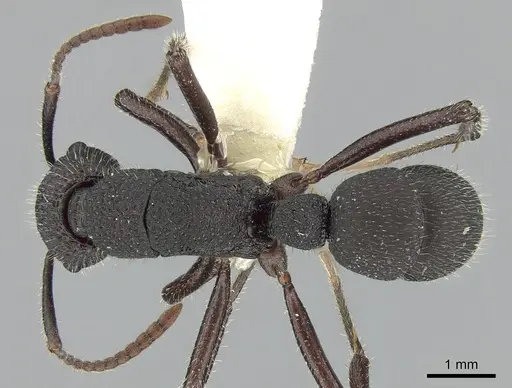
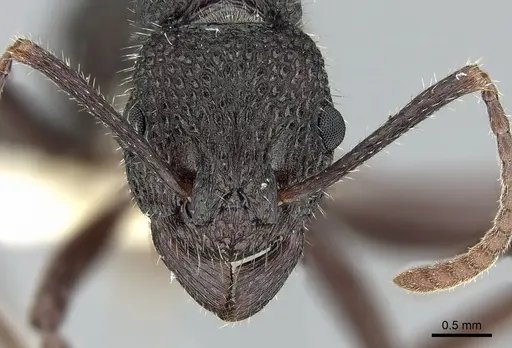
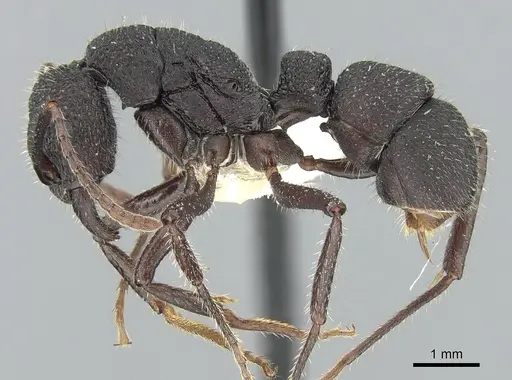
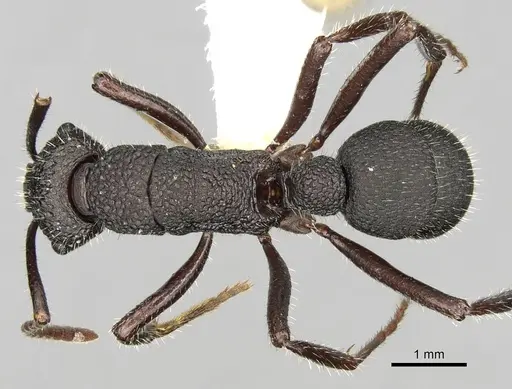
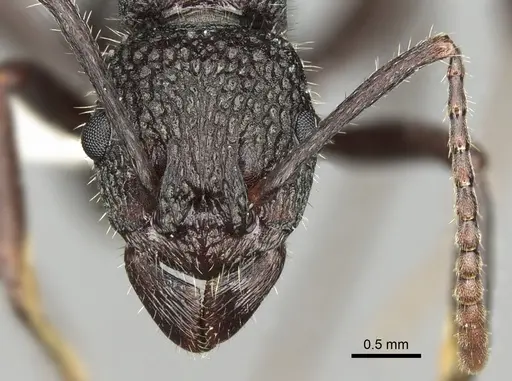
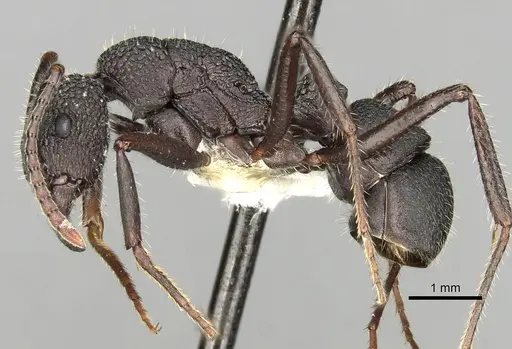
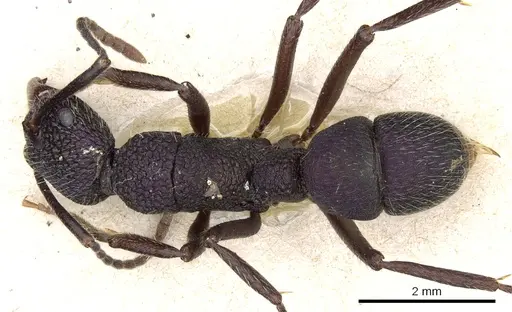
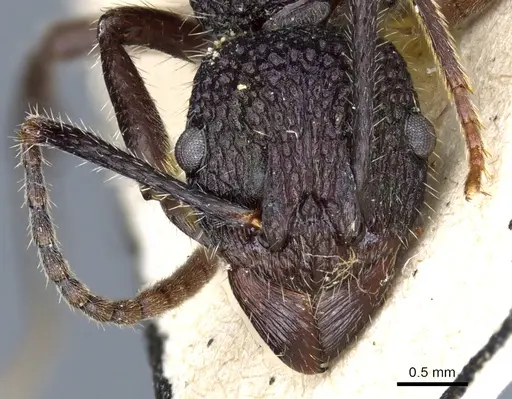
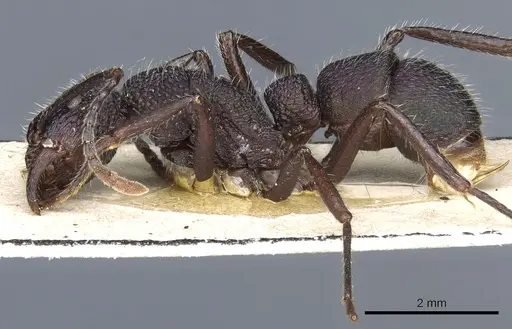
Rhytidoponera atropurpurea is a medium-sized ant from New Caledonia, a tropical island in the southwestern Pacific . Only workers and males have been formally described in the type material - the queen caste is not documented . Workers are dark purple to black, giving the species its name ('dark purple'). It belongs to the subfamily Ectatomminae, which all have functional stingers for defense and subduing prey. The genus Rhytidoponera is widespread in Australia and the Pacific, and this species is endemic to New Caledonia . Very little is known about its colony structure, founding behavior, or specific captive care requirements. Based on related Rhytidoponera, these are active predatory ants that likely hunt small invertebrates. As a tropical species, it probably needs warm, humid conditions year-round.
Quick Summary
- Difficulty: Medium
- Origin & Habitat: New Caledonia, a tropical Pacific island with humid, warm climate. This species is endemic to the island, recorded from the northern region near Hienghiene [1][2].
- Colony Type: Colony structure is unconfirmed. Based on typical Rhytidoponera patterns, likely single-queen (monogyne) colonies, but this has not been directly documented.
- Size & Growth:
- Queen: Queen caste not formally described, size unknown. Inferred from genus patterns: approximately 7-9mm [2].
- Worker: Worker size is not explicitly documented, inferred from genus Rhytidoponera patterns: approximately 5-7mm [2].
- Colony: Unknown, likely several hundred workers based on typical genus colony sizes (estimate, no direct data) [2].
- Growth: Moderate (estimated from tropical ant patterns)
- Development: 8-12 weeks (estimated for tropical Ectatomminae at 24-26°C, not directly documented) (Development timeline is not directly documented for this species. Estimates based on related Ectatomminae species and tropical ant development patterns.)
- Antkeeping:
- Temperature: Keep warm at 24-28°C, based on tropical origin. Use a heating cable on one side to create a gradient. Avoid extended periods below 20°C.
- Humidity: High humidity, keep nest substrate consistently moist but not waterlogged. New Caledonia has a humid climate, so aim for around 70-80% relative humidity. Provide good ventilation to prevent mold.
- Diapause: No, as a tropical species, they do not require hibernation and remain active year-round.
- Nesting: Likely nest in soil or under stones in forested areas. For captivity, use Y-tong (AAC), plaster, or soil nests that maintain humidity and provide dark, tight chambers.
- Behavior: Active, alert, predatory ants with a functional stinger. Moderately aggressive when defending the nest. Workers are diurnal foragers. Their medium size means escape prevention is manageable but still requires tight seals and fine mesh.
- Common Issues: very little known about this species in captivity, be prepared to adjust conditions based on colony behavior, high humidity requirements can cause mold if ventilation is poor, balance moisture with airflow, predatory diet may be challenging, live prey is likely essential, and shortages can slow growth, stinging ability means they can defend themselves, pain level unknown but probably noticeable, escape risk if any gaps exist, medium-sized ants can squeeze through small cracks, use fluon or tight covers
Temperature and Care
As a tropical species from New Caledonia, Rhytidoponera atropurpurea needs warm temperatures to thrive [1]. Keep the nest area at 24-28°C. Use a heating cable on one side to create a gradient so workers can regulate themselves. If workers cluster near the heat source, increase temperature, if they avoid it, lower it. Avoid temperatures below 20°C for long periods, this species is not adapted to cool conditions. At optimal temperatures (around 26°C), brood development will be faster, but exact timelines are undocumented.
Humidity and Water
New Caledonia has a humid tropical climate, so your Rhytidoponera atropurpurea colony needs high humidity [2]. Keep the nest substrate damp to the touch, think consistently moist but never waterlogged. Aim for about 70-80% relative humidity. A water reservoir (like a test tube) connected to the nest helps maintain humidity through evaporation. Balance this with good ventilation: too much moisture without airflow leads to mold, which can kill your colony. If you see mold, improve ventilation and replace affected material immediately.
Feeding and Diet
Rhytidoponera ants are predatory. In captivity, provide small live invertebrates as their main food: fruit flies, small crickets, springtails, or tiny mealworms. Live prey is preferred and encourages natural hunting behavior. Offer a sugar source too, sugar water or honey diluted in water, placed in a separate feeding area. Replace sugar every few days to stop fermentation. Acceptance of sugar sources by this species isn't well documented, so watch your colony's preferences. Always provide fresh water.
Nesting Preferences
In nature, Rhytidoponera likely nest in soil or under stones in forested areas of New Caledonia [2]. For captive care, use Y-tong (AAC), plaster, or a soil nest, anything that holds humidity and provides dark, tight chambers. Make sure chamber size fits workers (around 5-7mm): not too cramped, not too spacious. A multi-chamber setup allows the colony to organize brood in warmer, moister areas and keep resting areas separate.
Behavior and Temperament
Workers are active and alert, typical of predatory Ectatomminae. They have a functional stinger and may adopt a stinging posture when threatened (raising the gaster). The sting pain level for this species isn't recorded, but related Rhytidoponera deliver noticeable stings. These ants are diurnal and forage actively. They are moderately defensive of their nest but not particularly territorial. Their medium size means escape prevention is straightforward with basic barriers, just ensure no gaps exist.
Colony Development
Since this species is poorly studied, colony development timelines are estimates. Based on related tropical Ectatomminae, expect 8-12 weeks from egg to first nanitic worker at around 26°C. The first workers will be smaller than mature ones but start helping immediately. Colony growth is probably moderate, not fast, not slow. A healthy founding queen may produce her first batch of workers within 2-3 months under good conditions. Mature colonies might reach several hundred workers, but the exact maximum is unknown.
Frequently Asked Questions
How long does it take for Rhytidoponera atropurpurea to get their first workers?
Based on typical tropical ant patterns, expect 8-12 weeks from egg to first worker at around 26°C. This is an estimate, no direct data for this species exists. The first workers (nanitics) will be smaller than mature workers but will start helping immediately.
What do Rhytidoponera atropurpurea ants eat?
They are predatory and eat small live invertebrates: fruit flies, small crickets, springtails, etc. You can also offer sugar water or diluted honey as an energy source. Always provide fresh water.
Do Rhytidoponera atropurpurea ants sting?
Yes, they belong to the subfamily Ectatomminae, which all have functional stingers. The exact pain level isn't known for this species, but expect a noticeable sting if you handle them roughly or threaten the nest.
What temperature do Rhytidoponera atropurpurea ants need?
Keep them at 24-28°C. As a tropical species from New Caledonia, they need warm conditions year-round. Use a heating cable on one side of the nest to create a gradient. Avoid temperatures below 20°C for long periods.
Do Rhytidoponera atropurpurea need hibernation?
No, they are tropical and do not require hibernation. Keep them at normal warm, humid conditions all year without cooling them down.
Are Rhytidoponera atropurpurea good for beginners?
Rated Medium difficulty. The lack of specific data means you'll need to experiment and adjust conditions based on your colony's behavior. Their predatory diet requires more effort than species that take pre-killed insects and sugar. Not the best first ant, but manageable for intermediate keepers.
How big do Rhytidoponera atropurpurea colonies get?
Colony size is not documented for this species. Based on genus patterns, mature colonies probably reach several hundred workers. The exact maximum is unknown.
Can I keep multiple Rhytidoponera atropurpurea queens together?
The colony structure (monogyne vs polygyne) is not documented. Based on typical Rhytidoponera patterns, they are likely single-queen colonies. Do not try to combine foundress queens, it may cause fighting.
What humidity do Rhytidoponera atropurpurea need?
High humidity around 70-80%. Keep the nest substrate consistently moist but not waterlogged. A water reservoir helps, and good ventilation prevents mold.
When should I move Rhytidoponera atropurpurea to a formicarium?
Wait until the colony has at least 20-30 workers before moving from a test tube to a larger nest. The colony should be actively foraging and eating regularly. Make sure the new setup can maintain proper warmth and humidity.
Report an Issue
The current care sheet is based fully on literature. See inconsistencies, or something that's incorrect? Please , it will be resolved after review from an admin. Contributing to the blogs tab also helps providing information, to make us be able to further improve the caresheets. Thank you for your support!
References

This caresheet is licensed under CC BY-SA 4.0 .
Community Blogs
Literature
Loading distribution map...Loading products...