
Rhytidoponera araneoides
- Sci. Name
- Rhytidoponera araneoides
- Tribe
- Ectatommini
- Subfamily
- Ectatomminae
- Author
- Le Guillou, 1842
- Distribution
- Found in 4 countries
Introduction
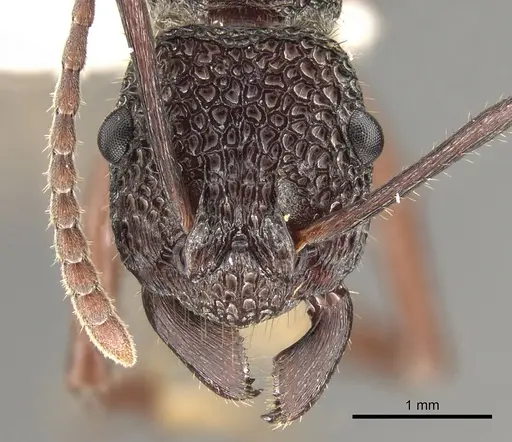
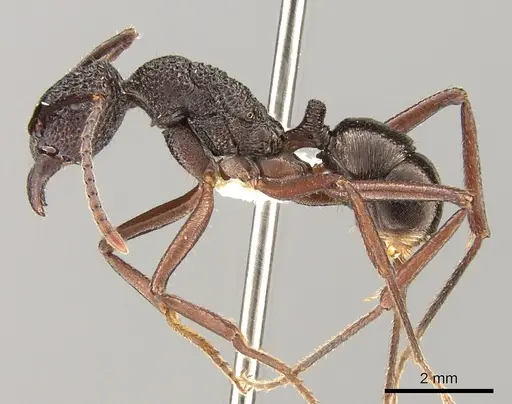
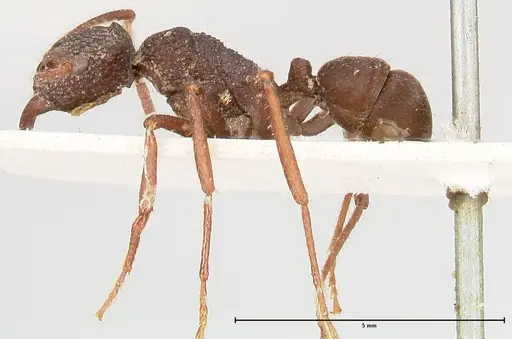
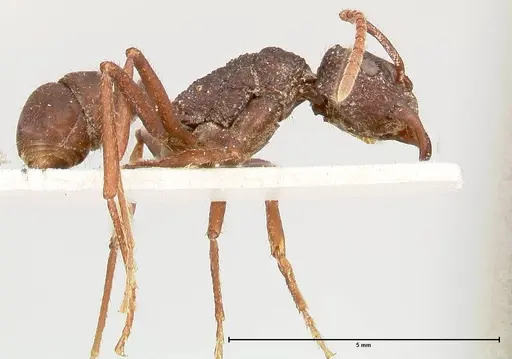
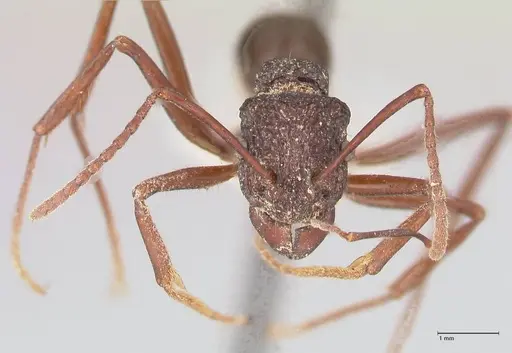
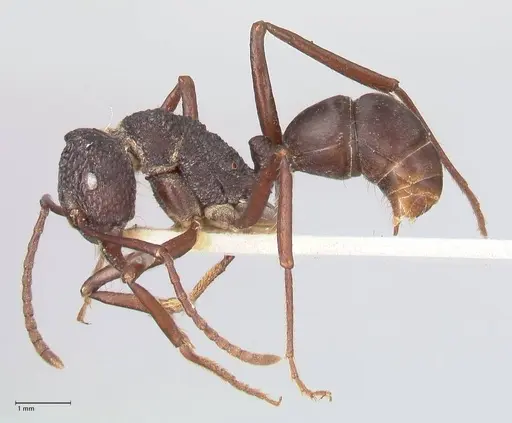
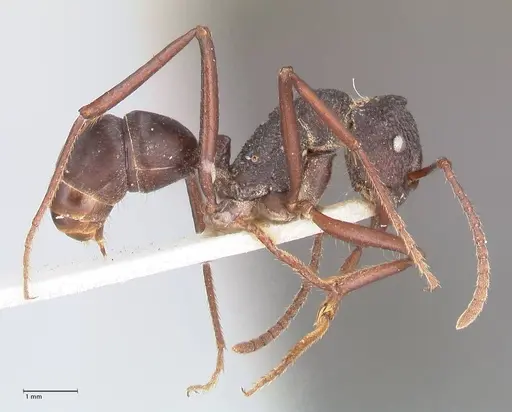
Rhytidoponera araneoides is a medium-sized ant species native to the Australasian region, including northern Australia, New Guinea, the Solomon Islands, Indonesia (Aru Islands, Seram), and the Philippines . Workers are dark, often reddish-brown, and have a flattened body characteristic of the Ectatomminae subfamily. This is one of the most widespread Rhytidoponera species outside of Australia, ranging from Seram eastwards through the Solomons and into the Philippines . It's a generalist forager found in a variety of habitats, from rainforest to grassland, and has even been recorded nesting inside the tubers of the epiphytic plant Hydnophytum .
Quick Summary
- Difficulty: Medium
- Origin & Habitat: Australasian region: northern Australia, New Guinea, Solomon Islands, Indonesia (Aru, Seram), Philippines. Found in rainforest, grassland, and disturbed habitats such as rubber plantations [2][4]. Natural nests are often inside Hydnophytum tubers [3].
- Colony Type: Colony structure is not well-documented. Workers and cocoons have been found together in nest chambers [3].
- Size & Growth:
- Queen: Size data unavailable, no published body measurements found for queens.
- Worker: Size data unavailable, no published total length (TL) found for workers. (Cocoons are ~7 mm long [3], but that is not body size.)
- Colony: Unknown, no published data on colony size.
- Growth: Moderate, inferred from typical Ponerine patterns.
- Development: Unknown, no published data. Based on related Ponerines, development probably takes several weeks at warm temperatures. (Worker cocoons are reddish-dark brown, cylindrical with rounded ends, ~7 mm long [3].)
- Antkeeping:
- Temperature: Keep at 24-28 °C year-round. This tropical species does not tolerate cold [2].
- Humidity: High humidity, keep the nest substrate moist but not waterlogged. Their natural Hydnophytum tubers hold moisture well [3].
- Diapause: No, this tropical species remains active all year.
- Nesting: Y‑tong (AAC), plaster, or naturalistic soil setups work well. Mimic the natural cavity they create inside plant tubers, offer a dark, humid chamber. Avoid acrylic nests.
- Behavior: Active, fast‑moving foragers. They have a functional sting (subfamily Ectatomminae) and can deliver a painful sting if provoked, but are not particularly aggressive toward keepers. Escape prevention is needed for this moderately sized ant.
- Common Issues: needs consistent warmth, cold drafts stress or kill the colony., high humidity can lead to mold if ventilation is poor., wild‑caught colonies may carry internal parasites., moderate size means standard barriers work, but secure lids are required.
Housing and Nest Setup
Provide a dark, humid nest chamber. Y‑tong (AAC) or plaster nests work well for this species. You can also make a naturalistic setup with damp soil and a hollow piece of cork or wood to imitate the Hydnophytum tubers they use in the wild [3]. A test tube setup works temporarily for founding, but move the colony to a proper nest once they outgrow it. Always include a water tube for drinking.
Feeding and Diet
These ants are generalist predators. Offer small live invertebrates such as fruit flies, pinhead crickets, or mealworms. They may also accept sugar water or honey as a supplement. Feed 2-3 times per week and remove uneaten prey after 24 hours to prevent mold. A varied diet helps keep the colony healthy.
Temperature and Seasonal Care
Maintain a temperature of 24-28 °C year‑round. This tropical species cannot handle cold and does not need a winter diapause. If your room drops below 24 °C, use a heating cable on one side of the nest. Keep the setup away from air conditioning units or cold windows [2].
Humidity Management
High humidity is essential. The nest substrate should feel damp but not waterlogged, mist the outworld if needed. Balance humidity with ventilation to prevent mold. Their natural nests in Hydnophytum tubers stay moist, so replicate that by keeping the nest area closed and humid [3].
Handling and Temperament
Workers are fast and can be nervous, but they are not aggressive toward keepers. However, they possess a functional stinger (subfamily Ectatomminae) and can deliver a painful sting if they feel threatened. Use caution when cleaning the outworld or moving nests, avoid crushing ants or upsetting the colony unnecessarily.
Growth and Development
Colony growth is moderate. Eggs develop through larval stages and spin cocoons before emerging as workers. The cocoons are reddish‑dark brown, cylindrical with rounded ends, and about 7 mm long [3]. No published data on exact development time is available. Patience is key, expect the colony to take a couple of years to reach a solid size.
Frequently Asked Questions
Can I keep Rhytidoponera araneoides in a test tube?
Yes, but only during founding. Once the colony grows beyond the test tube's capacity, move them to a proper Y‑tong or naturalistic nest. They need high humidity and more space.
How long does it take for the first workers to emerge?
No precise data is published. Based on related Ponerine species, the development from egg to worker probably takes several weeks at 24-28 °C.
Do Rhytidoponera araneoides ants sting?
Yes, like all Ectatomminae they have a functional stinger and can deliver a painful sting if threatened. They are not aggressive but will defend themselves when provoked.
What do Rhytidoponera araneoides eat?
They are generalist predators. Offer small live prey such as fruit flies, small crickets, or mealworms. They may also accept sugar water or honey.
Are Rhytidoponera araneoides good for beginners?
This species is rated medium difficulty. They need consistent warmth and high humidity, and they have a stinger. Better for keepers with some experience who can maintain stable tropical conditions.
Do they need hibernation?
No, this tropical species from northern Australia and Melanesia stays active all year and does not require a winter diapause [2].
How big do colonies get?
No reliable data exists. Based on related Rhytidoponera species, expect moderate colonies of perhaps a few hundred workers, but this is an educated guess.
When should I move them to a formicarium?
Move them once the test tube becomes crowded or the colony has 20-30 workers. Do it carefully by connecting the new nest to the old tube and letting them move on their own.
Why are my ants dying?
Common causes: cold temperatures (below 24 °C), low humidity, mold from poor ventilation, or stress from frequent disturbance. Wild‑caught colonies may also carry internal parasites.
Can I keep multiple queens together?
Not recommended. There is no evidence that this species is polygyne, and forcing unrelated queens together usually leads to fighting. Keep one queen per colony.
Report an Issue
The current care sheet is based fully on literature. See inconsistencies, or something that's incorrect? Please , it will be resolved after review from an admin. Contributing to the blogs tab also helps providing information, to make us be able to further improve the caresheets. Thank you for your support!
References

This caresheet is licensed under CC BY-SA 4.0 .
Community Blogs
CASENT0217490
View on AntWeb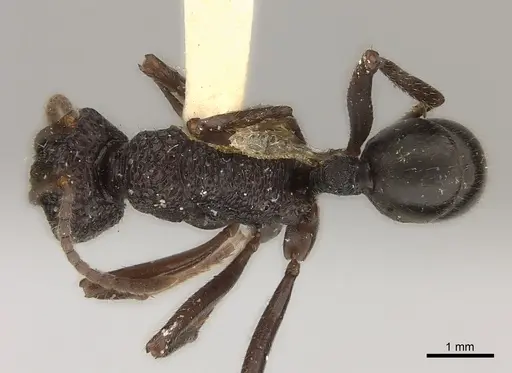
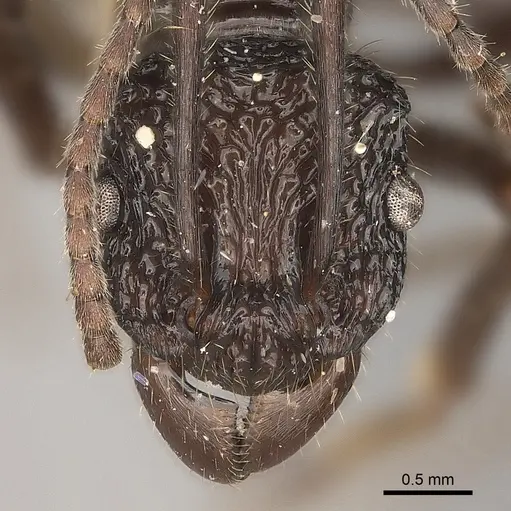
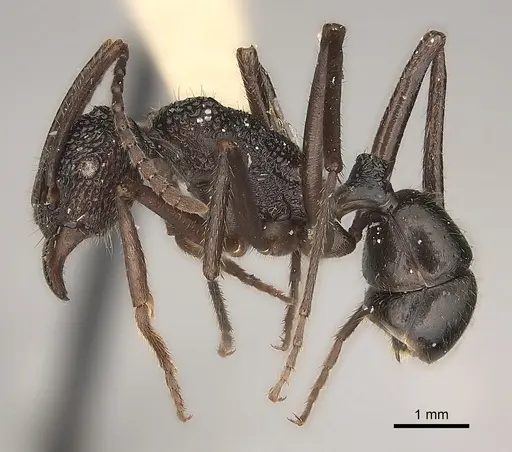
CASENT0281329
View on AntWeb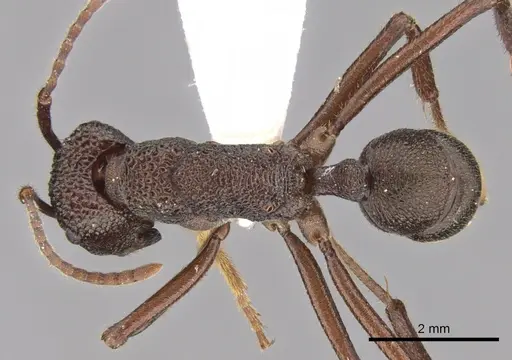
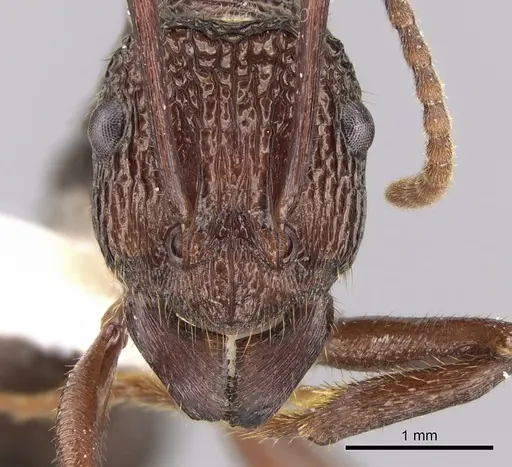
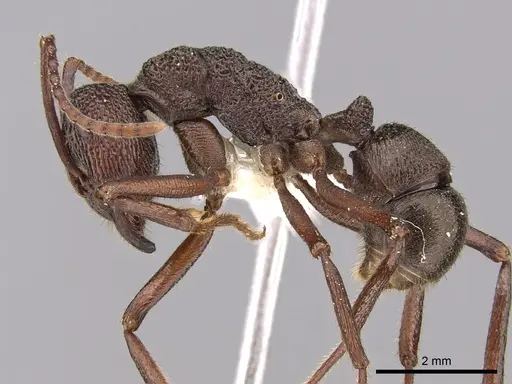
CASENT0281330
View on AntWeb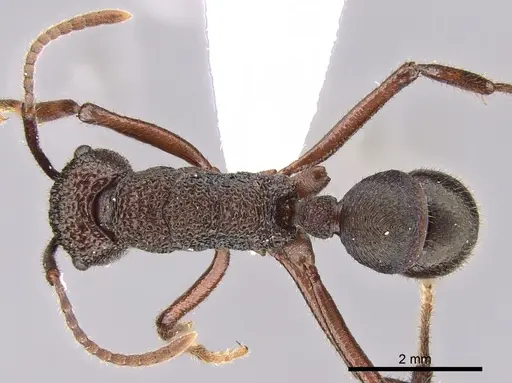
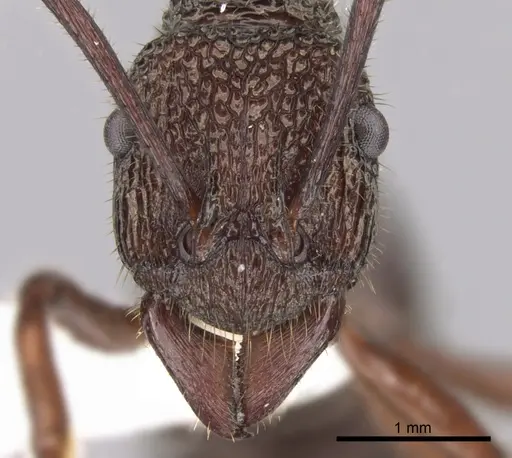
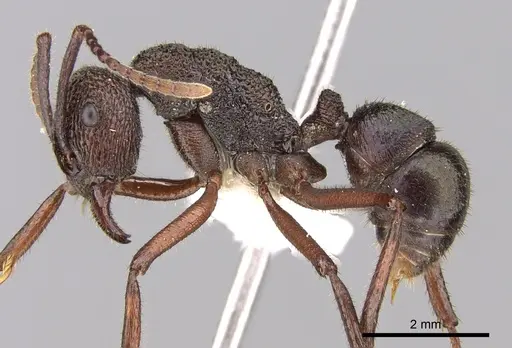
CASENT0281331
View on AntWeb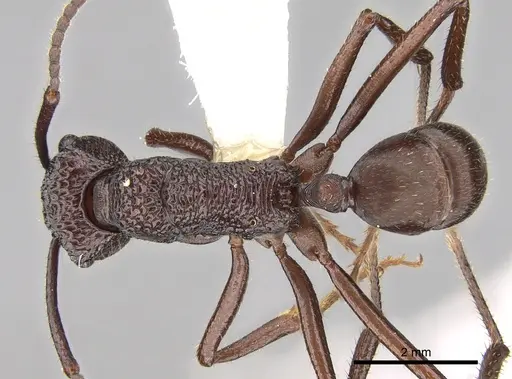
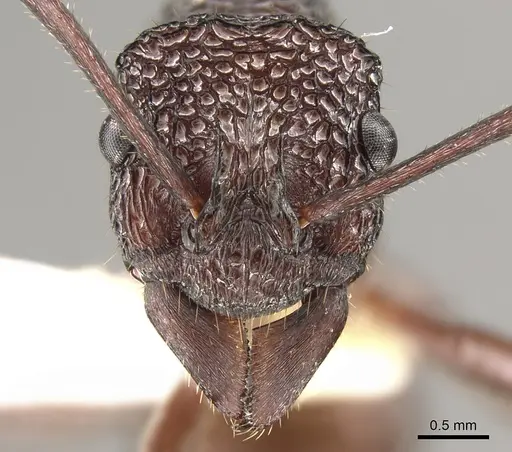
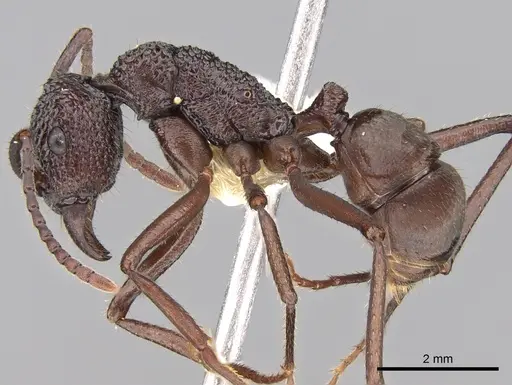
CASENT0281332
View on AntWeb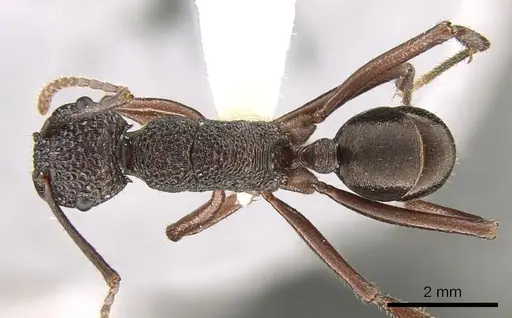
CASENT0907145
View on AntWeb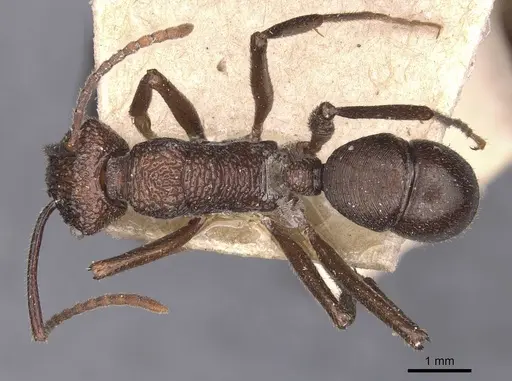
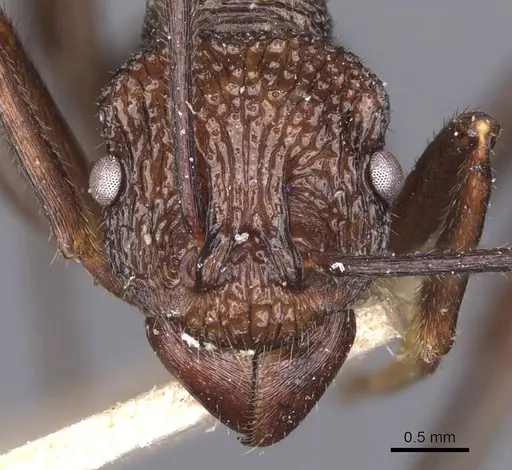
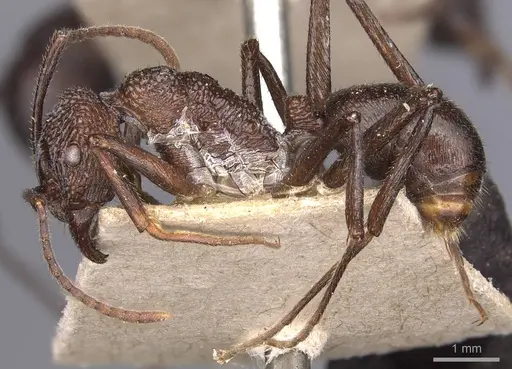
FOCOL0403
View on AntWeb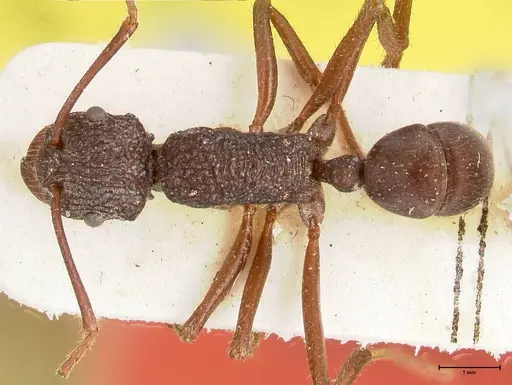
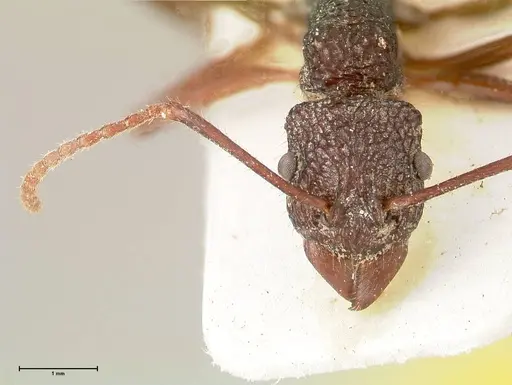
FOCOL0898
View on AntWeb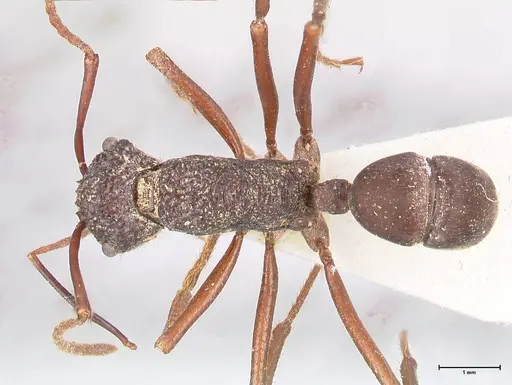
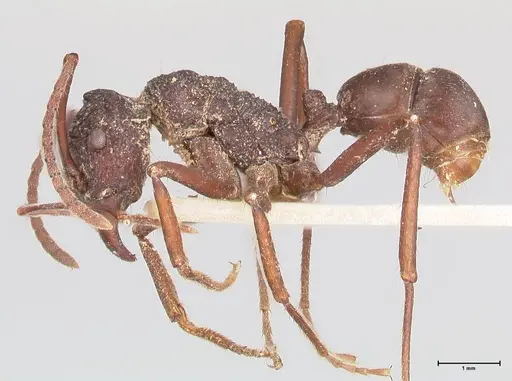
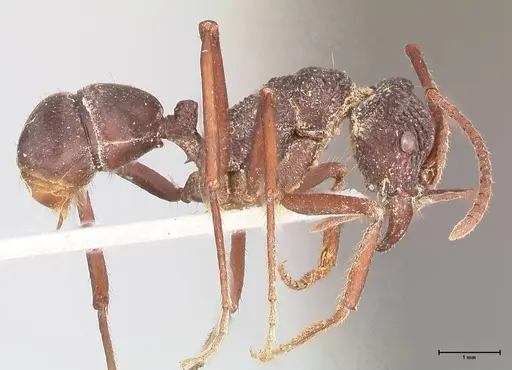
FOCOL0899
View on AntWeb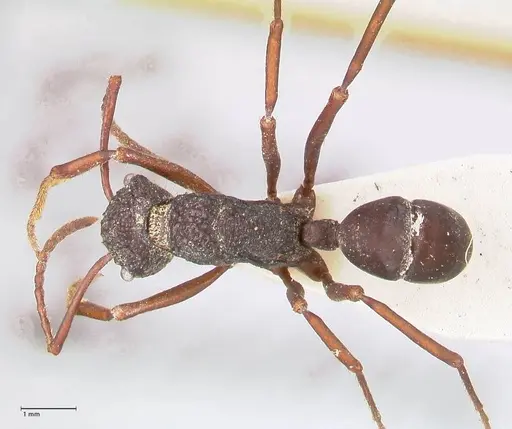
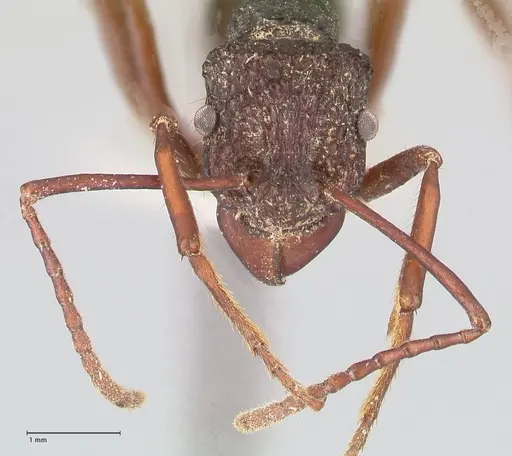
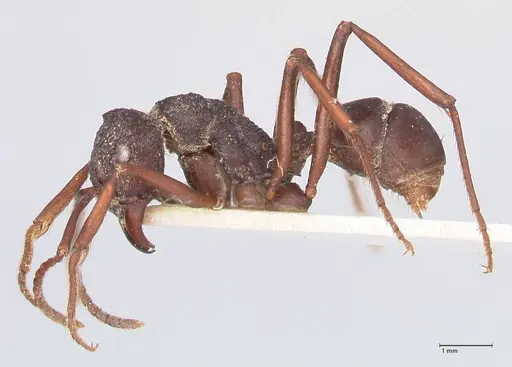
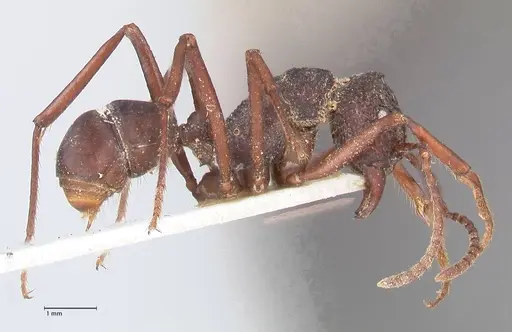
FOCOL0900
View on AntWeb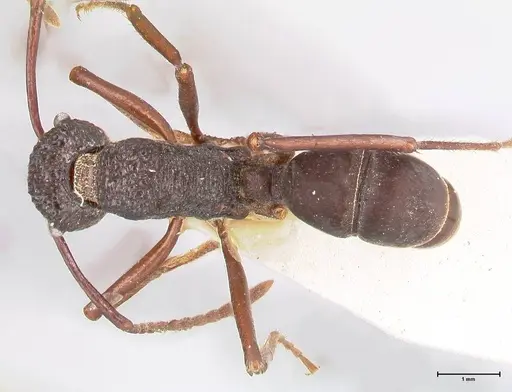
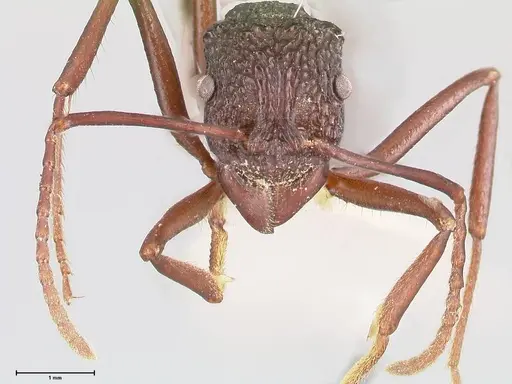
Literature
Loading distribution map...Loading products...