
Rhopalothrix megisthmica
- Sci. Name
- Rhopalothrix megisthmica
- Tribe
- Attini
- Subfamily
- Myrmicinae
- Author
- Longino & Boudinot, 2013
- Distribution
- Found in 1 countries
Introduction
Rhopalothrix megisthmica is a rare, tiny ant from the cloud forests of Guatemala and southern Mexico. It was first described in 2013 . Only the worker caste is known - queens and males have never been found . All specimens have been collected from sifted leaf litter using Winkler or Berlese samplers; they have never been observed alive in the wild. This makes them an expert-level species - no one has successfully kept them in captivity, and their biology remains almost completely unknown.
Quick Summary
- Difficulty: Expert
- Origin & Habitat: Cloud forests of Guatemala and southern Mexico, found at 1400-2000m elevation [3]. All known specimens collected from sifted leaf litter using specialized extraction methods (Winkler and Berlese samples) [4].
- Colony Type: Unknown, only worker caste has been described. No queens or males have ever been documented [2]. The colony structure (single queen vs. multiple queens) is completely unconfirmed.
- Size & Growth:
- Queen: Unknown, queens have never been described or observed [2]
- Worker: ~3-4mm (estimated by inference from related Rhopalothrix species, total length not directly measured)
- Colony: Unknown, only single workers have been collected in the wild [5]
- Growth: Unknown
- Development: Unconfirmed, no breeding observations exist (This species has never been kept in captivity. All biological data comes from occasional worker specimens collected in the wild)
- Antkeeping:
- Temperature: Cloud forest habitat suggests cool-to-moderate conditions, aim for roughly 18-22°C. Avoid warmth above 25°C [3]
- Humidity: High humidity is essential, think damp forest floor. Keep substrate consistently moist but not waterlogged [3][4]
- Diapause: Unknown, cloud forests at 1400-2000m elevation experience seasonal temperature changes, so some form of winter rest is likely. More research needed.
- Nesting: Natural nesting occurs in leaf litter and soil. In captivity, a small test tube setup with very fine substrate (like coco fiber or very fine soil) is a guess. They need tight chambers scaled to their tiny size, avoid any large open spaces.
- Behavior: These ants are extremely cryptic and rarely seen. They live deep in leaf litter and soil, making them nearly impossible to observe in the wild [4]. Workers are likely slow-moving and forage individually rather than in groups. Their tiny size means escape prevention must be excellent, they can squeeze through gaps invisible to the naked eye. No aggression data exists, but given their rarity and cryptic lifestyle, they are likely non-aggressive and may be intimidated by larger ants.
- Common Issues: no known captive colonies have ever been established, this species may be impossible to keep alive in captivity, queen and male castes unknown, you cannot start a colony from a queen because none have ever been found, extreme escape risk due to tiny worker size, standard formicarium gaps will allow escape, high humidity requirements are difficult to maintain consistently, extremely rare in the hobby, no established care protocols exist
Why This Species Is So Challenging
Rhopalothrix megisthmica represents one of the most difficult ants to keep in captivity, and that's being optimistic. This species was only described in 2013,and since then, no one has documented finding a queen, male, or any active nest. All specimens are single workers extracted from leaf litter samples using specialized equipment [1]. This tells us they live in tiny, cryptic colonies deep in the forest floor, making them nearly impossible to locate. The practical implication: there is no established method for starting a Rhopalothrix colony. Even if you obtained workers, they would likely not survive long without a queen, and we have no information on their dietary needs, founding behavior, or social requirements. This is a species for advanced researchers, not hobbyists [6].
What We Know About Their Natural History
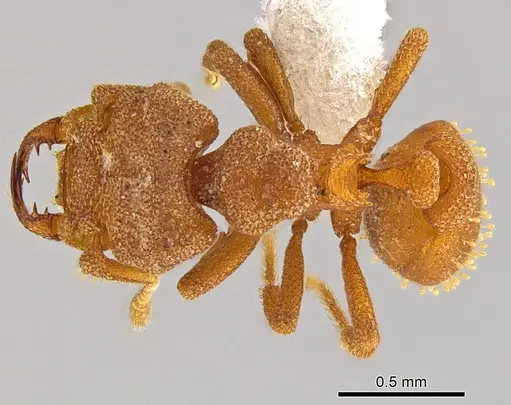
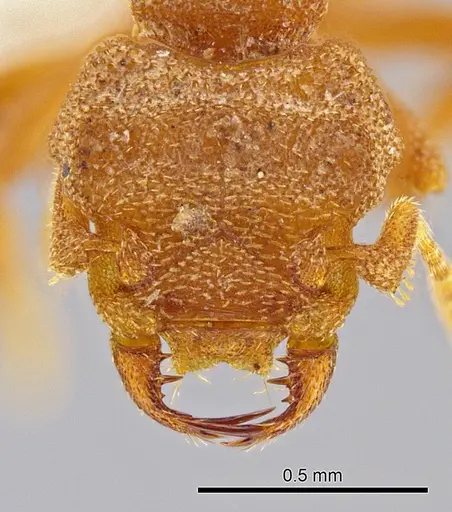
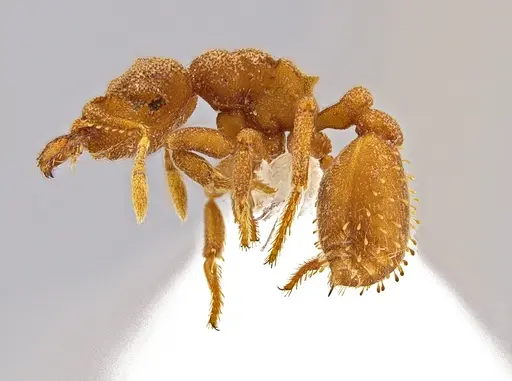
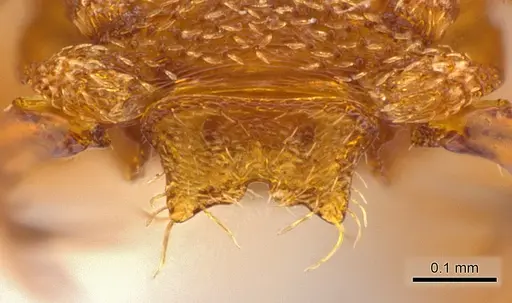
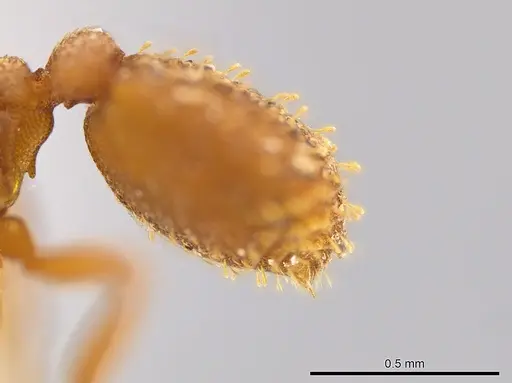
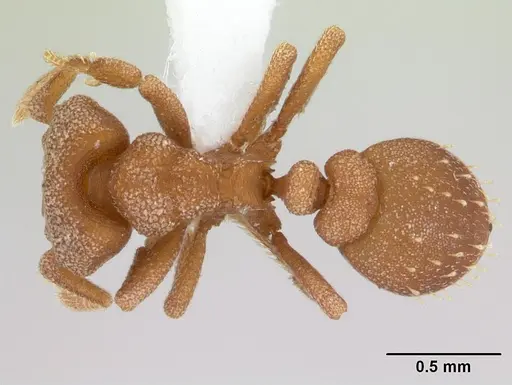
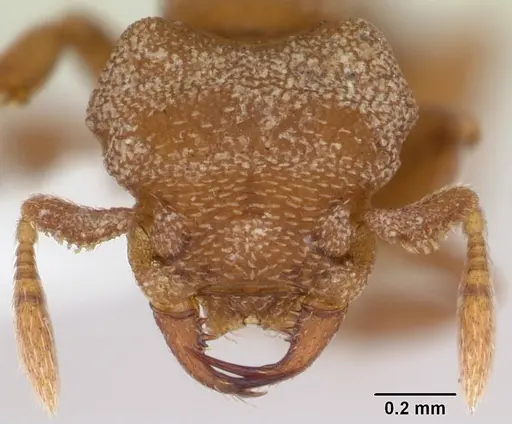
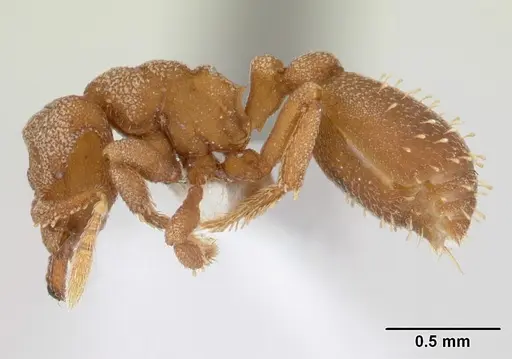
In the wild, Rhopalothrix megisthmica lives in cloud forests at elevations between 1400-2000 meters, that's roughly 4,600-6,500 feet [1]. These environments are cool, misty, and perpetually humid. The species is sympatric (lives in the same areas) with two other Rhopalothrix species: R. isthmica and R. triumphalis [1]. At the type locality in Guatemala, researchers found workers in about 24% of their leaf litter samples, moderately abundant for such a rare genus [1]. However, they've never observed actual nests, colonies in situ, or any reproductive castes. The genus Rhopalothrix as a whole is considered a rare inhabitant of wet forest leaf litter and soil [6]. Workers have distinctive features: mandibles with 2-3 teeth, large propodeal teeth, and squamiform (scale-like) setae covering much of the gaster [1].
If You Still Want to Try
Given everything above, here's what a hypothetical care setup might look like, but understand this is entirely theoretical. Housing: a small test tube or very small nest with chambers no more than 2-3mm in height. The nest material should be fine and moisture-retaining. Temperature: keep cool at 18-22°C, never above 25°C. Humidity: maintain high, the substrate should feel damp constantly. Escape prevention: use fine mesh (at least 0.5mm or smaller) because these ants are tiny. Feeding: based on related leaf-litter ants, they likely eat tiny live prey like springtails, but this is purely speculative. The honest reality: no one has successfully kept this species, and there's a good reason for that. Consider instead more commonly available ants with established care protocols.
Taxonomy and Identification
Rhopalothrix megisthmica was formally described in 2013 by Longino and Boudinot, who are leading ant taxonomists [1]. The species name 'megisthmica' refers to its similarity to Rhopalothrix isthmica, the main difference being its larger size [1]. Workers can be identified by their larger size compared to R. isthmica, and their propodeal teeth are typically larger and more acute [1]. The genus belongs to the tribe Attini, a diverse group that includes both fungus-farming and predatory ants, the specific diet of R. megisthmica is unknown. This species is part of the monophyletic R. isthmica clade, which is restricted to the Neotropics with its center of diversity in Central America [6].
Frequently Asked Questions
Can I keep Rhopalothrix megisthmica as a pet ant?
No. This species has never been documented in captivity, and no queens or males have ever been found [1]. You cannot start a colony without a queen, and we have no information on how to keep workers alive. This is an expert-level species that exists primarily in scientific collections.
Where can I get a Rhopalothrix megisthmica queen?
Queens of this species have never been documented [1]. No researcher has ever collected or described a Rhopalothrix megisthmica queen. There is no known source for obtaining one.
How big do Rhopalothrix megisthmica colonies get?
Unknown. The largest colony ever documented for any Rhopalothrix species remains a mystery [1]. All we have are occasional single workers extracted from leaf litter samples, no nests have ever been found.
What do Rhopalothrix megisthmica ants eat?
Unconfirmed. Based on their genus placement in Attini and their leaf-litter habitat [1][6], some related leaf-litter ants prey on small arthropods, but no direct observations of feeding exist. Do not attempt to keep this species without confirmed food acceptance data.
What temperature do Rhopalothrix megisthmica need?
Based on their cloud forest habitat at 1400-2000m elevation [1], they likely prefer cool conditions around 18-22°C. Avoid temperatures above 25°C. This is an estimate, no captive observations exist to confirm temperature preferences.
Are Rhopalothrix megisthmica good for beginners?
No. This is absolutely not a beginner species. In fact, it's not a species for hobbyists at all, there are no documented captive colonies, no known queens, and no established care protocols [1][6]. This is an expert-level species best left to taxonomic researchers.
Where does Rhopalothrix megisthmica live in the wild?
Guatemala and southern Mexico, specifically in cloud forests at elevations between 1400-2000 meters [1]. They've been found in Zacapa, Guatemala, and the slopes of Volcán Tacaná in Chiapas, Mexico.
How were Rhopalothrix megisthmica discovered?
They were formally described in 2013 by Longino and Boudinot based on workers collected from sifted leaf litter samples [1]. The specimens were extracted using miniWinkler samplers, specialized equipment that sifts through leaf litter to collect tiny arthropods. This is how most Rhopalothrix species are found, they're too cryptic to locate by observing nests.
Report an Issue
The current care sheet is based fully on literature. See inconsistencies, or something that's incorrect? Please , it will be resolved after review from an admin. Contributing to the blogs tab also helps providing information, to make us be able to further improve the caresheets. Thank you for your support!
References

This caresheet is licensed under CC BY-SA 4.0 .
Community Blogs
Literature
Loading distribution map...Loading products...