
Rhopalomastix rothneyi
- Sci. Name
- Rhopalomastix rothneyi
- Tribe
- Crematogastrini
- Subfamily
- Myrmicinae
- Author
- Forel, 1900
- Distribution
- Found in 6 countries
Introduction
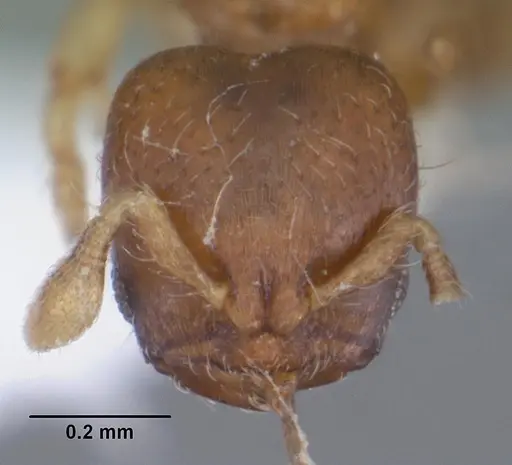
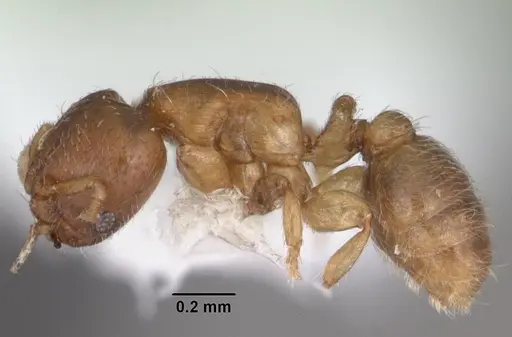
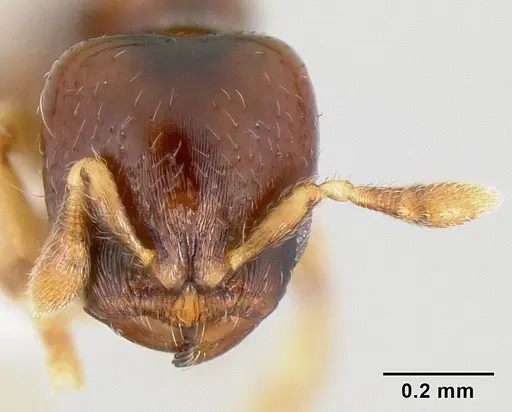
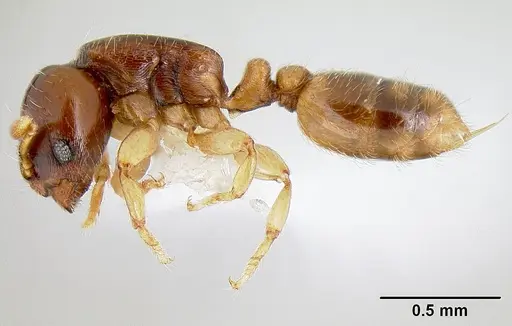
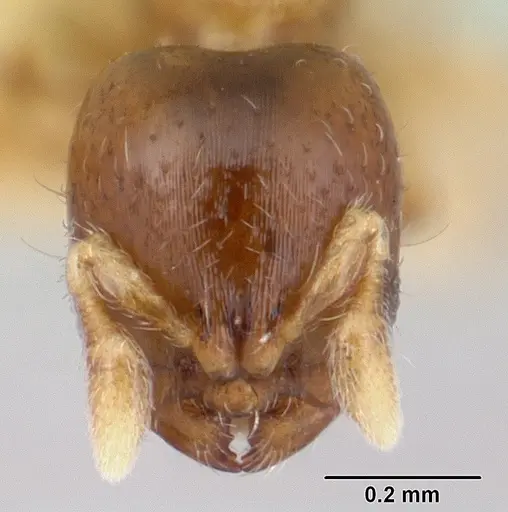
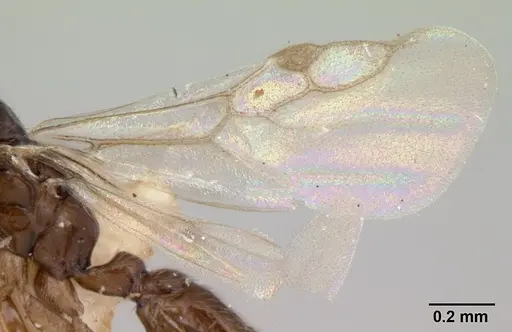
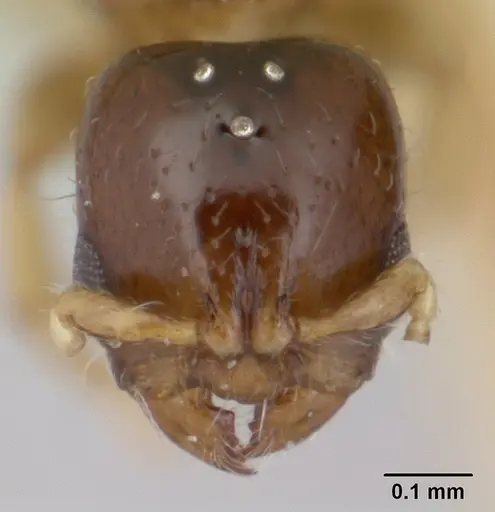
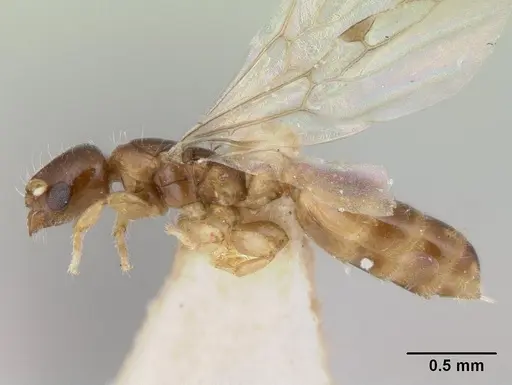
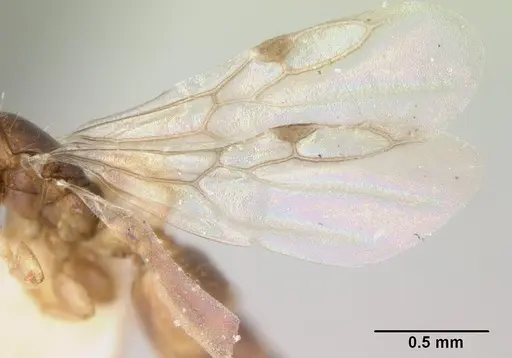
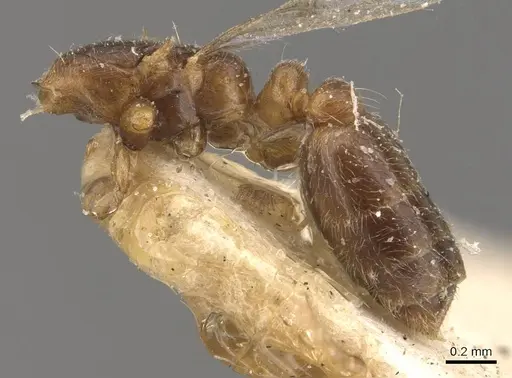
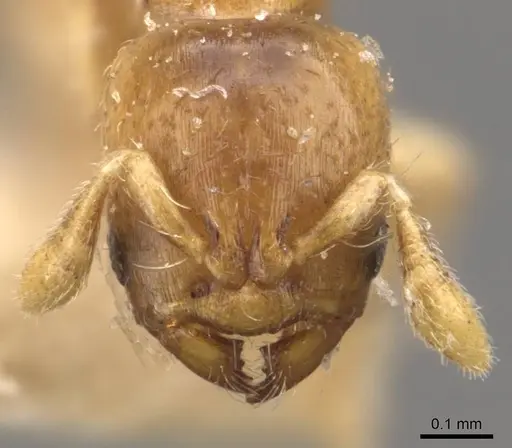
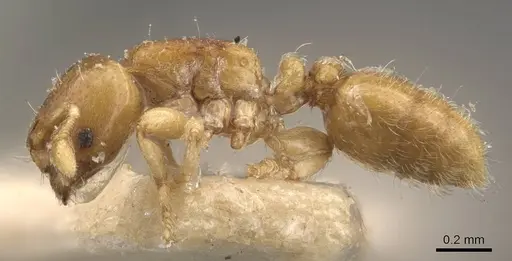
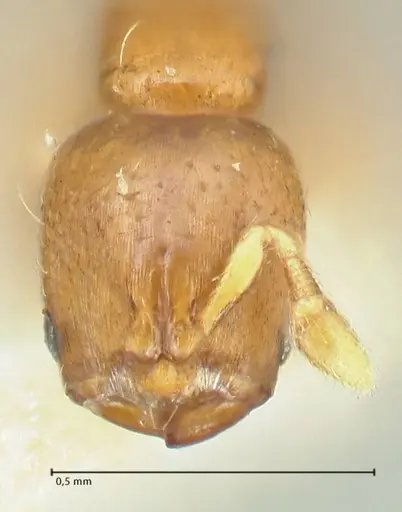
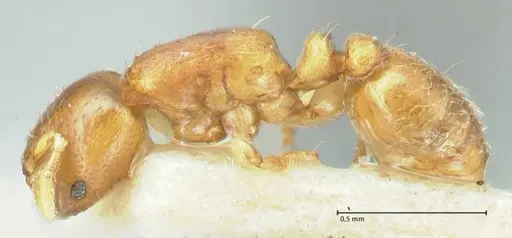
Rhopalomastix rothneyi is a tiny myrmicine ant in the tribe Crematogastrini. Workers are a few millimeters long, with rounded heads and compact bodies. It was described by Forel in 1900 from India, and is the type species of the genus Rhopalomastix . This genus is one of only two ant genera known to live with armored scale insects (Diaspididae). These are specialized bark-nesting ants that live in dead twig ends and under tree bark, for example on mangosteen and durian trees . They are found in India (Karnataka, Sikkim, West Bengal), Sri Lanka, and the Australasian region (Australia, New Guinea) . Their closest relatives are Melissotarsus, another scale-insect-associated genus.
Quick Summary
- Difficulty: Expert
- Origin & Habitat: Native to India (Karnataka, Sikkim, West Bengal), Sri Lanka, and Australasia (Australia, New Guinea) [5][4]. Lives in tropical and subtropical forests, nesting in dead twigs and under bark of trees like mangosteen and durian [2][3].
- Colony Type: Unconfirmed, scientific data on colony structure is lacking. No information on queen number or social organization.
- Size & Growth:
- Queen: size data unavailable, no measurements found in research literature
- Worker: size data unavailable, no measurements found in research literature
- Colony: Unknown, no colony size data available in research
- Growth: Unknown
- Development: No data available, development timeline unknown (No direct studies exist for this species.)
- Antkeeping:
- Temperature: Tropical species, keep at 24-28°C [4]. Room temperature (22-25°C) is acceptable but may slow colony growth. Use a heating mat on one side to create a gradient.
- Humidity: Keep the nest substrate slightly moist but not waterlogged. These bark-dwelling ants need humidity but their nests in twigs are not wet.
- Diapause: No true diapause required, this is a tropical species that remains active year-round [4]. Do not force hibernation.
- Nesting: Specialized twig-nesting ants. In captivity: Y-tong (AAC), plaster, or 3D-printed nests with narrow chambers work best. Test tubes are fine for small colonies. Provide small twigs or bark for a natural setup, but artificial nests are readily accepted. Because of their tiny size, use fine mesh to prevent escapes.
- Behavior: Peaceful and non-aggressive. As tiny bark-nesters, they are shy and avoid confrontation. Defense mechanism (Crematogastrini): uses a modified flattened stinger to smear venom onto enemies rather than sting. This species is not known to be defensive toward keepers. Escape risk is high due to tiny size, fine mesh on all ventilation is essential.
- Common Issues: tiny size makes escape prevention critical, use fine mesh barriers even on small gaps, humidity must be balanced, too dry causes colony decline, too wet promotes mold, limited research means most care advice is speculative, observe colony closely, tropical species cannot tolerate cool temperatures, provide stable warmth (24-28°C), specialized diet from scale insect association, may need constant sugar sources, protein acceptance uncertain
Housing and Nest Setup
Rhopalomastix rothneyi are specialized twig-nesters that need appropriately scaled housing. In nature they live in dead twig ends and under tree bark [2][3]. In captivity, small test tubes work well for founding and small colonies. Larger colonies can be housed in Y-tong (AAC), plaster, or 3D-printed nests with narrow chambers. Avoid acrylic nests, they don't hold humidity well for this species. You can add small pieces of bark or twig to a naturalistic setup, but it's optional.
Because these ants are tiny (size data unavailable), escape prevention is critical. Use fine mesh on any ventilation holes and make sure all connections are tight. The nest area should be humid but not waterlogged, aim for 'slightly moist' substrate.
Feeding and Diet
In the wild, Rhopalomastix ants have a specialized mutualism with armored scale insects (Diaspididae), from which they get honeydew. This suggests a strong preference for sugar sources.
In captivity, offer diluted honey or sugar water (on a soaked cotton ball or in a test tube feeder) regularly. Small live prey like fruit flies or pinhead crickets may be accepted, but protein may be less important than sugars. Based on their scale insect association, you might also try pure honeydew if available. Observe your colony's preferences and adjust.
Temperature and Seasonal Care
This is a tropical species from India, Sri Lanka, and Australasia [4][5]. Maintain nest temperatures at 24-28°C for best activity. Room temperature (22-25°C) is acceptable but can slow colony growth. Unlike temperate species, they do not require a diapause period. They will remain active year-round [4]. If your room gets cool in winter, use a small heating mat on one side of the nest to create a warm area. Avoid direct heat that dries out the nest.
Behavior and Colony Dynamics
Rhopalomastix rothneyi is a peaceful, non-aggressive species. Workers are small and slow-moving, spending most of their time in the nest or foraging in tight spaces. They belong to the tribe Crematogastrini, which uses a smear defense, a modified flattened stinger that wipes venom onto enemies rather than piercing. In practice, this species is not defensive toward keepers.
Colony structure is not documented. Based on the complete lack of data, founding behavior and queen number are unknown. The genus is notable for its relationship with scale insects, but this does not inform colony social organization.
Growth rate is unknown. Because of limited data, be patient and adapt care based on colony response.
Frequently Asked Questions
How long does it take for Rhopalomastix rothneyi to raise first workers?
The timeline is not documented in scientific literature. No development data exists for this species. If you have a founding colony, watch for workers over several weeks to months, there is no reliable estimate.
What do Rhopalomastix rothneyi ants eat?
Based on their specialized mutualism with armored scale insects, they likely prefer sugar sources like honeydew. Offer diluted honey or sugar water regularly. Small live prey (fruit flies) may be accepted, but protein acceptance is unconfirmed. Watch what your colony eats.
Can I keep Rhopalomastix rothneyi in a test tube?
Yes, test tubes work well. Use a standard setup with a water reservoir at one end. Because they are tiny, pack the cotton plug tightly and consider adding a fine mesh barrier at the opening to prevent escapes. The narrow tube mimics their natural twig-nesting habitat.
Do Rhopalomastix rothneyi ants sting?
No, this species is not known to sting or pose any danger to keepers. They belong to Crematogastrini, which uses a smear defense, wiping venom onto enemies with a flattened stinger. In practice, they are very shy and not aggressive toward humans.
What temperature do Rhopalomastix rothneyi need?
Keep them at 24-28°C. They are tropical ants from India and Australasia [4]. Room temperature (22-25°C) is acceptable but can slow colony growth. Provide a warm area with a slight temperature gradient.
Are Rhopalomastix rothneyi good for beginners?
No, this species is rated Expert. There is almost no scientific data on their care, and they require warm temperatures, precise humidity, and escape-proof housing due to their tiny size. Beginners should start with better-documented species.
How big do Rhopalomastix rothneyi colonies get?
Maximum colony size is unknown. No data exists in research literature. Based on their tiny worker size and bark-nesting habit, they likely form small colonies of a few hundred workers at most, but this is speculation.
Do Rhopalomastix rothneyi need hibernation?
No, they do not need hibernation. This is a tropical species that remains active year-round [4]. Do not force diapause, just maintain stable warm temperatures.
Why are my Rhopalomastix rothneyi dying?
Possible causes: temperatures too low (below 20°C), humidity too dry or too wet, escape through tiny gaps, or inadequate food. Check that the nest stays warm and slightly moist. Make sure they have constant access to sugar water. Because so little is known, adapt based on your observations.
When should I move Rhopalomastix rothneyi to a formicarium?
You can keep them in test tubes long-term as they are small twig-nesters. If the colony outgrows the tube, move them to a Y-tong, plaster, or 3D-printed nest with narrow chambers. Avoid acrylic nests. The small passages in these formicariums work well.
Report an Issue
The current care sheet is based fully on literature. See inconsistencies, or something that's incorrect? Please , it will be resolved after review from an admin. Contributing to the blogs tab also helps providing information, to make us be able to further improve the caresheets. Thank you for your support!
References

This caresheet is licensed under CC BY-SA 4.0 .
Community Blogs
CASENT0010846
View on AntWeb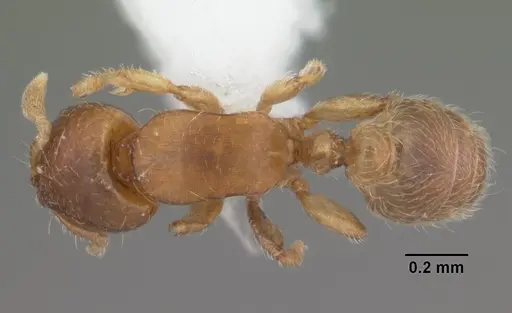
CASENT0106013
View on AntWeb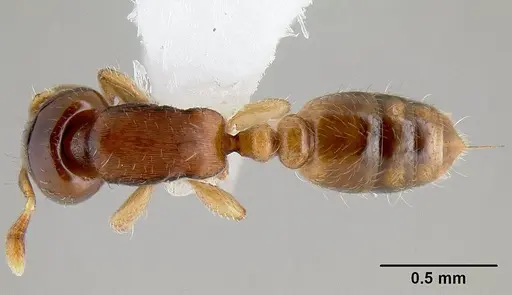
CASENT0178531
View on AntWeb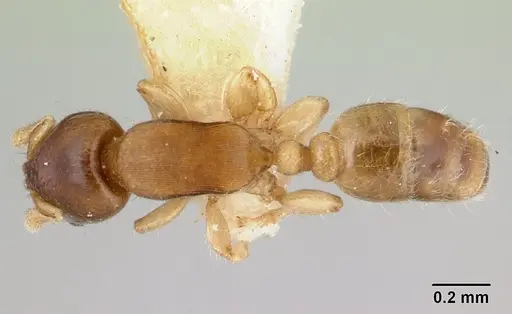
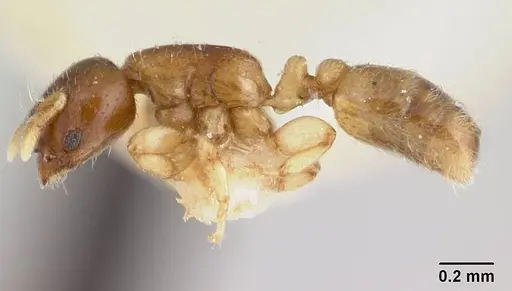
CASENT0178532
View on AntWeb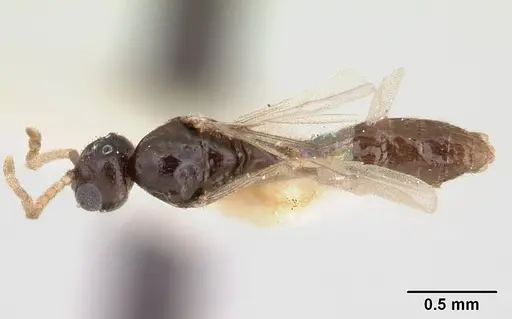
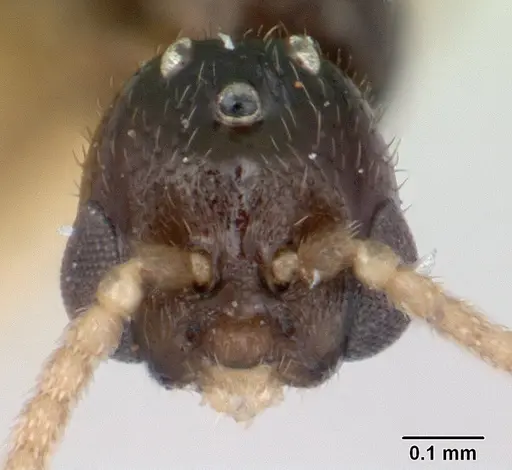
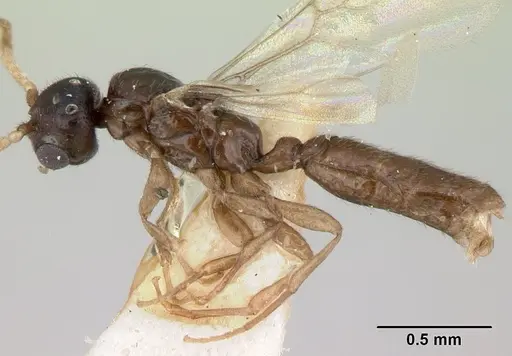
CASENT0178732
View on AntWeb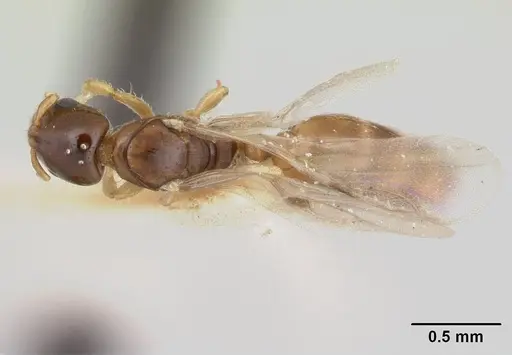
CASENT0908322
View on AntWeb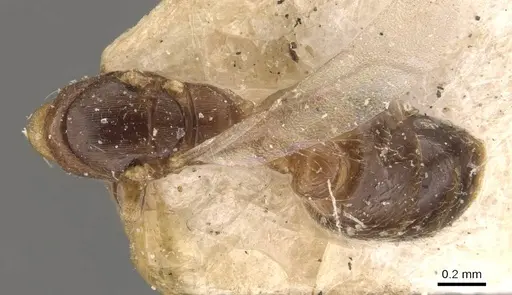
CASENT0908323
View on AntWeb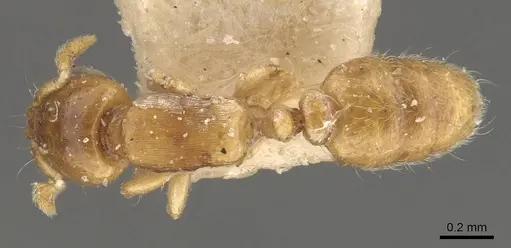
FOCOL2102
View on AntWeb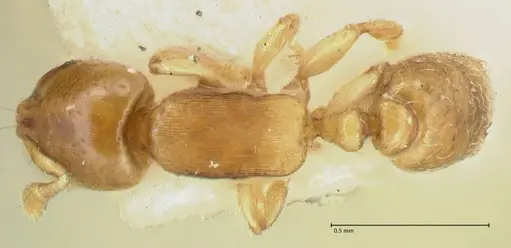
Literature
Loading distribution map...Loading products...