
Recurvidris nigrans
- Sci. Name
- Recurvidris nigrans
- Tribe
- Crematogastrini
- Subfamily
- Myrmicinae
- Author
- Zettel, 2008
- Distribution
- Found in 0 countries
Introduction
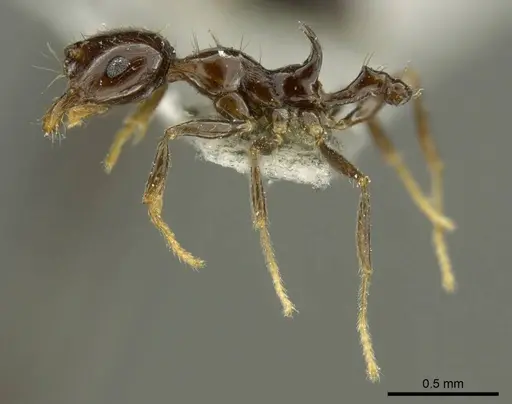
Recurvidris nigrans is a small Myrmicine ant native only to Negros Island in the Philippines. Workers measure 2.9-3.2mm in total length, making this species the largest known member of its genus on average . They have a distinctive dark blackish brown body with yellowish antenna funiculus and tarsi, smooth and shiny body surface, and broad head characteristic of the Recurvidris kemneri species group . The propodeum bears very high, slender, blade-like spines, and the petiole has a long, slender peduncle with a spiniform subpetiolar process . This species is extremely rare in both the wild and the antkeeping hobby. It is known only from the Cuernos de Negros Mountains at 500-550m elevation, near Casaroro Falls . Nothing is known about the biology of this species in the wild - no data exists on colony structure, founding behavior, diet, or nesting preferences . This makes it an entirely speculative species to keep, and prospective keepers should be prepared for a challenging learning curve.
Quick Summary
- Difficulty: Expert
- Origin & Habitat: Negros Island, Philippines (Negros Oriental Province). Found in the Cuernos de Negros Mountains (Mount Talinis) at 500-550m elevation near Casaroro Falls. The region has a tropical climate with high year-round humidity [1].
- Colony Type: Unknown, no data exists on colony structure (monogyne/polygyne) for this species [3].
- Size & Growth:
- Queen: Unknown, only workers have been described [1]
- Worker: 2.9-3.2mm [1][2]
- Colony: Unknown, no colony size data exists
- Growth: Unknown
- Development: Unknown, no development data exists for this species (Estimate 6-10 weeks based on typical Myrmicinae development at tropical temperatures, but this is entirely speculative)
- Antkeeping:
- Temperature: Infer from habitat: aim for 24-28°C as a starting point. The Philippines has a tropical climate, though this species was collected at 500-550m elevation which may indicate some preference for cooler conditions than lowland tropics [1].
- Humidity: Infer from habitat: aim for 70-85% humidity. The type locality near waterfalls suggests damp forest conditions [1].
- Diapause: Unknown, tropical species may not require formal diapause, but may slow during cooler periods
- Nesting: Unknown, no wild nesting data exists. Based on genus and Myrmicinae patterns, likely nests in rotting wood or soil. Recommend naturalistic setup with moist substrate or Y-tong/plaster nest.
- Behavior: Unknown in captivity. Based on genus-level inference, likely non-aggressive and shy. Small size (under 4mm) means escape prevention is critical, use fine mesh barriers and tight-fitting lids. Defensive mechanism is venom smearing (modified stinger), typical of Myrmicinae tribe Crematogastrini.
- Common Issues: no captive husbandry data exists, you are pioneering husbandry for this species, wild-caught colonies may have parasites or diseases with no known treatment, escape prevention is critical due to small size, temperature and humidity requirements are entirely inferred, monitor colony response, slow or failed colony development is likely without established protocols
Discovery and Distribution
Recurvidris nigrans was first described in 2008 by Herbert Zettel from specimens collected on Negros Island in the Philippines [1]. The type locality is Casaroro Falls in the Cuernos de Negros Mountains (also known as Mount Talinis) at approximately 500-550 meters above sea level [1]. This species is known only from this single location and represents one of the rarest ants in the hobby.
The species name 'nigrans' comes from Latin and means 'dark' or 'black, ' referring to its distinctive dark body color which distinguishes it from all other known Recurvidris species [1]. Other species in the genus are typically yellow or yellow-brown, making R. nigrans immediately recognizable. It belongs to the Recurvidris kemneri species group, characterized by specific mandible tooth structure, absence of infradental lamellae on the propodeal declivity, and a broad head [1][2].
Appearance and Identification
Workers measure 2.9-3.2mm in total length, making Recurvidris nigrans the largest known species in its genus on average [1][2]. The body is chiefly blackish brown, while the funiculus (antenna segments beyond the scape) and tarsi (foot segments) are yellowish, a striking two-tone appearance [1]. The body surface is smooth and shiny with fine setiferous pits.
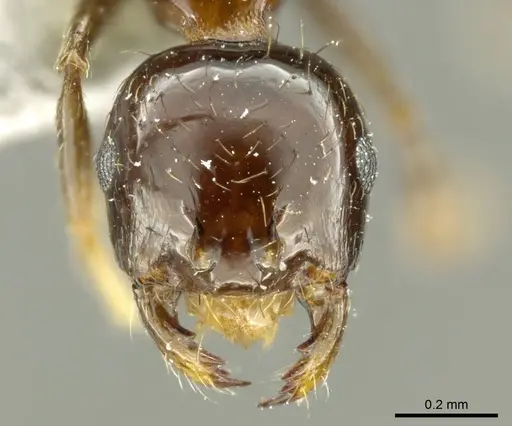
The head is notably broad, and the mandibles have a distinctive tooth arrangement: four acute teeth on the apical margin plus one prominent acute tooth on the basal margin that is almost as large as the fourth tooth [1][2]. The propodeum has very high, slender, divergent spines that appear blade-like when viewed from behind. The petiole has a long, slender peduncle with a spiniform subpetiolar process, a diagnostic feature of the genus [1].
Housing and Nesting
No established captive housing protocols exist for this species. Based on inference from the type locality (forest near waterfalls at 500-550m elevation) and typical Myrmicinae nesting preferences, provide a naturalistic setup with consistently moist substrate or a Y-tong/plaster nest with good humidity retention [1]. The forest habitat suggests they prefer damp conditions without being waterlogged.
Because workers are under 4mm in size, escape prevention must be excellent. Use tight-fitting lids, fine mesh (0.5mm or smaller), and reliable barrier methods like Fluon. These ants can likely squeeze through standard test tube openings, consider using nests with very small chamber dimensions or custom setups.
Start with a simple test tube setup for founding colonies, then transition to a naturalistic or plaster nest once the colony has grown. Monitor humidity levels carefully, the forest habitat near waterfalls indicates high moisture needs.
Temperature and Care
Temperature requirements are entirely inferred since no captive data exists. The Philippines has a tropical climate with temperatures ranging from 24-32°C in the lowlands. However, this species was collected at 500-550m elevation, which may indicate some preference for slightly cooler conditions than true lowland species [1].
As a starting point, maintain temperatures in the range of 24-28°C. Observe colony behavior, if workers cluster consistently in cooler areas, lower slightly, if they seem sluggish, raise into the upper range. Avoid temperatures below 20°C or above 32°C without data on tolerance.
Humidity should be high, targeting 70-85%. The type locality near Casaroro Falls in a mountainous area suggests this species evolved in consistently damp forest conditions [1]. Use a water reservoir in your nest setup and monitor substrate moisture regularly.
Feeding and Diet
Diet preferences are completely unknown for this species. No observations exist on what Recurvidris nigrans eats in the wild or in captivity. Based on typical Myrmicinae behavior and related species in the genus, they likely are omnivorous with a preference for small arthropod prey and sugar sources.
For a new colony, offer a variety of foods and observe acceptance: small live prey (fruit flies, pinhead crickets, small mealworms), protein gels, and sugar water/honey. Start with small amounts and remove uneaten food after 24-48 hours to prevent mold. Given their small worker size (under 4mm), prey items must be very small.
Document what your colony accepts, this information would be valuable for future keepers since no dietary data exists for this species.
Colony Development
No data exists on colony development for this species. Queens have never been documented or described, only workers are known from the type series [1]. This means colony founding behavior (claustral vs semi-claustral), development timeline, and colony growth rates are entirely unknown.
Based on typical Myrmicinae patterns, likely claustral founding (queen seals herself in and raises first workers on stored fat reserves). Development from egg to worker likely takes 6-10 weeks at optimal tropical temperatures, but this is a rough estimate with no species-specific data to confirm it.
Colony size in the wild is unknown. Related species in the genus Recurvidris typically form small colonies, possibly under 100 workers, but this is speculative for Recurvidris nigrans.
Frequently Asked Questions
How do I keep Recurvidris nigrans ants?
No established care protocols exist for this species, you will be pioneering husbandry. Start with a test tube setup for founding colonies, then transition to a naturalistic or plaster nest with high humidity (70-85%) and warm temperatures (24-28°C). Use excellent escape prevention due to their small size under 4mm. Document your observations carefully since no captive data exists.
What do Recurvidris nigrans eat?
Diet is completely unknown. Based on typical Myrmicinae, likely accepts small live prey (fruit flies, springtails) and sugar sources (honey, sugar water). Offer variety and document acceptance. Prey must be very small given workers are only 2.9-3.2mm.
How big do Recurvidris nigrans colonies get?
Unknown, no colony size data exists for this species. Based on related Recurvidris species, likely forms small colonies, possibly under 100 workers. Only workers have ever been documented, queens are unknown.
Do Recurvidris nigrans ants sting?
Recurvidris nigrans belongs to Myrmicinae, tribe Crematogastrini, which have a modified stinger used to smear venom onto enemies rather than piercing them. This behavior has not been documented specifically for this species, but it is typical of the tribe. Given their very small size (under 4mm), any venom application would likely be mild.
Where is Recurvidris nigrans found?
This species is known only from Negros Island in the Philippines, specifically from the Cuernos de Negros Mountains near Casaroro Falls at 500-550m elevation. It has never been found anywhere else [1].
Is Recurvidris nigrans a good species for beginners?
No. This is an expert-level species due to complete lack of captive husbandry data. You will be establishing care protocols from scratch. Only experienced antkeepers should attempt this species, and only if they can commit to careful documentation and experimentation.
How long does it take for Recurvidris nigrans to develop from egg to worker?
Unknown, no development data exists for this species. Based on typical Myrmicinae development at tropical temperatures (24-28°C), estimate 6-10 weeks, but this is entirely speculative with no confirmation.
Do Recurvidris nigrans queens exist?
Queens have never been documented or described for this species. Only worker caste is known from the original description. This is unusual and makes colony founding entirely speculative, you would need to locate a wild colony to obtain a queen [1].
What is the worker size of Recurvidris nigrans?
Workers measure 2.9-3.2mm in total length, making this the largest known Recurvidris species on average. They have a dark blackish brown body with yellowish antenna funiculus and tarsi [1][2].
Can I keep multiple Recurvidris nigrans queens together?
Unknown, colony structure (monogyne/polygyne) has never been documented for this species. No data exists on whether multiple queens can be kept together or how they would interact. Not recommended given complete lack of information.
Does Recurvidris nigrans need hibernation?
Unknown, likely not required since this is a tropical species from the Philippines. However, slight temperature reduction during cooler months may be appropriate given the 500-550m elevation of the type locality. Monitor colony activity and adjust accordingly [1].
Why is Recurvidris nigrans so rare in the antkeeping hobby?
This species was only described in 2008 and is known from a single location on Negros Island, Philippines. No captive breeding exists because queens have never been documented or collected. It remains one of the rarest and least-known ants in the hobby [1].
Report an Issue
The current care sheet is based fully on literature. See inconsistencies, or something that's incorrect? Please , it will be resolved after review from an admin. Contributing to the blogs tab also helps providing information, to make us be able to further improve the caresheets. Thank you for your support!
References

This caresheet is licensed under CC BY-SA 4.0 .
Community Blogs
CASENT0919712
View on AntWeb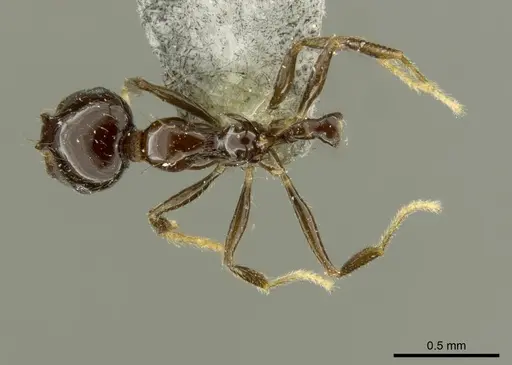
Literature
Loading distribution map...Loading products...