
Recurvidris kemneri
- Sci. Name
- Recurvidris kemneri
- Tribe
- Crematogastrini
- Subfamily
- Myrmicinae
- Author
- Wheeler & Wheeler, 1954
- Distribution
- Found in 2 countries
Introduction
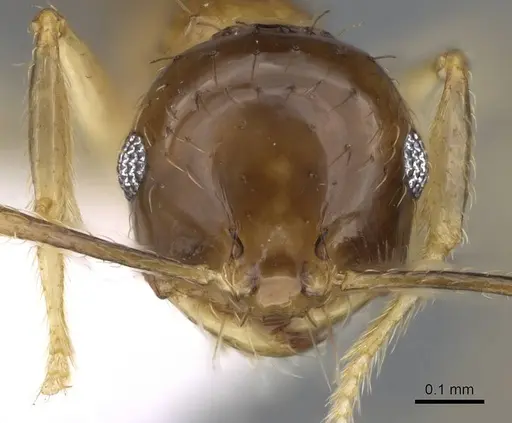
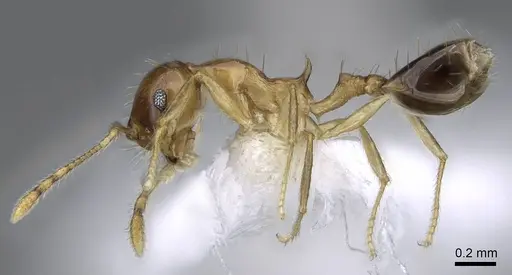
Recurvidris kemneri is a tiny, uniformly yellow ant belonging to the Myrmicinae subfamily, found across Southeast Asia including Borneo, Java, Malaysia, and southern China . Workers are very small, likely around 2-3mm total length. This species belongs to the *Recurvidris kemneri* species group, characterized by a head width-to-length index of 94-106 . The genus *Recurvidris* is known for its distinctive backward-curving propodeal spines, which in this species are quite short - shorter than the longest hairs on the pronotum . These ants are primarily leaf-litter dwellers, living in the humid microenvironments of tropical rainforests, secondary forests, and rubber plantations at elevations around 635-815 meters . This species remains poorly studied in captivity, with limited information available about its exact care requirements. Their small size and yellow coloration make them challenging to spot in the wild, and they likely form small colonies typical of litter-dwelling Myrmicinae. They defend themselves using a modified flattened stinger that smears venom onto enemies rather than piercing flesh.
Quick Summary
- Difficulty: Medium
- Origin & Habitat: Southeast Asia, found in Borneo, Java (Indonesia), Malaysia (Sarawak), and Yunnan province, China [1][2]. Inhabits leaf litter in tropical rainforests, secondary forests, and rubber plantations at 635-815m elevation [2].
- Colony Type: Colony structure is unconfirmed. Based on typical Myrmicinae patterns, likely single-queen colonies, but this has not been directly documented.
- Size & Growth:
- Queen: Queen size unknown, no direct measurements available.
- Worker: Worker size unknown, no direct measurements available, inferred from genus to be around 2-3mm total length.
- Colony: Unknown, colony size has not been documented.
- Growth: Unknown, no data available.
- Development: Unknown, no direct data, estimate 6-8 weeks for tropical Myrmicinae at 25-28°C. (No studies on development for this species.)
- Antkeeping:
- Temperature: Based on tropical forest habitat, maintain 24-28°C. Avoid prolonged drops below 22°C [2].
- Humidity: High humidity required, think damp forest floor. Keep the nest substrate consistently moist but not waterlogged. Good ventilation is needed to prevent mold.
- Diapause: No diapause needed, tropical species that remains active year-round.
- Nesting: Y-tong (AAC) or plaster nests with good moisture retention work well. Use small chambers suited to their tiny size. Provide a thick layer of leaf litter or moss in the outworld to mimic natural conditions.
- Behavior: These are shy, non-aggressive ants that prefer to stay hidden. Workers are small and move slowly. They defend using a modified flattened stinger that smears venom onto enemies, not by piercing. Due to their tiny size, extreme escape prevention is essential, they can slip through standard barriers. Likely nocturnal or crepuscular foragers. They pose no threat to keepers.
- Common Issues: tiny size means escapes are likely without fine mesh barriers, high humidity requirements can lead to mold if ventilation is poor, slow colony growth may frustrate beginners expecting rapid development, wild-caught colonies may have parasites that are difficult to detect, limited information makes troubleshooting challenging
Housing and Nest Setup
Recurvidris kemneri requires a small, humid nest setup. A Y-tong (AAC) nest or plaster formicarium works well because these materials hold moisture effectively. The chambers should be appropriately scaled to their tiny worker size, avoid large, open spaces. Place the nest in a dark area away from direct sunlight, as these forest-floor ants prefer dim conditions. The outworld should be small and easy to maintain, with a water source and a feeding area. Because of their small size, use a test tube setup with a cotton barrier for the founding colony. Escape prevention is critical, these ants can squeeze through gaps that larger ants would never fit through. Use fine mesh on all ventilation openings and seal any cracks. [1][2]
Feeding and Diet
Like most Myrmicinae, Recurvidris kemneri likely accepts a varied diet of small insects and sugar sources. Feed small live prey appropriate to their size, fruit flies, pinhead crickets, and small mealworms work well. They probably also consume honeydew from aphids in the wild, so occasional honey water or sugar water can be offered. Feed small amounts at a time and remove uneaten prey to prevent mold in the humid setup. Because they are small, even tiny prey items represent meaningful nutrition. A varied diet helps ensure colony health, though specific dietary preferences have not been documented for this species.
Temperature and Humidity
Maintain temperatures between 24-28°C for optimal colony activity and brood development. These are tropical ants from rainforests in Southeast Asia, so they prefer warm, stable conditions [2]. Avoid temperature drops below 22°C, especially for extended periods. Humidity should be high, the nest substrate should feel consistently damp but not soggy. Mist the nest occasionally to maintain moisture, but ensure adequate ventilation to prevent mold buildup. A small water dish in the outworld also helps maintain humidity. The key is balance: humid enough for the ants but ventilated enough to prevent mold.
Colony Establishment
If you obtain a founding queen, she should be housed in a small test tube setup with a water reservoir. Like most Myrmicinae, she will likely seal herself in and raise the first brood alone (claustral founding), but this is inferred from genus patterns rather than directly documented. The first workers (nanitics) will be very small and should emerge within an estimated 6-8 weeks under warm conditions. Once the colony reaches 10-20 workers, you can consider moving them to a more permanent nest setup. Growth is likely slow initially, picking up as the colony establishes. Be patient, small litter-ant colonies typically develop more slowly than larger species.
Behavior and Temperament
Recurvidris kemneri is a docile, non-aggressive species that avoids confrontation. Workers are small and likely forage slowly through leaf litter, searching for tiny prey and honeydew. They defend by smearing venom using a modified flattened stinger, not by stinging. The colony will likely remain somewhat reclusive, with workers primarily staying within the nest and immediate foraging areas. They may be more active during evening hours, matching their likely crepuscular foraging pattern in the wild. Their small size and docile nature make them interesting observation subjects, though they are not particularly flashy or dramatic ants. [1]
Frequently Asked Questions
How long does it take for Recurvidris kemneri to produce first workers?
Based on typical Myrmicinae development, expect first workers (nanitics) in approximately 6-8 weeks at optimal temperatures of 25-28°C. This is an estimate since the species' exact development timeline has not been directly studied.
What do Recurvidris kemneri ants eat?
They likely accept small live prey like fruit flies and tiny insects, plus sugar sources such as honey water or sugar water. Feed small amounts of appropriate-sized prey 2-3 times per week, and provide a constant sugar source.
Can I keep Recurvidris kemneri in a test tube?
Yes, test tubes work well for founding colonies. Use a small test tube with a water reservoir and cotton barrier. Ensure escape prevention is excellent, their tiny size means they can escape through standard barriers. Once the colony grows beyond 20-30 workers, consider moving to a small formicarium.
Do Recurvidris kemneri ants sting?
They do not sting in the usual sense. Instead, they use a modified flattened stinger to smear venom onto attackers. They are too small to pose any threat to humans.
What temperature do Recurvidris kemneri need?
Keep them at 24-28°C, warm, stable tropical conditions. Avoid temperatures below 22°C for extended periods. A small heating cable on one side of the nest can help maintain warmth if your room temperature is below this range [2].
Are Recurvidris kemneri good for beginners?
They are moderately difficult due to their small size (escape risk), high humidity requirements, and limited available information about their care. Beginners might find them challenging compared to more common species like Lasius or Camponotus.
How big do Recurvidris kemneri colonies get?
Based on typical litter-ant patterns, colonies likely reach under 100 workers. They are small colony ants that probably never become massive. Exact maximum size is unconfirmed.
Do Recurvidris kemneri need hibernation?
No, being a tropical species from Southeast Asia, they do not require a diapause or hibernation period. Simply maintain warm temperatures year-round [2].
Why are my Recurvidris kemneri escaping?
Their tiny 2-3mm size means they can squeeze through gaps that seem impossible. Use fine mesh on all openings, seal any gaps in your setup, and consider using fluon or other barrier methods. Excellent escape prevention is essential for this species [1].
Where is Recurvidris kemneri found in the wild?
They inhabit leaf litter in tropical rainforests, secondary forests, and rubber plantations across Southeast Asia, specifically Borneo, Java, Malaysia, and southern China at elevations around 635-815 meters [2].
Report an Issue
The current care sheet is based fully on literature. See inconsistencies, or something that's incorrect? Please , it will be resolved after review from an admin. Contributing to the blogs tab also helps providing information, to make us be able to further improve the caresheets. Thank you for your support!
References

This caresheet is licensed under CC BY-SA 4.0 .
Community Blogs
CASENT0914657
View on AntWeb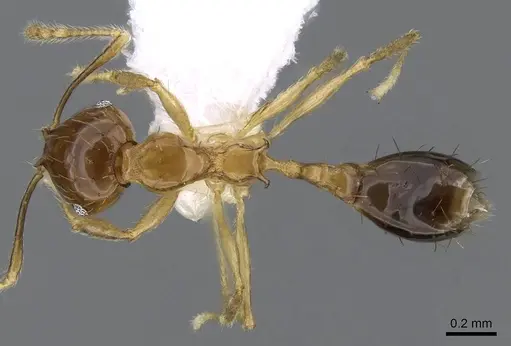
Literature
Loading distribution map...Loading products...