
Rasopone subcubitalis
- Sci. Name
- Rasopone subcubitalis
- Tribe
- Ponerini
- Subfamily
- Ponerinae
- Author
- Longino & Branstetter, 2020
- Distribution
- Found in 3 countries
Introduction
Rasopone subcubitalis is a small ponerine ant recently described in 2020,found across a limited Neotropical range from southern Mexico (Chiapas) through Guatemala to Honduras . Workers are small, with total body length estimated at 4-5 mm based on their head width of about 1.25 mm . They inhabit wet to moist cloud forests at elevations between 390 and 1400 meters, where they live in leaf litter and rotting wood on the forest floor . The species is characterized by distinctive features including striate mandibles, a truncate anterior clypeal margin, and a subcuboidal petiolar node . Only worker castes have been documented in scientific collections - no queens or males have been described, and all specimens come from sifted leaf litter samples using Winkler and Berlese extraction methods . This is the sister species to Rasopone mesoamericana .
Quick Summary
- Difficulty: Expert
- Origin & Habitat: Neotropical region, southern Mexico (Chiapas) through Guatemala to Honduras. Wet to moist cloud forest habitats at elevations of 390-1400 meters [1].
- Colony Type: Unknown, only workers have been collected. No queens, males, or colony structures have been documented in scientific literature. The colony type (monogyne/polygyne) is unconfirmed.
- Size & Growth:
- Queen: Unknown, queens have not been described in scientific literature
- Worker: Total length not directly measured, head width ~1.25 mm. Estimated body length 4-5 mm based on typical Rasopone proportions [1]
- Colony: Unknown, no colony data available
- Growth: Unknown
- Development: Unknown, no development data available. Based on typical Ponerinae patterns, rough estimate is 2-4 months at optimal temperature, but this is highly speculative. (No direct data exists. This is a genus-level estimate for a newly described species with no captive breeding records.)
- Antkeeping:
- Temperature: Based on their cloud forest habitat at 390-1400m elevation, they likely prefer cooler temperatures than typical tropical ants. Start around 20-24°C with a gradient and observe colony activity. Avoid overheating.
- Humidity: High humidity is essential, they come from wet cloud forest leaf litter. Keep the nest substrate consistently moist but not waterlogged. Provide a water reservoir and ensure good condensation control.
- Diapause: Unknown, no seasonal data available. Cloud forest species from this elevation may tolerate cooler conditions during winter months but this is unconfirmed.
- Nesting: In nature they are found in leaf litter and rotting wood on the forest floor. In captivity, a naturalistic setup with moist substrate, small chambers, and rotting wood or leaf litter material would be most appropriate. A small plaster or soil nest with fine chambers may work.
- Behavior: Behavior is unstudied in captivity. Based on their subfamily Ponerinae, they likely have a functional stinger and may be defensive when threatened. Ponerine ants typically hunt small prey and may have well-developed visual navigation. Their small size and leaf litter habitat suggest they are cryptic foragers. Escape prevention should be excellent given their tiny size, they can easily squeeze through standard barrier gaps.
- Common Issues: no captive breeding data exists, this is one of the least studied ant species in the hobby, queen and colony structure completely unknown, no information on how they establish colonies, extremely limited distribution data makes it difficult to determine appropriate care conditions, no documented diet preferences, must infer from related ponerine species, risk of wild-caught colonies having parasites or diseases that kill them in captivity
Species Discovery and Taxonomy
Rasopone subcubitalis was only recently described in 2020 by ant taxonomists John Longino and Michael Branstetter through their comprehensive phylogenetic study of the genus [1]. The species was identified from worker specimens collected using standard entomological methods, sifting leaf litter and extracting ants using Winkler and Berlese extractors. The type locality is in Honduras at Cerro Azul Meambar National Park, with paratypes from Guatemala and Mexico (Chiapas) [1]. The species name 'subcubitalis' refers to the subcuboidal (nearly cube-shaped) petiolar node, one of its distinguishing morphological features. It is the sister species to Rasopone mesoamericana, meaning they are each other's closest known relatives [1]. This relatively recent scientific description means fundamental biology including queen morphology, colony structure, and development remains completely unknown.
Natural Habitat and Distribution
This species is known from a relatively limited geographic range spanning southern Mexico through Guatemala to Honduras in Central America [1]. They inhabit wet to moist cloud forests at moderate to high elevations between 390 and 1400 meters above sea level [1]. Cloud forests are characterized by high humidity, frequent mist or fog, and relatively cool temperatures compared to lowland tropical rainforests. The elevation range suggests they prefer conditions that are moist and not too hot, likely avoiding the warmest lowland areas. All specimens have been collected from leaf litter samples, indicating they are ground-nesting ants that live in the moist decomposing material on the forest floor. This microhabitat provides consistent humidity and protection from temperature extremes. In captivity, replicating these conditions means maintaining high ambient humidity and keeping the nest in a relatively cool location away from direct heat sources.
Identification and Morphology
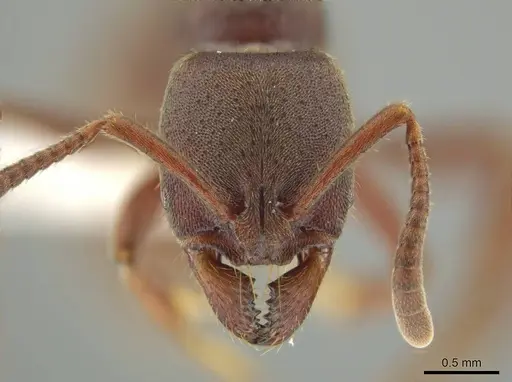
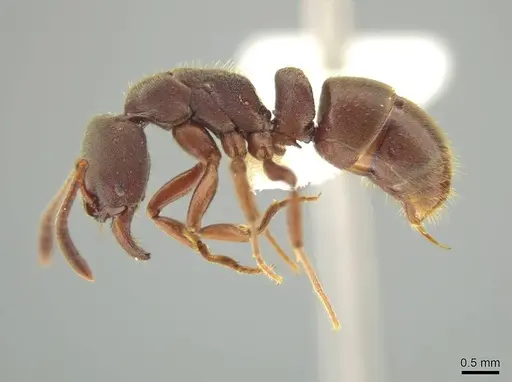
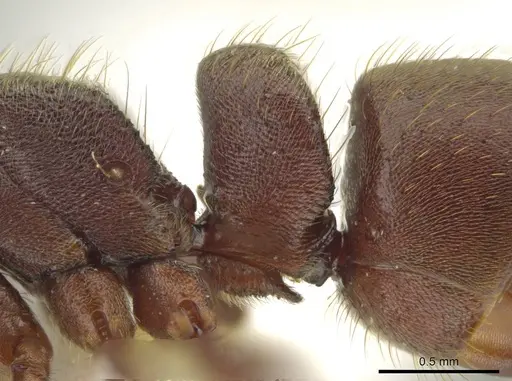
Workers of Rasopone subcubitalis are small, with head width approximately 1.25 mm (range 1.21-1.30 mm) [1]. Several morphological features distinguish them from other Rasopone species. The mandibles have striate (grooved) sculpture. The anterior clypeal margin is truncate (flattened, not rounded or pointed). The sides of the head have evenly distributed short erect setae (stiff hairs). The face sculpture consists of dense minute puncta (tiny pits) overlain with larger, more widely spaced puncta [1]. The petiolar node is subcuboidal, nearly cube-shaped when viewed from the side. These are relatively subtle identification features requiring examination under a microscope, which is why the species was only recently recognized as distinct. For antkeepers, the small size and typical ponerine body form are the most visible characteristics.
Housing and Nest Setup
Since this species has never been kept in captivity, all housing recommendations are based on inference from their natural habitat and related species. They are leaf litter dwellers from cloud forests, suggesting they need high humidity and a naturalistic setup with decomposing organic material. A small naturalistic terrarium with moist substrate (soil or sand mixed with rotting wood pieces and leaf litter) would best approximate their natural environment. The substrate should remain consistently damp but not waterlogged. Given their tiny size, escape prevention is critical, use fine mesh on any ventilation and ensure all connections are sealed. A small plaster or soil nest with appropriately sized chambers could also work if humidity is maintained. Avoid large open spaces, they prefer tight, confined areas similar to the leaf litter layer where they naturally occur. A water tube should be provided for drinking access.
Feeding and Diet
No specific dietary information exists for this species. As a Ponerine ant, they are likely predatory on small invertebrates, similar to most ants in this subfamily. In captivity, you should offer small live prey items appropriate to their tiny size, fruit flies, springtails, small mealworms, and other micro-arthropods would be appropriate. Ponerine ants typically hunt and subdue prey using their stingers. Given their small worker size, prey should be very small. Sugar sources (honey water, sugar water) may be accepted but this is uncertain, offer occasionally but do not rely on sugar as a primary food source. Feed small amounts of live prey every few days and remove any uneaten prey to prevent mold issues. The key is matching prey size to their tiny workers, anything larger than themselves would likely be ignored or too challenging to subdue.
Temperature and Humidity Requirements
Based on their cloud forest habitat at 390-1400m elevation, these ants likely prefer cooler, more humid conditions than typical tropical ants. Aim for temperatures in the range of 20-24°C, avoiding temperatures above 28°C. A temperature gradient allows the ants to choose their preferred zone. High humidity is essential, cloud forest environments are consistently moist. Keep the nest substrate consistently damp and consider using a water reservoir. Avoid both drying out and stagnant air, some ventilation is needed to prevent mold while maintaining humidity. If using a test tube setup, ensure the water chamber is appropriately sized to maintain humidity without flooding. Monitor for condensation buildup which can drown small colonies. The key is replicating the damp, cool conditions of their natural leaf litter habitat. [1]
Behavior and Temperament
Behavior in captivity has not been documented. Based on their subfamily Ponerinae, they likely have a functional stinger and may be defensive when the nest is disturbed. Ponerine ants are typically more aggressive and active hunters compared to many formicine or myrmicine species. Their small size and leaf litter habitat suggest they are cryptic foragers that search for prey in confined spaces. They likely forage individually or in small groups rather than forming large foraging trails. Workers probably have moderate to good vision for navigating their forest floor habitat. The small worker size means excellent escape prevention is essential, they can slip through tiny gaps that larger ants cannot. When working with this species, observe behavior carefully and adjust care based on colony responses, as no captive husbandry guidelines exist.
Frequently Asked Questions
How do I keep Rasopone subcubitalis ants?
Since this is a newly described species with no captive breeding records, there are no established care guidelines. Based on their cloud forest habitat, provide high humidity (80%+), moderate temperatures (20-24°C), and a naturalistic setup with moist substrate. Offer small live prey. This is an expert-level species requiring experience with newly described ants.
What do Rasopone subcubitalis eat?
Diet is unconfirmed but they likely prey on small invertebrates like other Ponerine ants. Feed tiny live prey such as fruit flies, springtails, and small mealworms. Sugar sources may be accepted but should not be the primary food. Match prey size to their tiny worker size.
How big do Rasopone subcubitalis colonies get?
Unknown, no colony size data exists. Only workers have been collected from leaf litter samples. Related Rasopone species may form colonies of dozens to a few hundred workers, but this is speculative for this species.
Do Rasopone subcubitalis ants sting?
As a member of the subfamily Ponerinae, they likely have a functional stinger. Ponerine ants typically use their stingers for prey subduction and defense. Use caution when handling or disturbing the nest.
Can beginners keep Rasopone subcubitalis?
No, this is an expert-level species. No captive breeding data exists, and fundamental biology (queen type, founding behavior, colony size) is completely unknown. This species is only recommended for experienced antkeepers who can work with uncertain conditions and adapt based on observation.
What is the ideal temperature for Rasopone subcubitalis?
Based on their cloud forest habitat at 390-1400m elevation, aim for 20-24°C. Avoid temperatures above 28°C. Provide a temperature gradient so the colony can self-regulate. They likely prefer cooler conditions than typical tropical ants.
Where is Rasopone subcubitalis found?
They are found in the Neotropics from southern Mexico (Chiapas) through Guatemala to Honduras, in wet to moist cloud forests at elevations between 390-1400 meters.
How long does it take for Rasopone subcubitalis to develop from egg to worker?
Unknown, no development data exists for this species. Based on typical Ponerine development patterns, it may take 2-4 months at optimal temperature, but this is a rough estimate with no direct evidence.
What type of colony does Rasopone subcubitalis have?
Unknown, only workers have been collected. No queens, males, or colony structures have been documented. The colony type (single queen or multiple queen) is completely unconfirmed.
Do Rasopone subcubitalis need hibernation?
Unknown, no seasonal data is available. As a cloud forest species from moderate elevation, they may tolerate cooler conditions during winter months but this is unconfirmed. Do not attempt hibernation without established protocols for this species.
Report an Issue
The current care sheet is based fully on literature. See inconsistencies, or something that's incorrect? Please , it will be resolved after review from an admin. Contributing to the blogs tab also helps providing information, to make us be able to further improve the caresheets. Thank you for your support!
References

This caresheet is licensed under CC BY-SA 4.0 .
Community Blogs
CASENT0615367
View on AntWeb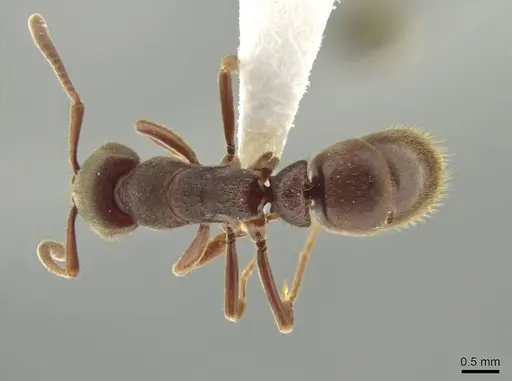
Literature
Loading distribution map...Loading products...