
Rasopone politognatha
- Sci. Name
- Rasopone politognatha
- Tribe
- Ponerini
- Subfamily
- Ponerinae
- Author
- Longino & Branstetter, 2020
- Distribution
- Found in 4 countries
Introduction
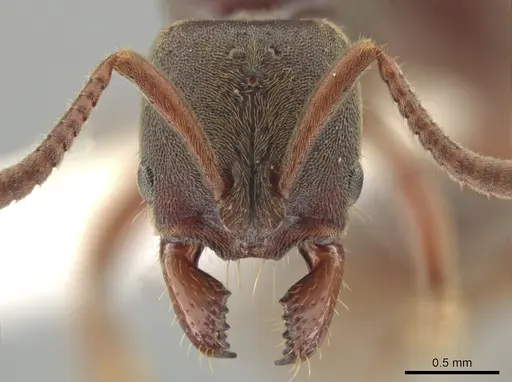
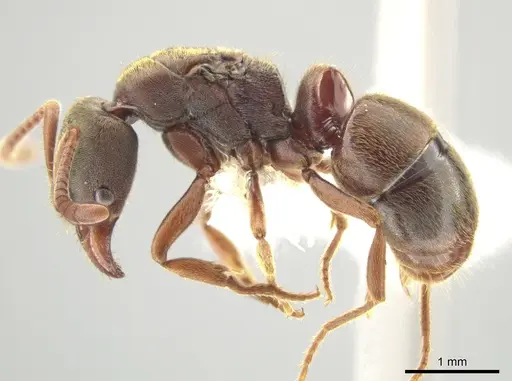
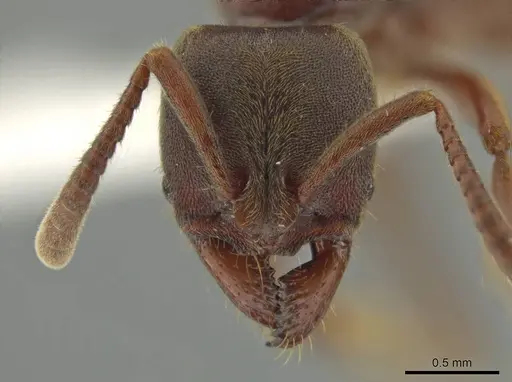
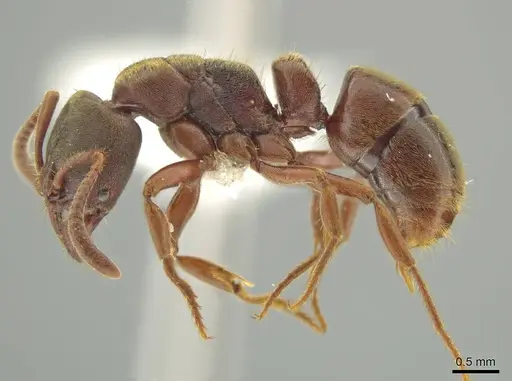
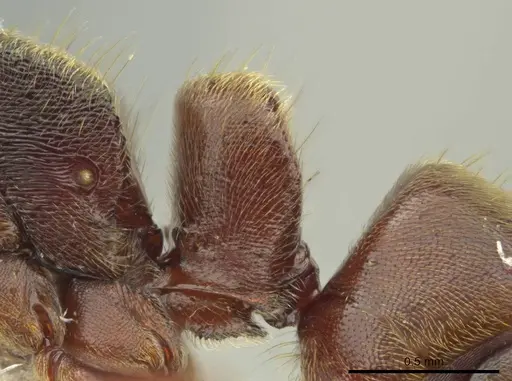
Rasopone politognatha is a small Ponerine ant from the cloud forests of Central America, ranging from southern Mexico to Nicaragua . The species was only formally described in 2020,making it a relatively new addition to ant research. They have smooth, shiny mandibles, a truncated front edge of the clypeus, and a weakly tapering petiolar node . These ants live in humid cloud forest leaf litter at elevations of 1200-1550 meters . As Ponerinae, they have a functional stinger and should be handled with care.
Quick Summary
- Difficulty: Medium
- Origin & Habitat: Cloud forests of Central America from Mexico (Chiapas) through Guatemala, Honduras, to Nicaragua, at elevations of 1200-1550 meters [1]. This is a cool, humid, montane forest environment.
- Colony Type: Colony structure is unconfirmed. All known specimens come from leaf litter extraction (Winkler and Berlese), suggesting a ground-nesting species that forages in the litter layer [1]. Only one dealate queen has been documented, so whether colonies are single-queen or multi-queen is unknown.
- Size & Growth:
- Queen: Size data unavailable. Only head width has been published, total body length is unconfirmed [1].
- Worker: Size data unavailable. Only head width has been published, total body length is unconfirmed [1].
- Colony: Unknown.
- Growth: Moderate (estimated based on typical Ponerine patterns).
- Development: Estimated 6-10 weeks at optimal temperature, based on typical Ponerine development. (Direct development data is unavailable for this species. Timeline is inferred from related ants.)
- Antkeeping:
- Temperature: Keep around 20-24°C. The cloud forest habitat at 1200-1550 meters suggests they prefer cooler conditions than typical tropical ants. Avoid temperatures above 26°C [1].
- Humidity: High humidity required. Cloud forest origin indicates they need consistently moist substrate, similar to other leaf-litter Ponerines. Keep substrate damp but not waterlogged [1].
- Diapause: Unknown. The high-elevation cloud forest habitat may experience seasonal temperature variations, but specific diapause needs have not been documented.
- Nesting: Natural nesting occurs in leaf litter and soil. In captivity, a naturalistic setup with moist substrate or a Y-tong/plaster nest with narrow chambers works well. They prefer tight, humid spaces scaled to their small size [1].
- Behavior: These are ground-dwelling ants that forage in leaf litter. As Ponerines, they have a functional stinger and may deliver a mild sting if provoked. They are likely predatory on small invertebrates. Their small size and ground-nesting habits mean escape prevention should be moderate, they are not strong climbers but can squeeze through tiny gaps. Activity level is typical for Ponerines: moderately active foragers in the substrate layer.
- Common Issues: limited availability, newly described species makes obtaining colonies difficult, high humidity requirements, mold can be a problem if ventilation is poor, temperature sensitivity, cold or heat stress if outside 18-26°C, stinging capability, handle with care despite small size, slow colony growth, may lead to impatience and overfeeding issues
Temperature and Care
Rasopone politognatha comes from cool cloud forests at 1200-1550 meters, so they prefer temperatures on the cooler side for a tropical ant. Aim for 20-24°C, avoiding cold drafts below 18°C and heat above 26°C. A heating cable on one side of the nest can create a gentle gradient, but ensure the ants can move to cooler areas. Room temperature in the low 20s°C is often ideal. If workers become sluggish or cluster tightly, the temperature may be too low, if they avoid the nest area, it may be too warm. Stable, moderate temperatures are key [1].
Humidity and Substrate
As a cloud forest species, these ants need high humidity. Keep the nest substrate consistently moist but never waterlogged. The substrate should feel damp, with some condensation visible on the nest sides. For test tube setups, ensure the water reservoir is adequate without risk of flooding. In naturalistic setups, mist regularly and monitor for drying. Good ventilation is essential to prevent mold while maintaining humidity, stagnant air causes problems, but excessive airflow dries the nest too quickly. Aim for humid, forest-floor conditions [1].
Feeding and Diet
Rasopone politognatha is likely predatory, feeding on small invertebrates found in leaf litter. Based on typical Ponerine feeding behavior, offer small live prey such as fruit flies, pinhead crickets, mealworms, and other appropriately sized insects. Protein should make up most of their diet. Sugar sources may be accepted occasionally, but Ponerines are less dependent on honeydew and sugar than some other ants. Feed small amounts every 2-3 days and remove uneaten prey promptly to prevent mold. Since their total length is unknown, match prey size to the ant's visible size, very small insects are ideal.
Nesting Preferences
In the wild, Rasopone politognatha lives in the leaf litter layer of cloud forests, as shown by their collection via Winkler and Berlese sampling [1]. They are ground-nesting and likely prefer tight, humid chambers in soil or rotting wood. In captivity, a naturalistic setup with moist substrate and hiding spots works well. Y-tong (AAC) nests or plaster nests with narrow chambers can also work, provided humidity is maintained. Avoid tall, open spaces, these are small ants that prefer confined spaces similar to their natural leaf litter habitat. A dark, quiet location is essential [1].
Behavior and Temperament
As Ponerinae ants, Rasopone politognatha has a functional stinger. Their small size means the sting is mild, but you should handle them with care and avoid provoking them. They are ground-dwelling foragers that hunt through leaf litter, so they are not strong climbers and are unlikely to escape from smooth-walled nests. However, their small size means they can squeeze through tiny gaps, use appropriate barriers if needed. Colonies are likely moderately defensive, typical of Ponerines, but not unusually aggressive. They probably maintain smaller territories compared to more aggressive tropical ants.
Colony Establishment
Since this species was only described in 2020,captive colonies are extremely rare. If you obtain a founding queen, she should be kept in a claustral setup (sealed in a dark chamber) until her first workers emerge, based on typical Ponerine founding behavior. A test tube setup with a water reservoir works well. Do not disturb the queen during founding, stress can cause her to abandon or eat her brood. Once workers emerge (nanitics will be smaller than normal workers), you can begin offering small prey items. Growth is likely slow initially, as with most Ponerines, so patience is essential. Colonies may take months to reach their first batch of workers and years to reach larger sizes.
Frequently Asked Questions
How long does it take for Rasopone politognatha to produce first workers?
The exact timeline is unconfirmed, but based on typical Ponerine development, expect 6-10 weeks from egg to first worker at optimal temperature (around 20-24°C). The first workers (nanitics) will be smaller than mature workers. Patience is essential, Ponerines typically grow more slowly than many common ant species.
What temperature do Rasopone politognatha need?
Keep them at 20-24°C. This species comes from cool cloud forests at 1200-1550 meters, so they prefer cooler temperatures for a tropical ant. Avoid temperatures above 26°C or below 18°C. Room temperature in the low 20s is often ideal [1].
Are Rasopone politognatha good for beginners?
Probably not ideal for beginners. This is a newly described species (2020) with limited information, and they have specific humidity and temperature requirements from their cloud forest habitat. They also require more patience than faster-growing species. However, experienced antkeepers who can provide cool, humid conditions should find them manageable.
How big do Rasopone politognatha colonies get?
Colony size is unconfirmed for this species. Based on related Ponerines, colonies may reach several hundred workers over several years, but this is speculative. Their leaf-litter foraging habits suggest smaller, more dispersed colony structures.
What do Rasopone politognatha eat?
They are likely predatory on small invertebrates, typical of Ponerines. Feed small live prey such as fruit flies, small crickets, mealworms, and other tiny insects. Protein should be the primary food source. Sugar water or honey may be accepted occasionally but is not a primary dietary need.
Do Rasopone politognatha need hibernation?
Diapause requirements are unknown. The high-elevation cloud forest habitat does experience seasonal temperature changes, but the specific overwintering needs of this species have not been documented. If kept at stable room temperature year-round, they likely will not require a dedicated hibernation period.
Can I keep multiple Rasopone politognatha queens together?
This is unknown. Only a single dealate queen has been documented in scientific collections, and colony structure (monogyne vs polygyne) has not been studied. Until more information is available, it is not recommended to combine unrelated queens, as aggression is likely [1].
What is the best nest type for Rasopone politognatha?
A naturalistic setup with moist substrate or a Y-tong/plaster nest with narrow chambers works well. They prefer tight, humid chambers scaled to their small size. Avoid tall, open spaces, these are leaf-litter ants that thrive in confined, dark spaces with high humidity.
Where is Rasopone politognatha found in the wild?
They live in cloud forests from southern Mexico (Chiapas) through Guatemala and Honduras to Nicaragua, at elevations between 1200-1550 meters. All specimens have been collected from leaf litter using Winkler and Berlese extraction methods [1].
Report an Issue
The current care sheet is based fully on literature. See inconsistencies, or something that's incorrect? Please , it will be resolved after review from an admin. Contributing to the blogs tab also helps providing information, to make us be able to further improve the caresheets. Thank you for your support!
References

This caresheet is licensed under CC BY-SA 4.0 .
Community Blogs
CASENT0612518
View on AntWeb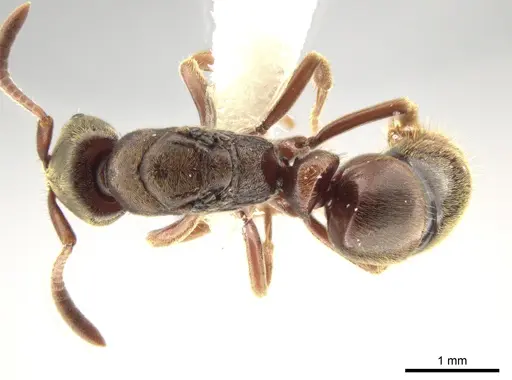
CASENT0612523
View on AntWeb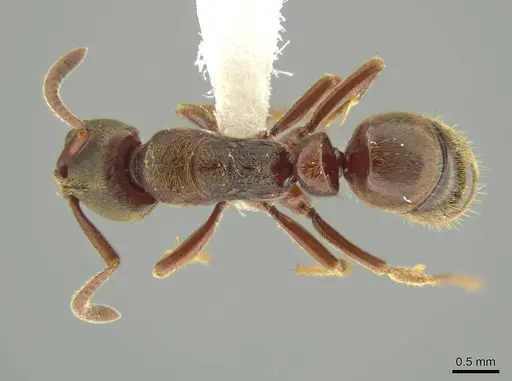
Literature
Loading distribution map...Loading products...