
Rasopone mesoamericana
- Sci. Name
- Rasopone mesoamericana
- Tribe
- Ponerini
- Subfamily
- Ponerinae
- Author
- Longino & Branstetter, 2020
- Distribution
- Found in 4 countries
Introduction
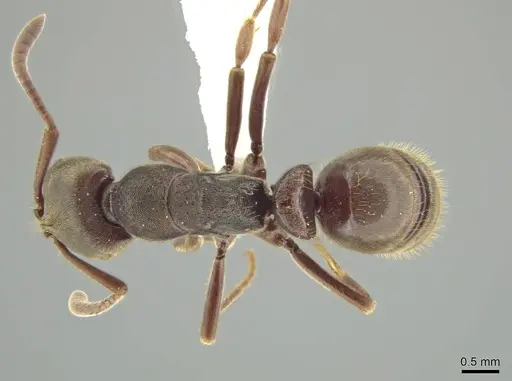
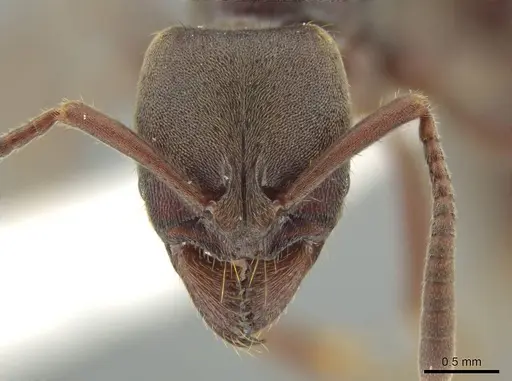
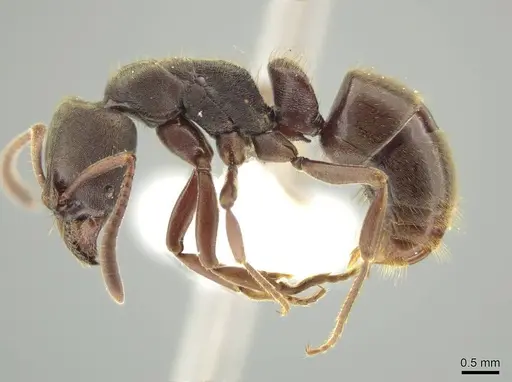
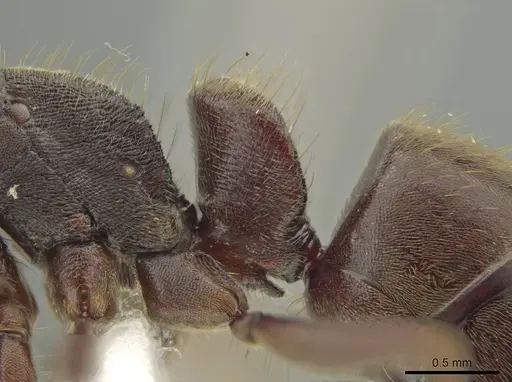
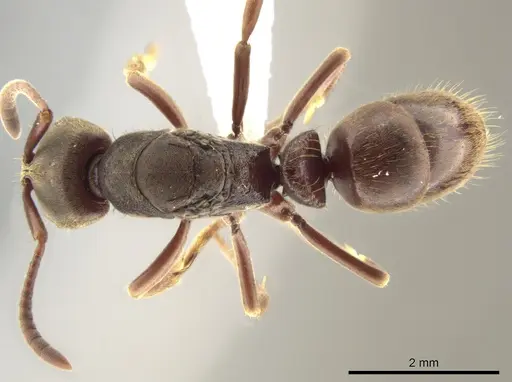
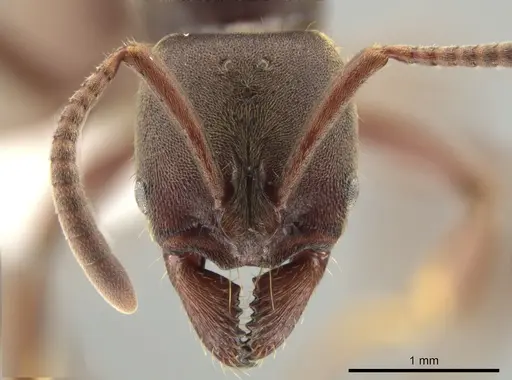
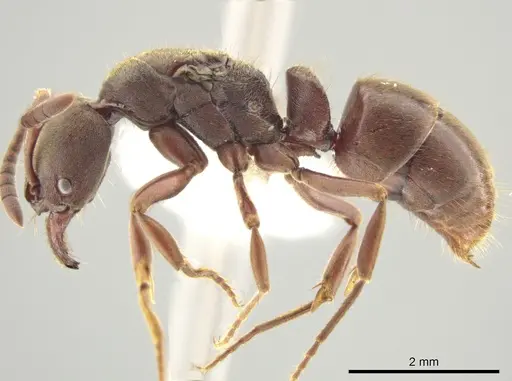
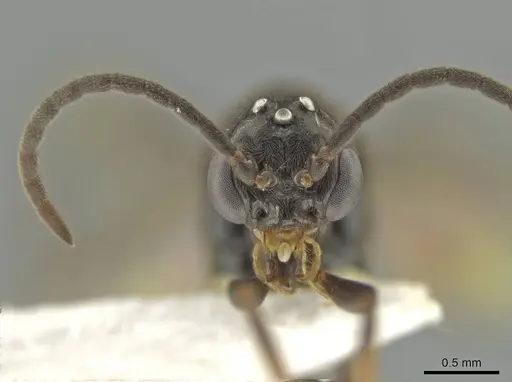
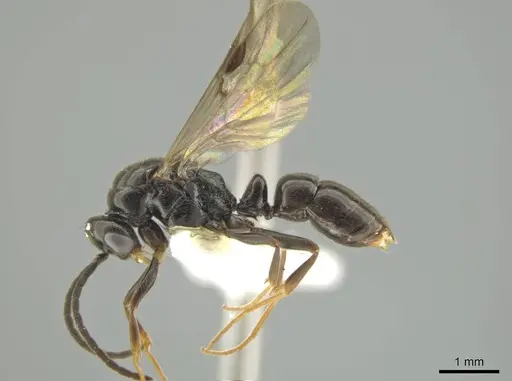
Rasopone mesoamericana is a medium-sized ponerine ant from the Neotropics, ranging from southern Mexico to Costa Rica. Workers are moderately abundant in forest floor litter samples, and have a distinctive appearance: their petiolar node is scale-like and asymmetrical, and the face has dense minute puncta overlain with larger puncta . These ants live in wet cloud forest habitats at elevations of 310-1750 m . The species was formally described in 2020,making it a recent addition to the antkeeping hobby. Like other Ponerinae, they have a functional stinger and are active predators on the forest floor.
Quick Summary
- Difficulty: Hard
- Origin & Habitat: Mexico (Chiapas) through Guatemala, Honduras, Nicaragua to Costa Rica. They live in wet forest habitats, mostly cloud forest, at elevations of 310-1750 m [1].
- Colony Type: Colony structure is unconfirmed. Dealate (winged, mated) queens have been occasionally collected in Winkler samples, but whether colonies are monogyne or polygyne is unknown [1].
- Size & Growth:
- Queen: Size data unavailable, only head width measurements exist, which do not represent total body length.
- Worker: Size data unavailable, only head width measurements exist, which do not represent total body length.
- Colony: Unknown, no colony size data is available. Workers are moderately abundant in litter samples [1].
- Growth: Moderate, inferred from typical Ponerinae patterns.
- Development: Unconfirmed, no data available for this species. (Development time is unknown. Ponerine ants generally develop slower than many common hobby species due to their claustral founding strategy, but this has not been documented for Rasopone mesoamericana.)
- Antkeeping:
- Temperature: Keep at 22-26 °C. Based on their cloud forest habitat at elevation, they prefer cooler conditions than typical tropical ants. Avoid temperatures above 28 °C, they are adapted to moderate conditions [1].
- Humidity: Keep the nest substrate consistently moist but not waterlogged. Provide a gradient from damp to slightly drier areas so the ants can self-regulate.
- Diapause: Unknown, no data on overwintering requirements. As a Neotropical species from higher elevations, they may not need true hibernation, but no specific recommendations can be made.
- Nesting: In nature they live in leaf litter and soil on the forest floor. In captivity, use a naturalistic setup with moist substrate in a plaster or Y‑tong nest. Avoid open spaces, they prefer tight, enclosed chambers.
- Behavior: Rasopone mesoamericana is a predatory Ponerinae ant with a functional stinger. Foragers are active in leaf litter and are occasionally collected at baits, suggesting they will accept small prey items [1]. They are likely more defensive than common hobby ants due to their stinger. Escape risk is moderate, they are not tiny but can fit through small gaps, so secure your setup. Activity is typical for large Ponerinae: active hunters rather than constant foragers.
- Common Issues: high humidity needs can cause mold if ventilation is poor, ensure good airflow., predatory diet requires constant access to live small prey, not suitable for keepers who want easy feeding., stinger means they can deliver painful defensive stings, handle with care and avoid disturbing the colony., limited data on founding behaviour, new species may have higher failure rates in captivity.
Housing and Nest Preferences
Rasopone mesoamericana naturally lives in wet cloud forest leaf litter and soil at elevations from 310 to 1750 m [1]. In captivity, set up a naturalistic enclosure with moist substrate that mimics their forest floor habitat. A plaster or Y‑tong nest with tight, enclosed chambers works well. Avoid dry conditions, they need consistently damp environments. Connect a water reservoir to the nest to maintain humidity without flooding. A test tube setup can work for founding colonies if kept humid, but plan to move them to a more elaborate nest as the colony grows.
Feeding and Diet
As a Ponerinae ant, Rasopone mesoamericana is predatory and hunts small invertebrates. Workers have been occasionally collected at baits in the wild, suggesting they can be recruited to food sources [1]. In captivity, offer live prey such as fruit flies, pinhead crickets, small mealworms, and other appropriately-sized arthropods. Prey should be small enough for the workers to subdue. Feed every 2-3 days and remove uneaten prey to prevent mold. Sugar sources like honey or sugar water may be accepted occasionally but should not be the primary food, this species is primarily predatory.
Temperature and Seasonal Care
Based on their cloud forest habitat at elevation, Rasopone mesoamericana prefers cooler temperatures than typical tropical ants. Keep the nest at 22-26 °C and avoid temperatures above 28 °C, which could stress them [1]. Provide a gentle temperature gradient so the ants can self-regulate. No data exists on diapause requirements for this species. As a Neotropical species from higher elevations, they likely do not require true hibernation, but a slight cooling period during winter months (dropping to 18-20 °C for 2-3 months) may benefit colony health, though this is speculative.
Behavior and Defense
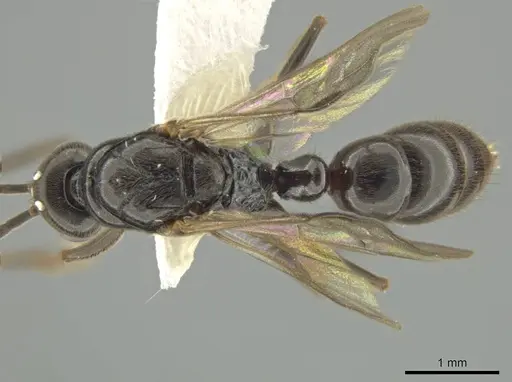
Rasopone mesoamericana is a Ponerinae ant, meaning they have a functional stinger. They will use it defensively if threatened or handled roughly. While not aggressive, their sting is painful for an ant of their size. Workers are moderately active foragers in leaf litter, as shown by Winkler samples [1]. Males have been collected in Malaise traps, confirming winged reproductive castes [1]. Colony structure appears to follow typical Ponerinae patterns with a single queen, though this has not been directly confirmed. They show patient hunting behaviour rather than mass recruitment to food sources.
Colony Development and Growth
This species was only formally described in 2020,so there is very limited captive care data [1]. Queens are similar in size to workers (only head width measurements are available, which do not represent total body length). Dealate queens occasionally found in Winkler samples suggest claustral founding in enclosed chambers, but this is unconfirmed [1]. Development time from egg to worker is unknown for this species. Based on typical Ponerinae patterns, founding colonies may take several weeks to raise the first workers. Grow slowly, not as fast as many Myrmicinae. Be patient with founding colonies, as Ponerinae often have higher initial failure rates.
Frequently Asked Questions
Are Rasopone mesoamericana ants good for beginners?
No, Rasopone mesoamericana is not ideal for beginners. This is a newly described species (2020) with limited captive care data. They require high humidity, a predatory diet of live prey, and moderate temperatures. They also possess a functional stinger. Beginners should start with well-documented species like Lasius niger or Camponotus.
What do Rasopone mesoamericana ants eat?
Rasopone mesoamericana is predatory and needs live small invertebrates. Offer fruit flies, small crickets, mealworms, and other appropriately-sized arthropods. Feed every 2-3 days, removing uneaten prey. They may occasionally accept sugar sources but these should not be the primary food. This species requires dedicated live prey feeding.
How long does it take for Rasopone mesoamericana to raise first workers?
Exact development time is unconfirmed for this species. Based on typical Ponerinae development patterns, estimate 8-12 weeks from egg to first worker at optimal temperatures (22-26 °C). Ponerine ants typically develop slower than many common hobby species due to their claustral founding strategy. Be patient with founding colonies.
What temperature do Rasopone mesoamericana ants need?
Keep Rasopone mesoamericana at 22-26 °C. They come from cloud forest habitats at elevation, so they prefer cooler conditions than typical tropical ants. Avoid temperatures above 28 °C. A gentle temperature gradient allows the colony to self-regulate [1].
How big do Rasopone mesoamericana colonies get?
Colony size data is not available for Rasopone mesoamericana. Workers are moderately abundant in litter samples, suggesting medium-sized colonies in the wild, but no specific numbers have been recorded [1]. In captivity, expect moderate growth over time rather than the large colonies seen in species like Formica or Lasius.
Can I keep multiple Rasopone mesoamericana queens together?
Colony structure is unconfirmed for this species. Ponerinae typically form single-queen colonies, but combining unrelated queens has not been documented. Do not attempt pleometrosis (multiple queen founding) without data specific to this species. If you obtain multiple foundresses, house them separately.
Do Rasopone mesoamericana need hibernation?
Diapause requirements are unknown for this species. As a Neotropical species from higher elevations (310-1750 m), they may not require true hibernation but could benefit from a slight cooling period. No specific hibernation protocol exists.
When will Rasopone mesoamericana be available in the antkeeping hobby?
Rasopone mesoamericana was only formally described in 2020,so it is one of the newest species in the hobby [1]. Availability is likely very limited as captive breeding colonies are just starting to be established. Expect limited availability for the near future.
What makes Rasopone mesoamericana different from other ants?
Rasopone mesoamericana was only recently recognized as a distinct species in 2020,separated from its sister species R. subcubitalis [1]. They have a distinctive scale-like petiolar node that is more asymmetrical than related species. Their cloud forest habitat at elevation makes them unusual among Neotropical ants, as they prefer cooler, wetter conditions than typical tropical species.
Report an Issue
The current care sheet is based fully on literature. See inconsistencies, or something that's incorrect? Please , it will be resolved after review from an admin. Contributing to the blogs tab also helps providing information, to make us be able to further improve the caresheets. Thank you for your support!
References

This caresheet is licensed under CC BY-SA 4.0 .
Community Blogs
Literature
Loading distribution map...Loading products...