
Rasopone ferruginea
- Sci. Name
- Rasopone ferruginea
- Tribe
- Ponerini
- Subfamily
- Ponerinae
- Author
- Smith, 1858
- Distribution
- Found in 9 countries
Introduction
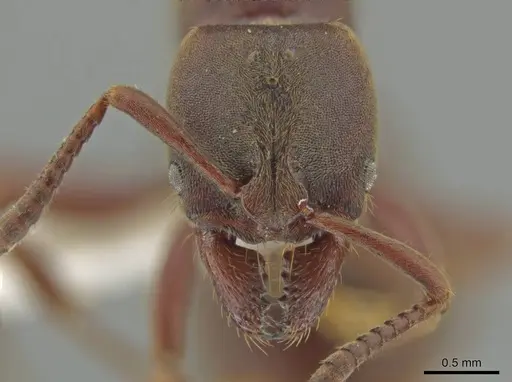
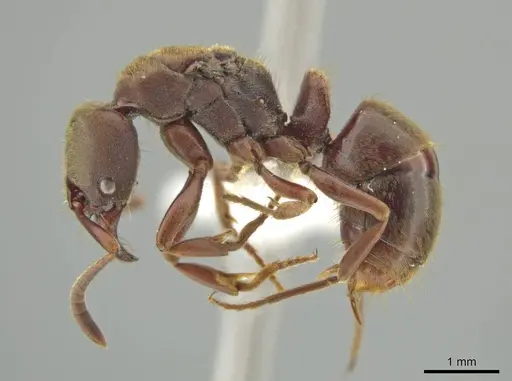
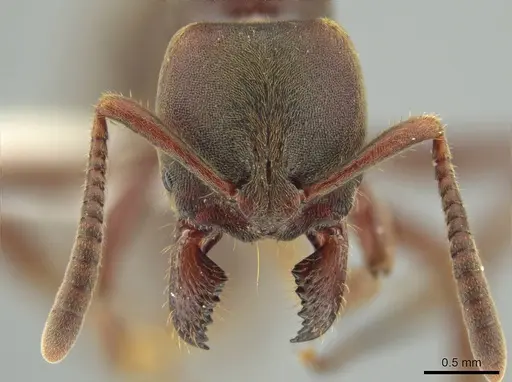
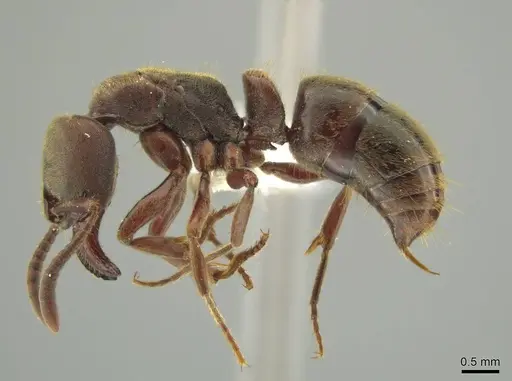
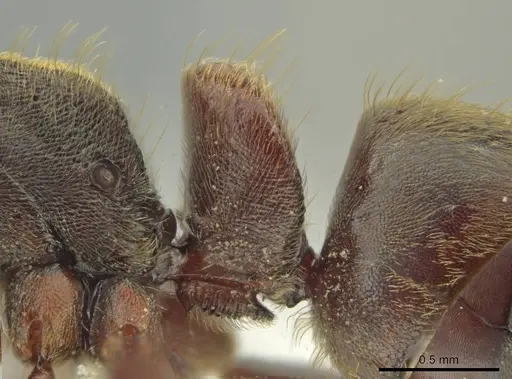
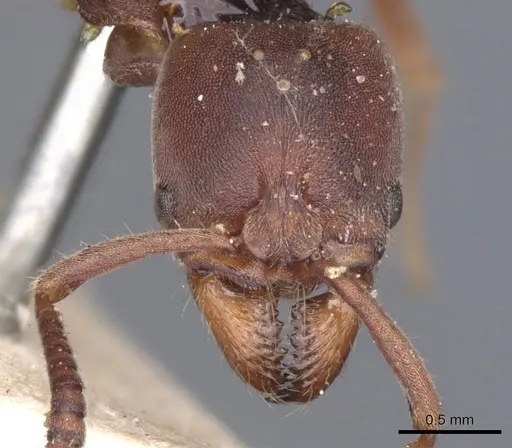
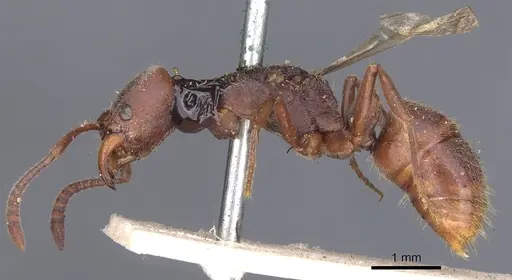
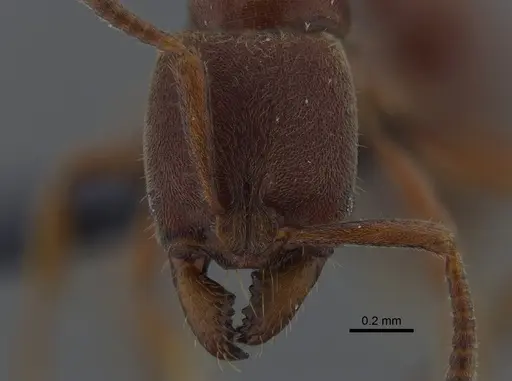
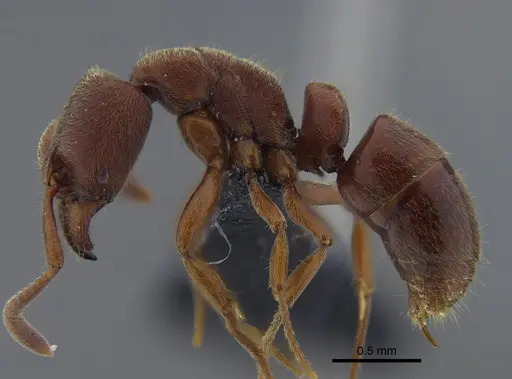
Rasopone ferruginea is a small, reddish-brown ponerine ant found in Neotropical forests from Mexico to Brazil. Workers measure roughly 6 mm in total length, with a distinctive rusty ferrugineous color, finely striated mandibles, and a unique petiole that tapers to a scale-like node . This cryptic ground-dweller lives in wet forest leaf litter and soil, nesting under stones in clay, in rotten wood, or within bamboo litter . It was previously classified as *Pachycondyla ferruginea* and belongs to the *ferruginea* species complex, making identification tricky without close inspection of the petiole shape and number of mandibular teeth .
Quick Summary
- Difficulty: Medium
- Origin & Habitat: Neotropical rainforests and cloud forests from Mexico (Tamaulipas) to Brazil, at elevations from 180 to 2150 m [1][3]. It lives in leaf litter, under stones in clay soil, and inside rotten wood in wet forest habitats.
- Colony Type: Colony structure is unconfirmed. Single dealate queens have been found under stones in the wild, but whether colonies are monogyne or polygyne has not been documented in scientific literature.
- Size & Growth:
- Queen: ~6 mm total length [2]
- Worker: ~6 mm total length [2]
- Colony: Unknown – only 1–3 individuals per sample in litter surveys [4][5], mature colony size has not been formally documented.
- Growth: Moderate – inferred from typical Ponerinae development patterns.
- Development: Estimated 6–10 weeks at tropical temperatures (24–28 °C) based on related small ponerine species. (Direct development data is unavailable for this species, the estimate is based on genus- and subfamily-level patterns.)
- Antkeeping:
- Temperature: Keep at 24–28 °C. Use a heating cable on one side of the nest to create a gradient. Avoid extended drops below 22 °C.
- Humidity: High – think damp rainforest floor. Keep the nest substrate consistently moist but not waterlogged. Provide a water tube for drinking.
- Diapause: No – this tropical species does not hibernate. Maintain warm temperatures year-round.
- Nesting: In nature they nest under stones in clay soil, in leaf litter, and in rotten wood [2]. In captivity, a naturalistic setup with moist substrate (e.g., a dirt-filled formicarium or plaster nest with a moisture chamber) works well. They prefer dark, enclosed spaces.
- Behavior: These are cryptic, secretive ants that forage alone in leaf litter and soil. They are generalist predators and also scavenge carrion [2]. Like all Ponerinae, they have a functional stinger and can deliver a painful sting if provoked, but they are not aggressive and tend to flee. Since they are medium-sized (~6 mm), standard escape prevention is sufficient.
- Common Issues: high humidity needs make mold a risk – ensure good ventilation while keeping the nest moist., tropical species may struggle if temperatures stay below 22 °C for long., colony growth is slow and establishment requires patience, wild-caught colonies may have parasites or stress., cryptic behavior means you may see little activity – this is normal for the species.
Housing and Nest Setup
Rasopone ferruginea does well in naturalistic setups that mimic its leaf-litter habitat. A formicarium filled with moist soil or a plaster nest with a moisture chamber works well. They like dark, enclosed spaces and will use chambers and tunnels readily. Because they are cryptic foragers, you may not see them out in the open much – that is normal. Provide a generous outworld with leaf litter and moist substrate for foraging. Use a test tube for founding colonies, then upgrade to a larger setup as the colony grows. Standard escape prevention is fine, these ants can climb smooth surfaces but are not particularly escape-prone. [2]
Feeding and Diet
In the wild, these ants are generalist predators of small invertebrates in leaf litter and also scavenge carrion [6][2]. In captivity, offer small live prey like fruit flies, pinhead crickets, and small mealworms. They will likely accept protein-rich foods readily. Sugar sources are not a primary food – these are predatory ants. Feed every 2–3 days, adjusting for colony size, and remove uneaten prey after 24 hours to prevent mold.
Temperature and Humidity
As tropical forest ants, they need warm temperatures around 24–28 °C and high humidity – conditions that match their native wet forest habitat. Use a heating cable on one side of the nest to create a gradient if your room is cooler. Keep the nest substrate consistently moist, like squeezed-out sponge. Provide a water tube for drinking. Do not let temperatures drop below 22 °C for long. They do not need winter cooling. [1]
Behavior and Temperament
Rasopone ferruginea is a cryptic, secretive species that stays mostly in soil and leaf litter. Workers are solitary foragers and are not aggressive – they flee rather than fight. However, they have a functional stinger and can sting painfully if handled carelessly or if the nest is disturbed. They are most active at night, matching field observations of workers collected by hand after dark [1]. In captivity, activity levels may be low, that is simply their nature. They are not display ants, but it is fascinating to watch their methodical hunting.
Colony Establishment
Starting a colony from a wild-caught queen is the most common approach. A dealate queen was found under a stone in the wild [2], but the exact founding behavior (claustral or semi-claustral) is unknown. Since it is not documented, you may offer small prey items occasionally in case she needs to forage, but this is speculative. Based on litter samples, colony growth appears slow – you will need patience. The first workers (nanitics) may appear after several months. Mature colony size is unknown, but likely small.
Field Collection and Legal Considerations
If collecting from the wild, this species is found across Central America and northern South America in wet forests. It is usually collected with Winkler extractors from leaf litter, pitfall traps, or by hand at night [1]. Always check local regulations – many countries require permits. Never release captive colonies into non-native areas. This species is not known to be invasive, but release is still risky and irresponsible.
Genetics and Karyotype
The karyotype of R. ferruginea has been studied: the diploid chromosome number is 2n = 38,with a haploid number of n = 19. The karyotype comprises 16 metacentric and 22 acrocentric chromosomes [7].
Frequently Asked Questions
How long does it take for Rasopone ferruginea to raise first workers?
Exact timing is unconfirmed, but based on typical Ponerinae development, expect 6–10 weeks from egg to worker at optimal temperatures (24–28 °C). The founding phase requires patience – queens may take several months to produce their first workers.
What do Rasopone ferruginea eat?
They are generalist predators that hunt small invertebrates in leaf litter and also scavenge carrion [6][2]. In captivity, offer small live prey like fruit flies, pinhead crickets, and small mealworms.
Are Rasopone ferruginea good for beginners?
This species is rated as Medium difficulty. It has specific humidity and temperature needs, cryptic behavior, and slow colony growth, so it is better suited for keepers with some experience.
How big do Rasopone ferruginea colonies get?
Colony size is not well documented. Litter surveys typically find only 1–3 workers per sample [4][5], so colonies are likely small – probably up to a few dozen workers. They are not supercolony-forming ants.
Do Rasopone ferruginea need hibernation?
No, they do not hibernate. This tropical species needs warm temperatures (24–28 °C) year-round.
Can I keep multiple Rasopone ferruginea queens together?
The colony structure is unconfirmed – we do not know if they are monogyne or polygyne. Single dealate queens have been found under stones, suggesting founding happens with one queen. Combining unrelated queens is not recommended without documented evidence of pleometrosis.
What is the best nest type for Rasopone ferruginea?
A naturalistic setup with moist soil or a plaster nest with a moisture chamber works well. They prefer dark, enclosed spaces. Test tubes work for founding, but upgrade as the colony grows. Provide an outworld with leaf litter for foraging.
Why can't I find much information about keeping Rasopone ferruginea?
This species is poorly known in both science and the hobby. It is cryptic, rarely collected in large numbers, and most antkeeping knowledge comes from hobbyist observation rather than captive breeding records [8].
Where does Rasopone ferruginea live in the wild?
They inhabit wet forests from Mexico to Brazil, at elevations from 180 to 2150 m. They live in leaf litter, under stones in clay soil, and inside rotten wood in rainforests and cloud forests [1][3][2].
Report an Issue
The current care sheet is based fully on literature. See inconsistencies, or something that's incorrect? Please , it will be resolved after review from an admin. Contributing to the blogs tab also helps providing information, to make us be able to further improve the caresheets. Thank you for your support!
References

This caresheet is licensed under CC BY-SA 4.0 .
Community Blogs
CASENT0624181
View on AntWeb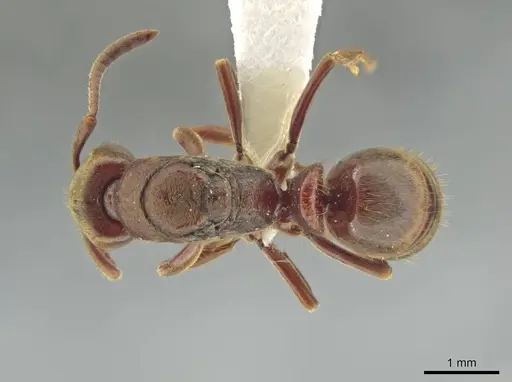
CASENT0644264
View on AntWeb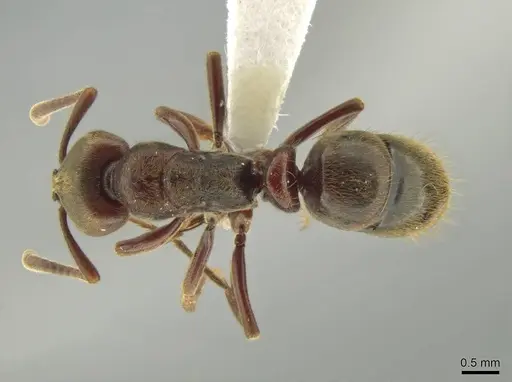
CASENT0902518
View on AntWeb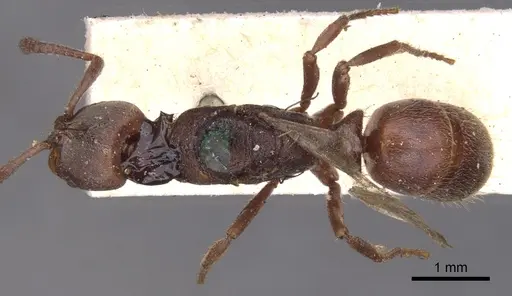
CBUMAGENT41709
View on AntWeb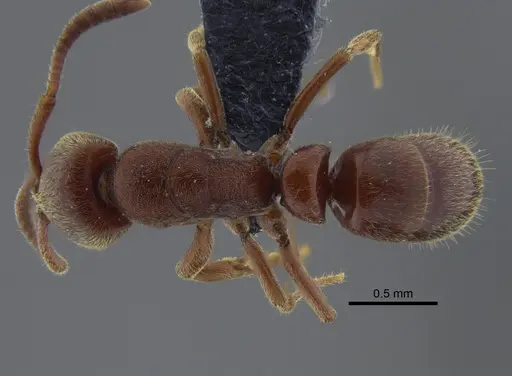
Literature
Loading distribution map...Loading products...