
Pseudoneoponera sublaevis
- Sci. Name
- Pseudoneoponera sublaevis
- Tribe
- Ponerini
- Subfamily
- Ponerinae
- Author
- Emery, 1887
- Distribution
- Found in 1 countries
Introduction
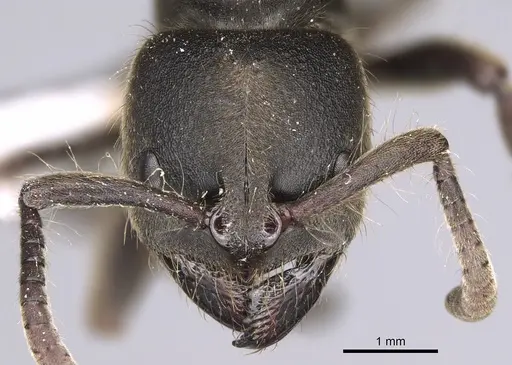
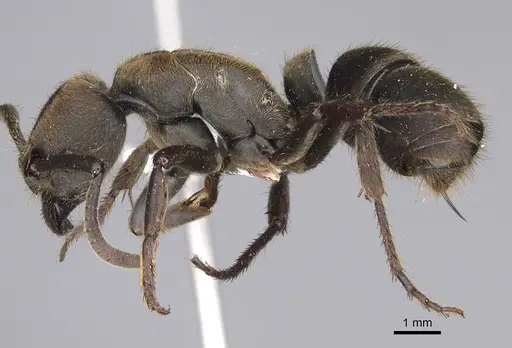
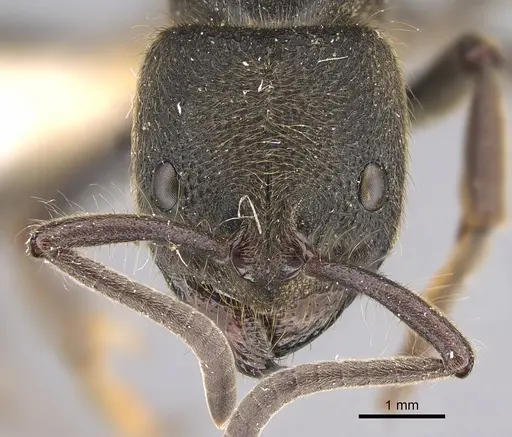
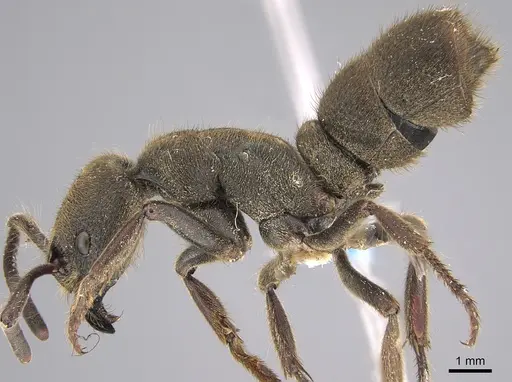
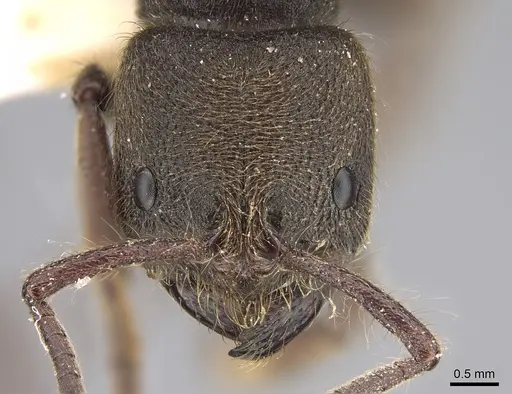
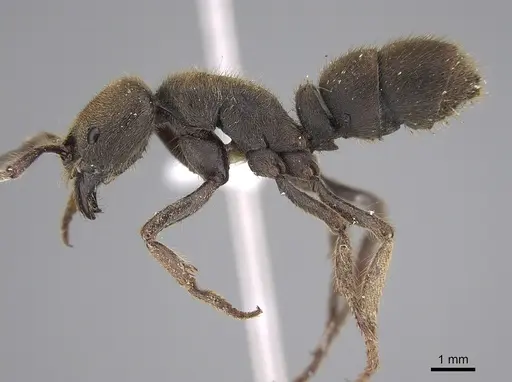
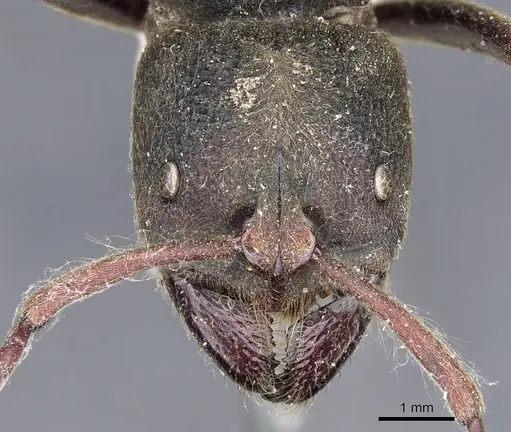
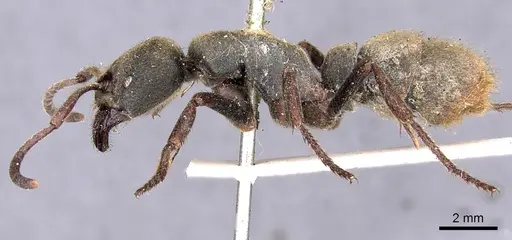
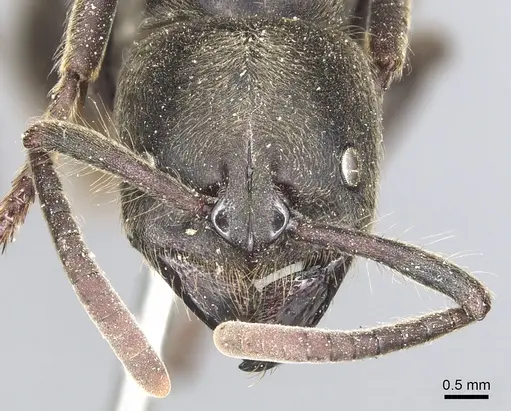
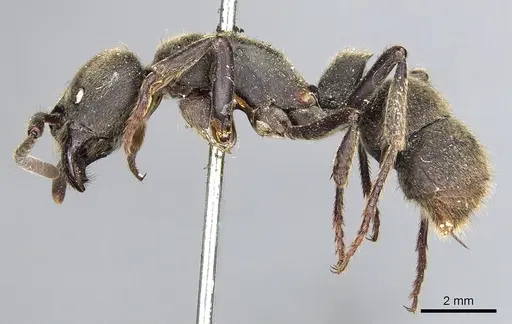
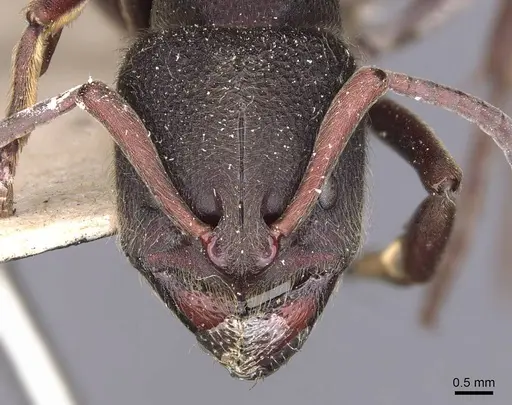
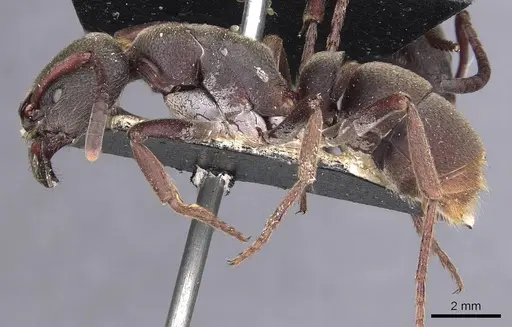
Pseudoneoponera sublaevis is a large, dark ant native to the eucalyptus forests of Queensland, Australia. Workers measure 14-15mm and have a piceous (dark brown to black) body with reddish highlights on the antennae, tarsi, and abdominal tip. The body is densely punctured and covered with short, fine pubescence, giving a matte appearance . Unlike most ants, this species has no winged queens – instead, reproduction is done by a gamergate, a mated worker that becomes the sole reproductive . Colonies are extremely small, averaging about 9 workers and rarely exceeding 18 . The colony operates through a strict linear dominance hierarchy, with younger workers ranking higher and competing to become the gamergate . This queenless system offers a unique look into complex social dynamics on a miniature scale.
Quick Summary
- Difficulty: Medium
- Origin & Habitat: Queensland, Australia – eucalyptus forests [4]
- Colony Type: Queenless – colonies consist of 2-18 adult females (workers), but only one mated worker (gamergate) reproduces [3]. This is a functionally monogynous system.
- Size & Growth:
- Queen: Winged queens are absent – reproduction via gamergates [4]
- Worker: 14-15mm [1]
- Colony: Average 9±2.5 workers, maximum around 18 [4][3]
- Growth: Slow
- Development: Unknown – no specific data. Based on related Ponerinae, possibly 2-4 months at optimal temperature. (Growth is inherently limited by the small maximum colony size and that only the gamergate lays eggs.)
- Antkeeping:
- Temperature: Aim for 22-26°C (inferred from its warm forest habitat). Provide a gentle gradient.
- Humidity: Moderate to high – keep the substrate consistently damp but not waterlogged (inferred from forest floor conditions).
- Diapause: Unknown – no documented diapause. Activity may drop in cooler months, but it is not required.
- Nesting: In nature, nests in soil or under stones. In captivity, a small test tube setup or compact formicarium with soil substrate works well. Avoid large spaces.
- Behavior: These ants are defensive and have a functional stinger (Ponerinae subfamily). They will sting if threatened. Inside the colony, a strict linear dominance hierarchy exists: the top-ranked gamergate reproduces, while lower-ranked (usually older) workers forage [3][6]. Younger workers rank higher and can take over if the gamergate dies or the colony splits [3]. Their 14mm size makes escape prevention easier, but still seal all gaps.
- Common Issues: losing the gamergate can end the colony – there is no queen to fall back on., small colony size makes them vulnerable to stress or accidents., slow growth and tiny colony may not satisfy keepers expecting rapid expansion., sting risk – handle with care, especially during maintenance., limited brood production from the single reproductive worker.
Housing and Nest Setup
Because colonies stay under 20 workers, Pseudoneoponera sublaevis does not need large setups. A small test tube works for founding and for colonies up to about 10 workers. For larger groups, a compact formicarium with small chambers is ideal. In the wild they nest in soil or under stones [4], so a substrate-based nest (e.g., plaster nest with soil or a naturalistic setup) feels familiar. Always keep the space snug – these ants become stressed in overly large enclosures.
Feeding and Diet
As Ponerinae predators, they will hunt small live prey. Offer fruit flies, pinhead crickets, or other tiny arthropods. Sugar sources (e.g., diluted honey) may be taken occasionally, but protein-rich live foods should be the staple. Adjust portions to their small colony size – offer prey that can be consumed within 1-2 days to avoid mold. Feed every 2-3 days.
Temperature and Seasonal Care
Keep temperatures stable between 22-26°C. Although no exact data exists for this species, it comes from warm Queensland forests, so this range is a safe bet. If your room drops below 20°C, use a heating cable on one side of the nest to create a gradient. Avoid sudden spikes or drops. No known diapause is required, but activity may decrease during cooler months. [4]
The Queenless Gamergate System
This is the most distinctive feature of Pseudoneoponera sublaevis. There are no queens – only workers. One worker becomes the gamergate (a mated reproductive worker) after a dominance contest [2][3]. The colony maintains a strict linear hierarchy where younger workers rank higher [3][5]. Only the top-ranked individual mates and lays eggs. If the gamergate dies or the colony undergoes fission, the next in line takes over [3]. The colony’s survival depends entirely on this single reproductive worker.
Behavior and Defense
As a member of the Ponerinae subfamily, Pseudoneoponera sublaevis has a functional stinger and will use it aggressively when provoked. Handle with tweezers or gloves. Within the colony, task allocation follows the dominance hierarchy: lower-ranking (usually older) workers tend to be foragers, while higher-ranking ones stay near the nest [6]. Their small colony size means they cannot overwhelm threats by numbers, so stinging is their primary defense.
Colony Growth and Expectations
Expect a mature colony to have only 10-18 workers – among the smallest known in any ant [4][3]. Growth is slow because only the gamergate reproduces, and she produces limited brood. Do not expect the rapid expansion seen in species like Camponotus. Instead, enjoy observing the intricate dominance interactions and the unique gamergate system. A colony of 12-15 workers is well-developed and offers plenty of behavioral complexity.
Frequently Asked Questions
How long does it take for Pseudoneoponera sublaevis to produce first workers?
Specific development time is unknown, but based on related Ponerinae species, expect 2-4 months from egg to worker at optimal temperature (24-26°C). Remember that only the gamergate reproduces, so growth is inherently slow.
Can I keep multiple colonies together?
This species is queenless – there are no queens. Instead, one worker becomes a reproductive gamergate. You cannot combine unrelated colonies as you would with some polygynous species. If you acquire multiple colonies, keep them separate.
Do Pseudoneoponera sublaevis ants sting?
Yes. As Ponerinae ants, they have a functional stinger and will sting if threatened. Their sting is reportedly painful, so handle with care. They are more defensive than many common ant species.
How big do Pseudoneoponera sublaevis colonies get?
Exceptionally small – typically only 9±2.5 workers, with a maximum around 18 workers [4][3]. This is among the smallest colony sizes known in all ants. A colony of 12-15 workers is well-developed.
Are Pseudoneoponera sublaevis good for beginners?
They are intermediate in difficulty. While their small colony size makes them manageable, the queenless gamergate system is more complex than typical ant keeping. If the gamergate dies without a replacement, the colony will fail. Experienced antkeepers interested in unusual social structures will find them fascinating.
What do I feed Pseudoneoponera sublaevis?
Offer small live prey – fruit flies, small crickets, and other tiny invertebrates are ideal. They are predatory Ponerinae ants. Sugar sources like diluted honey may be accepted occasionally, but protein-rich prey should be the primary food. Adjust portions to match their tiny colony size.
Do Pseudoneoponera sublaevis need hibernation?
Diapause requirements are unknown. As an Australian species, they may have reduced activity during cooler months but true hibernation has not been documented. If kept at room temperature (22-26°C) year-round, they should remain active.
Why is my Pseudoneoponera sublaevis colony dying?
The most likely cause is losing the gamergate (reproductive worker). Without a replacement, the colony cannot continue. Small colonies are also vulnerable to stress from temperature extremes, poor humidity, or inadequate prey. Ensure proper conditions and consider that these colonies have naturally short lifespans.
When should I move Pseudoneoponera sublaevis to a formicarium?
You can keep them in a test tube setup indefinitely given their small colony size. If you want to observe them more closely, a small compact formicarium with soil substrate works well. They do not need large spaces – smaller, more confined setups suit their natural behavior better.
How does the dominance hierarchy work in Pseudoneoponera sublaevis?
The colony has a strict linear dominance hierarchy based on worker age – younger workers rank higher than older ones [3]. Only the top-ranking worker (the gamergate) mates and reproduces. When the gamergate dies, the next highest-ranking worker takes over. Lower-ranking workers handle foraging and other tasks while higher-ranking workers stay closer to the nest [6]. This creates fascinating social dynamics in these tiny colonies.
Report an Issue
The current care sheet is based fully on literature. See inconsistencies, or something that's incorrect? Please , it will be resolved after review from an admin. Contributing to the blogs tab also helps providing information, to make us be able to further improve the caresheets. Thank you for your support!
References

This caresheet is licensed under CC BY-SA 4.0 .
Community Blogs
CASENT0746787
View on AntWeb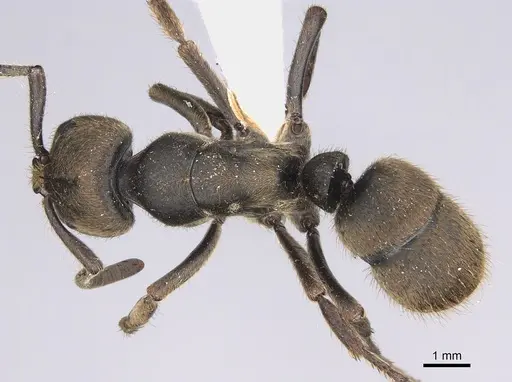
CASENT0887834
View on AntWeb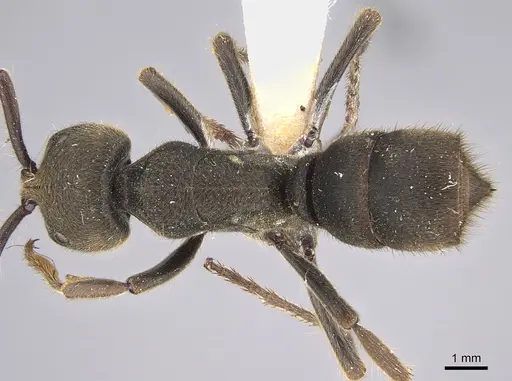
CASENT0887835
View on AntWeb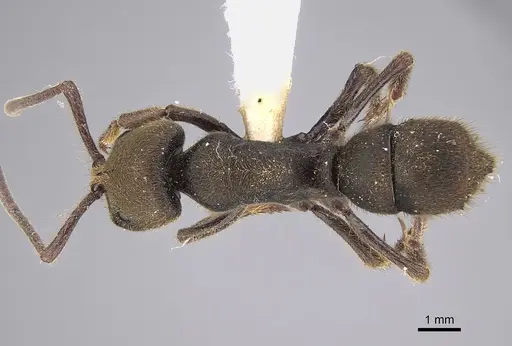
CASENT0901977
View on AntWeb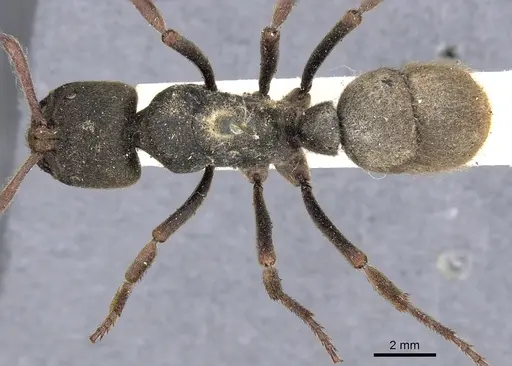
CASENT0903892
View on AntWeb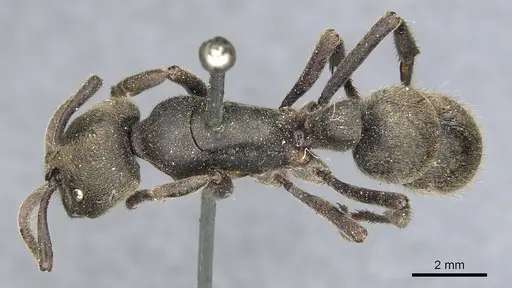
CASENT0903893
View on AntWeb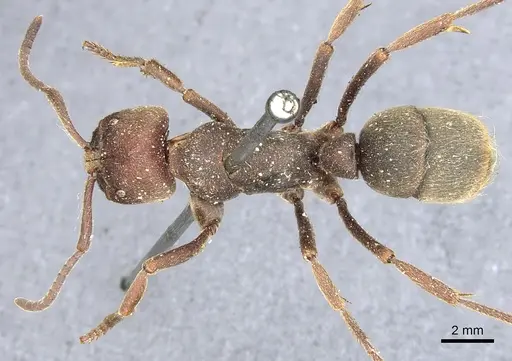
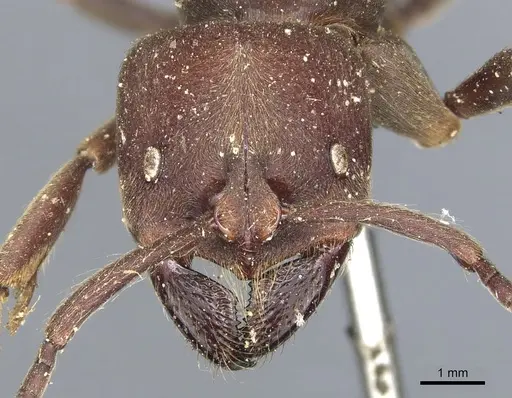
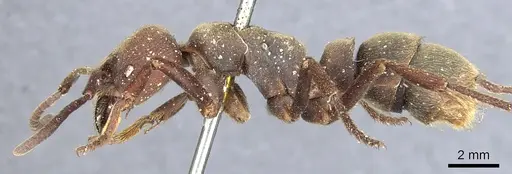
CASENT0907260
View on AntWeb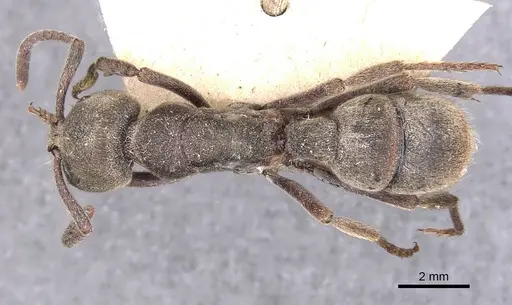
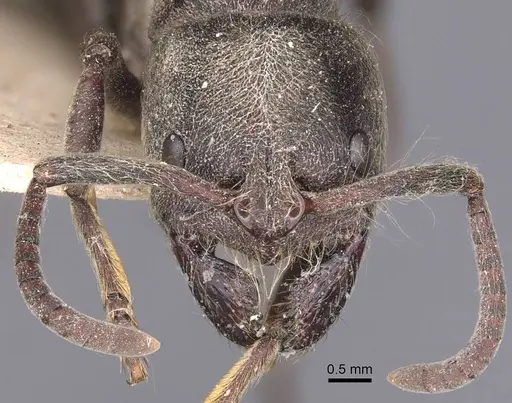
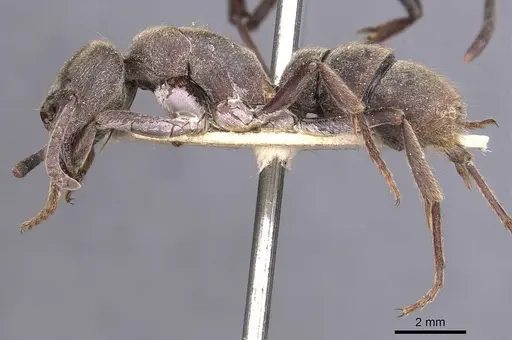
CASENT0907261
View on AntWeb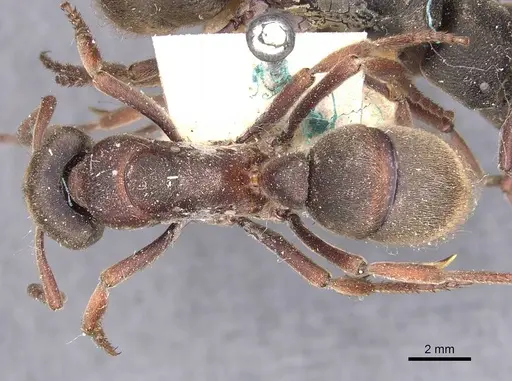
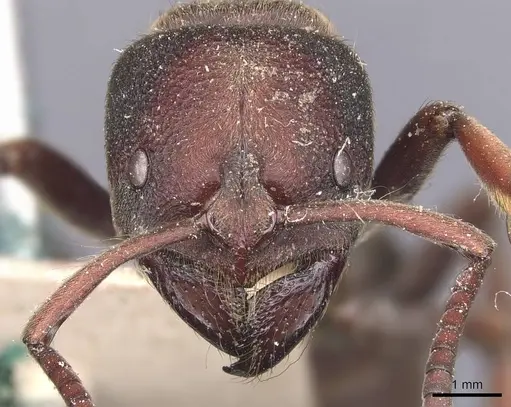
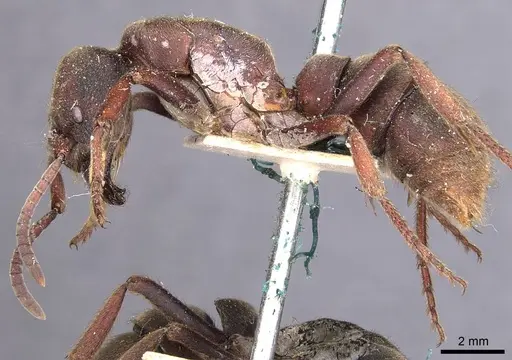
CASENT0907262
View on AntWeb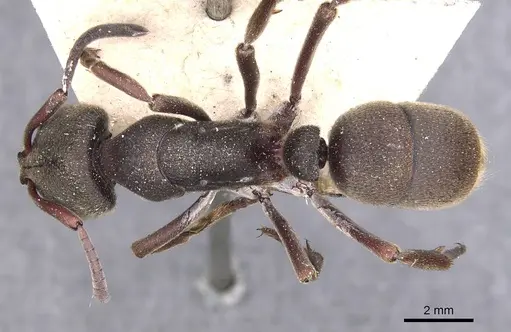
Literature
Loading distribution map...Loading products...