
Pseudoneoponera porcata
- Sci. Name
- Pseudoneoponera porcata
- Tribe
- Ponerini
- Subfamily
- Ponerinae
- Author
- Emery, 1897
- Distribution
- Found in 1 countries
Introduction
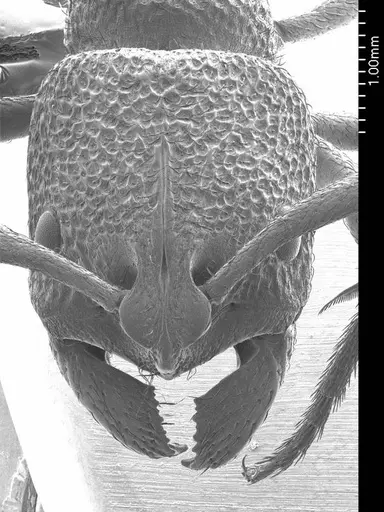
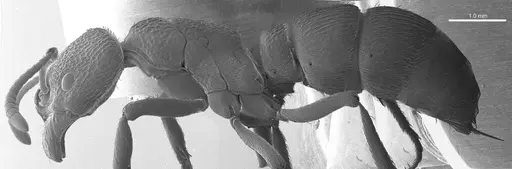
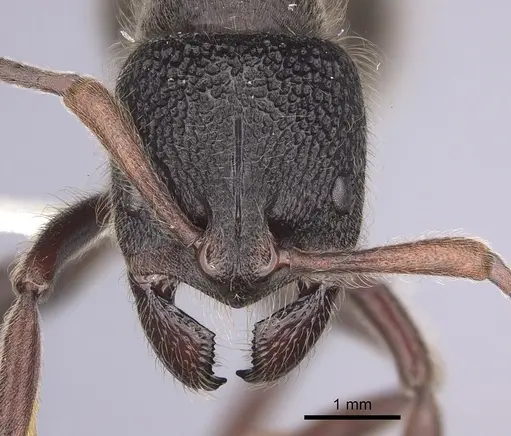
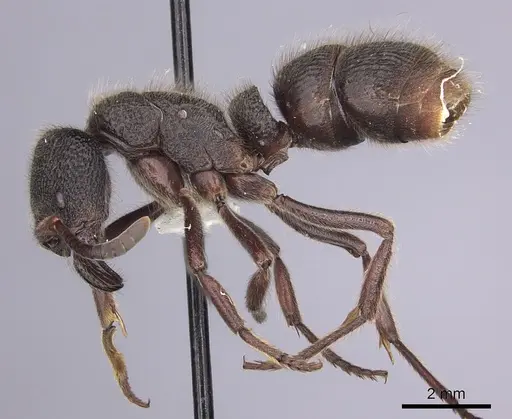
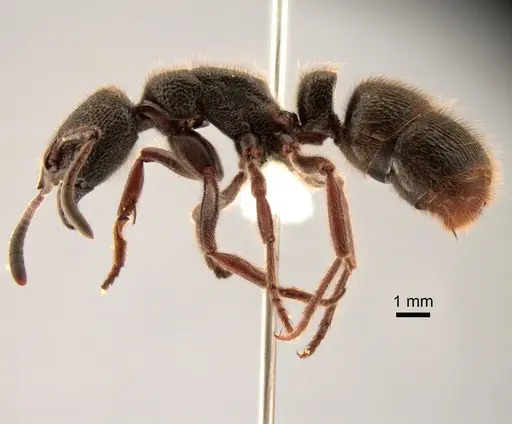
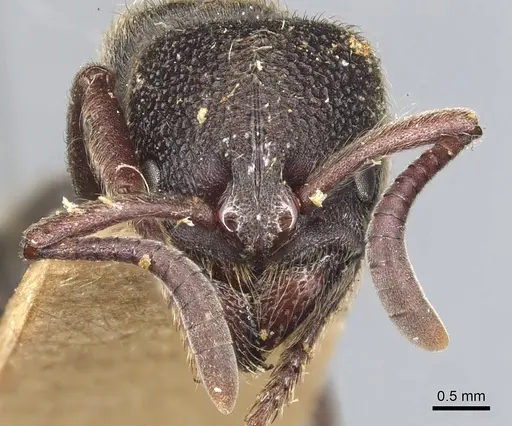
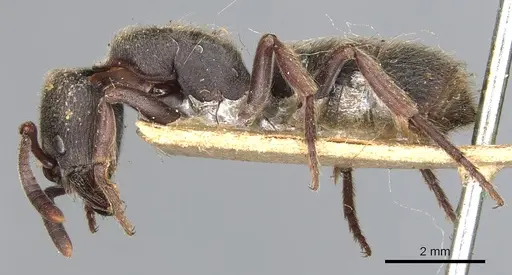
Pseudoneoponera porcata is an Australian ponerine ant best identified by its first gastric segment, which has conspicuous striations (grooves) . It is native to New South Wales . Like other Ponerinae, workers carry a functional stinger that delivers a painful venom. This species has been through several taxonomic changes, it was originally described as *Ponera porcata*, later placed in *Pachycondyla* and *Bothroponera*, before moving to *Pseudoneoponera* in 2014. Few details are known about its biology in the wild, making it a challenging species to keep with confidence.
Quick Summary
- Difficulty: Medium
- Origin & Habitat: New South Wales, Australia [2]. Specific habitat details are unavailable.
- Colony Type: Unconfirmed. Queen number is unknown, most Ponerinae are monogyne (single queen), but this species has not been studied.
- Size & Growth:
- Queen: No direct measurements available.
- Worker: No direct measurements available.
- Colony: Unknown.
- Growth: Unknown.
- Development: Unknown, no data for this species. (Development time cannot be estimated without research.)
- Antkeeping:
- Temperature: Unconfirmed. Based on the temperate climate of New South Wales, a moderate range around 22-26°C is a reasonable starting point. Avoid prolonged heat above 30°C. Observe the colony and adjust as needed.
- Humidity: Unconfirmed. Ponerinae generally need consistently moist substrate. Aim for damp but not waterlogged conditions. Monitor for mold and adjust accordingly.
- Diapause: Unconfirmed. Likely required because of the temperate origin, but no specific data exists. If attempted, cool slowly to 10-15°C for a period (duration unknown).
- Nesting: Unconfirmed. Ponerinae often nest in soil or rotting wood. In captivity, try a plaster or Y‑tong nest with dark, humid chambers. Naturalistic soil setups may also work.
- Behavior: Defensive, will sting if threatened. Workers are solitary foragers that hunt live prey. They are good climbers, so careful escape prevention is needed despite the unknown minimum ant size.
- Common Issues: stinger, these ants can deliver a painful sting, handle with care and never provoke., unknown care requirements, almost no biological data exists, so every keeper is essentially experimenting., predatory diet, they need live insects (e.g., small crickets, fruit flies) and may refuse sugar sources., humidity management, too dry kills, too wet brings mold, fine‑tuning is needed without published guide.
Temperature and Heating
No specific temperature data exists for Pseudoneoponera porcata. Based on its temperate Australian origin (New South Wales) and general Ponerinae preferences, try keeping the nest around 22-26°C. Use a heating cable on one side to create a gradient, and place it on top of the nest to avoid drying the substrate too quickly. Avoid temperatures above 30°C, which may be lethal. If the colony becomes less active, check if temperature is too high or too low. Adjust gradually and observe worker behaviour.
Humidity and Water
Humidity needs are not documented for this species. Ponerinae generally require consistently moist substrate, damp enough that a squeeze releases a few droplets, but not dripping wet. Provide a water source in the outworld. If the substrate starts cracking or pulling away from the walls, it is too dry. If condensation constantly drips inside the nest, it is too wet. Good ventilation helps prevent mould. Adjust based on the colony’s response.
Feeding and Diet
Pseudoneoponera porcata is predatory, like most Ponerinae. Offer small live invertebrates such as fruit flies, pinhead crickets, and small mealworms. Prey should be no larger than the ant’s head. Some colonies may accept boiled egg or other protein sources, but live prey is the most reliable. Sugar sources are rarely taken. Feed every 2-3 days and remove uneaten food after 24 hours to prevent mould. If implementing a cool rest period, reduce or stop feeding during that time.
Nesting Preferences
Natural nesting behaviour is unknown. Many Ponerinae nest in soil or rotting wood, so a naturalistic setup with dark, humid chambers is a good guess. Plaster (Y‑tong) nests or formicariums with moist substrate can work. Cover the nest to keep it dark. Avoid tall chambers, as these ants seem to prefer compact spaces. In a test tube, pack the cotton firmly but leave it loose enough for moisture exchange. Move to larger quarters when the test tube becomes crowded.
Diapause and Winter Care
Diapause (winter rest) is unconfirmed for this species. Because it comes from a temperate region, it likely needs a cool dormant period. If you decide to provide one, lower the temperature gradually to 10-15°C. Reduce feeding, the ants will eat very little. Keep some moisture available. The duration is unknown, a typical temperate ant rest lasts 8-12 weeks, but watch for resumed activity in spring and slowly warm them back up.
Behavior and Temperament
Workers are defensive and can deliver a painful sting. Do not handle them directly. They forage alone (not in columns) and hunt live prey. They are good climbers, so use fluon or other barriers on the outworld walls. Their escape risk cannot be fully assessed without knowing minimum worker size, so assume they can squeeze through small gaps. Colony temperament may vary, but caution is always warranted.
Frequently Asked Questions
Does Pseudoneoponera porcata have a stinger?
Yes, like all Ponerinae, it has a functional stinger. The sting can be painful, so always avoid provoking the ants. Use tools when moving them.
How long does it take for Pseudoneoponera porcata to raise first workers?
Unknown. There are no published development data for this species. If you are keeping a founding queen, be patient and document your observations.
Can I keep Pseudoneoponera porcata in a test tube?
Yes, test tubes are a common setup for founding colonies, especially when you are unsure of the founding type. Use a water tube with a cotton plug. Move to a bigger nest when the tube feels crowded.
What do Pseudoneoponera porcata ants eat?
They are predatory. Offer small live insects like fruit flies, pinhead crickets, or small mealworms. Some may accept boiled egg or other protein, but live prey is best. Sugary foods are usually ignored.
Do Pseudoneoponera porcata need hibernation?
Likely, because they come from a temperate region. No specific data exists, so if you provide a winter rest, cool them slowly to 10-15°C. Watch the colony for signs of activity and warm them up in spring.
Is Pseudoneoponera porcata good for beginners?
No. Almost nothing is known about its specific care. Combined with a painful sting and a need for live prey, this species is not recommended for anyone without experience in keeping uncommon ants.
How big do Pseudoneoponera porcata colonies get?
Unknown. No published data on colony size exists for this species.
When should I move my Pseudoneoponera porcata to a formicarium?
Move when the test tube is clearly crowded or the water reservoir runs out quickly. There is no specific threshold, so use your judgment. A plaster or Y‑tong nest with humidity control is a good choice.
Can I keep multiple Pseudoneoponera porcata queens together?
This is not recommended. Pleometrosis (multiple queens in one colony) has not been recorded. Unrelated queens are likely to fight.
Why is my Pseudoneoponera porcata colony dying?
Common issues include: substrate too dry or too wet, temperature too high or too low, lack of live prey, or mould. Because there are no proven care guidelines, systematic trial and error is needed. Check all parameters and adjust one at a time.
Report an Issue
The current care sheet is based fully on literature. See inconsistencies, or something that's incorrect? Please , it will be resolved after review from an admin. Contributing to the blogs tab also helps providing information, to make us be able to further improve the caresheets. Thank you for your support!
References

This caresheet is licensed under CC BY-SA 4.0 .
Community Blogs
ANTWEB1008568
View on AntWeb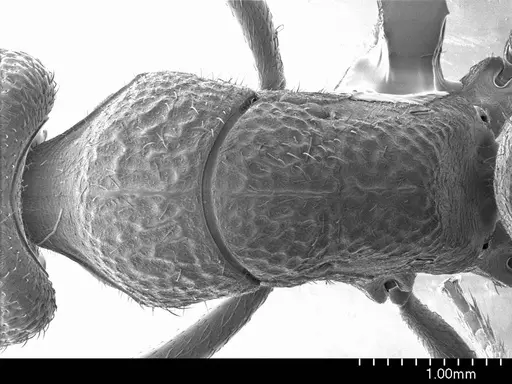
CASENT0249190
View on AntWeb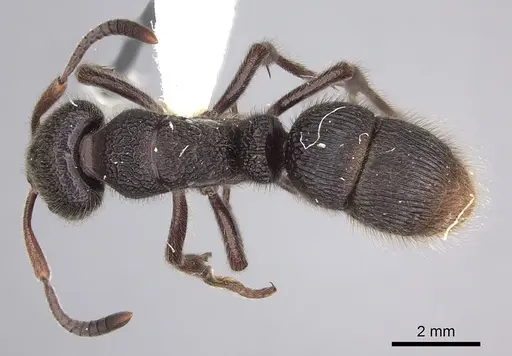
CASENT0882067
View on AntWeb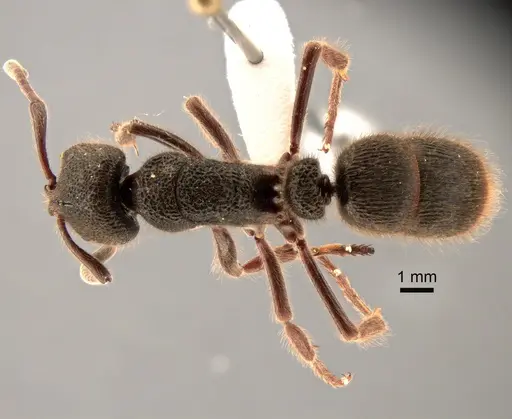
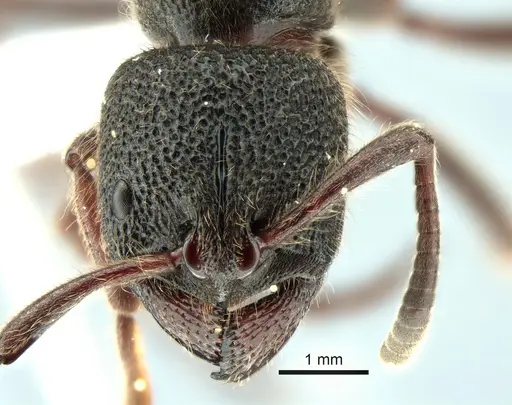
CASENT0903894
View on AntWeb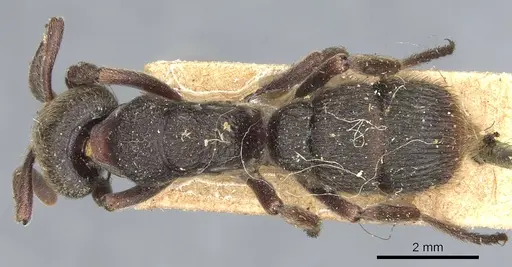
Literature
Loading distribution map...Loading products...