
Pseudomyrmex viduus
- Sci. Name
- Pseudomyrmex viduus
- Tribe
- Pseudomyrmecini
- Subfamily
- Pseudomyrmecinae
- Author
- Smith, 1858
- Distribution
- Found in 15 countries
Introduction
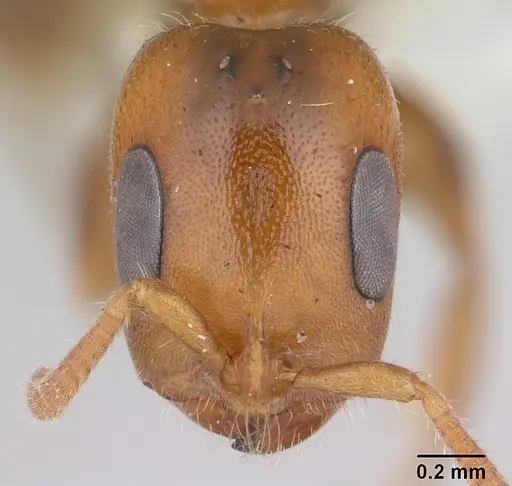
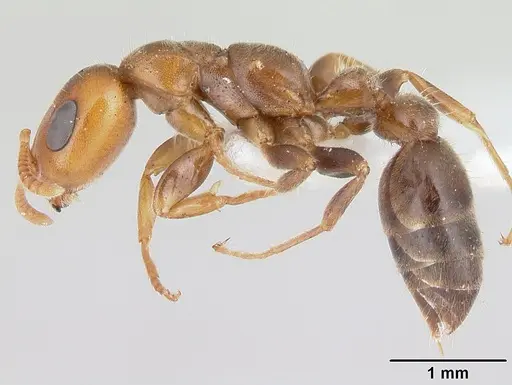
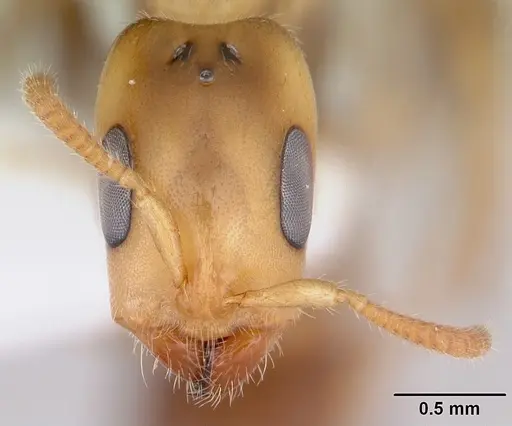
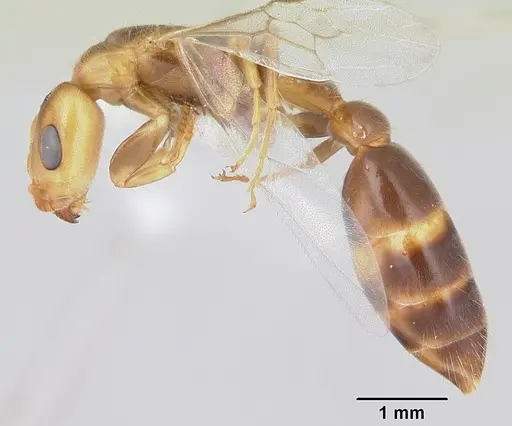
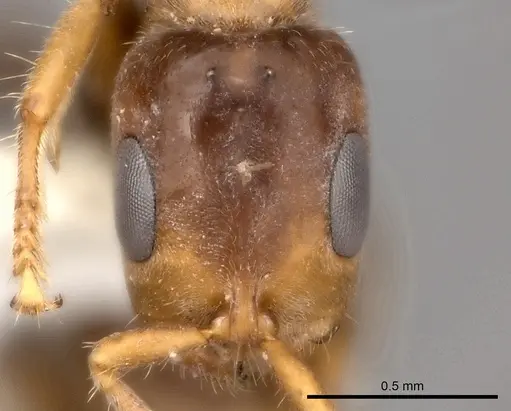
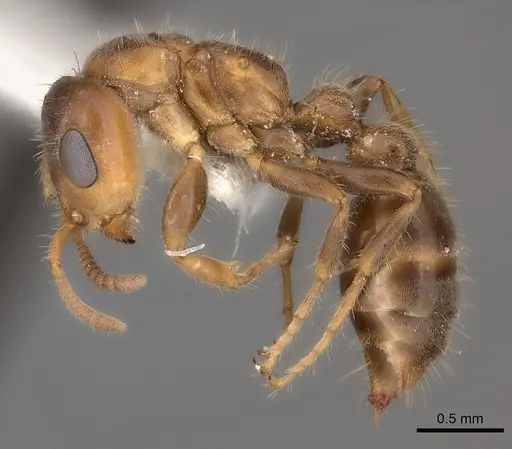
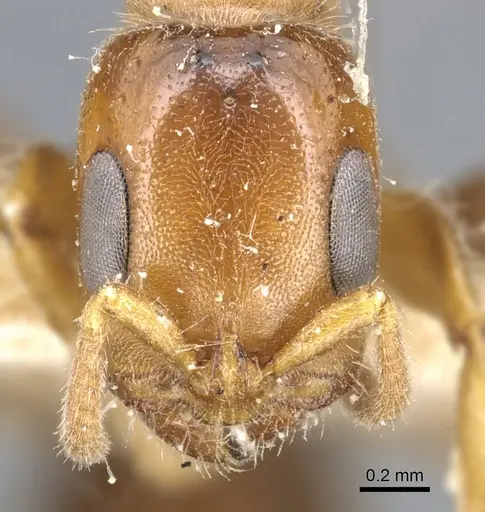
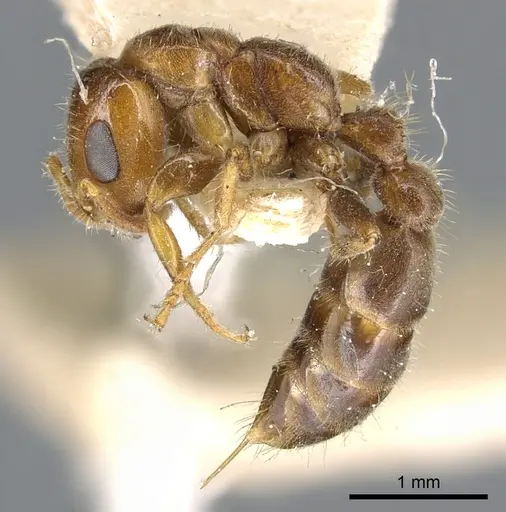
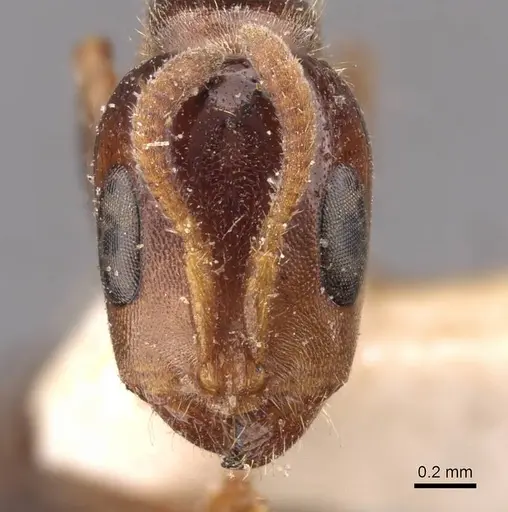
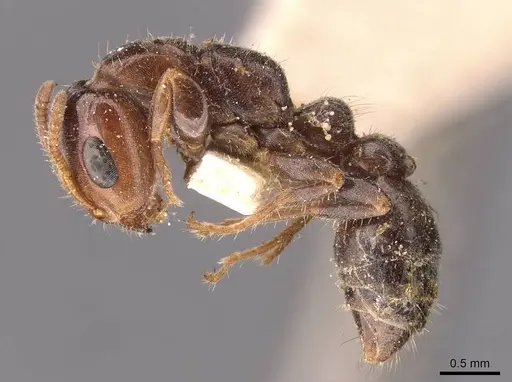
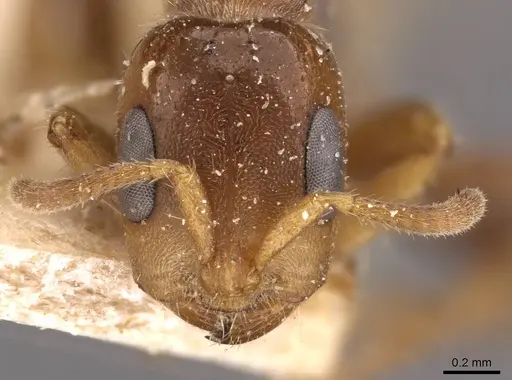
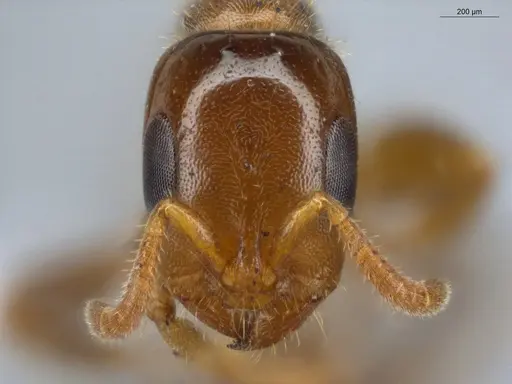
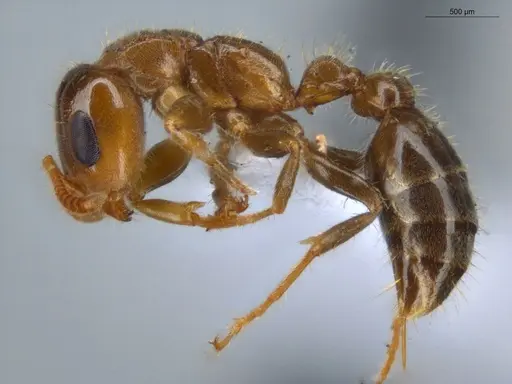
Pseudomyrmex viduus is a small to medium-sized arboreal ant native to the Neotropics, ranging from Mexico down to Bolivia and Brazil . Workers have an elongated head and a medium- to dark-brown body, with relatively straight head sides and a concave posterior margin . They are among the most recognizable plant-dwelling ants, known for their large eyes, functional stingers, and aggressive defense of their host plants . This species stands out for its remarkable flexibility in host plant selection. Unlike most other Pseudomyrmex species, which specialize in one or two plant genera, P. viduus colonizes plants from at least five different families, including Triplaris, Cordia, Coussapoa, Ocotea, and Sapium . Its nests always contain symbiotic scale insects (pseudococcids or coccids) that the ants tend for honeydew, and larvae have been documented feeding on these scale insects along with fungal hyphae and nematodes .
Quick Summary
- Difficulty: Expert
- Origin & Habitat: Neotropical region, Mexico, Central America, and South America to Bolivia and Brazil. Found in lowland tropical rainforests and cloud forests up to around 1000m elevation [5][6]. Inhabits living plant cavities (domatia) in various tree species including Triplaris, Cordia, Coussapoa, Ocotea, Sapium, and Pseudobombax [1].
- Colony Type: Likely single-queen colonies (monogyne) based on typical Pseudomyrmex patterns, but not explicitly confirmed in literature. Queens establish nests inside suitable plant cavities [1].
- Size & Growth:
- Queen: Size data unavailable, no body length measurements documented. Queens have a more elongated head than workers [2].
- Worker: Size data unavailable, no body length measurements documented. Workers are described as relatively small (head width under 1mm) [1].
- Colony: Not specifically documented, based on related species, possibly up to several hundred workers [1].
- Growth: Moderate
- Development: Estimated 6-8 weeks at tropical temperatures (24-28°C) based on typical Pseudomyrmex development [1]. Exact timing unconfirmed. (Development likely faster than temperate species due to year-round tropical conditions. First workers (nanitics) emerge smaller than mature workers.)
- Antkeeping:
- Temperature: Tropical species requiring warm conditions. Keep nest temperature roughly 24-28°C based on natural habitat. Avoid prolonged temperatures below 22°C. Room temperature in heated homes may work, but monitor closely [1].
- Humidity: Keep the nest substrate consistently moist but not waterlogged. These ants live inside plant stems in humid tropical environments, so humidity should be high. A water reservoir or regular misting may be needed [1].
- Diapause: No, as a tropical species, does not require winter dormancy. Remains active year-round when kept warm [1].
- Nesting: Arboreal nesting specialist. Provide vertical setups mimicking plant cavities: bamboo sections, cork logs, or 3D-printed arboreal nests. Do not use standard soil formicariums. Include climbing structures and tubes connecting to outworld [1][7].
- Behavior: Fierce and aggressive with a functional stinger [1][3]. Workers defend their nest vigorously. Primarily active during dim light (crepuscular/nocturnal). Escape risk is moderate due to small body size (head width under 1mm), ensure tight seals and use barriers if needed. They are obligately associated with scale insects for food [1].
- Common Issues: scale insect dependency, colonies require live pseudococcids or coccids for long-term survival, without them, colonies struggle even with supplemental food [1]., humidity management, substrate must stay consistently moist but not waterlogged, dry conditions quickly stress or kill the colony., arboreal housing required, standard soil formicariums are unsuitable, need vertical space with climbing surfaces., aggressive behavior and sting, handling requires care, workers will sting if disturbed [1]., tropical temperature needs, unsuitable for unheated environments in temperate climates, must maintain 24-28°C year-round.
Housing and Nest Setup
Pseudomyrmex viduus requires housing that reflects its natural arboreal lifestyle. These ants inhabit hollow plant stems and branches in the wild, so standard soil-based formicariums are not ideal. The best captive setups include bamboo or cork sections,3D-printed arboreal nests, or custom vertical arrangements that mimic plant internodes [1][7].
Fill the nest chambers with slightly moist substrate (like coconut fiber or a soil/sand mix) to maintain humidity. Connect the nest to an outworld using tubing, this allows you to feed and observe the colony. The outworld should include climbing structures like twigs, cork, or artificial plants since these ants naturally live and forage in elevated positions. It is critical to incorporate symbiotic scale insects (pseudococcids or coccids) into the nest setup, they can be kept on small plant cuttings or feeding stations [1].
Escape prevention is important due to the ants' small size. Use tight-fitting connections and consider fluon barriers on tube openings. A vertical outworld design works better than a flat one since it accommodates their natural arboreal behavior.
Feeding and Diet
In the wild, P. viduus feeds primarily on honeydew from symbiotic scale insects (pseudococcids and coccids) that live within their host plant cavities, along with the insects themselves [1]. Larvae have been documented consuming scale insect remains, fungal hyphae, and nematodes, this diverse diet is unusual among ants [1].
For captive care, you must establish and maintain a colony of scale insects (mealybugs or soft scales) inside the nest setup. These insects can be kept on small plant cuttings or specialized feeding stations within the nest. Without scale insects, the colony will struggle regardless of other food offered [1][8].
Supplement the diet with sugar water or honey offered in a cotton wick, and occasional small protein sources like fruit flies, tiny crickets, or other small insects. The sugar provides energy for workers while the scale insects and protein support brood development. Avoid overfeeding, uneaten prey can mold and harm the colony.
Temperature and Humidity
As a Neotropical species, P. viduus requires warm, humid conditions similar to tropical rainforest understory. Keep the nest at 24-28°C, this range supports healthy brood development and colony activity. Temperatures below 22°C can slow the colony significantly, while anything above 32°C risks dehydration and stress [1].
Humidity is critical. Keep the nest substrate consistently moist but never waterlogged. These ants live inside plant stems in humid environments, so high humidity is essential. A water reservoir in the outworld or regular misting can help maintain moisture levels. In dry environments, you may need to mist daily or use a humidifier near the colony [1].
Unlike temperate ants, this species does not require any winter cooling or diapause. They remain active year-round when maintained at tropical temperatures. A heating cable or mat on one side of the nest can create a gentle temperature gradient if your room temperature falls below their requirements.
Behavior and Defense
Pseudomyrmex viduus is renowned for its aggressive, defensive behavior. Workers are fierce and will readily attack any threat to their colony, this includes the keeper during maintenance [1]. They possess functional stingers, making them one of the more defensive arboreal ants you can keep [3].
When working with this species, move slowly and minimize disturbances to the nest. Use red light for observation if possible, as these ants are less reactive to red wavelengths. Always use protective equipment when accessing the nest, and consider using smoke or gentle air flow to calm workers before maintenance [1].
Their natural activity pattern is crepuscular or nocturnal, they are most active during dim light conditions, reflecting their lifestyle inside dark plant stems. You may notice increased activity during dawn/dusk hours or when the colony is disturbed. Workers patrol the nest perimeter and will investigate any vibrations or air movement near the colony.
Colony Establishment
Starting a colony of P. viduus requires either catching a founding queen during nuptial flights or acquiring an established colony. Founding queens seek out suitable plant cavities, in captivity, they will accept artificial nest chambers. The founding type is not explicitly documented, but based on family patterns, queens likely seal themselves inside and survive on stored fat reserves until their first workers emerge [1][2].
The first workers (nanitics) are smaller than mature workers but immediately begin caring for brood and expanding the nest. The colony grows gradually over several months. Key to long-term success is establishing scale insects early, these symbiotic insects are essential for colony health [1].
If collecting from the wild is not possible, established colonies may be available from specialized ant breeders. Quarantine any purchased colonies and monitor for parasites before introducing them to any existing ant collection.
Legal and Ethical Considerations
Pseudomyrmex viduus is native to the Neotropical region from Mexico to Brazil. If you live within this range, you may be able to collect founding queens locally. However, always check local regulations regarding ant collection, some countries, states, or protected areas have specific rules [5][6].
If you live outside the native range, never release this or any non-native ant species outdoors. Even though this species is not known to be invasive, released colonies can become established and cause ecological damage. Instead, maintain the colony in captivity indefinitely or find a responsible home with another keeper.
When purchasing or keeping this species, source from reputable breeders who practice ethical collection and husbandry. Avoid wild-caught colonies from protected areas or those that may have been harvested unsustainably.
Frequently Asked Questions
Can I keep Pseudomyrmex viduus in a test tube?
Test tubes are not ideal for this species. P. viduus is an arboreal ant that naturally lives inside plant stems and branches. They need vertical space with climbing structures and require a setup that can support symbiotic scale insects. A small bamboo or cork section connected to an outworld works much better. However, a test tube can work as a temporary founding chamber for a founding queen.
How long until first workers in Pseudomyrmex viduus?
At optimal tropical temperatures (24-28°C), expect first workers (nanitics) to emerge in approximately 6-8 weeks after the queen lays eggs. This is estimated based on typical Pseudomyrmex development. Exact timing is unconfirmed. The first workers are smaller than mature workers but immediately begin helping with brood care [1].
Do Pseudomyrmex viduus ants sting?
Yes, Pseudomyrmex viduus has functional stingers and is known to be aggressive and defensive [3][1]. These ants will readily sting if they perceive a threat to their colony. When handling or performing maintenance, use caution and protective equipment. Their sting is not medically significant for healthy humans but can be painful.
What do Pseudomyrmex viduus eat?
Their primary food is honeydew from symbiotic scale insects (pseudococcids and coccids) that live in their nest [1][8]. They also feed on the scale insects themselves. In captivity, you must maintain a colony of scale insects. Supplement with sugar water or honey, and occasional small insects for protein. Without scale insects, the colony will struggle to survive long-term.
Are Pseudomyrmex viduus good for beginners?
No, this species is not recommended for beginners. They require specific arboreal housing, depend on symbiotic scale insects, need high humidity and tropical temperatures, and have aggressive defensive behavior with functional stingers. They are considered an expert-level species. Beginners should start with more forgiving ants like Lasius, Tetramorium, or Camponotus.
Do Pseudomyrmex viduus need hibernation?
No, as a Neotropical tropical species, P. viduus does not require hibernation or winter dormancy. They remain active year-round when kept at their preferred temperature range of 24-28°C. Attempting to cool them for winter can stress or kill the colony. Maintain consistent tropical conditions throughout the year [1].
Why are my Pseudomyrmex viduus dying?
Common causes include: (1) Lacking scale insects, colonies depend on these symbiotic insects, (2) Low humidity, substrate must be consistently moist, (3) Temperature too cool, keep above 22°C, (4) Improper housing, they need arboreal-style nests, not soil formicariums, (5) Stress from excessive disturbance. Check each of these factors and adjust accordingly [1][8].
How big do Pseudomyrmex viduus colonies get?
Colony size is not precisely documented, but based on related species in the genus, colonies likely reach several hundred workers. As the most widespread species in the P. viduus group, they form persistent, well-established colonies in their host plants [1]. Growth is moderate, expect several months to reach 50+ workers and over a year for larger colonies.
Can I keep multiple queens together?
Pseudomyrmex viduus is likely monogyne, colonies have a single queen. Combining unrelated queens is not recommended and has not been documented. If you catch multiple founding queens, house them separately. Queen replacement is not typical behavior for this species [1].
When should I move Pseudomyrmex viduus to a formicarium?
Move established colonies to a proper nest setup once they outgrow their founding chamber. For a founding queen starting in a test tube, you can connect the tube to a small nest setup once workers emerge. The transition should include the symbiotic scale insects. The nest should have multiple chambers, climbing structures, and maintain high humidity [1][7].
What temperature is best for Pseudomyrmex viduus?
Keep nest temperatures between 24-28°C for optimal health and brood development [8]. They can tolerate 22-30°C but avoid extremes. A heating cable on one side of the nest creates a gradient. Room temperature in heated homes often falls within acceptable range, but monitor with a thermometer. Never let temperatures drop below 22°C [1].
Report an Issue
The current care sheet is based fully on literature. See inconsistencies, or something that's incorrect? Please , it will be resolved after review from an admin. Contributing to the blogs tab also helps providing information, to make us be able to further improve the caresheets. Thank you for your support!
References

This caresheet is licensed under CC BY-SA 4.0 .
Community Blogs
CASENT0178710
View on AntWeb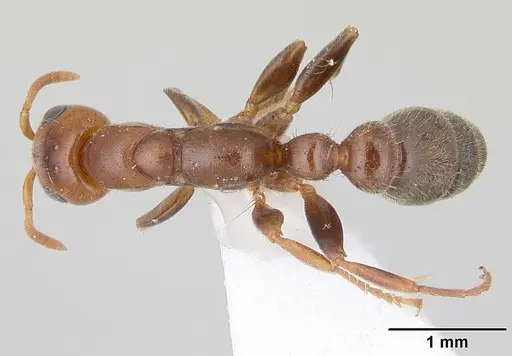
CASENT0178711
View on AntWeb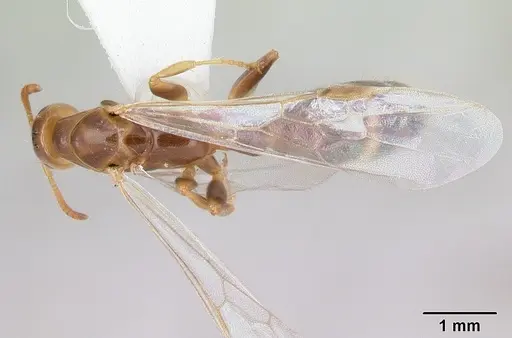
CASENT0217584
View on AntWeb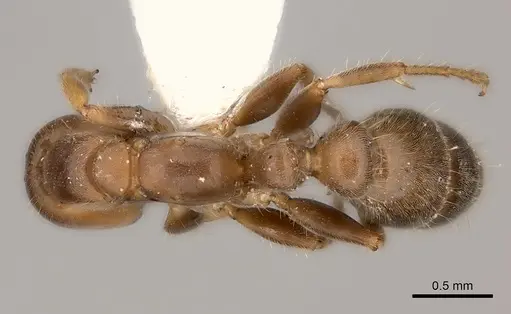
CASENT0902880
View on AntWeb
CASENT0902881
View on AntWeb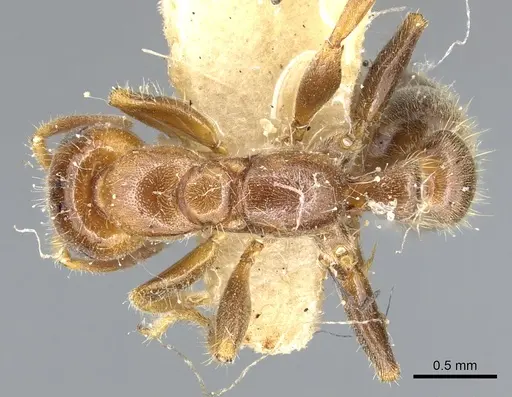
CASENT0907499
View on AntWeb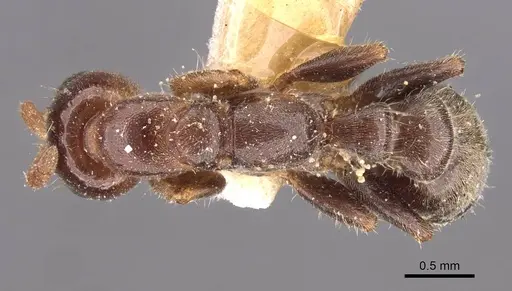
CASENT0907500
View on AntWeb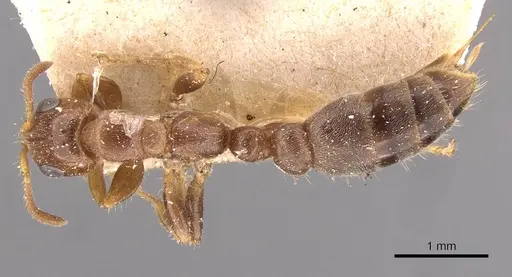
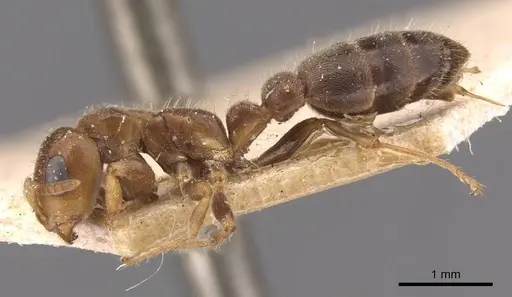
CASENT0907567
View on AntWeb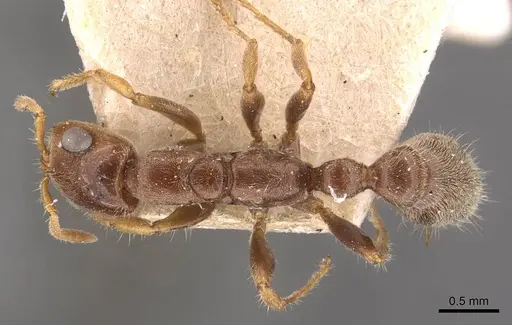
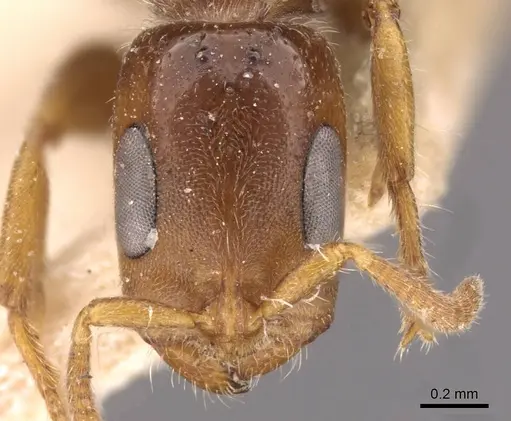
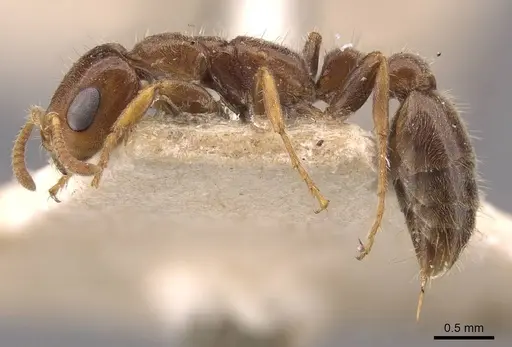
ECOFOG-HC-0002-01
View on AntWeb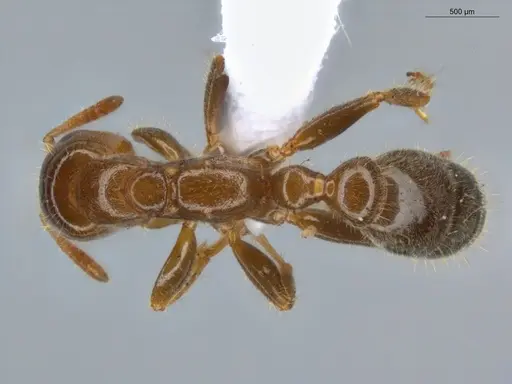
Literature
Loading distribution map...Loading products...