
Pseudomyrmex urbanus
- Sci. Name
- Pseudomyrmex urbanus
- Tribe
- Pseudomyrmecini
- Subfamily
- Pseudomyrmecinae
- Author
- Smith, 1877
- Distribution
- Found in 12 countries
Introduction
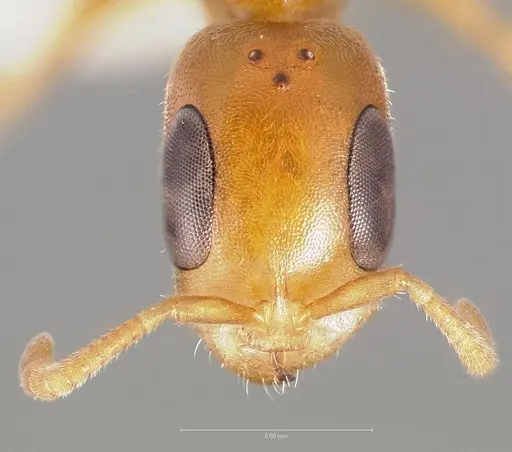
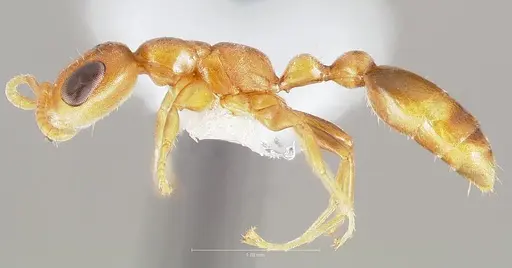
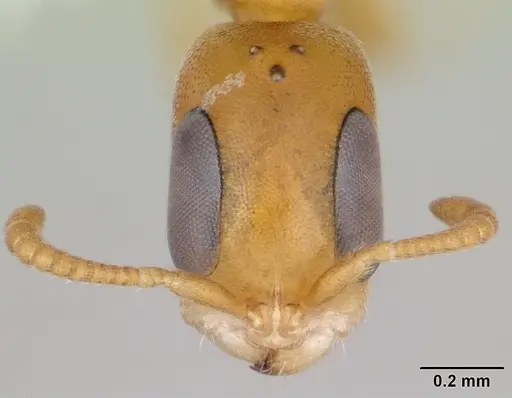
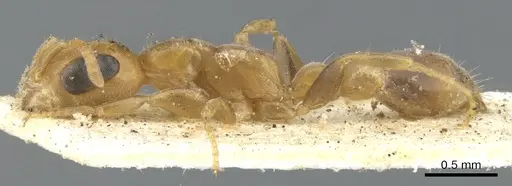
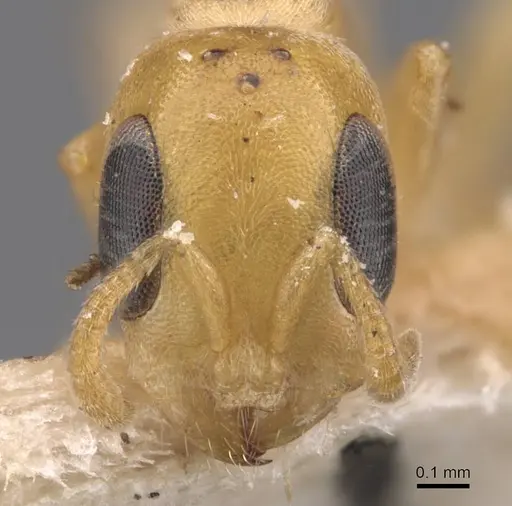
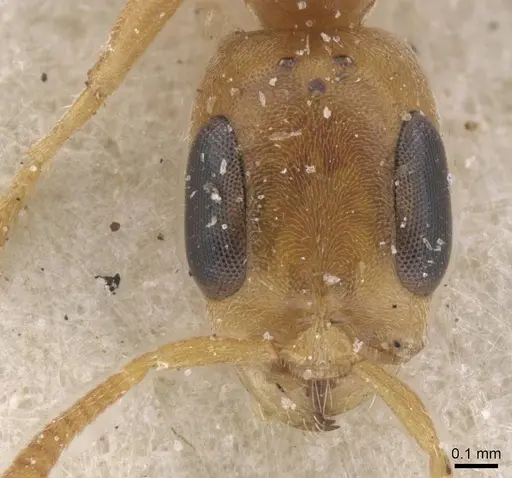
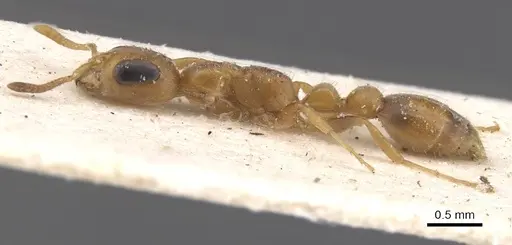
Pseudomyrmex urbanus is a tiny arboreal ant, with a head width of 0.58-0.66 mm, making it one of the smaller members of the Pseudomyrmecinae subfamily . Workers are orange-brown with a distinctive slender build, relatively long eyes, and a broad fore femur . This species ranges across much of northern South America, from Argentina up to Panama, including Brazil, Colombia, Peru, Ecuador, French Guiana, Guyana, Suriname, Trinidad, Venezuela, and Bolivia . They inhabit both rain forest and drier forest areas, and have been recorded up to 980 m elevation . These ants nest inside plant cavities, specifically the hollow stems (domatia) of trees like Cordia and Tecoma, and they do so facultatively, meaning they don't require a specific plant . Their small size and arboreal lifestyle set them apart from ground-nesting ants, and they are known to forage actively on vegetation, including trees with extrafloral nectaries .
Quick Summary
- Difficulty: Medium
- Origin & Habitat: Native to the Neotropical region, found across northern South America from Argentina to Panama, including Brazil, Colombia, Peru, Ecuador, French Guiana, Guyana, Suriname, Trinidad, Venezuela, Bolivia, and the Fernando de Noronha archipelago [2][3][4]. Inhabits both rain forest and drier forest areas, often in Cerrado and Chaco biomes [9][10]. Nests in live plant cavities (domatia) of trees such as Cordia and Tecoma [6]. Elevation records up to 980 m [5].
- Colony Type: Colony structure is not well documented. Based on related Pseudomyrmex species, they are likely monogyne (single queen), but this is unconfirmed. Founding behavior is unconfirmed.
- Size & Growth:
- Queen: Estimated 5-7 mm (inferred from Pseudomyrmex genus patterns)
- Worker: Approximately 3-4 mm (body length inferred from head width of 0.58-0.66 mm [1] and related species)
- Colony: Unknown, related Pseudomyrmex species have colonies of up to a few hundred workers, so likely similar
- Growth: Moderate (inferred from genus patterns)
- Development: Estimated 6-10 weeks at optimal tropical temperatures (24-28°C) based on related Pseudomyrmex species (Direct observations for this species are not available, timeline is inferred from genus patterns.)
- Antkeeping:
- Temperature: 24-28°C year-round (inferred from tropical distribution) [8]
- Humidity: Moderate to high, keep nest substrate slightly moist but not waterlogged (inferred from forest habitat) [11]
- Diapause: No true diapause, active year-round (inferred from tropical origin). Maintain stable warm temperatures.
- Nesting: Enclosed cavities mimicking plant stems. Use test tubes, Y-tong, plaster, or 3D-printed nests with small chambers (2-3 mm high). Escape prevention is critical due to tiny size.
- Behavior: Active, agile arboreal foragers. Not aggressive but will sting if threatened. Escape risk is very high because of their minute size, they can squeeze through tiny gaps. They are often found foraging on vegetation, especially trees with extrafloral nectaries [8][12].
- Common Issues: escape prevention is critical, their tiny size means they can squeeze through gaps that other ants cannot., arboreal nature requires enclosed nest spaces, they do not adapt well to open formicariums., tropical temperature requirements mean they cannot tolerate cool rooms, heating may be needed in temperate climates., limited research means most care guidelines are inferred from genus patterns, so adaptability may vary., their small size can make observation and feeding challenging for newcomers.
Housing and Nest Setup
Pseudomyrmex urbanus needs housing that mimics their natural arboreal lifestyle. These tiny ants nest inside plant cavities, so they do best in enclosed nests with small chambers scaled to their minute size. Test tubes with tight cotton plugs work well, as do Y-tong (AAC), plaster, or 3D-printed nests with chambers around 2-3 mm in height and narrow connecting tunnels. They are not ground-nesting ants and will not thrive in open formicariums. Because they are so small (body length ~3-4 mm), even standard ant setups may have gaps too large. Escape prevention is absolutely critical: apply Fluon or similar barrier to all edges, and cover every ventilation hole with fine mesh (0.5 mm or smaller). Provide a small outworld for foraging, with easy access to the nest. Natural materials like cork bark or twigs can give them climbing surfaces [7][6].
Temperature and Humidity
As tropical ants from northern South America, Pseudomyrmex urbanus needs warm conditions year-round. Keep the nest area at 24-28°C, this matches their native range across the Neotropics [2]. If your room is cooler, use a heat cable on one side of the nest to create a gradient, but never apply heat directly to the nest. For humidity, aim for a substrate that is consistently slightly moist but not waterlogged. These ants are found in both rain forest and drier forests, so they can tolerate some variation. A water reservoir in the nest (like a cotton-plugged test tube) provides steady humidity. Avoid both stagnant, moldy conditions and excessive drying from heaters or direct sunlight [11][8].
Feeding and Diet
In the wild, Pseudomyrmex urbanus forages for nectar from extrafloral nectaries and likely hunts small arthropods [8][12]. In captivity, offer a constant source of sugar water or honey water on a cotton ball or in a test tube feeder, replaced every 2-3 days to prevent spoilage. For protein, provide tiny prey items appropriately sized for these minute ants: fruit flies, pinhead crickets, small mealworms, or other micro-insects. Prey should be roughly the same size as or smaller than the ants themselves. Feed protein 2-3 times per week, removing uneaten prey within 24 hours to avoid mold. Because they forage on vegetation, place food on a small elevated platform in the outworld to mimic natural conditions [8][7].
Behavior and Colony Dynamics
Pseudomyrmex urbanus is an active, agile arboreal species that forages on vegetation. They are not particularly aggressive but will defend their nest if disturbed, using a functional stinger (as is typical for Pseudomyrmecinae). Their small size and slender build allow them to move quickly through narrow passages. Colonies are likely small to moderate in size, similar to related Pseudomyrmex species. The queen seals herself in a chamber during founding (claustral, inferred from genus), and the first workers (nanitics) are slightly smaller than mature workers. These ants are facultative users of plant domatia, they are not dependent on a specific plant but readily occupy cavities in live stems [7][6]. In captivity, they will explore vertical spaces and appreciate climbing surfaces like cork or twigs. Their small size means they can be difficult to observe, but with a magnifying glass or macro lens, their behavior is fascinating [2].
Seasonal Care and Overwintering
As tropical ants from regions with minimal seasonal temperature variation, Pseudomyrmex urbanus does not require hibernation or diapause. Maintain stable temperatures of 24-28°C throughout the year. You may notice slightly reduced activity if the room cools, but this is not a true diapause. Do not attempt to cool them or drastically reduce feeding. If you live in a temperate climate, ensure the ant room stays consistently warm, especially during winter. These ants are not suited for unheated spaces. Simply continue normal care year-round, adjusting feeding frequency slightly if activity decreases [2].
Frequently Asked Questions
How long does it take for Pseudomyrmex urbanus to raise their first workers?
Direct development time has not been documented for this species. Based on related Pseudomyrmex species, expect approximately 6-10 weeks from egg to first worker at optimal tropical temperatures of 24-28°C. The queen will seal herself in a chamber during the founding phase.
Can I keep Pseudomyrmex urbanus in a test tube?
Yes, test tubes work well. Use a small test tube with a tight-fitting cotton plug and a water reservoir. The key is ensuring all gaps are sealed, pack the cotton firmly and cover any ventilation holes with fine mesh. They prefer enclosed spaces that mimic plant cavities.
Do Pseudomyrmex urbanus ants sting?
Yes, as members of the subfamily Pseudomyrmecinae, they have a functional stinger and can sting if handled roughly or if their nest is threatened. They are not aggressive but will defend themselves. The sting is not dangerous to healthy humans but can be irritating. Handle with care.
What do Pseudomyrmex urbanus eat?
They accept sugar sources (honey water or sugar water) and small protein prey. In the wild, they forage for nectar from extrafloral nectaries and small insects [8][12]. In captivity, offer a constant sugar source and tiny prey items like fruit flies or small mealworms 2-3 times per week. Prey should be appropriately sized for their minute body.
Are Pseudomyrmex urbanus good for beginners?
This species is rated as medium difficulty. Their tiny size makes escape prevention challenging, and they require stable tropical temperatures. If you have experience with very small ants and can maintain warm, humid conditions with excellent escape-proofing, they can be rewarding. Not recommended for absolute beginners.
How big do Pseudomyrmex urbanus colonies get?
Colony size is not documented for this species. Based on related Pseudomyrmex species and their arboreal nesting in plant cavities, colonies likely reach dozens to a few hundred workers at maturity. Expect steady growth over many months.
Do Pseudomyrmex urbanus need hibernation?
No, they do not require hibernation. As tropical ants from northern South America, they experience year-round warm temperatures. Maintain normal care (24-28°C) throughout the year without cooling periods.
Why are my Pseudomyrmex urbanus escaping?
Their tiny size means they can squeeze through gaps that seem impossible. Apply Fluon or similar barrier gel to all edges, cover all ventilation with fine mesh (0.5 mm or smaller), and check that lid seams are tight. Even standard ant setups may have gaps too large for these minute ants.
When should I move Pseudomyrmex urbanus to a formicarium?
You can keep them in a test tube setup long-term if the tube stays clean and the colony is growing. Move to a larger setup when the colony reaches several dozen workers and the test tube shows signs of degradation (mold, debris buildup). Ensure the new setup has small chambers matching their size.
Can I keep multiple Pseudomyrmex urbanus queens together?
This has not been documented. Based on related Pseudomyrmex species, they are likely monogyne (single queen). Do not attempt to house multiple unrelated queens together as they may fight. If you acquire a colony with multiple queens, provide separate nesting areas and monitor closely.
Report an Issue
The current care sheet is based fully on literature. See inconsistencies, or something that's incorrect? Please , it will be resolved after review from an admin. Contributing to the blogs tab also helps providing information, to make us be able to further improve the caresheets. Thank you for your support!
References

This caresheet is licensed under CC BY-SA 4.0 .
Community Blogs
CASENT0005878
View on AntWeb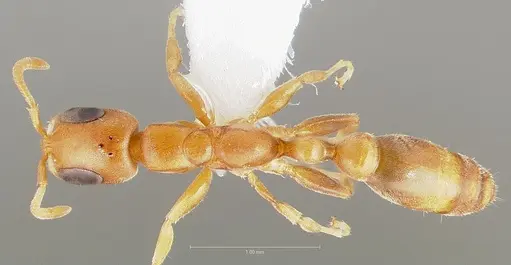
CASENT0173783
View on AntWeb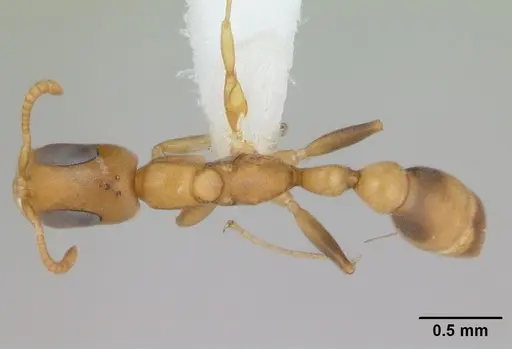
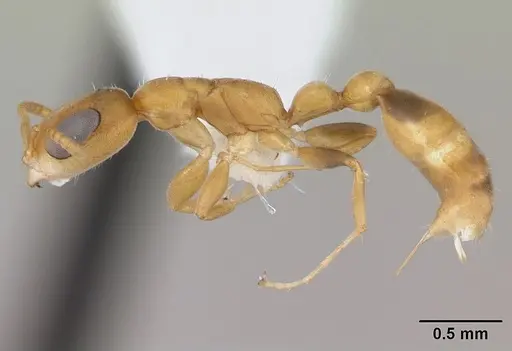
CASENT0902916
View on AntWeb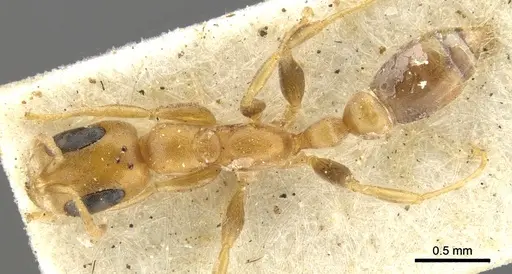
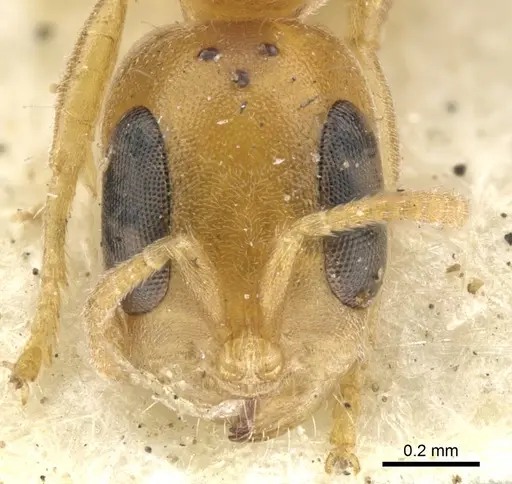
CASENT0907522
View on AntWeb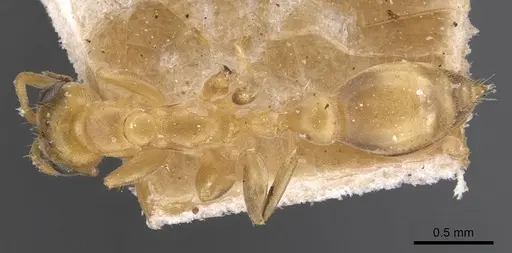
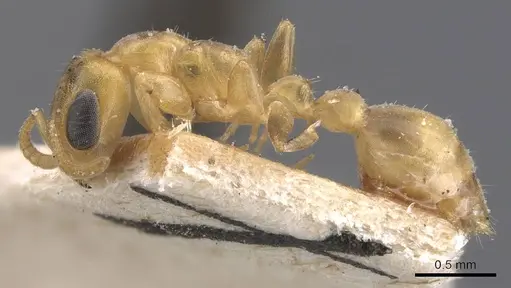
CASENT0915522
View on AntWeb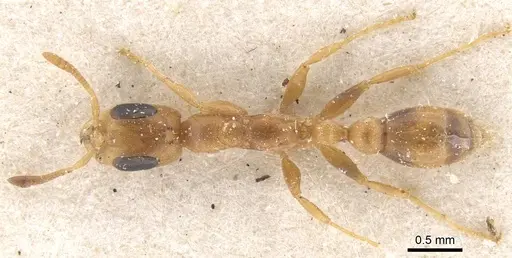
Literature
Loading distribution map...Loading products...