
Pseudomyrmex unicolor
- Sci. Name
- Pseudomyrmex unicolor
- Tribe
- Pseudomyrmecini
- Subfamily
- Pseudomyrmecinae
- Author
- Smith, 1855
- Distribution
- Found in 8 countries
Introduction
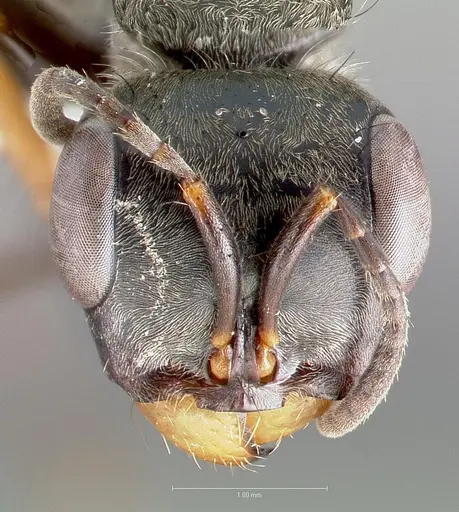
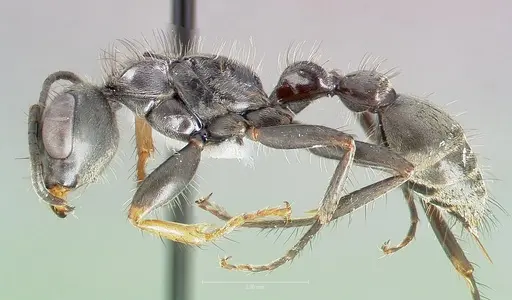
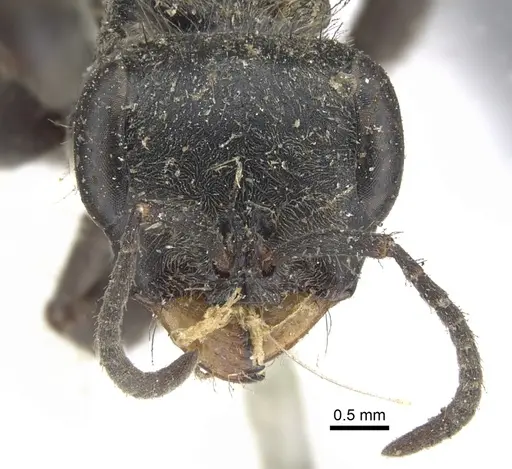
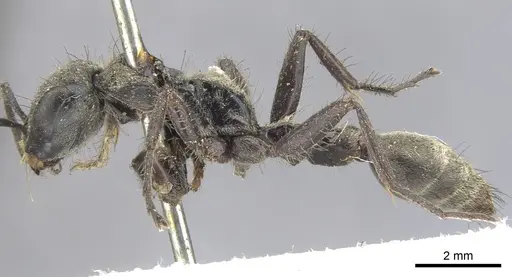
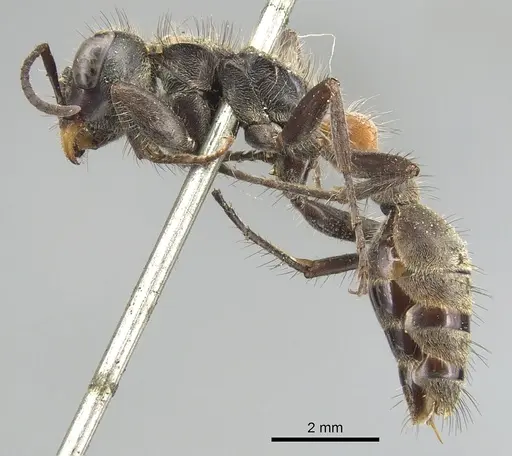
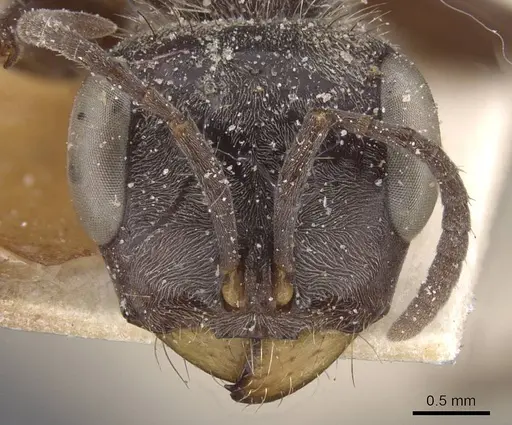
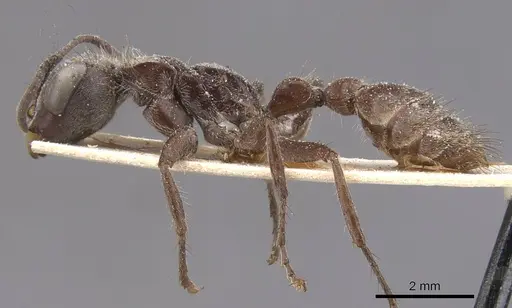
Pseudomyrmex unicolor is a large, slender ant found across the Neotropical region, from Mexico down to Argentina . Workers are uniformly dark brown to black with long, raised hairs on their bodies, and are among the larger species in the genus . Originally described by Fred Smith in 1855 from Brazil, this species has a tangled taxonomic history - it was once placed in the genus Pseudomyrma, and several names like Pseudomyrma atra and Pseudomyrma mutilloides have since been synonymized under it . These ants live in trees, nesting in vegetation rather than in the ground. They are active predators with large eyes and good vision, using their sting to hunt prey and defend themselves.
Quick Summary
- Difficulty: Medium
- Origin & Habitat: Neotropical region, found in Argentina, Bolivia, Brazil, Ecuador, French Guiana, Guyana, Mexico, Paraguay, Peru, Suriname, and Colombia (Guaviare and Meta departments) [1][4][7]. In Mexico it has been recorded in Jalisco state [2]. They inhabit tropical forests including the Amazon rainforest and Pantanal wetlands [8].
- Colony Type: Colony structure is not well documented for this species. Pseudomyrmex species usually form single-queen colonies, but some within the genus can have multiple queens. More research is needed on the specific colony structure of P. unicolor.
- Size & Growth:
- Queen: Estimated 8-10 mm based on Pseudomyrmex genus patterns (direct measurements unavailable)
- Worker: Body length not directly measured from literature, head width suggests a large species, estimated 6-8 mm total length (inferred from Pseudomyrmex genus) [4]
- Colony: Unknown for this species, Pseudomyrmex colonies typically reach several hundred workers (estimated from related species)
- Growth: Moderate (inferred from typical Pseudomyrmex development)
- Development: Estimated 6-8 weeks at tropical temperatures (24-28°C) (Development time inferred from related Pseudomyrmex species, specific data for P. unicolor is not available.)
- Antkeeping:
- Temperature: Keep at 24-28°C. These are tropical ants and need steady warmth. A small heating cable on one side of the nest creates a gradient. Avoid letting temperatures drop below 20°C for long periods.
- Humidity: High humidity (keep the nest substrate consistently moist but not waterlogged). These ants come from humid tropical forests, so provide a water source and good ventilation.
- Diapause: No, as a tropical species, they do not need hibernation. Keep temperatures stable year-round.
- Nesting: Arboreal nesters, they naturally live in vegetation, hollow stems, or under bark. In captivity, use a naturalistic setup with vertical climbing structures (branches, cork bark) or a formicarium built for arboreal ants. Y-tong (AAC) or plaster nests with vertical chambers work well. Provide plenty of climbing surfaces.
- Behavior: Pseudomyrmex unicolor is an active, diurnal hunter with excellent vision. Workers are fast and alert, foraging during the day. They have a functional sting and will use it if threatened, the sting is reportedly painful. Escape risk is high because they are agile climbers and slender enough to squeeze through small gaps. Use fluon or similar barriers.
- Common Issues: tropical temperature requirements, they may weaken or die if kept below 20°C for extended periods, arboreal nature, need vertical space and climbing surfaces, standard horizontal nests don't suit them, predatory diet, need live prey regularly, they won't thrive on sugar alone, high escape risk due to slender body and excellent climbing ability, secure all openings and use barriers, high humidity needs can cause mold if ventilation is poor
Housing and Nest Setup
Because Pseudomyrmex unicolor is arboreal, its housing should include vertical space and climbing surfaces. A naturalistic setup with live or artificial plants works well, they will nest in cork bark, hollow twigs, or plant stems. If you use a formicarium, choose one with vertical chambers and plenty of climbing opportunities. Y-tong (AAC) or plaster nests can be used, but add climbing structures. Test tubes are not ideal because they don't allow vertical movement. Always include a water source and keep the nest humid. Since these ants are excellent climbers, apply fluon or another barrier to the rim of the outworld to prevent escapes. [4][1]
Feeding and Diet
These ants are predatory hunters and need a protein-rich diet. Offer small live insects such as fruit flies, pinhead crickets, small mealworms, and aphids. They actively hunt and subdue their prey. Some Pseudomyrmex species will occasionally take honey or sugar water, but protein should be the main food. Feed every 2-3 days and remove uneaten prey after 24 hours. Always provide fresh water. [1]
Temperature and Seasonal Care
Pseudomyrmex unicolor is tropical and needs warm conditions all year. Keep the nest area at 24-28°C (75-82°F). A heating cable or heat mat on one side creates a temperature gradient. Do not let temperatures fall below 20°C for long, this can weaken and eventually kill the colony. There is no diapause requirement, so maintain stable warmth even in winter. [8][1]
Behavior and Temperament
Pseudomyrmex unicolor is active, fast-moving, and a daytime forager. Workers have good vision and patrol their territory aggressively. They have a functional sting and will use it if provoked, the sting is reportedly painful. These ants are not shy and will investigate threats. Provide climbing branches and other enrichment to match their natural arboreal behavior. Because they are slender and great climbers, escape prevention is very important. [4][1]
Colony Development
Colony growth is moderate. A founding queen likely seals herself in a chamber (claustral founding, based on genus patterns) and rears her first brood alone. The first workers (nanitics) are usually smaller than mature workers. Once they emerge, the colony starts to expand. Pseudomyrmex colonies can reach several hundred workers over time. Growth rate depends on temperature and feeding. Be patient, these ants don't grow as fast as some tropical species. An established colony will have continuous brood (eggs, larvae, pupae) visible.
Frequently Asked Questions
Can I keep Pseudomyrmex unicolor in a test tube?
Test tubes are not ideal for this species. They are arboreal and need vertical space with climbing opportunities. A test tube restricts movement and doesn't fit their natural behavior. Use a naturalistic setup with vertical elements or a formicarium designed for arboreal ants.
Do Pseudomyrmex unicolor ants sting?
Yes, they can sting. They have a functional stinger and will use it for defense. The sting is reported to be painful, similar to other Pseudomyrmex species. Handle with care and avoid provoking them.
What do Pseudomyrmex unicolor ants eat?
They are predatory hunters and need live protein. Feed small insects like fruit flies, pinhead crickets, small mealworms, and aphids. Some keepers report occasional acceptance of sugar water or honey, but protein should be the main food. Remove uneaten prey after 24 hours.
How long does it take for first workers to appear?
Based on typical Pseudomyrmex development, expect the first workers (nanitics) in about 6-8 weeks at optimal tropical temperatures (24-28°C). This is an estimate, specific data for P. unicolor is not available. The queen stays in the founding chamber until the first workers emerge.
Do Pseudomyrmex unicolor need hibernation?
No. As a tropical species, they don't require hibernation. Keep them at 24-28°C year-round. Prolonged temperatures below 20°C can be harmful.
Are Pseudomyrmex unicolor good for beginners?
This species is rated medium difficulty. They have specific needs, high humidity, warm temperatures, and a live-food diet. They are also skilled escape artists because of their climbing ability. Beginners should only try them if they can maintain tropical conditions and secure the setup.
How big do Pseudomyrmex unicolor colonies get?
Colony size is not well documented for this species, but Pseudomyrmex colonies typically reach several hundred workers. Growth is moderate, and established colonies can become very active.
When should I move them to a formicarium?
Move them when the test tube or founding setup gets too small, usually when you have 20-30+ workers and the colony is actively foraging. Pseudomyrmex ants do well in naturalistic setups with vertical climbing space. Make sure the formicarium has good humidity control and escape prevention.
Why are my Pseudomyrmex unicolor dying?
Common causes: temperatures too low (below 20°C), low humidity, lack of protein food, or escape. These tropical ants are sensitive to cool conditions. Keep temperatures at 24-28°C, maintain high humidity, feed protein regularly, and check for any gaps, they are excellent climbers.
Can I keep multiple queens together?
This hasn't been documented for Pseudomyrmex unicolor. Most Pseudomyrmex species form single-queen colonies. Without specific evidence, it's best to start with one queen.
Report an Issue
The current care sheet is based fully on literature. See inconsistencies, or something that's incorrect? Please , it will be resolved after review from an admin. Contributing to the blogs tab also helps providing information, to make us be able to further improve the caresheets. Thank you for your support!
References

This caresheet is licensed under CC BY-SA 4.0 .
Community Blogs
CASENT0005855
View on AntWeb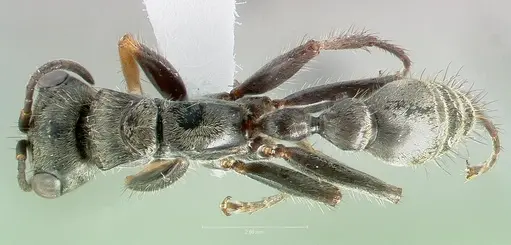
CASENT0902855
View on AntWeb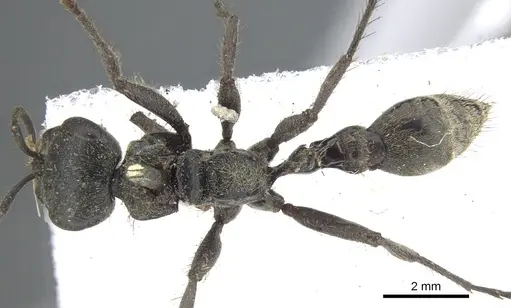
CASENT0904043
View on AntWeb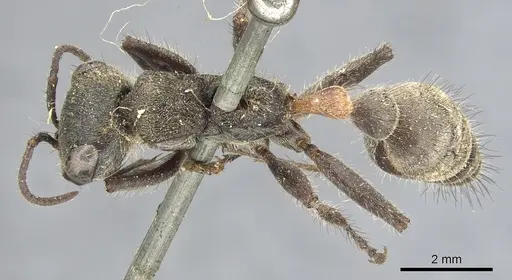
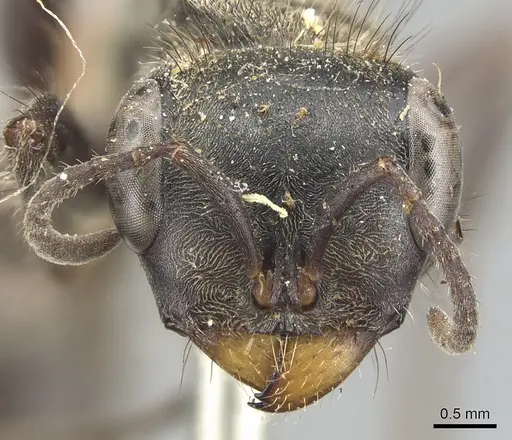
CASENT0915521
View on AntWeb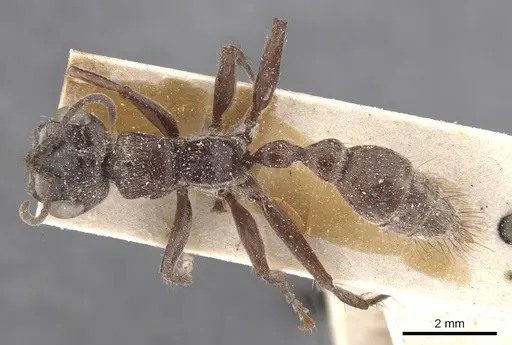
Literature
Loading distribution map...Loading products...