
Pseudomyrmex triplarinus
- Sci. Name
- Pseudomyrmex triplarinus
- Tribe
- Pseudomyrmecini
- Subfamily
- Pseudomyrmecinae
- Author
- Weddell, 1850
- Distribution
- Found in 8 countries
Introduction
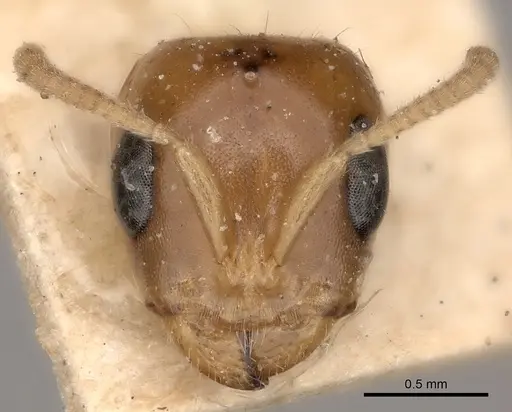
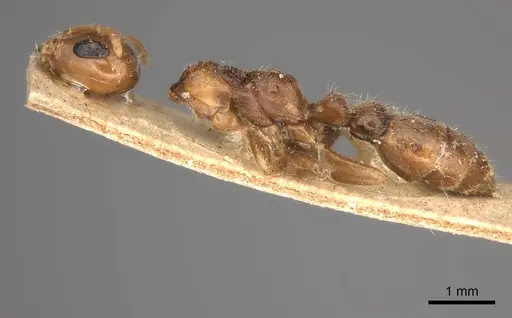
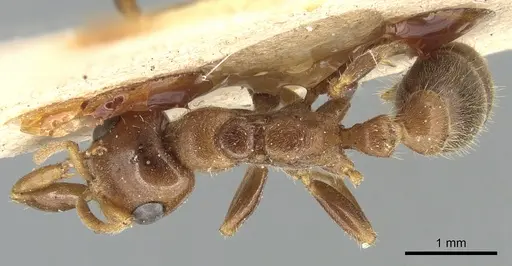
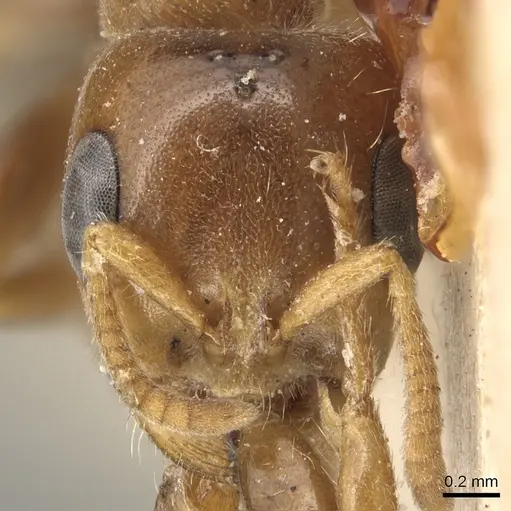
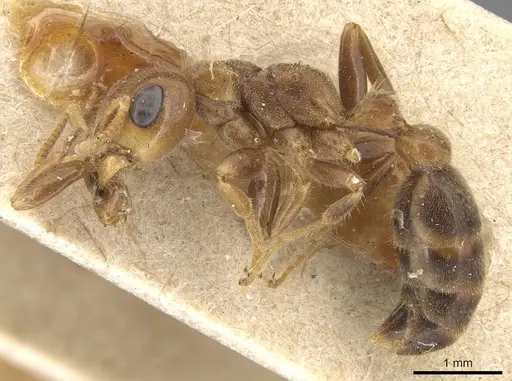
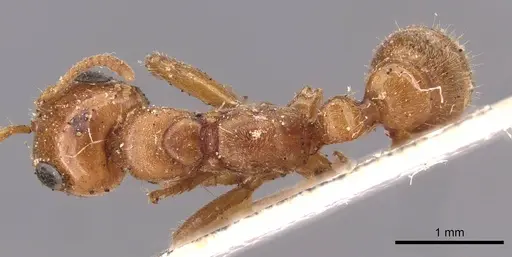
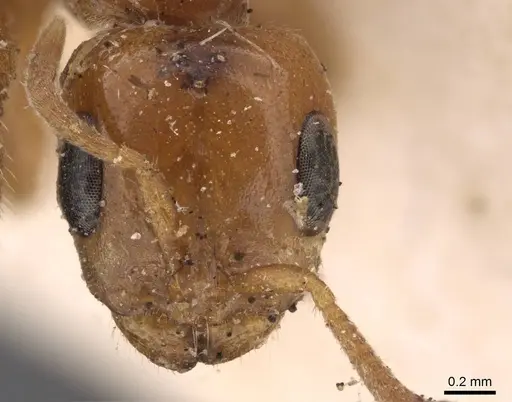
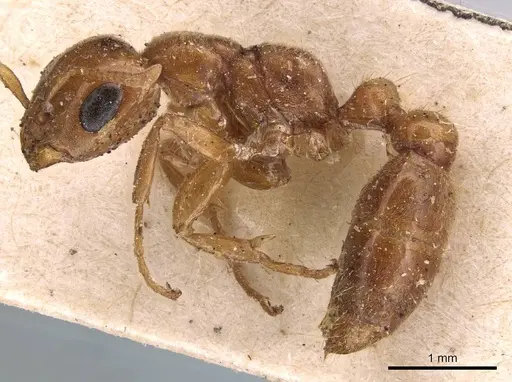
Pseudomyrmex triplarinus is a relatively large Neotropical ant that lives exclusively inside Triplaris trees (Polygonaceae) . Workers have a broad head, long legs, and abundant standing hairs on the body. Color ranges from light yellow-brown to dark-brown . What makes this species stand out is its fierce defense: workers will attack and sting anything that touches their host tree, and they clear plants from the base of the tree . Their venom contains anti-inflammatory compounds called myrmexins, but the sting itself is intensely painful and can last for hours . Unlike many ants, these do not leave their tree to hunt - they feed on coccids they tend, honeydew from those coccids, and nematodes in tree internodes .
Quick Summary
- Difficulty: Expert
- Origin & Habitat: Neotropical region: Argentina, Bolivia, Brazil, Colombia, Ecuador, Peru [3][7]. This species is an obligate symbiont of Triplaris trees, living inside hollow stems (domatia) in tropical forests across the Amazon basin and into the pantanal [3][1].
- Colony Type: Based on typical Pseudomyrmex patterns, colonies are likely monogyne (single queen). Each colony inhabits a single host tree for its entire lifespan [1].
- Size & Growth:
- Queen: Size data unavailable, head width approximately 1.46-1.60 mm (based on genus) [8]. Total length not documented.
- Worker: Size data unavailable, workers are relatively large for the genus. Head width approximately 1.00-1.41 mm [3].
- Colony: Up to about 10,000 workers based on subfamily patterns [9]
- Growth: Moderate, estimated 6-10 weeks from egg to first worker (genus-level estimate)
- Development: Unknown, not directly studied, estimated 6-10 weeks based on tropical Pseudomyrmex species (Development timeline has not been studied for this species.)
- Antkeeping:
- Temperature: Tropical species, keep at 24-28°C year-round. Use a heating cable on one side of the nest to create a gentle gradient. Do not allow temperatures below 22°C [4].
- Humidity: High humidity. Keep the nest substrate consistently moist but not waterlogged. Mist occasionally. These ants come from humid forest understory [4].
- Diapause: No. They are active year-round and do not require cooling. Maintain warm conditions [4].
- Nesting: This is the biggest challenge. P. triplarinus is an obligate plant-dweller that requires hollow stems or artificial domatia. Standard test tubes and formicaria are unsuitable. Use bamboo sections, custom-built stem mimics, or (ideally) a live Triplaris plant. All food must be provided inside or next to the nest structure [1][2][4].
- Behavior: Extremely aggressive and defensive. Workers sting anything that contacts their tree, and they patrol actively, especially in late afternoon and early evening [4]. The sting is intensely painful, lasting about 8 hours with moderate edema [5]. These ants do not leave the tree to forage, so escape risk from the nest itself is low, but they will attack anything that enters their setup. Always use gloves and eye protection when handling.
- Common Issues: sting risk is severe, the venom causes intense, long-lasting pain and requires extreme caution when working with the colony., nesting is extremely difficult without proper domatia, they will not survive in standard formicaria., tropical conditions must be maintained year-round, any temperature drop below 22°C can be fatal., they do not accept typical ant foods, you must provide honeydew alternatives and coccid-like sugar sources., wild-caught colonies may also contain coccids that are essential for nutrition, removing them can cause colony decline.
Housing and Nesting Requirements
This is the most critical aspect of keeping Pseudomyrmex triplarinus. Unlike most ants, P. triplarinus is an obligate plant-dweller that MUST have hollow plant stems or artificial domatia [1][2]. In the wild they live in cavities inside Triplaris trees, with entrance slits about 120° around the stem from the leaf above [8]. They do not leave the tree to forage [4], so all food must be provided inside or right next to the nest. For captive housing, try hollow bamboo sections or custom-built plaster/acrylic nests with narrow chambers (about 1 cm wide) and multiple entrance slits. A live Triplaris plant would be ideal but is not practical for most keepers. This species is NOT suitable for beginners because of these specialized housing needs.
Feeding and Diet
In the wild, P. triplarinus never leaves its host tree to forage [4]. Workers feed on three main sources inside the domatia: coccids (scale insects) that live in the tree, honeydew from those coccids, and nematodes that eat ant refuse in the internodes [4]. The ants actively protect and transport the coccids to safe spots if the tree is damaged [4]. In captivity, you cannot fully replicate this diet. Offer sugar water or honey water in cotton wicks placed near nest entrances. You can also try introducing a coccid colony into the setup (very difficult). Protein is not likely to be accepted, small insect pieces may be ignored. Monitor and remove uneaten food to prevent mold.
Temperature and Seasonal Care
As a tropical species, P. triplarinus needs warm, stable temperatures year-round. Keep the nest at 24-28°C, with a slight gradient (heating cable on top of one side) so workers can choose [4]. Do not let the nest drop below 22°C. These ants do not need hibernation or cooling. However, they show less activity during rainy periods [4], so you might simulate a wet season with extra misting once in a while. Maintain high humidity, the nest substrate should stay moist (but not flooded) and you can mist the outworld occasionally.
Behavior and Defense
Pseudomyrmex triplarinus is one of the most aggressive ant species kept in captivity. Workers will immediately attack and sting anything that touches their host plant [3][4]. They patrol actively, especially in the late afternoon and early evening [4]. If a leaf-cutter ant comes too close, they will attack it [4]. The sting is extremely potent. Their venom contains 12 proteins with molecular weights between 4,200 and 100,000 Da [5]. The pain is instant and intense, lasting about 8 hours, with some swelling but no pustules (unlike fire ant stings) [5]. The venom also has anti-inflammatory myrmexins [6][10]. When working with this species, always wear gloves and eye protection. Never open the nest without preparation, better to avoid hands-on contact altogether.
Colony Establishment
Establishing a P. triplarinus colony in captivity is very difficult. Queens are obligate symbionts of Triplaris trees, so founding behavior is likely tied to finding a suitable host [1]. If you obtain a queen, give her immediate access to a hollow stem or artificial domatium. The founding type is unconfirmed, but based on the genus, queens may seal themselves in (claustral) or be semi-claustral, we do not know. Success is unlikely without domatia. Wild-caught colonies often contain coccids that the ants rely on for food, try to keep those coccids alive [4]. Given the extreme difficulty, this species is best left in the wild or kept only by experienced researchers with specialized setups.
Frequently Asked Questions
Can I keep Pseudomyrmex triplarinus in a test tube?
No. Pseudomyrmex triplarinus requires hollow plant stems or artificial domatia. Standard test tubes and formicaria are not suitable. You must use bamboo sections, plaster nests with narrow chambers, or a live Triplaris plant.
How long does it take for the first workers to emerge?
The development timeline has not been documented for this species. Based on tropical Pseudomyrmex, you can estimate 6-10 weeks from egg to worker at 24-28°C, but this is an educated guess.
Do Pseudomyrmex triplarinus ants sting?
Yes, and the sting is extremely painful. Workers will attack anything that contacts their host tree. The venom causes intense pain lasting about 8 hours with moderate swelling. Unlike fire ants, there are no pustules. Handle with extreme caution.
Are Pseudomyrmex triplarinus good for beginners?
No. This species is rated Expert difficulty because of its specialized housing needs (domatia), powerful sting, and unusual diet. It is not recommended for any antkeeper without significant experience and proper safety equipment.
What do Pseudomyrmex triplarinus eat?
In the wild they eat coccids (scale insects), honeydew from coccids, and nematodes inside the tree. They do not leave the tree to forage. In captivity, offer sugar water or honey water. Protein is unlikely to be accepted.
Do Pseudomyrmex triplarinus need hibernation?
No. As a tropical species they are active year-round and do not require cooling. Keep warm at all times (24-28°C).
How big do Pseudomyrmex triplarinus colonies get?
Based on subfamily patterns, colonies can reach up to about 10,000 workers [9]. However, because they are tied to a single host tree, colony size may be limited by available domatia space.
Why are my Pseudomyrmex triplarinus dying?
The most likely cause is unsuitable housing. Without hollow stems or domatia they will fail to thrive. Also check temperature (must stay above 22°C), humidity (high), and food (sugar water nearby). Stress from improper handling can also be fatal.
Can I keep multiple queens together?
This is not recommended. Pseudomyrmex triplarinus is likely monogyne. There is no evidence for polygyny, and keeping multiple queens would require multiple suitable host structures which is impractical.
When will Pseudomyrmex triplarinus alates (reproductives) appear?
The timing of nuptial flights is unknown. As a tropical species, alates likely emerge during the warm, wet season. Establishing a mature colony in captivity is extremely challenging, so observing alates is unlikely.
Report an Issue
The current care sheet is based fully on literature. See inconsistencies, or something that's incorrect? Please , it will be resolved after review from an admin. Contributing to the blogs tab also helps providing information, to make us be able to further improve the caresheets. Thank you for your support!
References

This caresheet is licensed under CC BY-SA 4.0 .
Community Blogs
Literature
Loading distribution map...Loading products...