
Pseudomyrmex tachigaliae
- Sci. Name
- Pseudomyrmex tachigaliae
- Tribe
- Pseudomyrmecini
- Subfamily
- Pseudomyrmecinae
- Author
- Forel, 1904
- Distribution
- Found in 2 countries
Introduction
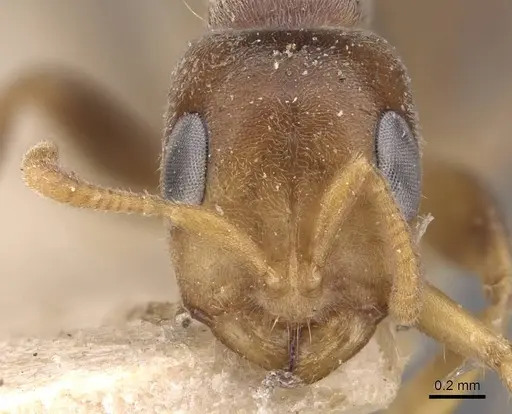
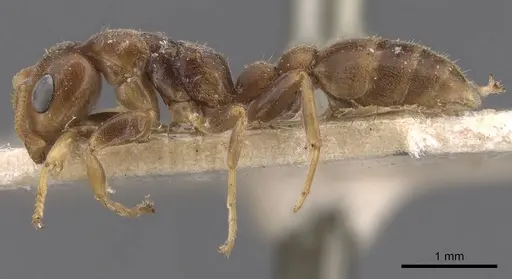
Pseudomyrmex tachigaliae is a small but fierce arboreal ant from the western Amazon basin in Peru and adjacent Brazil . Workers measure about 5 mm in total length, with bodies ranging from light yellow-brown to dark brown . This species is an obligate plant-ant that lives inside the swollen, hollow leaf bases (domatia) of Tachigali trees, especially Tachigali formicarum and T. tessmannii . It belongs to the Pseudomyrmex viduus group and forms a tight mutualism with its host: the ants get shelter, and the plant gets aggressive defense against herbivores. What makes this ant stand out is its extreme aggression and painful sting . Even a light tap on the plant triggers a mass emergence of workers that patrol the entire tree and attack anything they perceive as a threat. Their defense is incredibly effective: in a study area in Peru, only 2 out of many inhabited young trees showed any herbivore damage over two years . They are one of the most dedicated plant defenders in the ant world.
Quick Summary
- Difficulty: Expert
- Origin & Habitat: Western Amazon basin in Peru and adjacent Brazil. Obligate inhabitant of Tachigali trees, nesting inside the domatia (swollen, hollow leaf bases) [1][2].
- Colony Type: Presumed single-queen colonies (monogyne) based on genus patterns, but not confirmed in this species. Queens are noticeably larger than workers [1].
- Size & Growth:
- Queen: Total length not directly documented. Queens are larger than workers, with head width over 1.44 mm, estimated total length around 6-7 mm based on related species [1].
- Worker: Approximately 5 mm total length [2].
- Colony: Colony size not documented for this species. Related Pseudomyrmex plant-ants often reach up to several hundred workers, so an estimate of up to 500 workers is reasonable [1].
- Growth: Moderate
- Development: Estimated 6-8 weeks, based on related Pseudomyrmex species [4]. (Specific data for P. tachigaliae are unavailable. The estimate assumes stable tropical temperatures (24-28°C).)
- Antkeeping:
- Temperature: Keep at 24-28°C. As a tropical Amazonian ant, it needs stable warmth. Room temperature may work if your home is warm, but a gentle heat mat on the side of the nest helps [2].
- Humidity: High humidity is essential, aim for 70-85% relative humidity. The nest substrate should be consistently moist but not waterlogged. Use a water test tube or drip system to maintain moisture [2].
- Diapause: No, this tropical species does not need hibernation. Keep the colony active year-round with stable temperatures [2].
- Nesting: These ants naturally live inside plant domatia. In captivity, use arboreal setups with vertical chambers, Y-tong (AAC), plaster, soil, or 3D-printed nests work well. Avoid acrylic nests. Provide small test tubes as humidity sources and mimic hollow plant structures.
- Behavior: Extremely aggressive and ready to sting [2]. Even slight disturbances cause a mass emergence of workers that patrol and attack. Their sting is very painful, so use extreme caution when servicing the colony. They are diurnal, actively hunting small prey during the day. Escape risk is moderate due to their ~5 mm size, ensure tight seals on all openings.
- Common Issues: extreme aggression makes colony maintenance hazardous, the sting is very painful [2]., requires high tropical humidity year-round, poor ventilation leads to mold and respiratory issues., needs a specialized arboreal setup (vertical chambers), standard ground formicariums are unsuitable., colonies may struggle after being removed from their natural Tachigali host plant, stress can cause decline., not for beginners, you need experience with aggressive tropical arboreal ants.
Housing and Nest Setup
Pseudomyrmex tachigaliae needs housing that mimics the domatia of its host plant. Unlike ground-nesters, these ants live inside hollow plant structures. Use a vertical or naturalistic setup: Y-tong (AAC) blocks with drilled chambers, plaster nests, or 3D-printed nests with vertical compartments work well. Connect the nest to a foraging area (outworld). Avoid acrylic nests, they don't breathe well and can cause condensation issues.
Provide a small test tube with water (plugged with cotton) as a humidity source inside the nest. The nest substrate should be kept moist but not wet. Because the ants are small (5 mm), seal all gaps and tubes with cotton or fluon to prevent escapes. A vertical setup helps them feel secure, similar to living in a tree branch. [1][2]
Feeding and Diet
P. tachigaliae is a predator of small arthropods. In the wild, workers patrol the host plant and catch insects that might damage the leaves. Offer small live prey: fruit flies, small crickets, pinhead roaches, and soft-bodied insects like mealworm larvae. They may also take sugar water or honey water, especially when brood is present, but protein should be the main food.
Feed every 2-3 days, adjust based on colony consumption. Remove uneaten prey after 24 hours to prevent mold. A constant but tiny sugar water source is optional, test acceptance. [1]
Temperature and Care
Maintain temperatures at 24-28°C year-round. These are tropical ants adapted to stable warm conditions [2]. A small heat mat on one side of the nest can help, but avoid overheating above 30°C. Do not place heat underneath, use the side or top to prevent drying out the nest. Fluorescent or LED lights on a 12-hour cycle can simulate daylight.
Because they come from a non-seasonal climate, they do not need hibernation [2]. Keep the colony active all year. Monitor humidity closely, warm air dries out quickly. Mist the foraging area lightly if needed, but never flood the nest.
Behavior and Temperament
This is not a beginner-friendly ant. P. tachigaliae is extremely aggressive and will attack any perceived threat [2]. Even a gentle nudge to the nest causes workers to pour out in numbers and sting. Their sting is very painful, comparable to a bee sting although smaller [2]. In the wild, they provide near-perfect protection for their Tachigali host: in a study area, only 2 out of many inhabited trees showed any herbivore damage over two years [2].
Workers are diurnal and actively hunt during the day. They coordinate to subdue large prey and defend the colony. When keeping this species, minimize nest disturbances. Use long forceps for feeding and avoid touching the nest surface during maintenance. Have escape plans ready, if a large number of workers emerge, you may need to keep them contained.
Colony Establishment
Starting a colony of P. tachigaliae is challenging. Wild colonies are found inside Tachigali domatia, and removing them from the host plant is stressful. It is best to acquire a captive-bred colony if possible. If you start from a queen, provide a small test tube with high humidity. Founding behavior is unconfirmed, but based on genus patterns the queen likely seals herself in and raises the first workers on stored reserves. Once workers appear, offer small prey immediately.
Growth is moderate, expect several months before the colony reaches 20-30 workers. Wild-caught colonies may need extra care to adapt to captivity. Keep conditions stable and watch for signs of stress (workers dying, refusing food). [1][2]
Frequently Asked Questions
Is Pseudomyrmex tachigaliae good for beginners?
No. This species is only for experienced ant keepers. Their extreme aggression, painful sting, and specialized arboreal requirements make them unsuitable for beginners [2].
Do Pseudomyrmex tachigaliae ants sting?
Yes, and the sting is very painful [2]. Despite being only about 5 mm long, they have a potent sting and are extremely aggressive. Use extreme caution when working with this species.
How long does it take for the first workers to emerge?
Specific data is not available, but based on related Pseudomyrmex species, expect 6-8 weeks from egg to worker under optimal conditions (24-28°C) [4].
Can I keep multiple queens together?
This is not recommended. The species is thought to be monogyne based on genus patterns, though it is not confirmed. Multiple unrelated queens are likely to fight. Keep colonies with a single queen.
What do Pseudomyrmex tachigaliae eat?
They are predators of small arthropods. Offer live prey like fruit flies, small crickets, and pinhead roaches. They may also take sugar water, but protein is the main food. Remove uneaten items after 24 hours [1].
Do they need hibernation?
No. As tropical Amazonian ants, they do not require hibernation. Keep the colony active all year with stable warm temperatures (24-28°C) [2].
What size do colonies reach?
Colony size for this species is not documented, but related Pseudomyrmex plant-ants often have up to several hundred workers. An estimate of up to 500 workers is reasonable [1].
What makes this ant special?
P. tachigaliae forms a tight mutualism with Tachigali trees, providing exceptional protection against herbivores. Researchers recorded almost no feeding damage on trees inhabited by these ants [2]. Their extreme aggression and painful sting make them one of the most effective plant defenders among ants.
Can I keep them in a test tube setup long-term?
Test tubes are suitable only for founding colonies. Established colonies need an arboreal setup with vertical chambers that mimic domatia. Use Y-tong, plaster, or 3D-printed nests connected to a foraging area [1].
Are they escape artists?
Escape risk is moderate. Workers are about 5 mm, not tiny, but they are active and agile. Use tight-fitting lids and seal all gaps in tubing and connections. Apply fluon or PTFE barriers on the foraging area rim if needed [2].
Report an Issue
The current care sheet is based fully on literature. See inconsistencies, or something that's incorrect? Please , it will be resolved after review from an admin. Contributing to the blogs tab also helps providing information, to make us be able to further improve the caresheets. Thank you for your support!
References

This caresheet is licensed under CC BY-SA 4.0 .
Community Blogs
CASENT0281899
View on AntWeb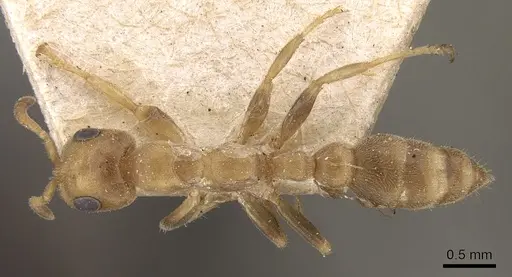
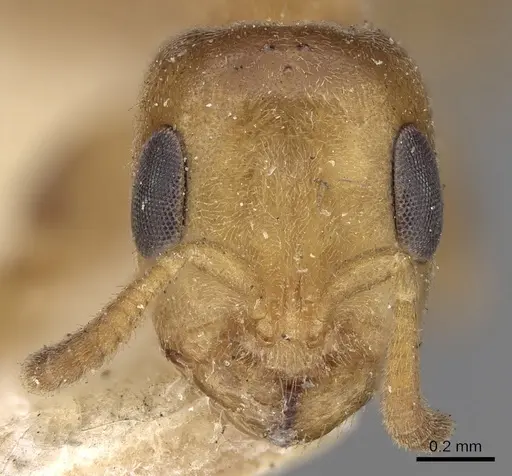
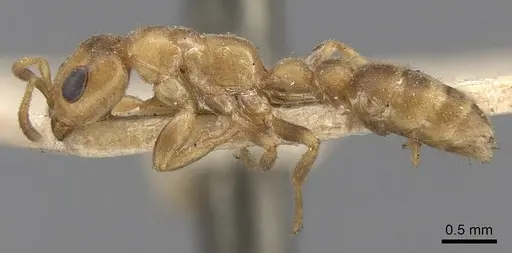
CASENT0907549
View on AntWeb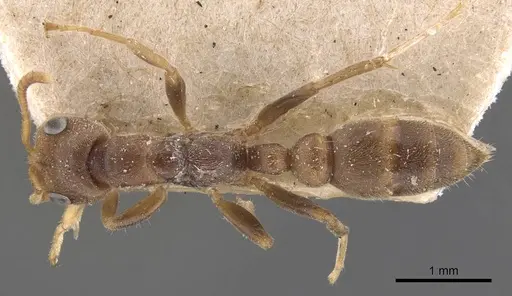
Literature
Loading distribution map...Loading products...