
Pseudomyrmex spinicola
- Sci. Name
- Pseudomyrmex spinicola
- Tribe
- Pseudomyrmecini
- Subfamily
- Pseudomyrmecinae
- Author
- Emery, 1890
- Distribution
- Found in 5 countries
Introduction
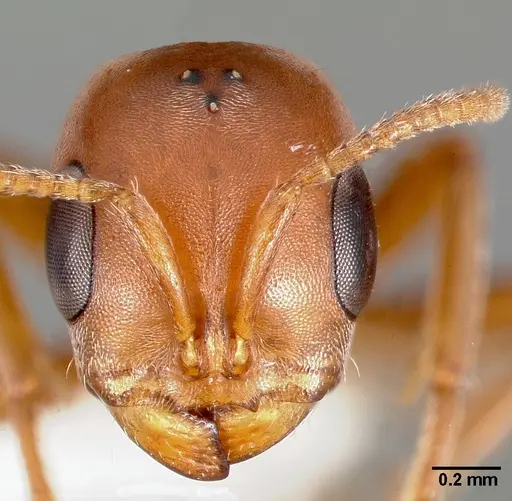
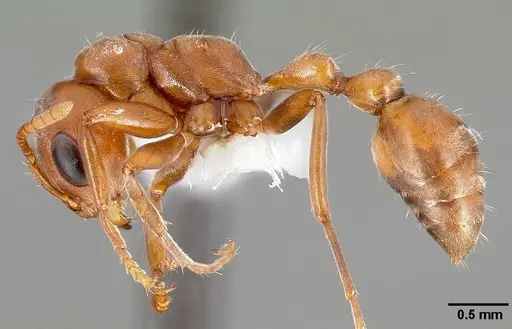
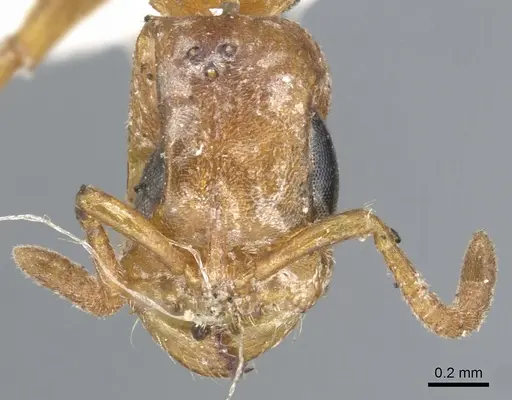
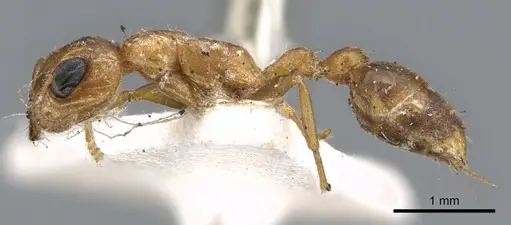
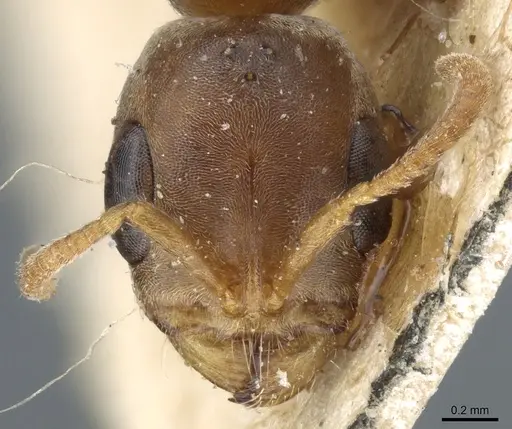
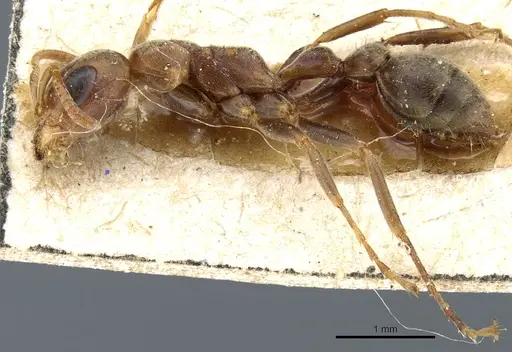
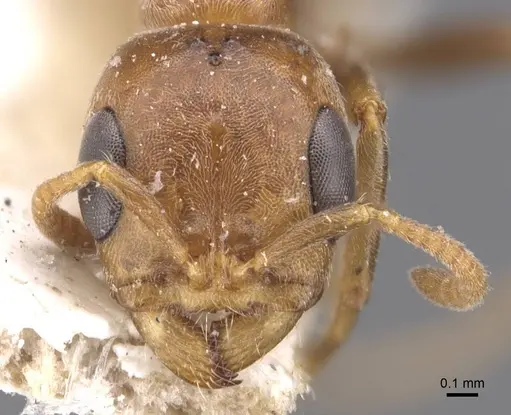
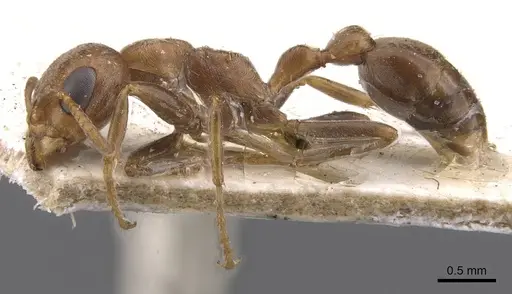
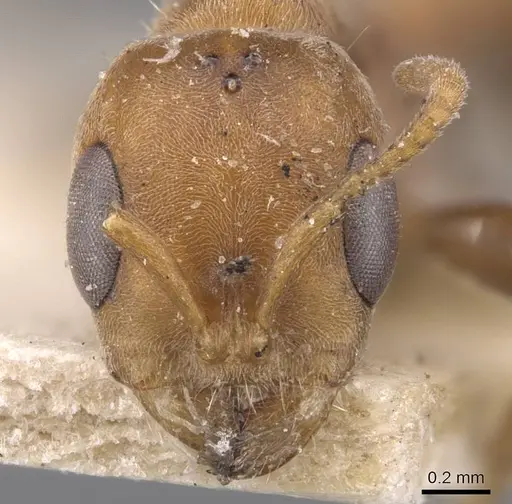
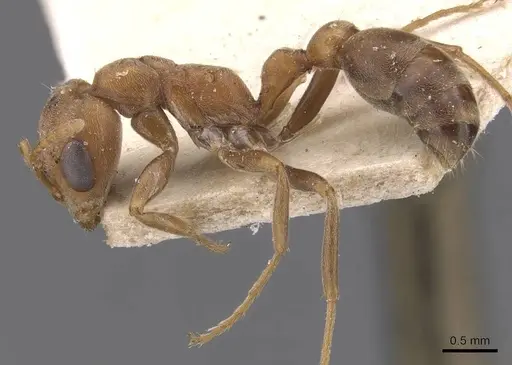
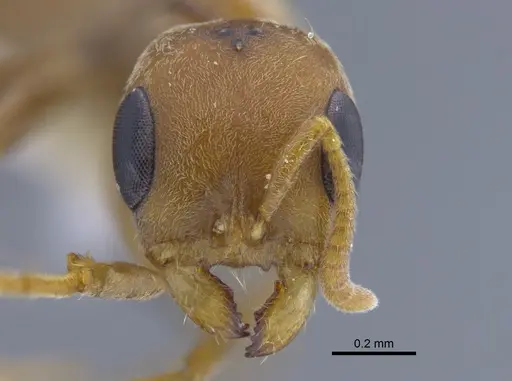
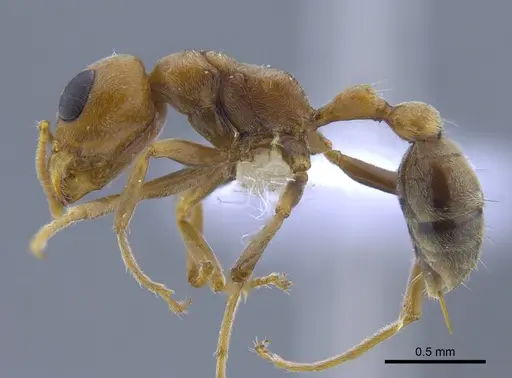
Pseudomyrmex spinicola is a medium-sized ant native to Central America, ranging from Honduras to Colombia . Workers show a distinctive appearance: a short, broad, emarginate (notched) median clypeal lobe, an elongate petiole, and prominent propodeal spiracles . Their color ranges from light orange-brown to dark brown. This species is best known as an obligate mutualist of Vachellia acacia trees: they live inside the tree's swollen, hollow thorns (domatia) and defend the tree against herbivores while pruning encroaching vegetation . What makes P. spinicola particularly interesting is its division of labor: workers specialize as either 'trunk-ants' that guard the base of the tree or 'leaf-ants' that forage on leaves . The colony produces alates year-round, with roughly 20 alates per day (10 males,10 females) . As a member of the subfamily Pseudomyrmecinae, these ants have a functional stinger and are aggressive defenders of their host tree .
Quick Summary
- Difficulty: Expert
- Origin & Habitat: Neotropical region from Honduras to Colombia, found in dry forests and forested areas of Costa Rica, Panama, Nicaragua, El Salvador, Belize, Mexico, and Colombia [1][2]. Obligate inhabitants of Vachellia (swollen-thorn acacia) trees, primarily Vachellia collinsii but also V. allenii and Acacia cornigera [1][7].
- Colony Type: Monogyne (single queen per colony) [6][8][9]. Colonies inhabit the hollow thorns (domatia) of acacia trees.
- Size & Growth:
- Queen: Size data unavailable
- Worker: Size data unavailable
- Colony: Unknown, colony size linked to host tree size, estimates from related species suggest up to a few hundred workers [5]
- Growth: Moderate
- Development: Unknown (estimated 6-8 weeks based on typical tropical ant development, but no published data) (Brood production is likely steady year-round due to the tropical climate, with colony growth tied to the host tree's growth [10])
- Antkeeping:
- Temperature: Tropical species: keep at 24-28°C. Provide gentle warmth, they are adapted to warm Neotropical conditions [2].
- Humidity: Moderate to high, being arboreal, they prefer humid conditions but not saturated. The host acacia trees naturally grow in areas with distinct wet/dry seasons, so some seasonal variation is acceptable.
- Diapause: No, as a tropical species they do not require hibernation. Brood production continues year-round [6].
- Nesting: This is the critical challenge: P. spinicola is an obligate acacia ant that cannot survive without its host plant. They nest inside hollow thorns (domatia) and will not thrive in conventional formicaria. This species is NOT recommended for captive breeding except by very advanced keepers with access to living Vachellia plants.
- Behavior: Highly aggressive and territorial, they defend their host tree fiercely against any threat [3]. Workers show clear task specialization: trunk-ants stand guard at the base of the tree while leaf-ants patrol the leaves [5]. They have a functional stinger and will bite and sting intruders. Workers feed on nectar from extrafloral nectaries and collect Beltian bodies (protein‑rich food bodies) to feed larvae [11][4]. They also prune vegetation around the host tree, creating a clearing [4]. Escape prevention is important as they are active and determined.
- Common Issues: This species is an obligate acacia mutualist, it cannot be kept in standard formicaria and requires living Vachellia host plants, making captive breeding extremely difficult., Without a host tree, colonies will decline and die, they are specialized to live inside acacia thorns., Their aggressive nature and stinger make them difficult to handle during colony maintenance., Tropical temperature requirements mean they need consistent warmth year-round., Wild-caught colonies may be stressed from removal from the host tree and difficult to establish.
Why This Species Is Difficult to Keep
Pseudomyrmex spinicola is one of the most challenging ants to keep in captivity because it is an obligate mutualist, it cannot survive without its host Vachellia (acacia) tree [3][12]. In the wild, these ants live exclusively inside the hollow, swollen thorns (domatia) of acacia trees. They receive food from the tree (nectar from extrafloral nectaries and Beltian bodies) and in return defend the tree against herbivores and prune encroaching vegetation [4][11]. This tight ecological relationship means they cannot adapt to conventional nests like test tubes or acrylic formicaria. Only advanced keepers with access to living Vachellia plants should attempt to keep this species. Even then, establishing a colony is extremely difficult.
The Ant-Acacia Mutualism
P. spinicola represents a classic example of ant-plant mutualism in the Neotropics. The ants live inside specialized hollow thorns (domatia) produced by the acacia tree specifically for them [4]. The tree provides food through extrafloral nectaries (nectar-producing glands on leaves and stems) and Beltian bodies (protein-rich structures on leaf tips) [11]. In return, ants aggressively defend the tree against herbivores and prune nearby vegetation, creating a clearing around the host tree, workers travel up to 2 meters from the tree to kill competing plants [4]. P. spinicola creates larger clearances than other acacia ant species, prunes thicker vegetative tissue, and has broader heads that allow stronger mandibular force for pruning [2]. The relationship is obligate for the ant, P. spinicola cannot survive without its host tree.
Task Specialization and Colony Structure
Like other acacia ants, P. spinicola shows remarkable division of labor with two distinct worker types [5]. 'Trunk-ants' specialize in defense, they stand motionless at the base of the tree with heads directed downward, ready to attack any intruder. 'Leaf-ants' forage on the leaves, patrol for herbivores, and handle brood care. This specialization increases with colony size, larger colonies have more specialized defenders [5]. The colony is monogynous (single queen) that lives protected inside a thorn domatium [6][8]. Alate production occurs year-round, with colonies producing approximately 20 alates per day (10 males and 10 females) [6]. The queen produces alates continuously as the colony grows with its host tree.
Temperature and Care Requirements
As a tropical species from Central America, P. spinicola requires warm temperatures around 24-28°C [2]. They are adapted to year-round activity in the tropics and do not enter diapause, brood production continues throughout the year [6][10]. If attempting to keep this species (which requires a Vachellia host plant), maintain warm, humid conditions similar to a greenhouse environment. The host acacia trees naturally grow in areas with wet and dry seasons, so some seasonal variation in humidity may be acceptable. However, this species should only be kept by expert antkeepers with proper facilities, conventional ant-keeping methods will not work for this obligate plant mutualist.
Defense and Foraging Behavior
P. spinicola workers are highly aggressive defenders of their host tree. They swarm from domatia to bite and sting any foreign object contacting the tree [3]. They use complex behavioral and chemical cues for nestmate recognition, primarily cuticular hydrocarbons [3]. Workers exclusively feed on nectar produced by extrafloral nectaries on all leaves, while larvae are fed protein-rich Beltian bodies harvested from young leaf tips [4][11]. Workers rarely leave the tree except to prune encroaching vegetation, they travel about 2 meters from the host tree to kill competing plants, creating a circular clearing [4]. They also patrol neighboring acacia seedlings. This specialized lifestyle means they do not forage for food like ground-nesting ants.
Frequently Asked Questions
Can I keep Pseudomyrmex spinicola in a test tube or formicarium?
No, this is an obligate acacia ant that cannot survive in conventional ant nests. They require living Vachellia (acacia) host plants to nest inside. This species is not suitable for captive breeding except by expert keepers with access to appropriate host plants [3][12].
What do Pseudomyrmex spinicola ants eat?
Adult workers feed on nectar from the extrafloral nectaries of their host acacia tree. Larvae are fed Beltian bodies, protein-rich food bodies produced on the tips of young acacia leaves. They do not forage for other food sources like typical ants [4][11].
Do Pseudomyrmex spinicola ants sting?
Yes. As members of the subfamily Pseudomyrmecinae, they have functional stingers. They are aggressive defenders of their host tree and will readily sting intruders. Their sting is painful compared to many common ants [3].
How big do Pseudomyrmex spinicola colonies get?
Colony size is linked to the growth of their host acacia tree. Based on related species, colonies likely reach several hundred workers. They produce alates year-round, approximately 20 per day (10 males,10 females) [6].
Do Pseudomyrmex spinicola need hibernation?
No. As a tropical species, they do not require hibernation. Brood production continues year-round due to the consistent tropical climate [6][10].
Are Pseudomyrmex spinicola good for beginners?
No. This species is not recommended for beginners or even intermediate antkeepers. They are obligate mutualists requiring living Vachellia host plants, they cannot be kept in conventional nests. Only expert antkeepers with access to appropriate facilities should attempt this species [12][3].
Where is Pseudomyrmex spinicola found?
This species ranges from Honduras south through Costa Rica, Panama, Nicaragua, El Salvador, and into Colombia [1][2]. They are primarily found in dry forests, particularly associated with Vachellia collinsii acacia trees.
How long does it take for first workers to emerge?
Exact development time is not documented in the literature. Based on typical tropical ant development rates, it may take 6-8 weeks, but this is speculative. No published data are available for P. spinicola specifically.
Can I keep multiple queens together?
No. P. spinicola is monogynous, colonies have a single queen [6][8]. Multiple queens have not been documented in this species, and combining unrelated queens is not recommended.
Why are my Pseudomyrmex spinicola dying?
Without a living Vachellia host plant, this species cannot survive. If you have a colony removed from its host tree, it will likely decline and die. These ants are ecologically specialized and cannot adapt to captive conditions without their mutualistic host plant [3][12].
What makes Pseudomyrmex spinicola different from other acacia ants?
P. spinicola creates larger clearances around their host trees than other acacia ant species (P. flavicornis and P. nigrocinctus). Their workers also prune thicker vegetative tissue and have broader heads, likely allowing stronger mandibular muscles for more robust pruning [2]. They are also the most common acacia ant in many areas, often outnumbering other Pseudomyrmex species on V. collinsii [3].
Report an Issue
The current care sheet is based fully on literature. See inconsistencies, or something that's incorrect? Please , it will be resolved after review from an admin. Contributing to the blogs tab also helps providing information, to make us be able to further improve the caresheets. Thank you for your support!
References

This caresheet is licensed under CC BY-SA 4.0 .
Community Blogs
CASENT0005800
View on AntWeb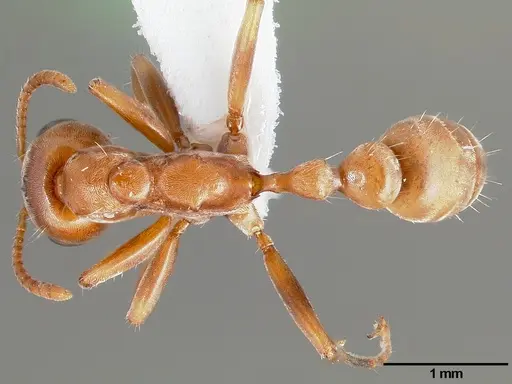
CASENT0902907
View on AntWeb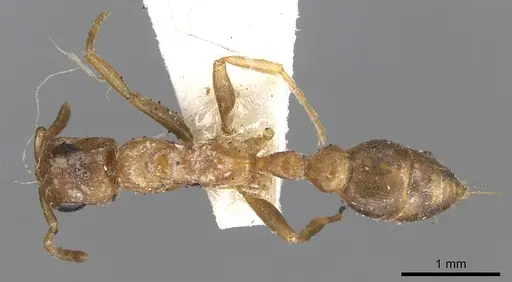
CASENT0904055
View on AntWeb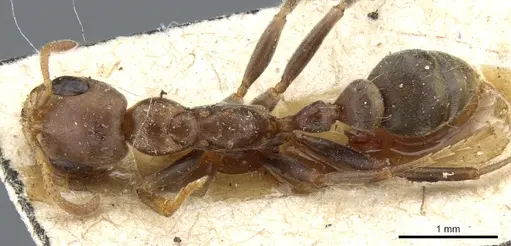
CASENT0907562
View on AntWeb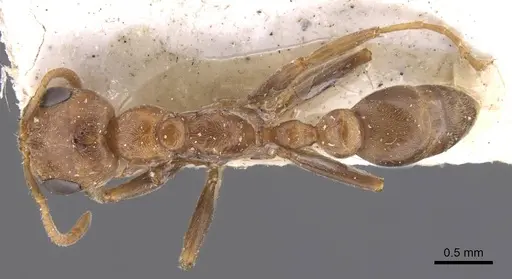
CASENT0907564
View on AntWeb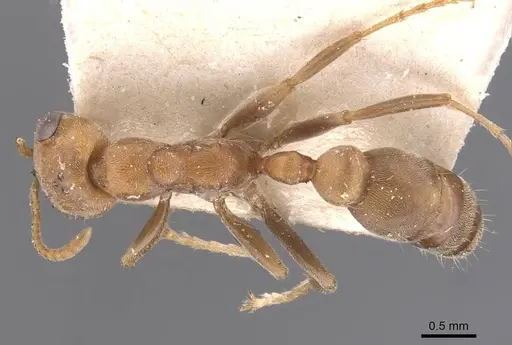
CBUMAGENT41761
View on AntWeb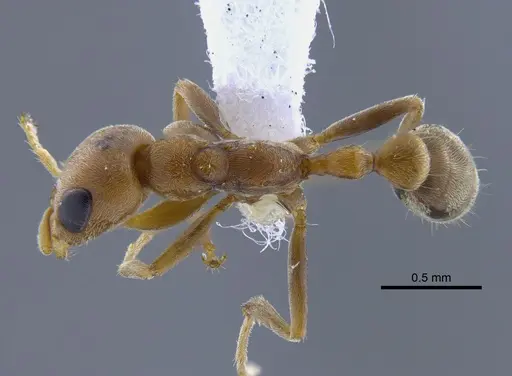
Literature
Loading distribution map...Loading products...