
Pseudomyrmex sericeus
- Sci. Name
- Pseudomyrmex sericeus
- Tribe
- Pseudomyrmecini
- Subfamily
- Pseudomyrmecinae
- Author
- Mayr, 1870
- Distribution
- Found in 13 countries
Introduction
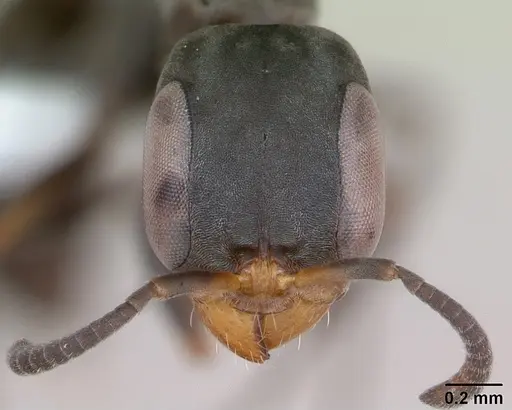
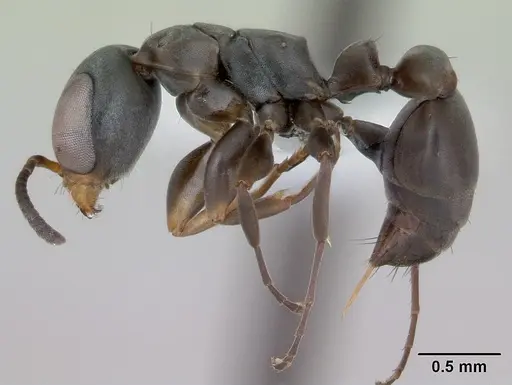
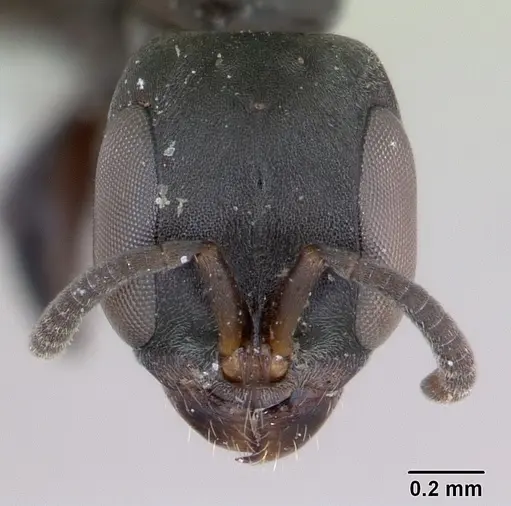
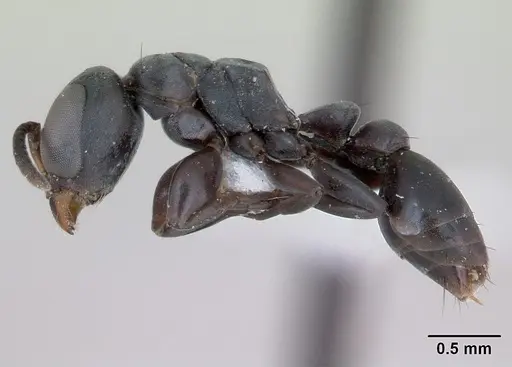
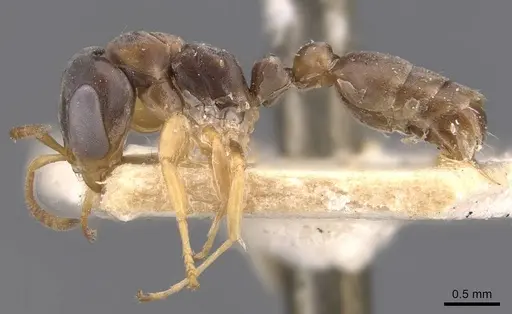
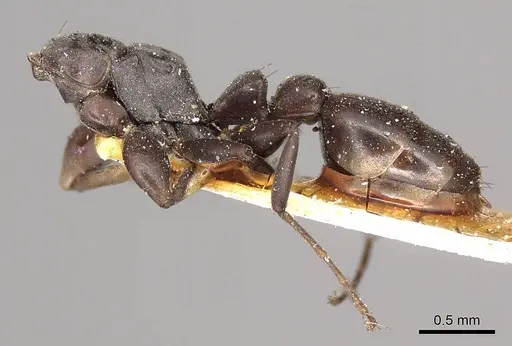
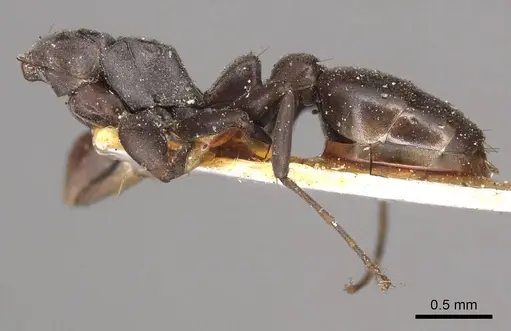
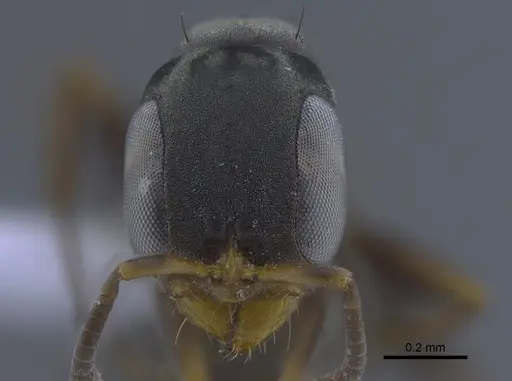
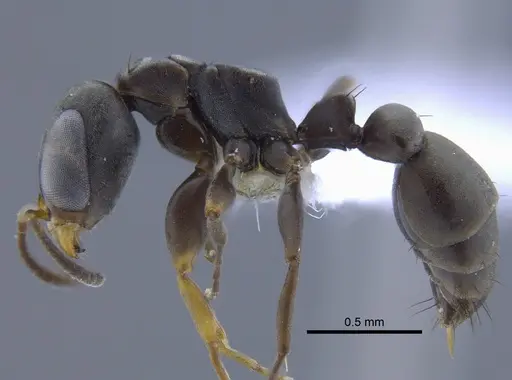
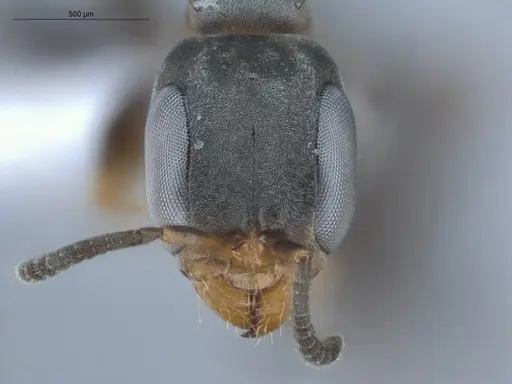
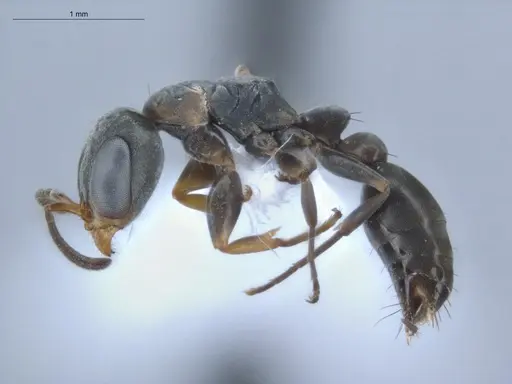
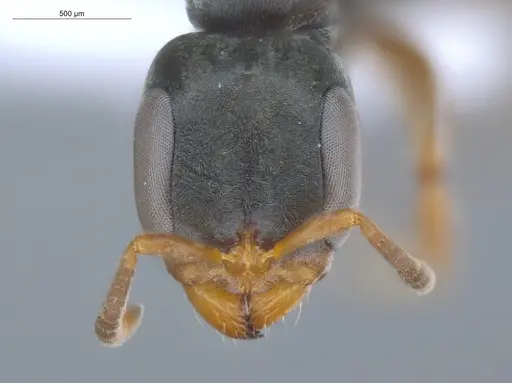
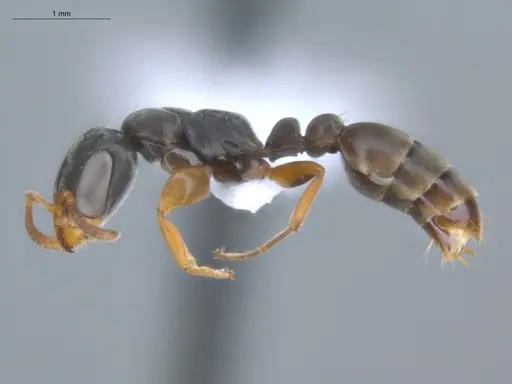
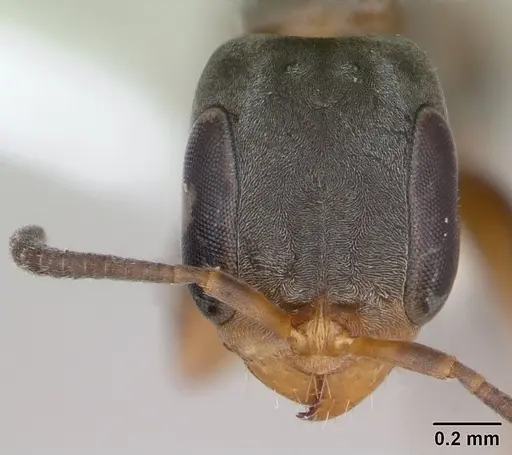
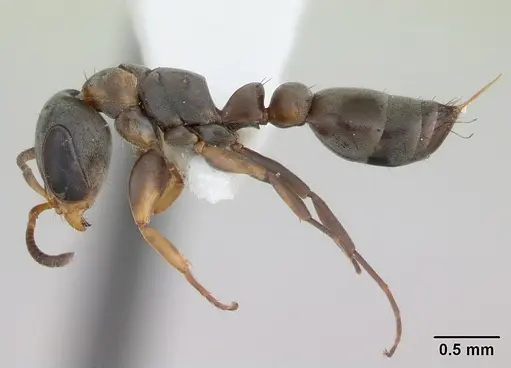
Pseudomyrmex sericeus is a medium-sized ant from the subfamily Pseudomyrmecinae. Workers are 4.5-5.5 mm long, have a silky‑shiny black body, and yellow mandibles, scape, and front legs . It belongs to the P. sericeus group and is a generalist twig‑nester found across the Neotropical region from Mexico to Argentina . These ants are diurnal, solitary foragers that patrol large areas using excellent vision, and they belong to the ‘agile Pseudomyrmecinae’ functional group . They nest in vegetation (twigs, hollow stems, fallen trunks) and visit extrafloral nectaries, making them important players in Neotropical ecosystems . Like other Pseudomyrmecinae, they have a well‑developed sting and aggressively defend their nest.
Quick Summary
- Difficulty: Medium
- Origin & Habitat: Neotropical region: Argentina, Belize, Brazil, Colombia, Costa Rica, Ecuador, Guatemala, Mexico, Panama, Paraguay, Peru, Trinidad and Tobago [3]. Found in tropical and subtropical forests at altitudes up to ~1000 m [5]. Nests in twigs, hollow stems, and sometimes fallen trunks [2][4], also recorded in swellings on branches of Cordia plants [6].
- Colony Type: Colony structure is not documented for this species. Based on typical Pseudomyrmex patterns, it is likely monogyne (single queen), but this is unconfirmed.
- Size & Growth:
- Queen: Estimated ~6-8 mm (inferred from Pseudomyrmex genus, not confirmed).
- Worker: 4.5-5.5 mm [1]
- Colony: Unconfirmed, likely up to several hundred workers based on general Pseudomyrmex patterns.
- Growth: Moderate, faster than temperate species due to tropical origin.
- Development: Estimated 4-8 weeks at optimal temperatures (24-28 °C), not confirmed for this species. (Development times for tropical Pseudomyrmecinae generally fall in this range.)
- Antkeeping:
- Temperature: Tropical species, maintain warm temperatures (likely 24-28 °C, but unconfirmed). Provide a gradient so workers can self‑regulate. Avoid extended periods below 20 °C.
- Humidity: Provide moderate humidity in the nest with good ventilation. The nest substrate should be slightly moist but not waterlogged.
- Diapause: No, as a tropical species, it does not require hibernation. Keep warm year‑round.
- Nesting: Arboreal twig‑nester. Use Y‑tong (AAC) nests with narrow chambers, plaster nests, or naturalistic setups with twigs and branches. Avoid deep soil formicariums, provide vertical spaces [4][2].
- Behavior: Aggressive arboreal ant with a painful sting. Diurnal, visually‑oriented, and patrols solitarily [4]. Avoids conflict with other species when possible but defends its nest vigorously [4]. Excellent escape artist, seal all gaps larger than 1 mm and use fluon barriers.
- Common Issues: escape prevention is critical, they are agile and visually aware, will exploit any gap, tropical temperature requirements mean they cannot tolerate cool rooms without supplemental heating, arboreal nesting means they may struggle in ground‑based test tube setups, provide vertical, twig‑like spaces, wild‑caught colonies may harbor parasites or face adaptation challenges to captive conditions, overfeeding can lead to mold in the nest cavity, remove uneaten prey promptly
Housing and Nest Preferences
Pseudomyrmex sericeus is an arboreal species that naturally nests in twigs, hollow stems, and small cavities in vegetation [4][2]. They have also been found nesting in the swollen upper branches of Cordia plants [6]. In captivity, use Y‑tong (AAC) nests with narrow, enclosed chambers, plaster nests with multiple small compartments, or naturalistic setups with vertical twigs and branches. Avoid deep soil formicariums, these ants prefer to stay off the ground. Provide good ventilation and a small moist area in the nest, but avoid waterlogging. They will readily use vertical space for satellite chambers, so plan for upward expansion.
Feeding and Diet
In the wild, Pseudomyrmex sericeus workers are agile predators of small arthropods and also visit extrafloral nectaries for sugar [4]. Provide a constant sugar source (honey water or sugar water on a cotton ball) and offer protein‑rich prey 2-3 times per week: fruit flies, small crickets, mealworms, or other small insects. They prefer live prey but will accept pre‑killed items. Remove uneaten prey within 24‑48 hours to prevent mold. Because they are diurnal and highly active, ensure energy sources are always available.
Temperature and Seasonal Care
As a Neotropical species, Pseudomyrmex sericeus requires warm temperatures all year. Maintain the nest between 24-28 °C (based on tropical origin, not specifically measured). Use a low‑wattage heating cable on one side to create a gradient. Avoid temperatures below 20 °C for long periods, as this can stress the colony and slow brood development. They do not enter diapause, keep conditions steady throughout the year. If workers cluster near the heat, increase temperature slightly, if they avoid it, the area may be too hot.
Behavior and Temperament
Pseudomyrmex sericeus belongs to the agile Pseudomyrmecinae functional group [4]. Workers are fast, visually‑oriented foragers that patrol solitarily and generally avoid conflict with other ants [4]. They are diurnal and constantly active. They defend their nest aggressively and can deliver a painful sting. Their excellent vision makes them more aware of escape opportunities. Handle with care: they are not suitable for slow‑motion observation but are fascinating to watch as they cover their territory on the move.
Colony Growth and Development
Colony growth of Pseudomyrmex sericeus follows typical Pseudomyrmecinae patterns. Queens (estimated 6-8 mm) lay eggs that develop through larval stages into workers over several weeks. The first workers (nanitics) are smaller than mature workers but begin foraging immediately. Based on Pseudomyrmex patterns, colonies may reach several hundred workers at maturity. Development is faster than in temperate ants, expect around 4-8 weeks from egg to worker at optimal temperatures. Brood production may slow if temperatures drop, but under good conditions tropical Pseudomyrmex can produce brood year‑round.
Escape Prevention
Pseudomyrmex sericeus is an active, visually‑oriented ant that constantly patrols its territory and will notice and exploit any gap [4]. Use fluon or similar barrier on the inner rim of the lid. Ensure all connections between nest and foraging area are tight, with no gaps larger than 1 mm. They are agile but not extreme climbers, smooth barriers help. Check the enclosure daily during the first few weeks to spot escape attempts. A well‑sealed setup is essential.
Frequently Asked Questions
Can I keep Pseudomyrmex sericeus in a test tube?
Test tubes are not ideal because this species is an arboreal twig‑nester that prefers vertical, ventilated spaces [4][2]. A Y‑tong nest, plaster nest, or naturalistic setup with twigs works much better. If you use a test tube for founding, move the colony to a suitable formicarium once it has a few workers.
How long does it take for Pseudomyrmex sericeus to raise first workers?
At optimal temperatures (24-28 °C), first workers likely emerge in 4-8 weeks after the queen lays eggs. This is an estimate based on tropical Pseudomyrmecinae development, specific data for this species is not available.
Do Pseudomyrmex sericeus ants sting?
Yes. Pseudomyrmecinae ants have a well‑developed sting, and this species will use it aggressively to defend its nest. The sting can be painful, so handle with care.
Are Pseudomyrmex sericeus good for beginners?
Rated medium difficulty. They need specific housing (arboreal setup rather than simple test tubes), consistent warmth, and excellent escape prevention. Not ideal for a first ant, but rewarding for intermediate keepers who can meet their requirements.
What do Pseudomyrmex sericeus eat?
They need a varied diet: constant sugar source (honey water or sugar water) for energy, and protein‑rich prey (fruit flies, small crickets, mealworms) offered 2-3 times per week. They prefer live prey but accept pre‑killed. Remove uneaten food within 24-48 hours to prevent mold [4].
Do Pseudomyrmex sericeus need hibernation?
No, as a tropical Neotropical species, they do not require diapause. Keep them warm (24-28 °C) year‑round. Extended temperatures below 20 °C can stress them and harm brood development.
How big do Pseudomyrmex sericeus colonies get?
Colony size is not precisely documented for this species. Based on related Pseudomyrmex, they likely reach several hundred workers at maturity.
Can I keep multiple Pseudomyrmex sericeus queens together?
This has not been studied for this species. Combining unrelated queens is not recommended, it could lead to fighting. Based on typical Pseudomyrmex patterns, single‑queen colonies are the norm.
Why are my Pseudomyrmex sericeus escaping?
They are highly active, visually‑oriented ants that notice and exploit even small gaps [4]. Use fluon barriers and check all connections for gaps over 1 mm. Their agility makes escape more likely than with slower ground‑nesting species.
When should I move Pseudomyrmex sericeus to a formicarium?
Move them from a founding setup to a proper arboreal nest once the colony outgrows the test tube (typically after the first workers emerge). Choose a Y‑tong or plaster nest with vertical chambers to match their natural preferences.
Report an Issue
The current care sheet is based fully on literature. See inconsistencies, or something that's incorrect? Please , it will be resolved after review from an admin. Contributing to the blogs tab also helps providing information, to make us be able to further improve the caresheets. Thank you for your support!
References

This caresheet is licensed under CC BY-SA 4.0 .
Community Blogs
CASENT0173765
View on AntWeb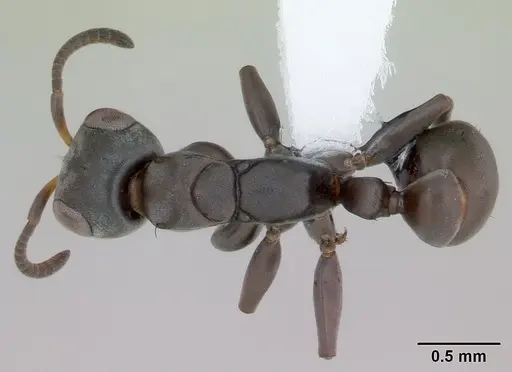
CASENT0173773
View on AntWeb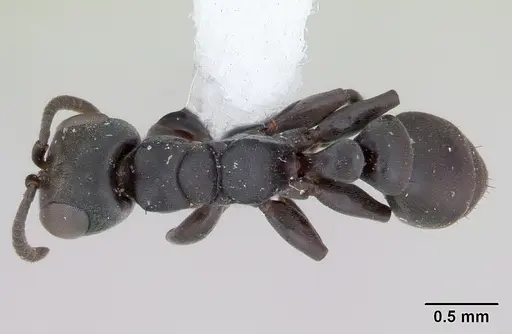
CASENT0907560
View on AntWeb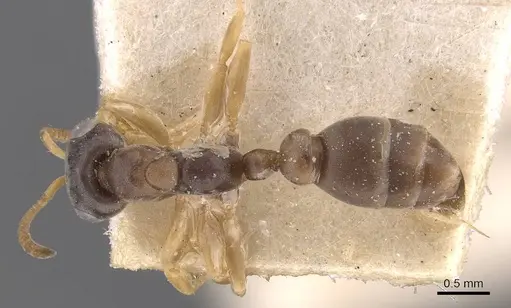
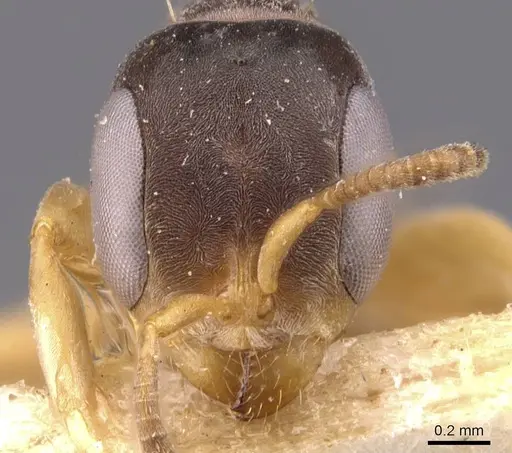
CASENT0915846
View on AntWeb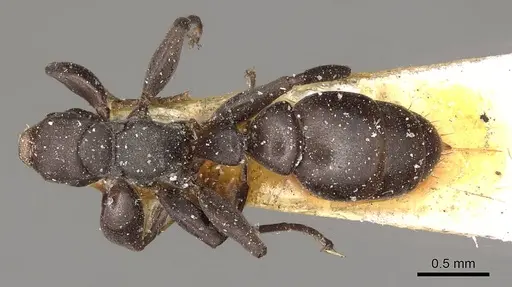
CBUMAGENT41760
View on AntWeb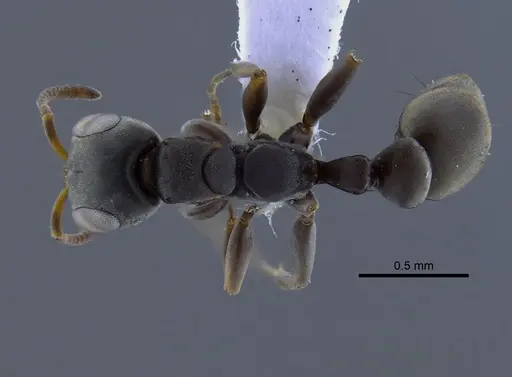
ECOFOG-BUG-1299-03
View on AntWeb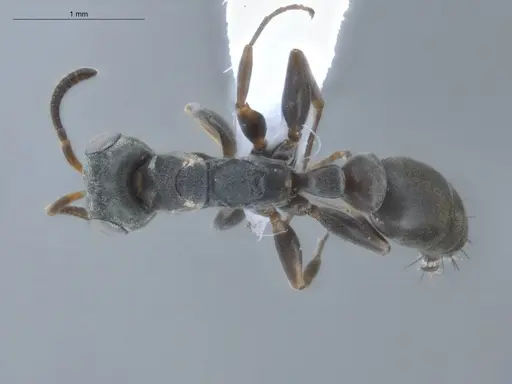
ECOFOG-MI15-0442-27
View on AntWeb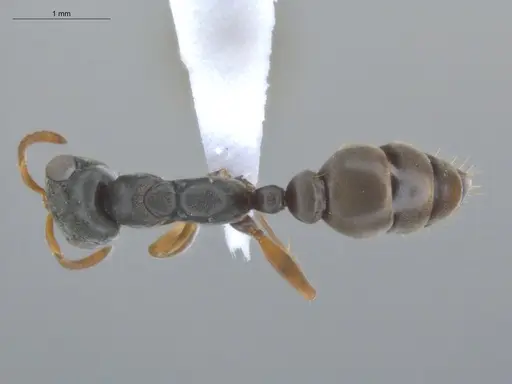
INBIOCRI001238570
View on AntWeb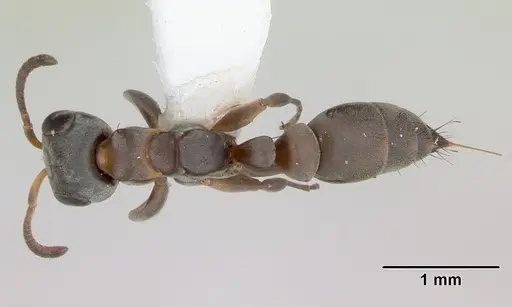
Literature
Loading distribution map...Loading products...