
Pseudomyrmex santschii
- Sci. Name
- Pseudomyrmex santschii
- Tribe
- Pseudomyrmecini
- Subfamily
- Pseudomyrmecinae
- Author
- Enzmann, 1944
- Distribution
- Found in 3 countries
Introduction
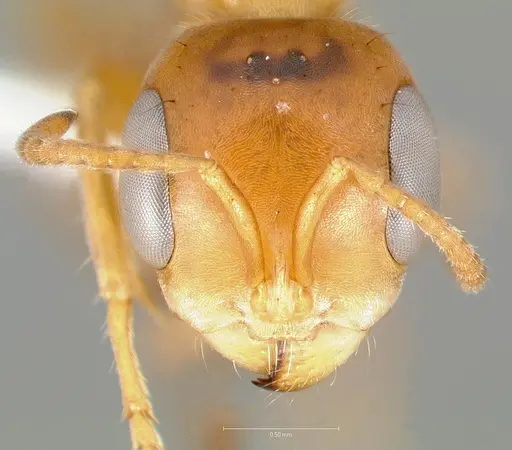
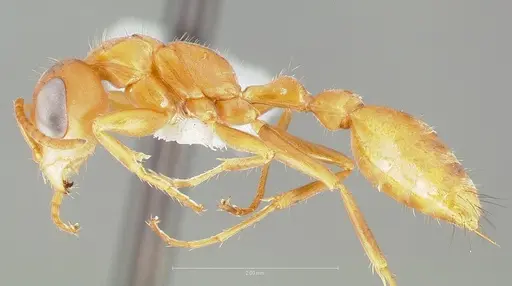
Pseudomyrmex santschii is a slender, elongated ant from the Pseudomyrmecinae subfamily. Workers are around 4-7mm (inferred from the Pseudomyrmex genus) with a long, narrow body, large eyes, and a distinct petiole. The species is known only from Peru in the Neotropical region . Like other Pseudomyrmex, these ants probably live in forested areas where they nest in hollow plant stems or twigs. They are fast-moving, alert, and can deliver a painful sting, which they use aggressively to defend their host plants.
Quick Summary
- Difficulty: Hard
- Origin & Habitat: Native to Peru in the Neotropical region. Based on genus patterns, they likely inhabit forested areas and nest in hollow twigs, plant stems, or under bark [1][2].
- Colony Type: Colony structure is unconfirmed for this species. Most Pseudomyrmex species form small colonies with a single queen, but some can have multiple queens. There's no evidence of supercolonial behavior [2].
- Size & Growth:
- Queen: ~6-8mm, inferred from the Pseudomyrmex genus [2].
- Worker: ~4-7mm, inferred from the Pseudomyrmex genus [2].
- Colony: Likely dozens to a few hundred workers, based on genus patterns [2].
- Growth: Moderate, inferred from genus patterns [2].
- Development: Estimated 6-10 weeks at optimal tropical temperatures (around 24-28°C) based on related Pseudomyrmex species [2]. (No specific data exists for this species. Tropical ants generally develop faster than temperate ones.)
- Antkeeping:
- Temperature: Keep at 24-28°C. These are tropical ants that need steady warmth. A slight gradient (warmer on one side) helps workers regulate temperature [2].
- Humidity: Keep the nest substrate consistently moist but not waterlogged. These ants come from humid tropical forests, so provide a water source and good ventilation to avoid mold [2].
- Diapause: Probably minimal or no true diapause. Being from tropical Peru, they likely only slow down during a brief cool season rather than hibernating fully. A short cool period (18-20°C for 2-3 months) may help colony health, but this is speculation [2].
- Nesting: Set up a nest that mimics their arboreal habits. Y-tong (AAC) or plaster nests with narrow, tight chambers work well. Avoid large open spaces. Include some vertical options. Do not use acrylic nests [2].
- Behavior: Pseudomyrmex ants are alert, fast-moving, and defensive. Workers have functional stingers and can give a painful sting if disturbed, handle with care. They are excellent escape artists due to their small size and speed. Use tight lids and fine mesh on all openings. They are primarily predatory, hunting small insects, but also tend aphids for honeydew [2].
- Common Issues: escape prevention is critical, their small size and speed let them slip through tiny gaps, limited species-specific information means care recommendations are partly speculative, tropical humidity requirements can cause mold if ventilation is poor, fast movement makes transfers and maintenance tricky, stinging potential means extra caution, they are defensive when disturbed
Housing and Nest Setup
Give Pseudomyrmex santschii a nest that mimics their natural habitat. Y-tong (AAC) or plaster nests with narrow, tight chambers work well. These ants like enclosed spaces that feel like hollow twigs. The chambers should be sized for their workers (4-7mm, inferred). Include a water reservoir for humidity, but avoid flooding. A small outworld gives them space to forage. Because they climb well and move fast, apply Fluon or a similar barrier to all exposed edges and use fine mesh (0.5mm or smaller) on ventilation holes. They can squeeze through surprisingly small gaps [2].
Feeding and Diet
In the wild, Pseudomyrmex ants hunt small insects and also tend aphids for honeydew. In captivity, offer a varied diet: small live prey like fruit flies, pinhead crickets, and small mealworms for protein. Keep a constant supply of sugar water, honey water, or commercial ant sweets for energy. They usually accept most standard ant foods but prefer live prey. Feed 2-3 times per week and remove uneaten food after 24 hours to prevent mold. Fresh water should always be available [2].
Temperature and Seasonal Care
As a tropical species from Peru, Pseudomyrmex santschii needs warm temperatures. Keep the nest at 24-28°C with small fluctuations. A heating cable on one side can create a gentle gradient, but avoid direct heat that dries out the nest. Room temperature within this range is fine. While they probably don't need true hibernation, a brief cool period of 18-20°C for 2-3 months may match their natural seasonal cycle and boost colony health, but this is unconfirmed. Watch colony activity: if workers become sluggish, raise the temperature slightly [2].
Handling and Temperament
Pseudomyrmex ants are defensive and possess functional stingers. Workers are fast and alert, quick to defend the colony if disturbed. When working with this species, move slowly and avoid handling the nest directly. If provoked, they can deliver a noticeably painful sting, this ant is not suitable for keepers sensitive to stings. Use red film or keep the colony in darkness during routine checks to reduce disturbance. Transferring colonies is tricky due to their speed and tendency to bolt from exposed areas [2].
Colony Establishment
If you get a founding queen, expect her to seal herself in a small chamber (claustral founding, inferred) and raise the first brood alone using stored reserves. The founding chamber should be tiny and dark. First workers (nanitics) are usually smaller than mature workers and appear after several weeks. Once workers are present, the colony enters a growth phase. Because species-specific data is limited, watch your colony closely and adjust conditions based on worker activity and brood development. Colonies likely grow moderately, reaching dozens of workers within the first year under good conditions [2].
Frequently Asked Questions
How long does it take for Pseudomyrmex santschii to raise first workers?
Based on typical Pseudomyrmex development, expect 6-10 weeks from egg to first worker at optimal temperatures (24-28°C). The exact timeline for this species is unconfirmed, so monitor your colony and maintain warm, stable conditions [2].
Can I keep multiple Pseudomyrmex santschii queens together?
Not recommended without specific documentation. Most Pseudomyrmex species are monogyne (single queen), and combining unrelated queens usually leads to fighting. Unless you have confirmed multi-queen colony behavior for this species, keep only one queen per setup [2].
Do Pseudomyrmex santschii ants sting?
Yes, they can sting. Pseudomyrmex ants have functional stingers and are defensive when threatened. The sting can be painful, handle with care and avoid provoking the colony [2].
What is the best nest type for Pseudomyrmex santschii?
Y-tong (AAC) or plaster nests with narrow chambers work best. These ants prefer tight, enclosed spaces similar to hollow twigs. Avoid large, open spaces in the nest. Do not use acrylic nests [2].
How often should I feed Pseudomyrmex santschii?
Offer food 2-3 times per week. Provide a constant sugar source (honey water or commercial ant sweets) and small live prey items at each feeding. Remove uneaten prey within 24 hours to prevent mold [2].
Are Pseudomyrmex santschii good for beginners?
This species is rated Hard. Their fast movement, escape ability, and stinging potential make them better suited for keepers with some experience. Beginners should start with easier species first [2].
Do Pseudomyrmex santschii need hibernation?
Probably not true hibernation. Being from tropical Peru, they likely only need a brief cool period (18-20°C for 2-3 months) rather than full hibernation. Avoid cold temperatures below 15°C [2].
Why are my Pseudomyrmex santschii escaping?
Their small size and speed make them excellent escape artists. Apply Fluon or similar barrier to all lid edges and openings. Use fine mesh (0.5mm or smaller) for any ventilation. Check for gaps during transfers, they will find any opening [2].
What temperature range is ideal for Pseudomyrmex santschii?
Keep them at 24-28°C. These are tropical ants that prefer warm, steady conditions. A slight gradient (warmer on one side) allows workers to regulate their temperature [2].
How big do Pseudomyrmex santschii colonies get?
Based on genus patterns, colonies likely reach dozens to a few hundred workers. They are not among the largest ant species. Exact maximum size for this species is unconfirmed [2].
What do Pseudomyrmex santschii eat in captivity?
Offer small live insects (fruit flies, pinhead crickets, small mealworms) for protein, plus constant access to sugar sources (honey water, sugar water, or commercial ant sweets). They are omnivorous predators in the wild [2].
Report an Issue
The current care sheet is based fully on literature. See inconsistencies, or something that's incorrect? Please , it will be resolved after review from an admin. Contributing to the blogs tab also helps providing information, to make us be able to further improve the caresheets. Thank you for your support!
References

This caresheet is licensed under CC BY-SA 4.0 .
Community Blogs
CASENT0005850
View on AntWeb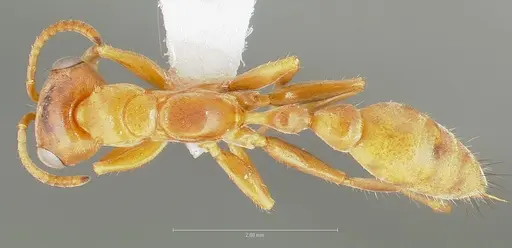
Literature
Loading distribution map...Loading products...