
Pseudomyrmex rufiventris
- Sci. Name
- Pseudomyrmex rufiventris
- Tribe
- Pseudomyrmecini
- Subfamily
- Pseudomyrmecinae
- Author
- Forel, 1911
- Distribution
- Found in 3 countries
Introduction
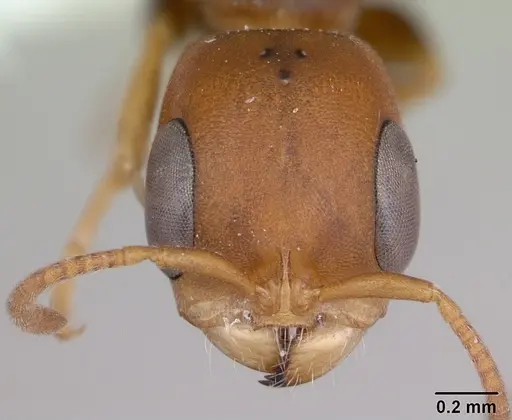
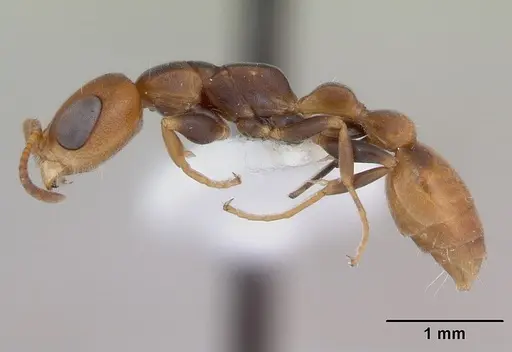
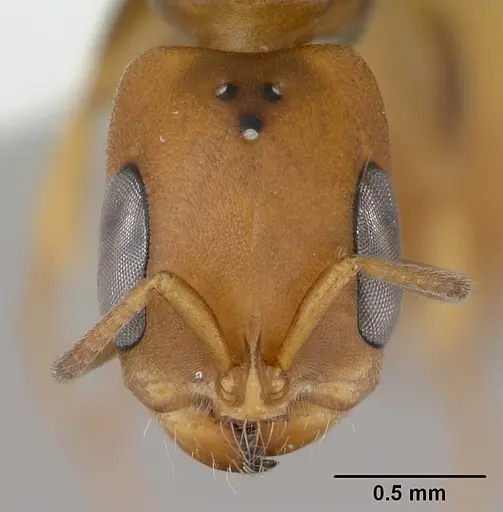
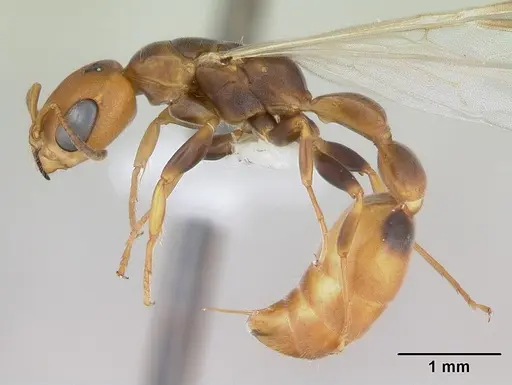
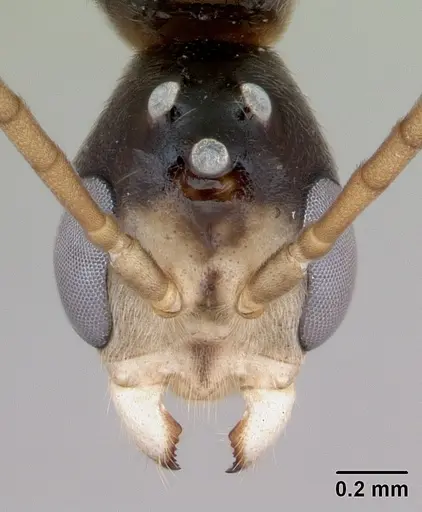
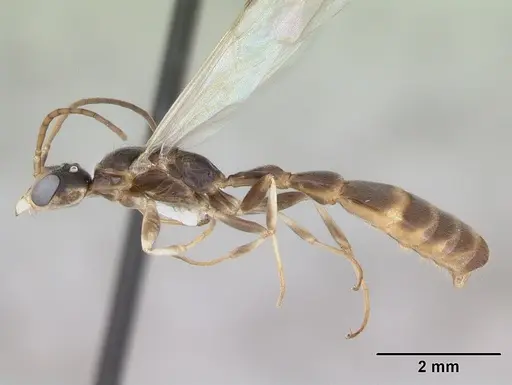
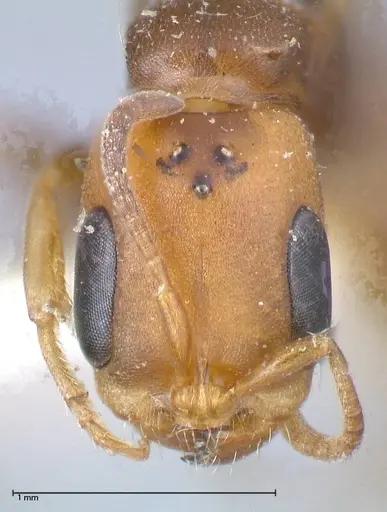
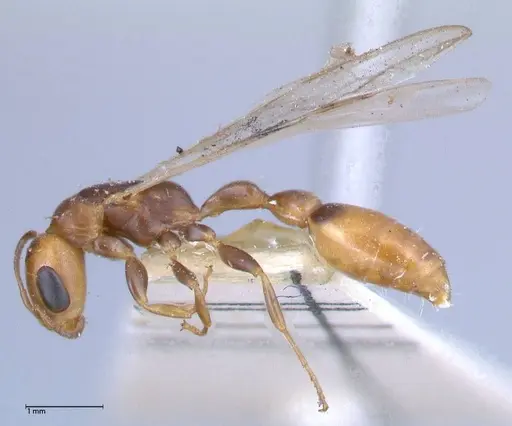
Pseudomyrmex rufiventris is a slender, wasp-like ant from the subfamily Pseudomyrmecinae. The head of both queens and workers is covered with dense, punctulate-coriarious sculpture that makes it look opaque – this helps tell it apart from the closely related Pseudomyrmex euryblemma, which has a shinier appearance . This species is native to the Neotropical region, recorded in Argentina (provinces like Entre Ríos and the Iguazú National Park) and Paraguay . These ants are classified as Tropical Climate Specialists (TCS), meaning they prefer warm, humid environments . Like most Pseudomyrmex, they are probably arboreal, nesting in hollow twigs or stems. They have a potent sting, which they use to defend their host plants against large herbivores – a key trait in the tribe Pseudomyrmecini.
Quick Summary
- Difficulty: Medium
- Origin & Habitat: Native to Argentina and Paraguay, in warm, humid forests and woodlands. Found in Entre Ríos province, Argentina, and the Iguazú National Park area [2][3]. The functional group is Tropical Climate Specialists [3].
- Colony Type: Social structure is not documented in the available literature. Based on the genus as a whole, many Pseudomyrmex are monogyne (single queen), but this is unconfirmed for P. rufiventris.
- Size & Growth:
- Queen: Size data unavailable – no body length measurements (TL) are reported in the available sources.
- Worker: Size data unavailable – no body length measurements (TL) are reported in the available sources.
- Colony: Colony size is not documented. Only three colonies were recorded in a single foraging study [4], which gives no indication of maximum colony size.
- Growth: Unknown – no data on colony development speed. Based on tropical climate, growth is likely moderate at best.
- Development: Not documented. Based on other tropical ants, typical egg-to-worker time is roughly 5–8 weeks at warm temperatures, but this is a guess. (No direct data available for this species. Development likely speeds up with warmer, stable temperatures.)
- Antkeeping:
- Temperature: As a Tropical Climate Specialist, keep warm – aim for 24–28°C. Use a heat mat on one side to create a gradient. Avoid long periods below 20°C [3].
- Humidity: High humidity is expected from their native range. Keep the nest substrate consistently moist (but not waterlogged). Provide a water source in the outworld. A humidity gradient is beneficial: one area wetter, another drier.
- Diapause: No – their native range is subtropical/tropical, so no true diapause is needed. Activity may drop slightly during cooler months, but don't force hibernation.
- Nesting: Likely arboreal – in the wild they nest in hollow twigs or stems (inferred from genus). In captivity, use a Y-tong (AAC) nest with narrow chambers, or a test tube setup. Vertical orientation may be preferred. Provide some dry nesting area alongside the moist part.
- Behavior: These ants are fast-moving, alert foragers with excellent vision. They belong to a subfamily (Pseudomyrmecinae) known for a well-developed sting, which they use aggressively to defend their nest and host plants. Workers will sting if threatened, but the sting is not dangerous to humans. Their slender bodies mean they can squeeze through tiny gaps – use fine mesh (e.g.,0.5mm) for escape prevention. They are likely to be defensive of their nest, so handle them carefully.
- Common Issues: tropical species needs stable warmth – cool rooms can slow or halt colony growth., humidity must be high – dry conditions lead to desiccation and colony decline., tiny, slender workers can escape through small gaps – use fine mesh and seal all connections., very little is known about this species – many care details are guesses based on related ants., limited availability – native to only Argentina and Paraguay, rarely seen in the hobby.
Temperature and Care
Pseudomyrmex rufiventris is a Tropical Climate Specialist, so it needs warmth to thrive. Aim for 24–28°C [3]. Use a heating cable or mat on one side of the nest to create a temperature gradient. If the room drops below 20°C for long periods, the colony will slow down and may stop growing. At normal room temperature (20–24°C) they may survive but won't flourish. Watch worker activity – active, fast‑moving foragers mean the temperature is good, sluggish ants suggest it's too cold.
Humidity and Water
High humidity (roughly 60–80% in the nest) mimics their native environment. Keep the nest substrate consistently moist but not waterlogged – avoid standing water. In a test tube setup, make sure the water chamber is large enough to last weeks but not so large that the cotton barrier gets pushed out. Mist the outworld lightly every few days, but avoid spraying directly into the nest. Provide a constant water source in the outworld (a small dish with a sponge or cotton). Consistency is key – sudden swings from dry to wet stress the colony.
Nest Preferences
No specific nest data exists for this species, but most Pseudomyrmex are arboreal and nest in hollow twigs, stems, or small wood cavities. In captivity, Y‑tong (AAC) nests with narrow chambers work well to mimic those spaces. Test tube setups are fine for founding and small colonies. They don't need a large nest – even a mature colony likely stays modest in size. Provide some dry areas within the nest, as they'll move brood and themselves to the right humidity zone. Avoid overly open, bright spaces – they prefer cover.
Feeding and Diet
Like other Pseudomyrmex, P. rufiventris is probably omnivorous. Offer a constant sugar source: sugar water, honey, or maple syrup diluted 1:3. For protein, give small insects such as fruit flies, pinhead crickets, or small mealworms. They are active hunters and will take live prey eagerly. Remove uneaten protein after 24–48 hours to prevent mold. A small study recorded them in foraging samples [4], but no specific dietary data is published for this species. Treat them like other small arboreal omnivores.
Behavior and Temperament
Pseudomyrmex rufiventris is an alert, fast‑moving ant with good vision. As a member of the subfamily Pseudomyrmecinae, it possesses a functional venom sting and will use it aggressively to defend its nest – especially against large intruders (e.g., herbivores). The sting is not medically significant to humans but will cause a sharp pinch. Workers are slender and can squeeze through tiny gaps – use fine mesh (0.5 mm or smaller) and seal any cracks. They are not particularly aggressive toward humans unless directly provoked, but they will sting if handled. Escape prevention is critical.
Colony Development
Almost nothing is known about colony founding or growth in P. rufiventris. The only field data comes from a trophic ecology study that sampled three colonies [4], but it didn't record colony size or development. Based on the tropical climate, growth is probably moderate at best. Expect a slow increase in worker numbers even under ideal conditions. Brood development time is unknown – a guess of 5–8 weeks from egg to worker at 26°C is plausible, but not confirmed. Patience is needed with this poorly studied species.
Frequently Asked Questions
How long does it take for Pseudomyrmex rufiventris to produce first workers?
There is no published data for this species. Based on the tropical climate and related ants, a rough guess is 6–8 weeks at 24–28°C. Cooler temperatures will slow things down significantly.
What temperature do Pseudomyrmex rufiventris ants need?
Aim for 24–28°C. They are Tropical Climate Specialists [3]. Prolonged temperatures below 20°C will harm the colony. Use a heat mat to keep one part of the nest warm.
Can I keep Pseudomyrmex rufiventris in a test tube?
Yes, a test tube with a water reservoir works well for small colonies. As they grow, you can connect more tubes or move them to a small Y‑tong nest. They prefer narrow, enclosed spaces.
Do Pseudomyrmex rufiventris ants sting?
Yes. As a Pseudomyrmecinae, they have a well‑developed venom sting and will use it to defend the nest. The sting is painful but not dangerous to humans. Handle them with care.
What do Pseudomyrmex rufiventris eat?
They are omnivorous. Offer a constant sugar source (sugar water, honey) and small live or dead insects like fruit flies, small crickets, or mealworms. Remove leftover protein after 24 hours to prevent mold.
How big do Pseudomyrmex rufiventris colonies get?
Colony size is not documented in any available study. Only three colonies were sampled in one paper [4], which doesn't give a maximum. Based on the genus, they probably stay small (a few hundred workers at most), but this is speculation.
Do Pseudomyrmex rufiventris need hibernation?
No, they do not need hibernation. Their native range is subtropical to tropical, so they stay active year‑round. They may slow down slightly in cool conditions, but don't force a diapause.
Are Pseudomyrmex rufiventris good for beginners?
This species is rated Medium difficulty. They need stable warmth and high humidity, which can be challenging for beginners. Also, very little is known about their care, so you'll have to experiment. Not the best first ant.
Why are my Pseudomyrmex rufiventris dying?
Most likely causes: temperatures too low (below 20°C), humidity too low (desiccation), or stress from poor nest design. Check your heating, moisture, and escape‑proofing first. Overfeeding can also cause mold issues.
When should I move Pseudomyrmex rufiventris to a formicarium?
Wait until the colony has at least 15–20 workers and the test tube feels crowded. Move them into a small Y‑tong or plaster nest with narrow chambers. Move too early and they may reject the new nest.
Can I keep multiple Pseudomyrmex rufiventris queens together?
Not recommended. The colony structure is unconfirmed, but most Pseudomyrmex are monogyne. Keeping multiple queens together would likely lead to fighting. Stick to one queen per setup.
Where is Pseudomyrmex rufiventris found?
It is native to Argentina (provinces like Entre Ríos and the Iguazú National Park area) and Paraguay [2][3][1].
Report an Issue
The current care sheet is based fully on literature. See inconsistencies, or something that's incorrect? Please , it will be resolved after review from an admin. Contributing to the blogs tab also helps providing information, to make us be able to further improve the caresheets. Thank you for your support!
References

This caresheet is licensed under CC BY-SA 4.0 .
Community Blogs
CASENT0173769
View on AntWeb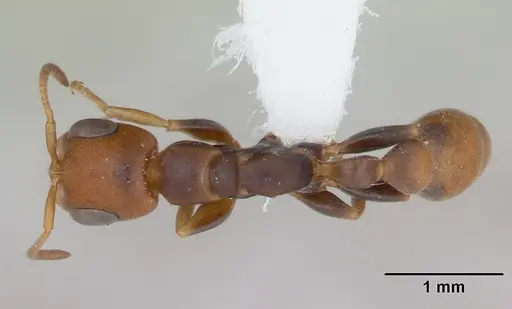
CASENT0173770
View on AntWeb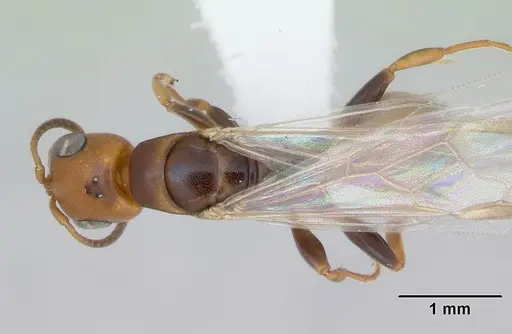
CASENT0173771
View on AntWeb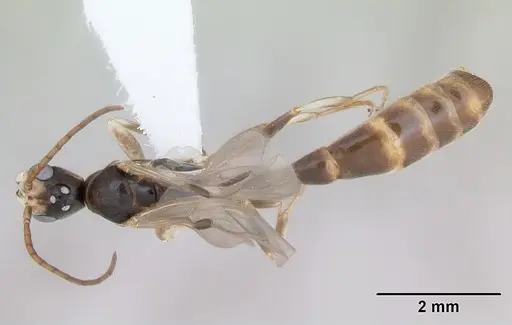
FOCOL0525
View on AntWeb
Literature
Loading distribution map...Loading products...