
Pseudomyrmex rochai
- Sci. Name
- Pseudomyrmex rochai
- Tribe
- Pseudomyrmecini
- Subfamily
- Pseudomyrmecinae
- Author
- Forel, 1912
- Distribution
- Found in 9 countries
Introduction
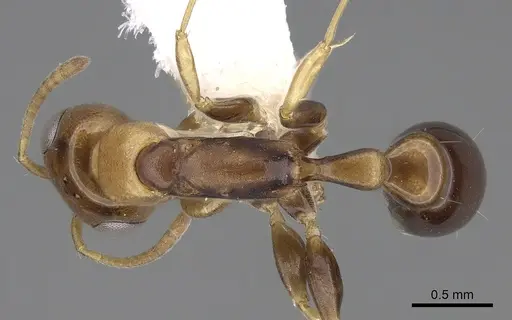
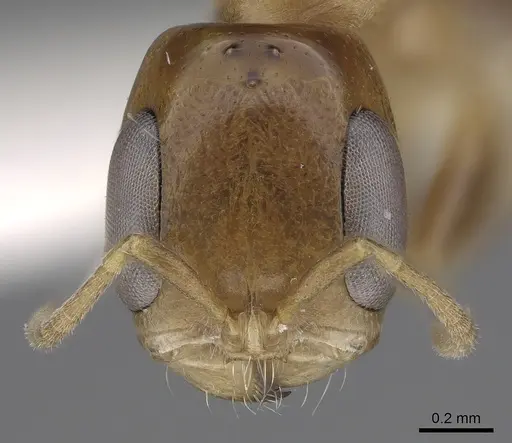
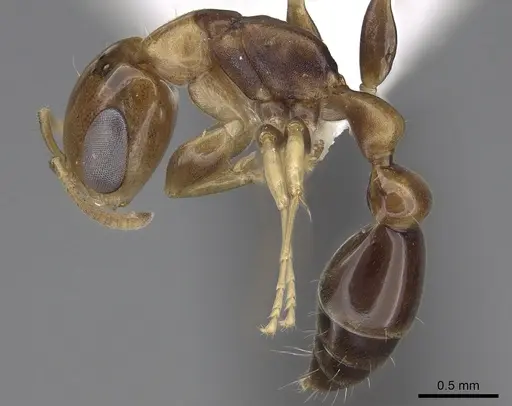
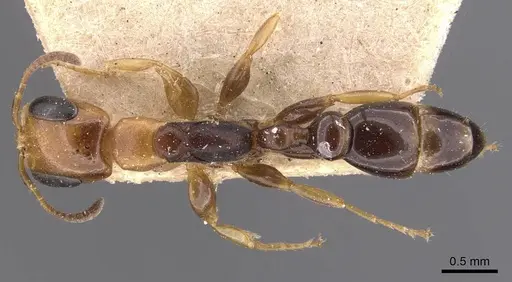
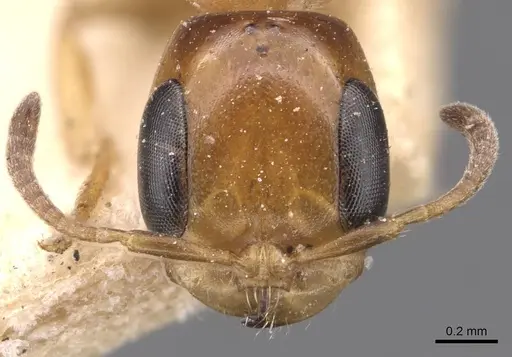
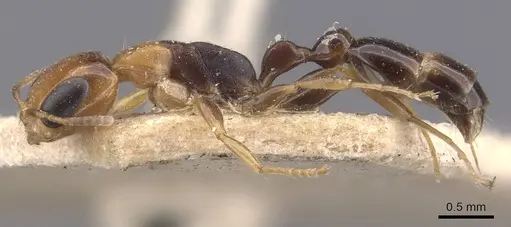
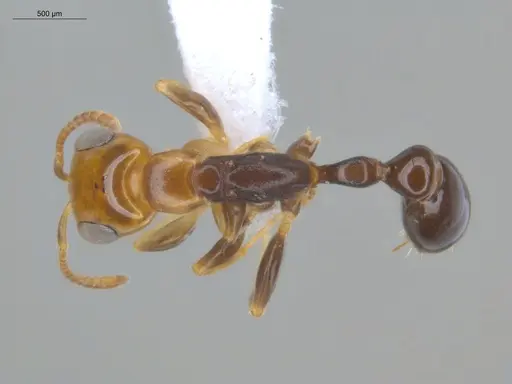
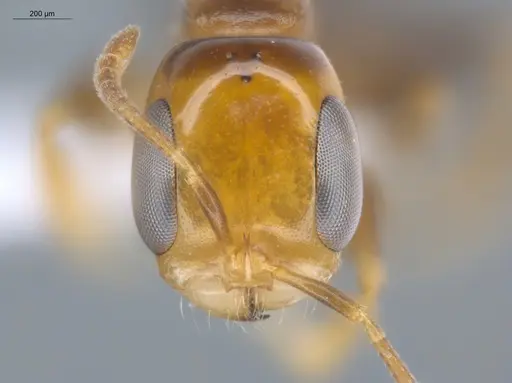
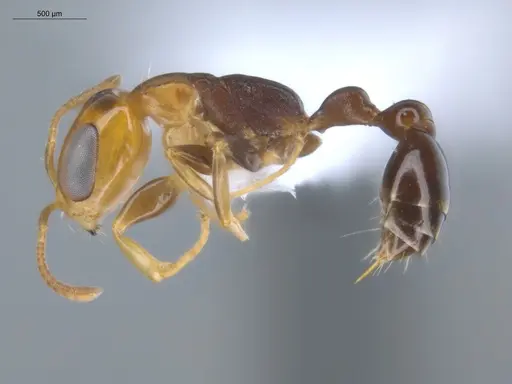
Pseudomyrmex rochai is a slender, long-legged arboreal ant from the Pseudomyrmecinae subfamily. Workers are fast-moving with large eyes and a painful sting - they aggressively defend their treetop nests. Native to the Neotropical region, they are found across Brazil, Colombia, Ecuador, French Guiana, Panama, and Peru . They nest in tree cavities and hollow twigs , living in primary forests, secondary growth, and even reforested areas . Their arboreal lifestyle sets them apart from ground-nesting ants, so you’ll need a setup with plenty of vertical climbing space.
Quick Summary
- Difficulty: Medium
- Origin & Habitat: Native to Brazil, Colombia, Ecuador, French Guiana, Panama, and Peru [1][2]. Occurs in Amazon rainforest, Caatinga dry forest [5], and secondary forests [4], at elevations up to 980 m [6]. Recorded in the states of Pará [7] and Antioquia [6].
- Colony Type: Unconfirmed, no species‑specific data on queen number. Most Pseudomyrmex species form single‑queen colonies, but this is not verified for P. rochai.
- Size & Growth:
- Queen: Size data unavailable.
- Worker: Size data unavailable (estimated 4-6 mm based on genus patterns).
- Colony: Unclear, colony size is not documented. Related Pseudomyrmex often reach several hundred workers, but this is not confirmed.
- Growth: Moderate (inferred from tropical origin).
- Development: Unknown, no published data for this species. Tropical genus members typically develop in 6-8 weeks at 25-28°C. (Development likely faster than temperate species due to warm, stable conditions.)
- Antkeeping:
- Temperature: Warm and stable, aim for 24-28°C to mimic tropical forests. No specific temperature data exists for this species, so start at room temperature and adjust if needed.
- Humidity: High humidity, keep the nest substrate consistently moist but not waterlogged. These are forest ants, but exact humidity preferences are unknown.
- Diapause: No, as a tropical species, P. rochai does not require winter hibernation. A slight cool period may slow activity, but it’s unnecessary.
- Nesting: Arboreal setup is essential. They naturally nest in tree cavities and hollow twigs [3]. In captivity, use vertical formicariums (Y‑tong, plaster, or 3D‑printed) with climbing surfaces. Test tubes work for founding, but add sticks or mesh for grip.
- Behavior: Aggressive and quick to sting, they defend their nest fiercely. Workers are excellent climbers with large eyes and move rapidly. Their sting is painful for their size, so handle with care. Escape prevention is critical because they can squeeze through tiny gaps. They are diurnal and most active during daylight.
- Common Issues: escape prevention is critical, they are superb climbers and will find any gap., high humidity requirements can cause mold without good ventilation., aggressive nature and painful sting make maintenance challenging., arboreal setup differs from typical ground‑nesting setups, vertical space is a must., wild‑caught colonies may struggle to adapt due to stress from habitat change.
Housing and Nest Setup
Pseudomyrmex rochai needs an arboreal home, they naturally nest in tree cavities and hollow twigs [3]. Use a vertical formicarium (Y‑tong, plaster, or 3D‑printed) with chambers sized for 4-6 mm workers. Provide climbing surfaces like bark, mesh, or twigs. Test tubes work for starting a colony, but add a stick or mesh so the queen can climb. Keep humidity high by dampening a corner of the nest, but avoid waterlogging. A water source (e.g., a test tube with cotton plug) should always be available.
Feeding and Diet
These ants are omnivorous but lean toward protein. In the wild, they hunt small insects and collect honeydew. In captivity, offer small live prey (fruit flies, pinhead crickets, small mealworms) 2-3 times per week. Keep sugar water or honey always available, they have been caught on carbohydrate baits [8]. Remove uneaten food after 24 hours to prevent mold and pests.
Temperature and Humidity
No published temperature or humidity data exists for P. rochai. As a tropical species from warm forests, aim for 24-28°C. Use a heating cable on one side of the nest to create a gradient. Humidity should be high, keep the nest substrate consistently moist but not soggy. A test‑tube water source or a water reservoir in the outworld helps. Avoid dry conditions that stress the colony.
Behavior and Temperament
Like other Pseudomyrmecinae, P. rochai has a painful sting and is quick to defend its nest. Workers are diurnal, active, and excellent climbers. They have large eyes and fast movements. When you open the setup, expect aggressive alarm behavior. Handle with care, avoid disturbing the colony unnecessarily. Their speed and climbing ability make escape a real risk, so seal all gaps.
Colony Establishment
Founding details are unknown. Wild‑caught queens may be stressed, so start them in a small test tube with climbing access. Provide a warm (24-28°C), dark, humid environment. Be patient, tropical arboreal ants can be slow to adapt. Once the first nanitics appear, gradually move them into a larger arboreal setup. Use soft forceps or a gentle aspirator for transfers.
Frequently Asked Questions
Can I keep Pseudomyrmex rochai in a test tube?
Yes, test tubes work for founding, but you must add a climbing surface (stick, mesh, or cotton) because they are arboreal. Later, upgrade to a vertical formicarium.
How long until Pseudomyrmex rochai has first workers?
No published data exists. Based on the genus, you might expect nanitics after 6-8 weeks at 25-28°C, but this is only an estimate.
Do Pseudomyrmex rochai ants sting?
Yes, they have a painful sting and will use it to defend the nest. Handle the colony with care and avoid provoking them.
Are Pseudomyrmex rochai good for beginners?
Not recommended for beginners. Their arboreal setup, high humidity needs, aggressive temperament, and escape risk make them better suited for keepers with some experience.
What do Pseudomyrmex rochai eat?
They are omnivorous. Offer small live insects (fruit flies, pinhead crickets) several times a week, plus sugar water or honey. They accept carbohydrate baits [8].
Do Pseudomyrmex rochai need hibernation?
No, as a tropical species they do not require diapause. A slight temperature drop in winter is fine but unnecessary.
Why are my Pseudomyrmex rochai escaping?
They are exceptional climbers and will exploit any gap. Use tight‑fitting lids, fine mesh, and seal all connections. Regularly inspect the setup for openings.
How big do Pseudomyrmex rochai colonies get?
Colony size is not recorded. Related Pseudomyrmex species often have several hundred workers, but this is not confirmed for P. rochai.
Report an Issue
The current care sheet is based fully on literature. See inconsistencies, or something that's incorrect? Please , it will be resolved after review from an admin. Contributing to the blogs tab also helps providing information, to make us be able to further improve the caresheets. Thank you for your support!
References

This caresheet is licensed under CC BY-SA 4.0 .
Community Blogs
Literature
Loading distribution map...Loading products...