
Pseudomyrmex pisinnus
- Sci. Name
- Pseudomyrmex pisinnus
- Tribe
- Pseudomyrmecini
- Subfamily
- Pseudomyrmecinae
- Author
- Ward, 1989
- Distribution
- Found in 2 countries
Introduction
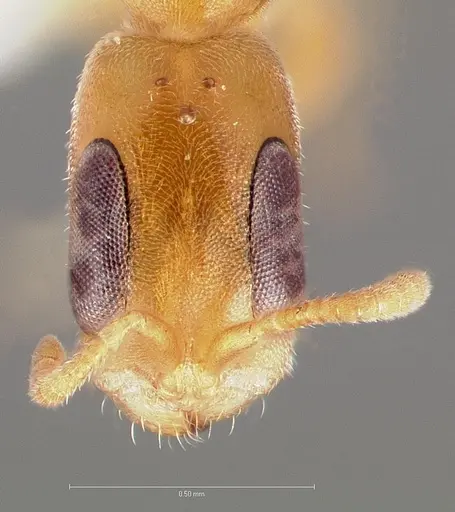
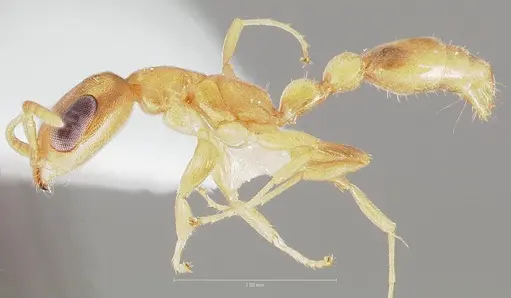
Pseudomyrmex pisinnus is a tiny, slender arboreal ant native to the Neotropics, found in Brazil and Peru . Workers are very small, but precise body length measurements are not documented - only head dimensions are known . They have an elongate head, short antennae, and a light orange-brown to yellow-brown body with a darker patch on the front of the first abdominal segment . These ants naturally nest inside dry plant stems, like those of Eupatorium . They have been observed visiting extrafloral nectaries in the Brazilian cerrado savanna, suggesting they feed on sugary secretions . Like other Pseudomyrmecinae, they use a sting for defense.
Quick Summary
- Difficulty: Medium
- Origin & Habitat: Native to the Neotropical region: Brazil (seasonally dry tropical forest in Ceará, cerrado savanna in Minas Gerais) and Peru (primary rainforest) [1][4][2][3]. They are arboreal, nesting inside plant stems, particularly dry Eupatorium stems [3].
- Colony Type: Colony structure is unconfirmed. Based on typical Pseudomyrmex patterns, they likely form single-queen (monogyne) colonies, but this has not been directly documented.
- Size & Growth:
- Queen: No queen measurements available.
- Worker: No total length measurements available, head length is 0.75-0.78 mm [3]. Total body size is undocumented but inferred from the genus to be roughly 2-3 mm.
- Colony: Unknown. Due to their tiny size and stem-nesting habits, colonies probably remain small (under a few hundred workers), but this is unconfirmed.
- Growth: Unknown.
- Development: Unconfirmed, based on related Pseudomyrmex, estimate 6-10 weeks at warm temperatures. (No direct development data exists for this species.)
- Antkeeping:
- Temperature: Aim for 24-28 °C based on their Neotropical origin. Provide a gradient so ants can self-regulate.
- Humidity: Moderate to high, keep the nesting material slightly moist but not saturated. Avoid waterlogging.
- Diapause: Unknown. As Neotropical ants, they likely do not require true hibernation but may reduce activity during cooler periods.
- Nesting: Arboreal stem‑nesters, provide cork bark, bamboo sections, or 3D‑printed nests with narrow, vertically‑oriented chambers that mimic plant stems [3].
- Behavior: Active, alert foragers that move quickly and explore thoroughly. Their tiny size demands excellent escape prevention, they can squeeze through very small gaps. They defend with a sting if the colony is threatened (typical of Pseudomyrmecinae). Not aggressive toward keepers, but will react to disturbances.
- Common Issues: tiny size makes escape prevention critical, use fine mesh and seal all gaps, no documented colony data means growth expectations are uncertain, arboreal species may struggle in ground‑based setups without climbing structures, humidity control is important, too dry leads to desiccation, too wet promotes mold, limited natural history data means some care aspects require educated guesswork
Housing and Nest Setup
Pseudomyrmex pisinnus is an arboreal stem‑nester. Replicate this by providing cork bark, bamboo sections, or 3D‑printed nests with narrow, vertical chambers [3]. Avoid large, open ground‑based formicariums. Include plenty of climbing structures (twigs, mesh, or vertical surfaces) in the outworld. Test tubes can work for founding colonies, but move them to a proper arboreal setup once the colony has a few workers. Because these ants are tiny, use fine mesh and seal all connections to prevent escapes.
Feeding and Diet
In the wild, Pseudomyrmex pisinnus visits extrafloral nectaries, so they readily take sugar sources [4]. Offer honey water, sugar water, or diluted nectar constantly. They also need protein, provide small prey such as fruit flies, pinhead crickets, or tiny pieces of mealworm. Feed protein 2-3 times per week and remove leftovers after 24-48 hours to avoid mold. Their tiny mouthparts mean prey must be appropriately small.
Temperature and Humidity
As a Neotropical species from Brazil and Peru, Pseudomyrmex pisinnus does best at 24-28 °C. Use a small heating cable on one side of the nest to create a temperature gradient, but avoid hot spots that dry out the colony. Humidity should be moderate to high, keep the nest substrate slightly moist but not wet. Mist the nest occasionally and ensure good ventilation to prevent mold. These ants are used to humid forest conditions, so don't let the nest dry out completely.
Colony Development and Growth
No direct development data exists for this species. Based on related Pseudomyrmex, the first workers may emerge 6-10 weeks after the queen starts laying, assuming warm temperatures (around 26 °C). The colony will likely grow slowly due to the small size of the workers. Start the founding queen with only a sugar source, introduce small protein prey once the first workers arrive. The maximum colony size is unknown but probably under a few hundred. Be patient, small arboreal species often develop slower than ground‑nesting ants.
Behavior and Temperament
Pseudomyrmex pisinnus workers are alert, fast, and curious. They will quickly explore every corner of their enclosure and are good climbers. They are not aggressive towards keepers but will use their sting if the colony is disturbed (typical of Pseudomyrmecinae). Their tiny size makes them susceptible to escape through any gap. Provide enrichment like climbing branches and varied terrain to keep them active. They are not prone to biting humans, but the sting may cause mild irritation.
Frequently Asked Questions
How long does it take for Pseudomyrmex pisinnus to produce first workers?
The exact timeline is unconfirmed for this species. Based on typical Pseudomyrmex development, expect first workers around 6-10 weeks after founding at optimal temperatures (~26 °C). Patience is key.
What do Pseudomyrmex pisinnus ants eat?
They accept sugar sources (honey water, sugar water, nectar) and small protein prey. Their visits to extrafloral nectaries in the wild confirm they are nectar‑feeders [4]. Offer appropriately sized prey like fruit flies or tiny insects.
Can I keep Pseudomyrmex pisinnus in a test tube?
Test tubes work for founding colonies, but move them to a more appropriate arboreal setup (cork bark, bamboo, or 3D‑printed nest with narrow chambers) once the colony has a few workers. They naturally nest in plant stems.
Do Pseudomyrmex pisinnus ants sting?
Yes, as a member of the subfamily Pseudomyrmecinae, they sting. The sting is small and barely noticeable to humans, but may cause mild irritation. They are not considered dangerous.
Are Pseudomyrmex pisinnus good for beginners?
This species is rated Medium difficulty. While not the hardest ant to keep, the lack of documented captive care data means some trial‑and‑error may be needed. Their tiny size also demands excellent escape prevention.
What temperature do Pseudomyrmex pisinnus need?
Keep them warm at 24-28 °C. This matches their Neotropical origin in Brazil and Peru. A temperature gradient allows workers to self‑regulate.
How big do Pseudomyrmex pisinnus colonies get?
Colony size is unconfirmed. Based on their tiny worker size and stem‑nesting behavior, they probably remain under a few hundred workers, but this is an educated guess.
Do Pseudomyrmex pisinnus need hibernation?
Diapause requirements are unknown. As Neotropical ants from tropical and subtropical regions, they likely do not require true hibernation, but may become less active during cooler periods.
Why are my Pseudomyrmex pisinnus escaping?
Their tiny size means they can squeeze through gaps that larger ants cannot. Use fine mesh barriers, seal all gaps, and ensure lids fit tightly. Escape prevention is critical with this species.
Where is Pseudomyrmex pisinnus found in the wild?
They are native to the Neotropics, specifically Brazil and Peru. In Brazil they are recorded from the seasonally dry tropical forest of Ceará and the cerrado savanna [1][4]. Peruvian records come from primary rainforest [2].
What kind of nest should I use for Pseudomyrmex pisinnus?
Arboreal setups work best, cork bark, bamboo sections, or 3D‑printed nests with narrow, vertically oriented chambers that mimic their natural plant stem homes. Avoid large, open ground‑based formicariums.
Is Pseudomyrmex pisinnus aggressive?
They are not aggressive toward keepers but will defend their colony if threatened. Workers are active foragers and will quickly explore their environment for food sources.
Report an Issue
The current care sheet is based fully on literature. See inconsistencies, or something that's incorrect? Please , it will be resolved after review from an admin. Contributing to the blogs tab also helps providing information, to make us be able to further improve the caresheets. Thank you for your support!
References

This caresheet is licensed under CC BY-SA 4.0 .
Community Blogs
CASENT0005876
View on AntWeb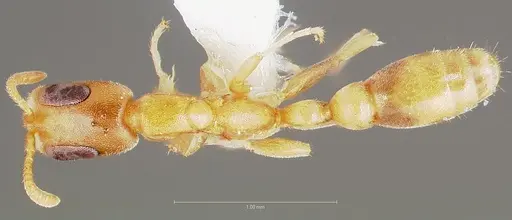
Literature
Loading distribution map...Loading products...