
Pseudomyrmex pictus
- Sci. Name
- Pseudomyrmex pictus
- Tribe
- Pseudomyrmecini
- Subfamily
- Pseudomyrmecinae
- Author
- Stitz, 1913
- Distribution
- Found in 2 countries
Introduction
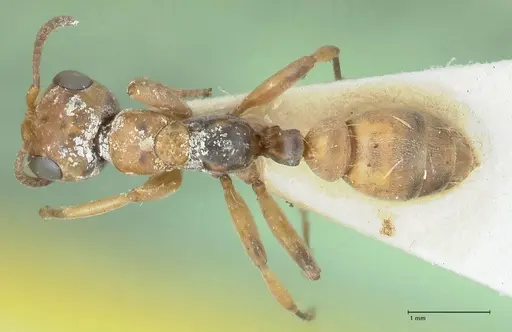
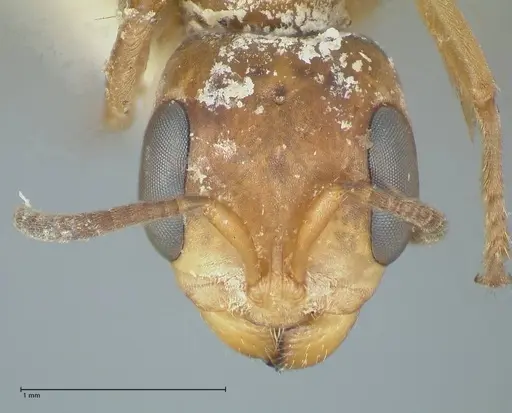
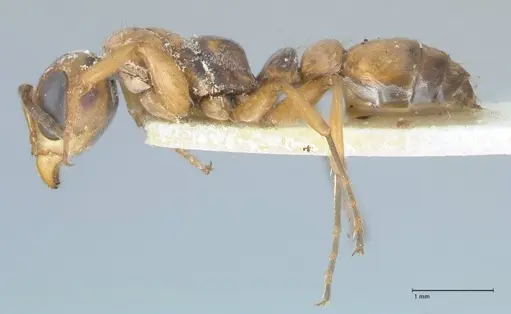
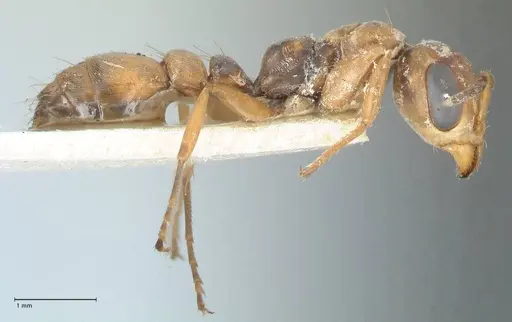
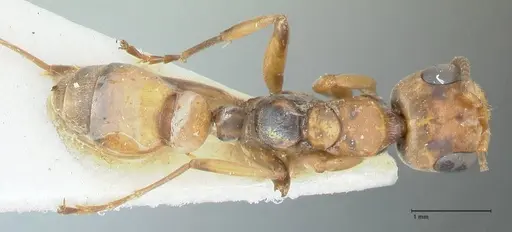
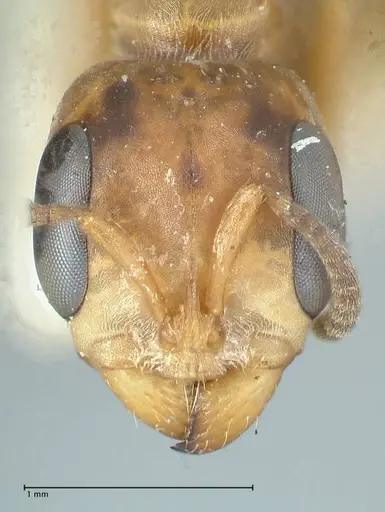
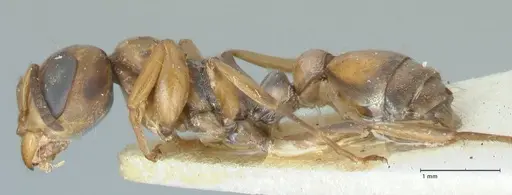
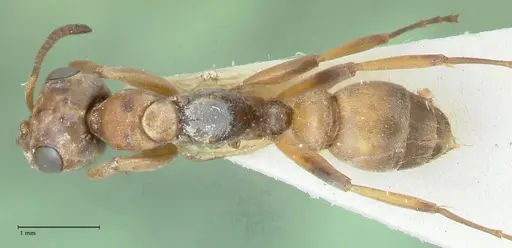
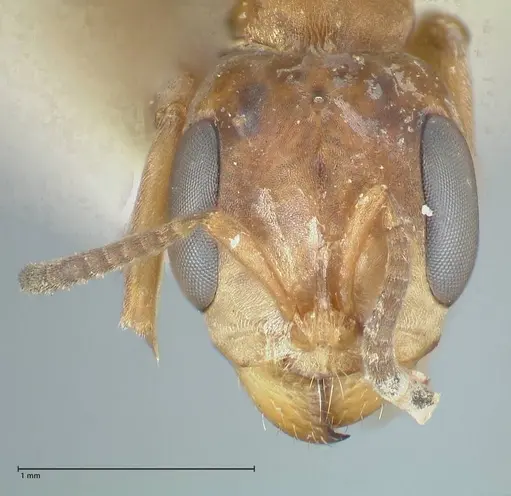
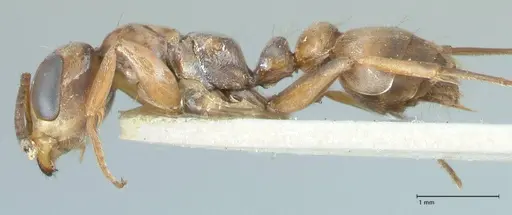
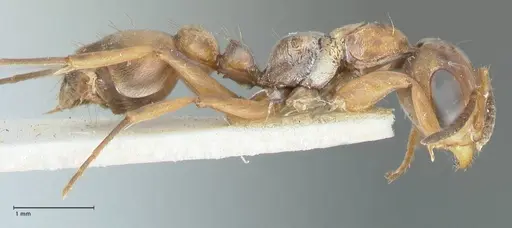
Pseudomyrmex pictus is a Neotropical ant species with a distinctive orange-brown body and unusually long legs. Workers are small and slender, though no total body length has been recorded in the literature. Their most noticeable features are a broad head, very slender profemur, and long hind legs. They often show darker markings on the mesosoma, petiole, and gaster, giving a variable but mostly light appearance . This species is an obligate plant-ant, meaning it lives inside specialized hollow chambers (domatia) of living trees. It belongs to the P. sericeus group and is most commonly associated with Tachigali trees, though it has also been collected from Platymiscium stem swellings . This mutualistic relationship provides the ants with shelter, while they likely defend the plant from herbivores. Their alert, quick movements and functional sting make them effective defenders.
Quick Summary
- Difficulty: Expert
- Origin & Habitat: Neotropical region: Bolivia, western Brazil, Colombia, and Peru. They inhabit tropical lowland forests, nesting inside the domatia of Tachigali and Platymiscium trees [1][2].
- Colony Type: Colony structure is unconfirmed. Based on related Pseudomyrmex species, it is likely monogyne (single queen), but this has not been verified.
- Size & Growth:
- Queen: size data unavailable
- Worker: size data unavailable, no total length recorded, head length is 1.2-1.4mm [1], but body size is not known
- Colony: Unknown, likely up to several hundred workers based on related plant-ant species
- Growth: Unknown, probably moderate
- Development: Unknown, no species-specific data. By analogy with other tropical Pseudomyrmex, maybe 6-10 weeks at warm temperatures. (Estimated from related species in the same genus.)
- Antkeeping:
- Temperature: Keep warm and stable, roughly 24-28°C. As a Neotropical lowland species, they cannot tolerate cool conditions. Provide a thermal gradient so workers can self-regulate.
- Humidity: Moderate to high humidity. The nest substrate should be consistently moist but not waterlogged. Misting the outworld occasionally will help maintain levels.
- Diapause: Unlikely, as a tropical species from consistent climates, they probably do not require a true diapause. Do not chill them.
- Nesting: Test tube setups work well for founding colonies, mimic the enclosed, dark domatia they naturally inhabit. For larger colonies, use Y-tong (AAC), plaster, or 3D-printed nests with small chambers. Avoid overly large spaces.
- Behavior: Alert, quick-moving ants with a functional sting. They can be defensive when disturbed, so handle with care. Their long legs make them fast runners, escape prevention is important. They likely forage for honeydew and small prey on host plants. Colonies are typically small, so even moderate worker numbers are significant.
- Common Issues: tropical species may struggle in cool, dry environments, maintain stable warmth and humidity, small colony sizes mean losses have a big impact, start with multiple queens if possible, plant-ant associations are hard to replicate, standard test tube nests provide adequate housing, aggressive defense when threatened, use caution during nest inspections, very limited availability in the antkeeping trade due to specialized habitat requirements, this species is not recommended for beginners due to its demanding care needs and defensive sting
Natural History and Plant Associations
Pseudomyrmex pictus is an obligate plant-ant belonging to the P. sericeus group [1]. It lives in domatia (hollow chambers) of Tachigali trees, and has also been collected from the hairy stem swellings of Platymiscium species [1]. This is a mutualistic relationship: the ants gain shelter and possibly food (honeydew from scale insects or extrafloral nectaries), while the plant benefits from protection against herbivores. The association with domatia‐bearing plants is a key trait of the Pseudomyrmecinae subfamily. In captivity, replicating this exact environment is challenging, but standard test tube or small formicaria work for basic husbandry.
Identification and Appearance
P. pictus workers are recognized by their predominantly orange-brown coloration, broad head, very slender profemur, and long legs [1]. They differ from similar species like Pseudomyrmex rubiginosus by being lighter in color and having a broader head and longer legs. The body often shows variable darker markings on the mesosoma, petiole, and gaster. Exact total body length is not recorded, but head length is about 1.2-1.4mm [1]. Compared to other Pseudomyrmex, they are moderate in size but notably slender.
Housing and Nesting
Since no specific captive care studies exist for this species, recommendations are based on general Pseudomyrmex needs. For founding, use a standard test tube setup with a water reservoir and cotton plug, this mimics the dark, enclosed domatia. Keep the tube in a dark, warm place. Once the colony has about 20-30 workers, you can transfer them to a small formicarium. Choose Y-tong (AAC), plaster, or 3D-printed nests with narrow chambers, these ants prefer tight spaces. Do not use acrylic nests. Maintain high humidity inside the nest by keeping the substrate moist but not waterlogged.
Feeding and Diet
In the wild, P. pictus likely consumes honeydew from sap‐sucking insects and small arthropods. In captivity, offer an omnivorous diet: sugar water or honey as a carbohydrate source, and small insects (fruit flies, pinhead crickets, small mealworms) for protein. Feed protein 2-3 times per week when brood is present. Remove uneaten prey after 24 hours to prevent mold. Always provide fresh water. No specific dietary preferences have been studied for this species.
Temperature and Seasonal Care
As a tropical lowland species, P. pictus requires warm conditions year-round. Keep the nest at 24-28°C. A heat mat under one end can create a gradient. Avoid temperatures below 22°C for extended periods, this slows development and can kill the colony. They do not need hibernation, attempting to chill them will be harmful. Maintain consistent warmth and humidity throughout the year.
Behavior and Handling
Pseudomyrmex pictus workers are alert, fast-moving, and will sting repeatedly if their nest is disturbed. The sting is not medically significant but can cause localized pain. Use care during feeding and maintenance. Their long legs make them excellent runners, so ensure your setup has secure barriers (fluon or oil). Colonies are likely small, so even moderate worker numbers are a sign of health. They will actively forage in an outworld and may recruit nestmates to food.
Frequently Asked Questions
How long does it take for Pseudomyrmex pictus to produce first workers?
The exact development time is unknown. Based on other tropical Pseudomyrmex, estimate 6-10 weeks from egg to worker at 26°C. Warmer temperatures may speed development, but avoid exceeding 30°C.
Do Pseudomyrmex pictus ants sting?
Yes, they have a functional sting and will use it defensively. It can cause brief pain but is not medically dangerous. Handle the colony with care.
What do Pseudomyrmex pictus eat?
They are omnivorous. In captivity, provide sugar water or honey for carbohydrates and small insects (fruit flies, pinhead crickets) for protein. Feed protein 2-3 times per week when brood is present.
Can I keep Pseudomyrmex pictus in a test tube?
Yes, test tube setups work well for founding. Use a water reservoir and cotton plug, keep it dark and humid. Once the colony grows beyond 20-30 workers, move to a small Y-tong or plaster nest with narrow chambers.
Do Pseudomyrmex pictus need hibernation?
No, they are tropical and do not require diapause. Keep them warm year-round (24-28°C). Chilling may harm or kill the colony.
How big do Pseudomyrmex pictus colonies get?
Not well documented. Based on related plant-ant species, colonies probably reach several hundred workers at most. Expect moderate colony sizes.
Are Pseudomyrmex pictus good for beginners?
No, this species is rated Expert difficulty. Their tropical requirements, small size, defensive sting, and limited availability make them unsuitable for beginners. Only experienced keepers with stable warm setups should attempt them.
What temperature is best for Pseudomyrmex pictus?
Maintain 24-28°C. Use a heat mat with a thermostat. Avoid temperatures below 22°C for more than a few hours.
Why is my Pseudomyrmex pictus colony declining?
Most likely causes: temperatures too cool, low humidity, poor nutrition, or excessive disturbance. Check your setup. Also rule out escape, they are small and fast.
Report an Issue
The current care sheet is based fully on literature. See inconsistencies, or something that's incorrect? Please , it will be resolved after review from an admin. Contributing to the blogs tab also helps providing information, to make us be able to further improve the caresheets. Thank you for your support!
References

This caresheet is licensed under CC BY-SA 4.0 .
Community Blogs
Literature
Loading distribution map...Loading products...