Pseudomyrmex pallidus shows a February to October activity window. Peak activity occurs in June, with queen sightings distributed across 7 months. This extended season suggests multiple flight events or varying conditions across its range.
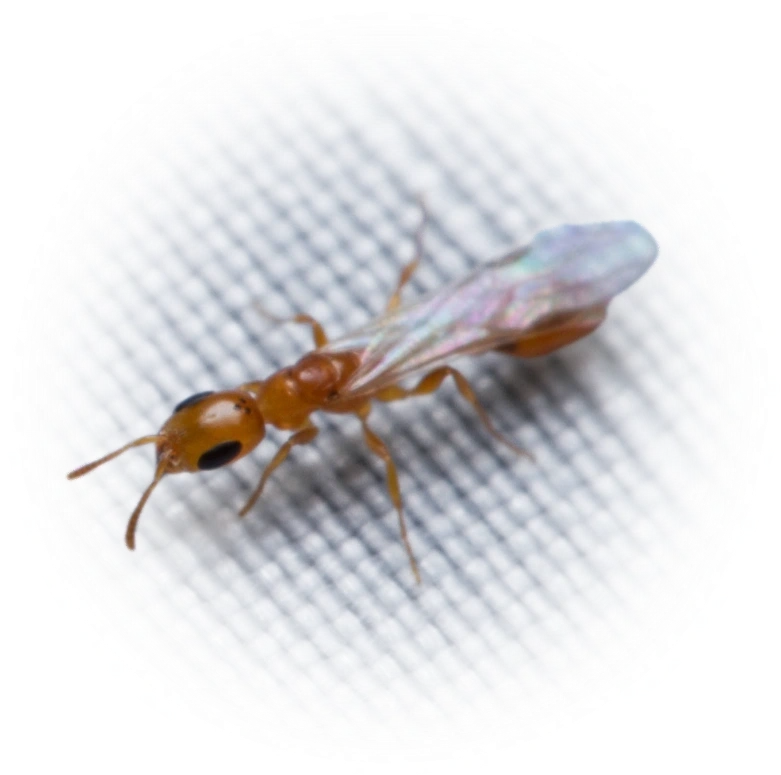
Pallid Twig Ant
Pseudomyrmex pallidus
- Sci. Name
- Pseudomyrmex pallidus
- Tribe
- Pseudomyrmecini
- Subfamily
- Pseudomyrmecinae
- Author
- Smith, 1855
- Common Name
- Pallid Twig Ant
- Distribution
- Found in 4 countries
- Queen Activity
- From February to October
- Peak Time
- 11:00
AI Identifiable
try →
Introduction
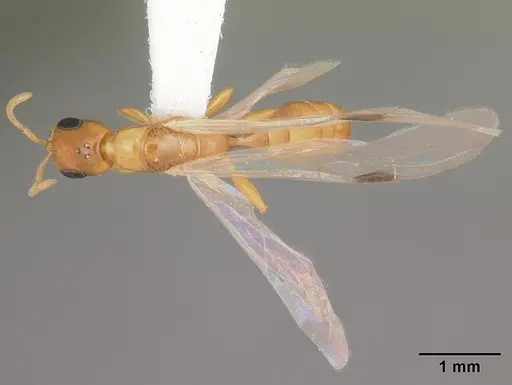
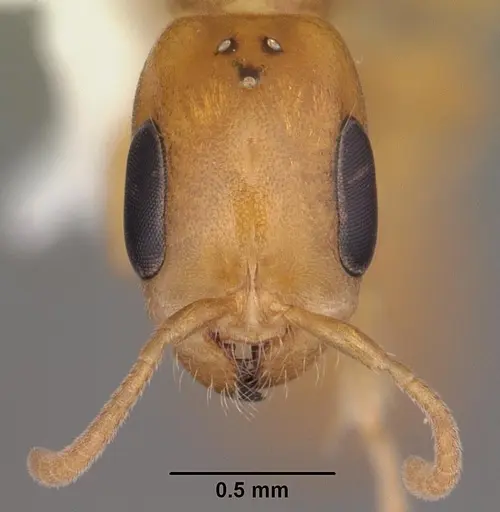
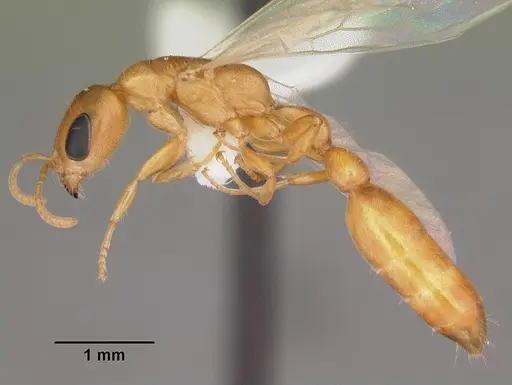
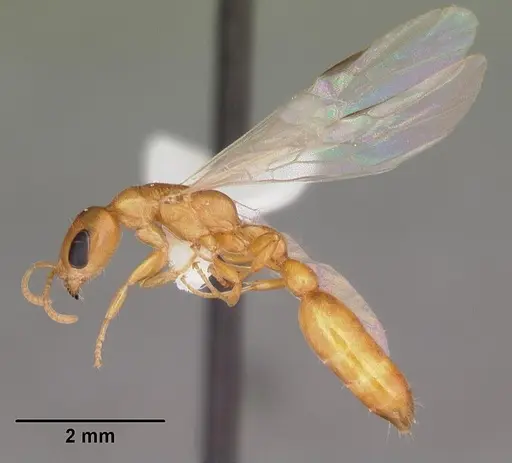
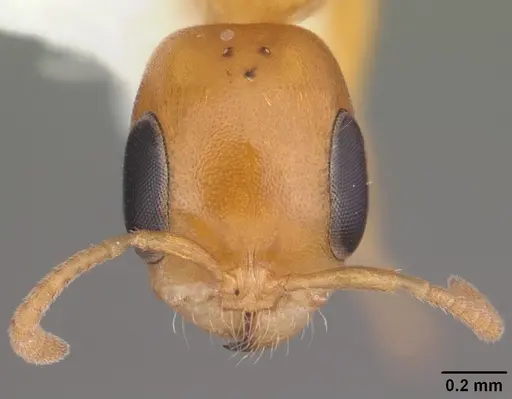
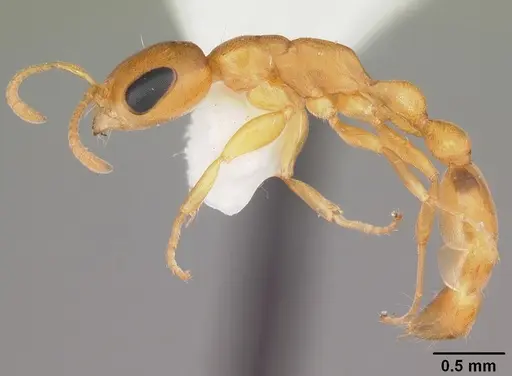
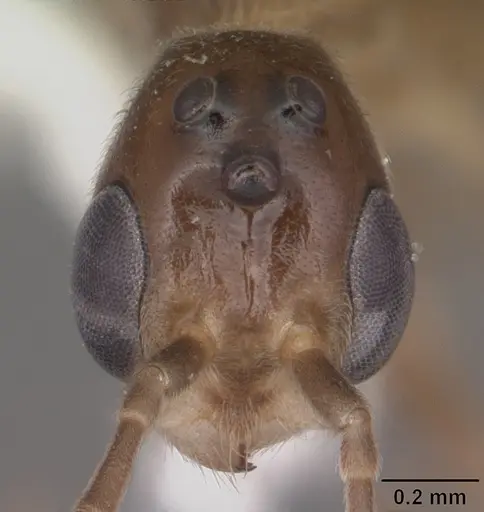
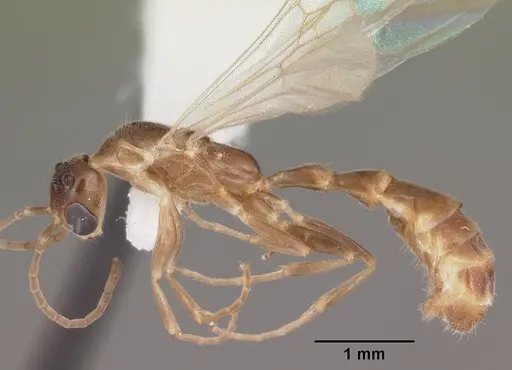
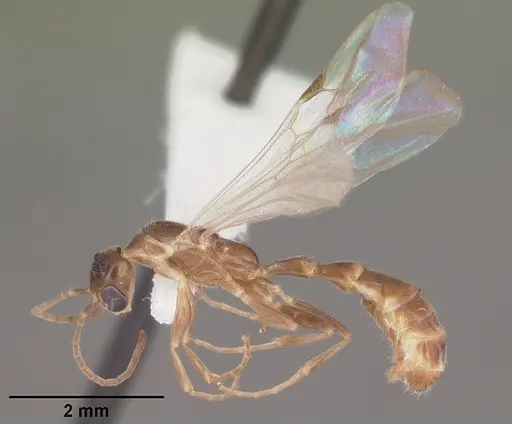
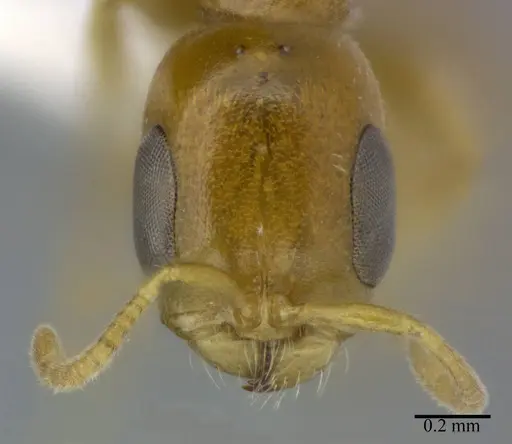
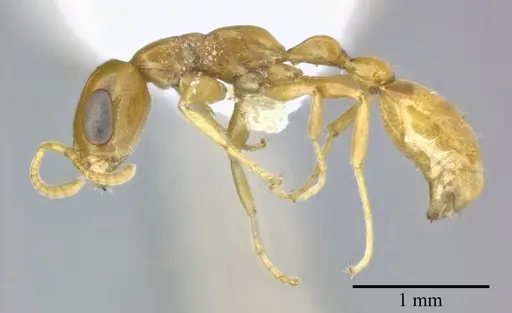
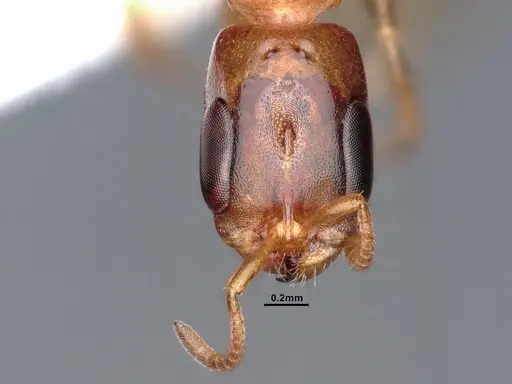
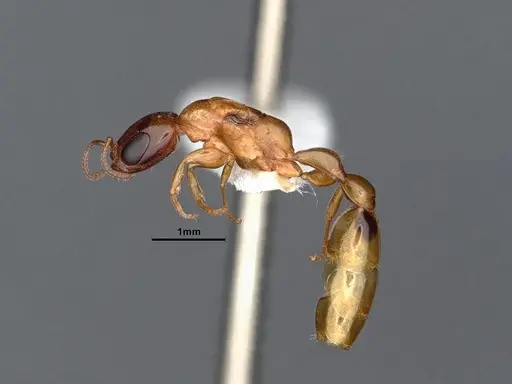
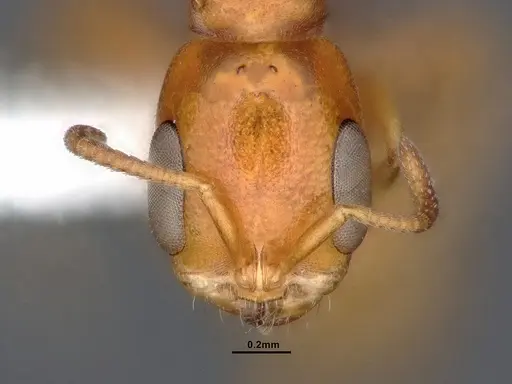
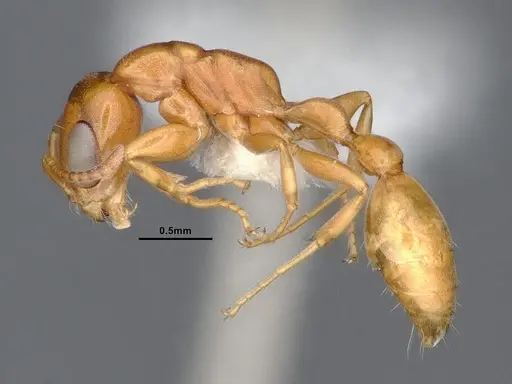
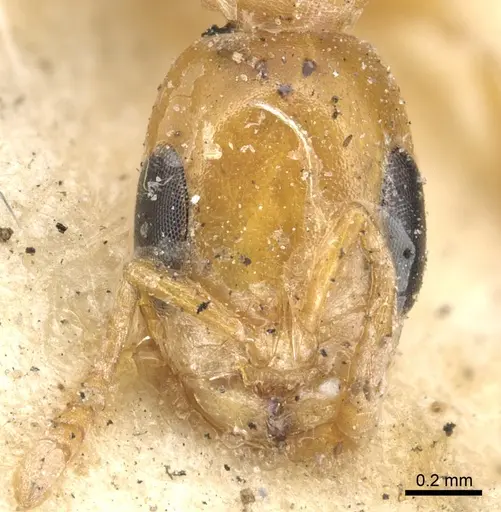
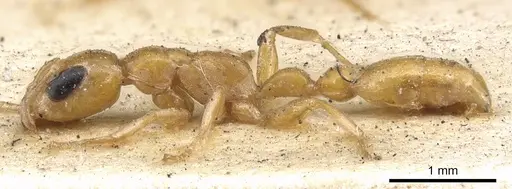
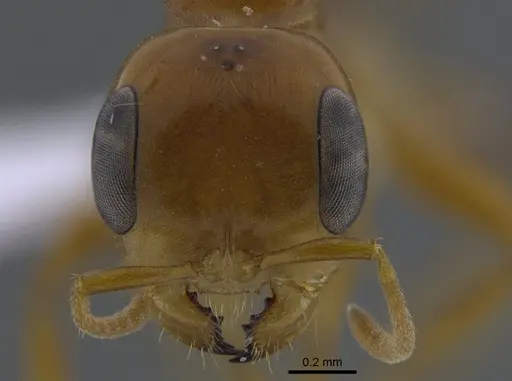
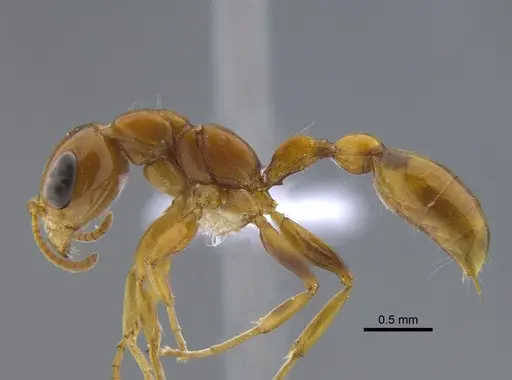
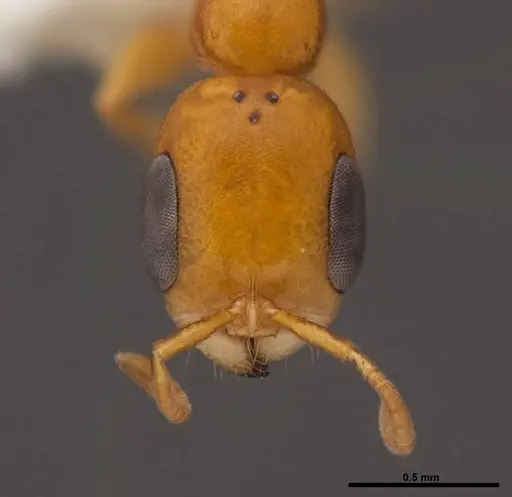
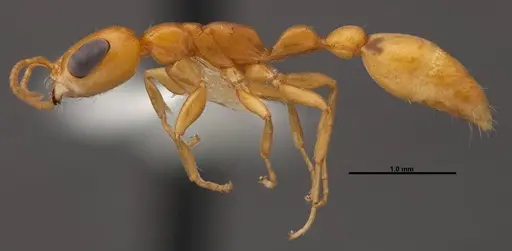
Pseudomyrmex pallidus is a medium-sized, orange-brown ant belonging to the Pseudomyrmecinae subfamily. Workers are about 4-6 mm long, with a slender body and large eyes suited for their arboreal lifestyle . This species is one of the most widespread Pseudomyrmex in the Americas, ranging from the southern United States to Argentina . They are generalist cavity-nesters, colonizing dead grass stalks, hollow twigs, and other plant cavities . P. pallidus stands out for its flexible social structure - colonies can be single-queen (monogyne) or multi-queen (polygynous), with up to 22 queens recorded . Unlike specialized acacia-ants, this species is a generalist predator and forager . It visits extrafloral nectaries and has been observed as a predator of Miami blue butterfly larvae . They have a relatively large stinger and can deliver a notably painful sting, so care is needed when handling .
Quick Summary
- Difficulty: Medium
- Origin & Habitat: Native from the southern US (North Carolina to Florida, west to California and Texas) through Mexico and Central America to Argentina [2][3]. Found in a wide range of habitats including tropical dry forests, evergreen forests, pine forests, pastures, coffee plantations, and coastal dunes [10][11]. They nest in dead stalks of herbaceous plants, grass culms, hollow twigs, and vines, essentially any above-ground cavity [9][12].
- Colony Type: Facultatively polygynous, can be monogyne (single queen) or polygynous (multiple queens, up to 22 documented). Many colonies in Texas and Florida were queenless or monogyne, but multi-queen colonies occur. Also polydomous (single colony occupies multiple nest sites) [4][13].
- Size & Growth:
- Queen: Approximately 6-7 mm (estimated from worker size and genus patterns)
- Worker: Approximately 4-6 mm (inferred from genus Pseudomyrmex patterns)
- Colony: Up to 113 workers [14]
- Growth: Moderate
- Development: 6-10 weeks (estimated based on related Pseudomyrmex and tropical ant development patterns) (Development time depends on temperature, warmer conditions within their range speed it up.)
- Antkeeping:
- Temperature: 22-26°C. As a Tropical Climate Specialist, they prefer warm conditions. Avoid long periods below 18°C or above 30°C [11][15].
- Humidity: Moderate, around 50-70%. They prefer drier conditions than ground-nesting ants, avoid soaking the nest. Provide a water source but keep the nest chambers relatively dry.
- Diapause: Unlikely required. Alates are collected year-round [4], so they probably don't need a cold period. Activity may slow in winter but they don't need induced diapause.
- Nesting: Provide narrow cavities that mimic natural twigs or grass stems. Y-tong (AAC) nests with small chambers work well, as do bamboo sections or hollow twigs. Avoid open, wet nests.
- Behavior: Generalist predator and forager [5][6]. Workers are active hunters but not particularly aggressive toward humans unless the nest is disturbed. They will sting if threatened, their sting is notably painful [9]. They are relatively non-aggressive overall [16]. Arboreal, but will forage on the ground. Escape risk is high due to small size and agility, use fine mesh and seal gaps. Functionally a Tropical Climate Specialist [11][15].
- Common Issues: painful sting, they have a large stinger and deliver a painful sting when defensive [9]., escape risk, small size and climbing ability let them slip through tiny gaps, use fine mesh., humidity control, too much moisture can cause problems, keep nest relatively dry., colony decline possible if queen number is unstable in polygynous setups., limited availability in the hobby, may be hard to source.
Queen Ant Activity Analysis 134 observations
Queen Activity by Hour 134 observations
Pseudomyrmex pallidus queen activity peaks around 11:00 during the late morning to early afternoon. Activity is spread across a 15-hour window (05:00–19:00). A secondary activity peak occurs around 13:00. Times may be influenced by human observation patterns.
Housing and Nest Preferences
Pseudomyrmex pallidus is an obligate cavity-nester. In nature, they use dead stalks of herbaceous plants like Ambrosia, Bidens, and Andropogon in Florida, dead twigs of Baccharis, Quercus, and Acacia in other states, and grass culms or vines [4]. For captivity, Y-tong (AAC) nests with narrow, elongated chambers work best. You can also use natural twigs, bamboo sections, or test tubes with a cavity insert. Because they are arboreal, a vertical outworld with twigs or branches mimics their natural environment. They prefer drier nest conditions than ground-nesting ants, so avoid waterlogged substrate.
Feeding and Diet
This species is a generalist predator [5][6]. Workers hunt small insects like fruit flies, pinhead crickets, and small mealworms. They also visit extrafloral nectaries in the wild [7][17], so they may accept sugar water or honey as a supplement. Offer protein 2-3 times per week and keep sugar water available continuously if they take it. Remove uneaten prey after 24 hours to prevent mold.
Temperature and Seasonal Care
With a range from the southern US to Argentina, P. pallidus tolerates a variety of temperatures but prefers warm conditions. Keep them at 22-26°C for best activity and brood development [11][15]. They are Tropical Climate Specialists, so they do not need a cold winter dormancy, alates are collected year-round [4]. In cooler months, activity may slow, but gentle heating can keep them active. Avoid sustained temperatures below 18°C.
Behavior and Defense
Pseudomyrmex pallidus is relatively non-aggressive compared to some other Pseudomyrmex species [16], but it defends its nest vigorously when disturbed. Its sting is notably painful for its size due to a large stinger [9]. Handle with care and avoid direct nest disturbance. Workers are monomorphic (all same size) [13]. Their small size (4-6 mm) means they can escape through tiny gaps, use fine mesh on all openings. They are arboreal and comfortable moving through vegetation, so provide vertical climbing surfaces in the outworld.
Colony Structure and Multi-Queen Dynamics
Colonies can be monogyne or polygynous (up to 22 queens) [4]. Research shows that workers from monogyne colonies are better at discriminating intruders than those from polygynous colonies [18]. Also, there is a negative correlation between queen number and worker aggression [18]. Colonies are often polydomous (occupy multiple nest sites) in the wild [4]. If keeping multiple queens, monitor for conflict, single-queen colonies may establish more reliably.
Frequently Asked Questions
Can I keep Pseudomyrmex pallidus in a test tube?
Yes, for a founding colony you can use a test tube with a cavity insert (like a small straw or bamboo piece) to simulate a twig nest. They are obligate cavity-nesters and need a confined space, not an open water tube. Once they have workers, move them to a Y-tong or naturalistic nest with narrow chambers.
Do Pseudomyrmex pallidus sting?
Yes, they can sting and it is notably painful for their size. They have a large stinger relative to their body [9]. They are not aggressive normally but will defend the nest. Always handle with care.
How long does it take for Pseudomyrmex pallidus to raise first workers?
Exact data is missing, but based on related Pseudomyrmex species and tropical ant development, expect 6-10 weeks from egg to worker at 22-26°C. Warmer temperatures speed development.
Can I keep multiple queens together?
Yes, this species is facultatively polygynous, with up to 22 queens recorded in one nest [4]. However, single-queen colonies are more common and may establish more smoothly. If combining unrelated queens, introduce them gradually and watch for aggression.
What do Pseudomyrmex pallidus eat?
They are predatory and hunt small insects like fruit flies, pinhead crickets, and mealworms [5][6]. They also visit extrafloral nectaries [7], so they may accept sugar water or honey as a supplement. Offer protein 2-3 times per week.
Are Pseudomyrmex pallidus good for beginners?
Rated Medium difficulty. Not the hardest, but they require a proper cavity-nest setup, can deliver a painful sting, and may be hard to find. Beginners might start with more common species, but experienced keepers should find them manageable.
Do Pseudomyrmex pallidus need hibernation?
Probably not. Alates have been collected year-round [4], suggesting they do not require diapause. They prefer stable warm conditions. Activity may drop in winter but they can be kept active with heating.
How big do Pseudomyrmex pallidus colonies get?
Colonies are moderate in size. One study found 17-113 individuals with 1-3 queens [14]. With multiple queens and polydomy, a colony overall may reach a few hundred workers, but individual nests are small.
What is the best nest type for Pseudomyrmex pallidus?
Y-tong (AAC) with narrow chambers, bamboo sections, or hollow twigs all work well. For founding, a test tube with a small cavity insert. Avoid acrylic nests and overly moist substrates.
Why is my Pseudomyrmex pallidus colony dying?
Common issues: temperature too low (keep above 18°C), excessive humidity (prefer dry conditions), insufficient protein, or frequent disturbance. Check temperatures, dry out the nest a bit, and provide more live prey. If caught early, colonies often recover.
When do Pseudomyrmex pallidus queens forage?
Queen activity of Pseudomyrmex pallidus typically occurs From February to October. Times may be influenced by human observation patterns.
What time of day are Pseudomyrmex pallidus queens most active?
Queen activity of Pseudomyrmex pallidus peaks around 11:00 during the late morning to early afternoon, with most activity between 05:00 and 19:00. Times may be influenced by human observation patterns.
Report an Issue
The current care sheet is based fully on literature. See inconsistencies, or something that's incorrect? Please , it will be resolved after review from an admin. Contributing to the blogs tab also helps providing information, to make us be able to further improve the caresheets. Thank you for your support!
References

This caresheet is licensed under CC BY-SA 4.0 .
Community Blogs
CASENT0005441
View on AntWeb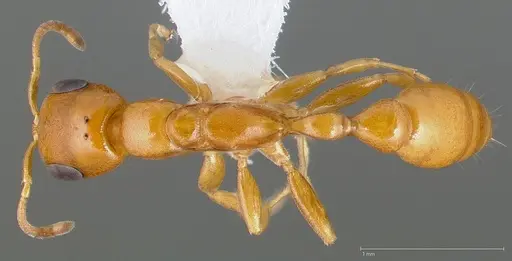
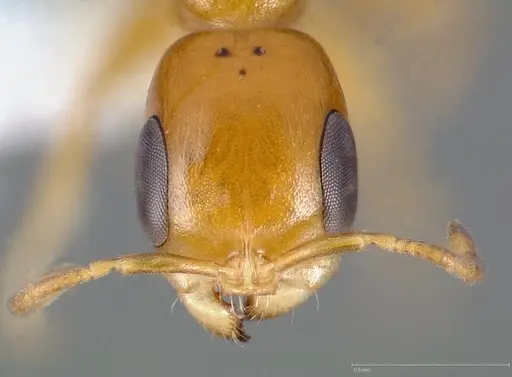
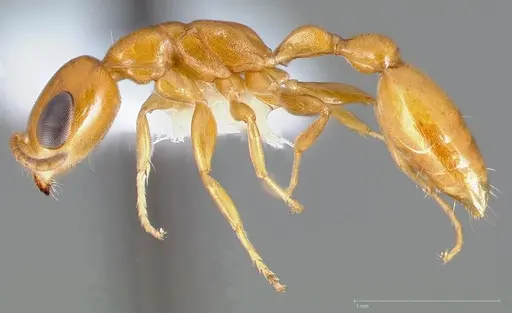
CASENT0103866
View on AntWeb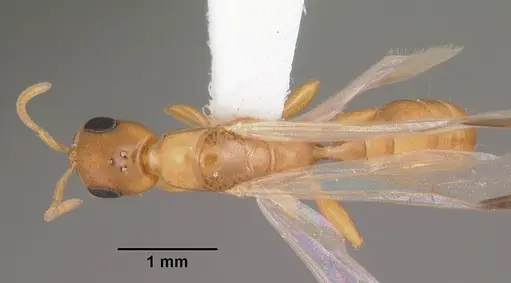
CASENT0103890
View on AntWeb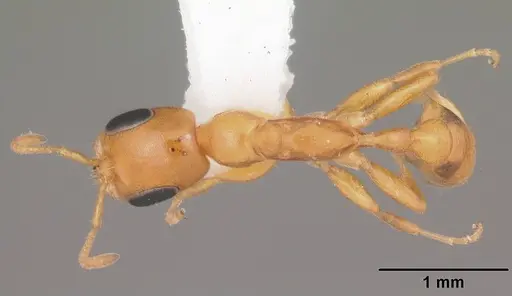
CASENT0104249
View on AntWeb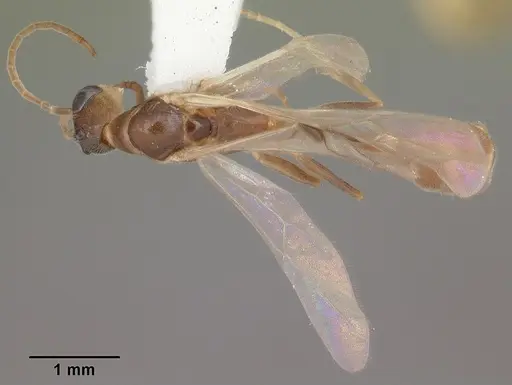
CASENT0246350
View on AntWeb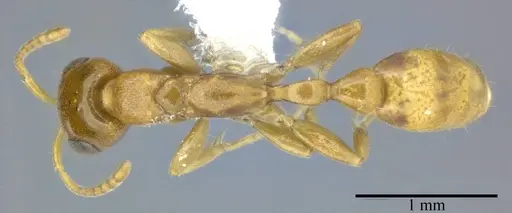
CASENT0884340
View on AntWeb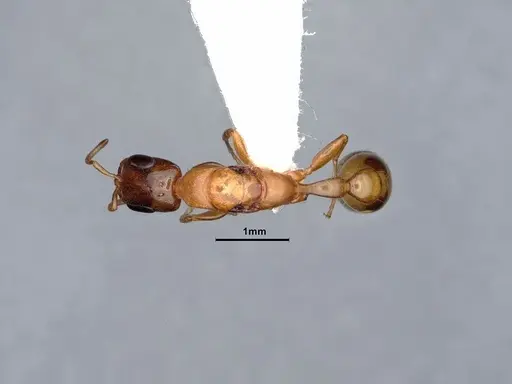
CASENT0884341
View on AntWeb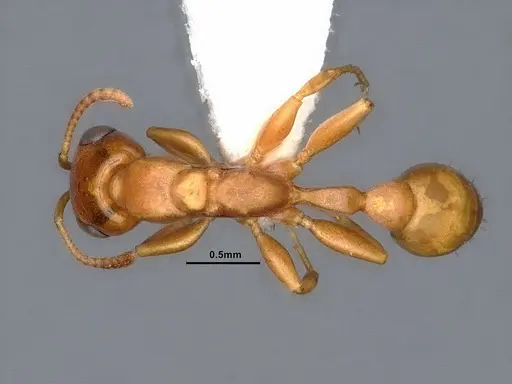
CASENT0902900
View on AntWeb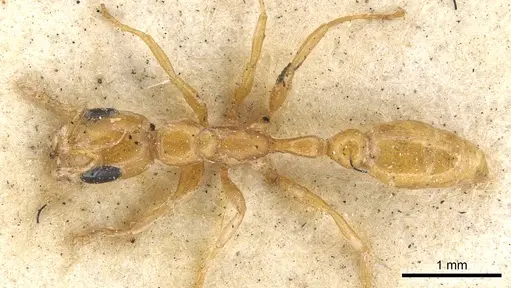
CBUMAGENT41735
View on AntWeb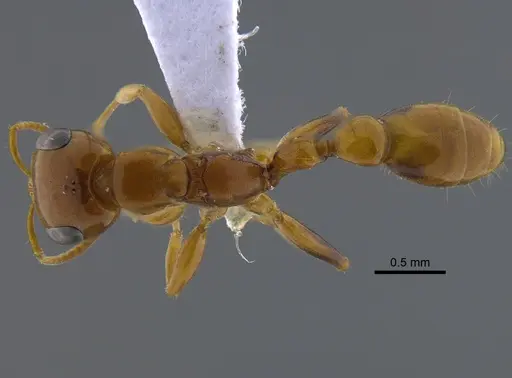
FMNHINS0000078509
View on AntWeb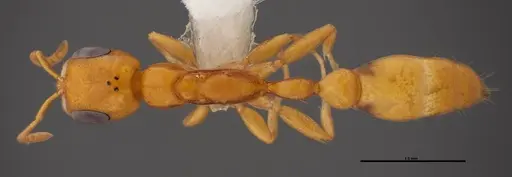
Literature
Loading distribution map...Loading products...