
Pseudomyrmex oki
- Sci. Name
- Pseudomyrmex oki
- Tribe
- Pseudomyrmecini
- Subfamily
- Pseudomyrmecinae
- Author
- Forel, 1906
- Distribution
- Found in 4 countries
Introduction
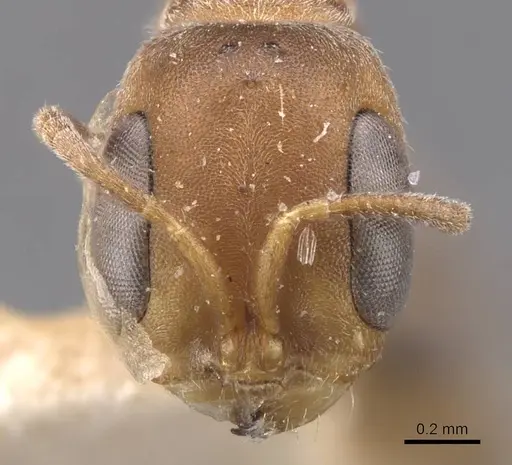
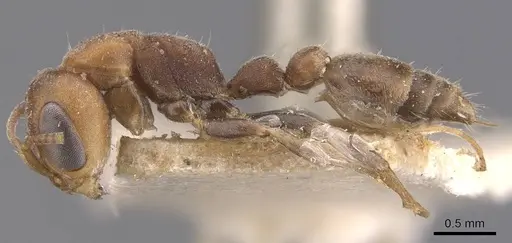
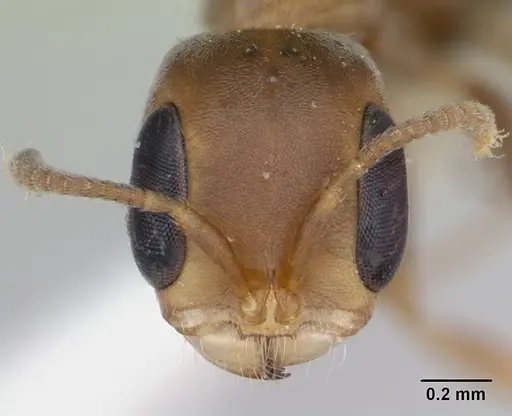
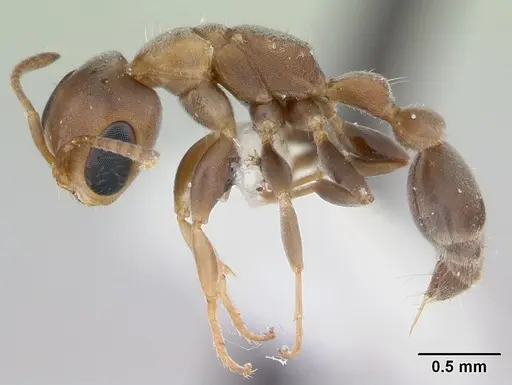
Pseudomyrmex oki is a slender, long-legged ant in the subfamily Pseudomyrmecinae, known for their large eyes and arboreal lifestyle. Workers are small with a characteristic elongated body shape. This species is found across the Neotropical region, specifically in Colombia, Costa Rica, and Panama . It inhabits tropical and subtropical forest environments at elevations from lowlands to around 980 m in Colombia . This species is a member of the *P. pallidus* group and is a generalist twig-nesting ant, meaning it colonizes hollow twigs, stems, and plant cavities rather than building underground nests . As a Neotropical species, they are adapted to warm, humid conditions and are active foragers that hunt small prey and collect honeydew from aphids and scale insects.
Quick Summary
- Difficulty: Medium
- Origin & Habitat: Neotropical region, Colombia, Costa Rica, and Panama [1][2]. Found in tropical dry forests and cloud forests at elevations from lowlands to approximately 980 m in the Andes foothills [3]. As a twig-nesting ant, they inhabit hollow stems and twigs in forest canopies and edges [4].
- Colony Type: Colony structure is unconfirmed for this specific species. Most *Pseudomyrmex* species are monogyne (single queen colonies), though some can form small colonies. They are generalist twig-nesters rather than ground-nesting ants [4].
- Size & Growth:
- Queen: size data unavailable
- Worker: size data unavailable
- Colony: Unknown, likely small to moderate colonies typical of twig-nesting *Pseudomyrmex*
- Growth: Moderate
- Development: Estimated 6-8 weeks at optimal tropical temperatures (25-28°C) based on genus-level data for Pseudomyrmecinae (Development time is inferred from related species in the genus. Warmer temperatures within the acceptable range will speed development.)
- Antkeeping:
- Temperature: Keep at 24-28°C. As a Neotropical species, they prefer warm conditions. A heating cable on one side of the nest can create a gentle gradient if room temperature is below this range.
- Humidity: Keep the nest substrate consistently moist but not waterlogged. These are forest-dwelling ants that prefer damp conditions. Mist occasionally and provide a water tube for drinking water.
- Diapause: No, as a Neotropical species, they do not require hibernation. They remain active year-round in captivity if kept warm.
- Nesting: Use a naturalistic setup with hollow twigs, cork bark, or a Y-tong/plaster nest with narrow chambers scaled to their small size. They prefer enclosed spaces similar to their natural twig nests. Avoid large, open formicaria.
- Behavior: These ants are active and alert foragers. They are generalist feeders that hunt small insects and collect honeydew. They are not particularly aggressive toward keepers but may sting if their nest is heavily disturbed (typical of Pseudomyrmecinae, which have a well-developed sting). Their small size means they can escape through tiny gaps, excellent escape prevention is essential. They are fast-moving and may be skittish when the nest is opened.
- Common Issues: escape prevention is critical due to their very small size, use fine mesh and tight-fitting lids., colonies may struggle if kept too dry, maintain consistent humidity., queens may fail if stressed during founding, avoid disturbance., inadequate nesting setup can cause colony stress, provide twig-like spaces., temperature drops below 20°C can slow or stop colony development.
Housing and Nest Setup
Pseudomyrmex oki is a twig-nesting ant [4], which means they naturally colonize hollow stems, twigs, and plant cavities. In captivity, you can simulate this with a naturalistic setup using cork bark, hollow bamboo sections, or wooden twigs. Alternatively, a Y-tong (AAC) nest with narrow chambers works well, the chambers should be sized appropriately for their small worker size. Avoid large, open formicaria that mimic ground-nesting ant setups. These ants feel most secure in enclosed, tight spaces that mimic their natural twig nests. A small outworld connected to the nest allows for foraging space.
Feeding and Diet
As generalist foragers, Pseudomyrmex oki accepts a varied diet. Offer small live prey such as fruit flies, pinhead crickets, and small mealworms. They also collect sugar sources, a drop of honey water or sugar water should be available at all times. In nature, they likely forage for honeydew from aphids and scale insects, so occasional sweet offerings are appreciated. Protein should be offered 2-3 times per week, with sugar water constantly available. Remove uneaten prey after 24 hours to prevent mold.
Temperature and Humidity
Being a Neotropical species [2], Pseudomyrmex oki thrives in warm, humid conditions. Maintain temperatures between 24-28°C for optimal colony development. A heating cable placed on one side of the nest can create a temperature gradient, allowing ants to self-regulate. For humidity, keep the nest substrate consistently moist but not waterlogged. These forest-dwelling ants prefer damp conditions, a water tube should always be available for drinking. Avoid placing the nest near air conditioning or drafty areas.
Colony Founding
The founding behavior of Pseudomyrmex oki has not been directly documented. However, based on typical Pseudomyrmex patterns, the queen likely seals herself into a small chamber (claustral founding) and survives on stored fat reserves until her first workers emerge. The founding phase can take 1-2 months. During this time, the queen should be kept in a dark, quiet location with minimal disturbance. Do not feed the founding queen, she has sufficient energy reserves. Once the first workers (nanitics) emerge, you can begin offering tiny amounts of sugar water.
Behavior and Temperament
Pseudomyrmex oki is an active, fast-moving ant that forages individually rather than in massive trails. They are alert and will quickly retreat into their nest if threatened. While not particularly aggressive toward keepers, they may sting if their nest is heavily disturbed (like other Pseudomyrmecinae, they have a well-developed sting). Their small size and speed make them challenging to handle during nest inspections. They are excellent climbers and can scale smooth surfaces, making escape prevention critical. Use fluon barriers on any potential escape routes.
Frequently Asked Questions
How long does it take for Pseudomyrmex oki to produce first workers?
Based on typical Pseudomyrmex development, expect first workers (nanitics) approximately 6-8 weeks after eggs are laid, provided temperatures are maintained at 25-28°C. Development is faster in warmer conditions within their acceptable range.
Can I keep Pseudomyrmex oki in a test tube?
A test tube can work for founding colonies, but these ants prefer enclosed twig-like spaces. Once the colony starts to outgrow the tube, consider moving them to a naturalistic setup with cork bark or a small acrylic nest with narrow chambers.
What do Pseudomyrmex oki eat?
They are generalists that accept small live prey (fruit flies, pinhead crickets, small mealworms) and sugar sources (honey water, sugar water). Offer protein 2-3 times per week and keep sugar water available at all times.
Do Pseudomyrmex oki ants sting?
Yes. As a member of the Pseudomyrmecinae subfamily, they have a well-developed sting used for defense. However, their small size means the sting is often too weak to penetrate human skin. Handle gently and avoid disturbing the nest.
Are Pseudomyrmex oki good for beginners?
This species is rated as medium difficulty. While not the hardest ant to keep, their small size, escape risk, and humidity requirements make them better suited for keepers with some experience. Beginners should master easier species first.
Do Pseudomyrmex oki need hibernation?
No. As a Neotropical species from Colombia, Costa Rica, and Panama, they do not require hibernation [2]. Keep them warm year-round (24-28°C) for continued colony development.
How big do Pseudomyrmex oki colonies get?
Colony size is not well documented for this specific species. Based on typical twig-nesting Pseudomyrmex behavior, colonies likely reach several hundred workers at maximum, not massive supercolonies.
Why are my Pseudomyrmex oki dying?
Common causes include: too low humidity (keep substrate consistently moist), temperatures below 20°C (provide warmth), escape due to inadequate barriers (use fine mesh), or overfeeding leading to mold. Check these parameters first.
When should I move Pseudomyrmex oki to a formicarium?
Move from a founding setup to a larger nest once the colony becomes crowded and the founding container is no longer adequate. Ensure the new setup has appropriately sized chambers for their small size.
Can I keep multiple Pseudomyrmex oki queens together?
Colony structure is unconfirmed for this species. Most Pseudomyrmex are monogyne (single queen). Combining unrelated queens is not recommended unless you observe successful pleometrosis (founding together) in your specific colony.
Report an Issue
The current care sheet is based fully on literature. See inconsistencies, or something that's incorrect? Please , it will be resolved after review from an admin. Contributing to the blogs tab also helps providing information, to make us be able to further improve the caresheets. Thank you for your support!
References

This caresheet is licensed under CC BY-SA 4.0 .
Community Blogs
CASENT0907551
View on AntWeb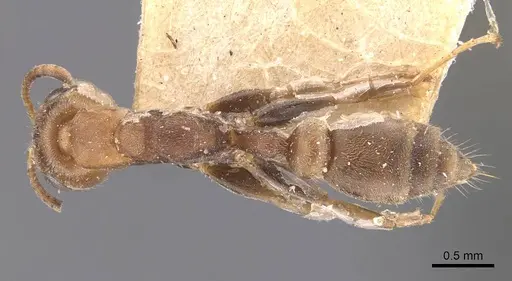
LACMENT142544
View on AntWeb
Literature
Loading distribution map...Loading products...