
Pseudomyrmex nigrocinctus
- Sci. Name
- Pseudomyrmex nigrocinctus
- Tribe
- Pseudomyrmecini
- Subfamily
- Pseudomyrmecinae
- Author
- Emery, 1890
- Distribution
- Found in 4 countries
Introduction
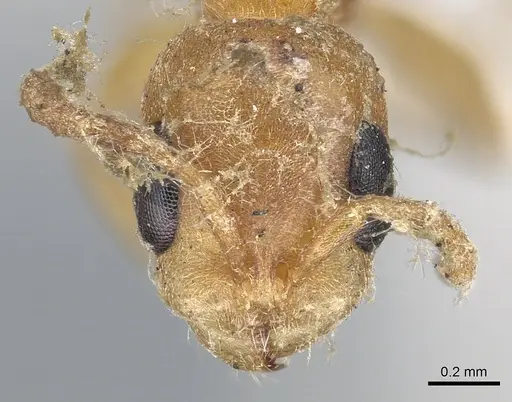
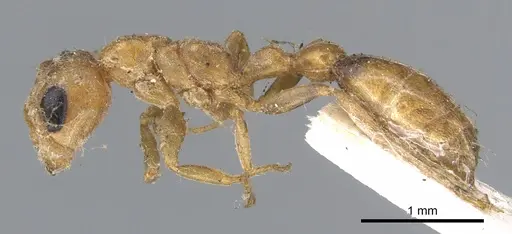
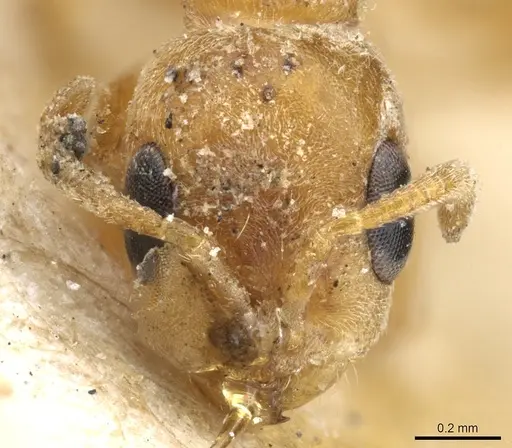
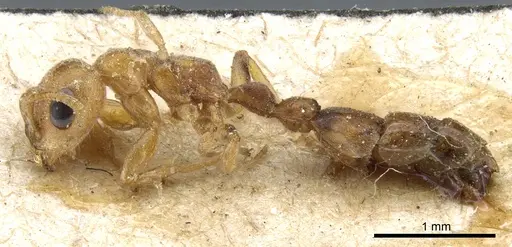
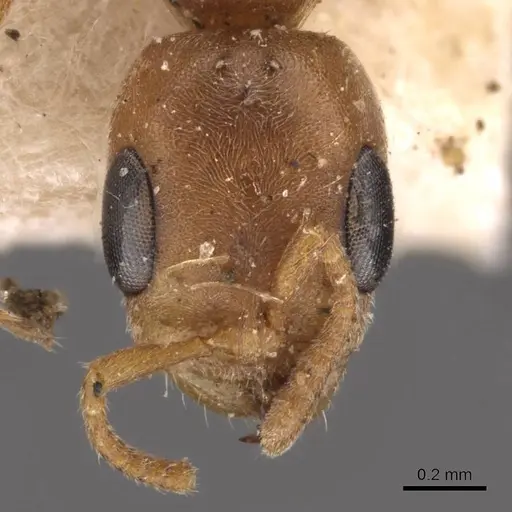
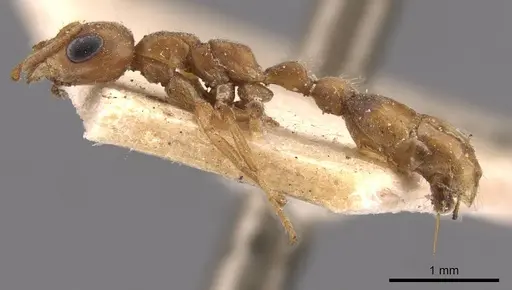
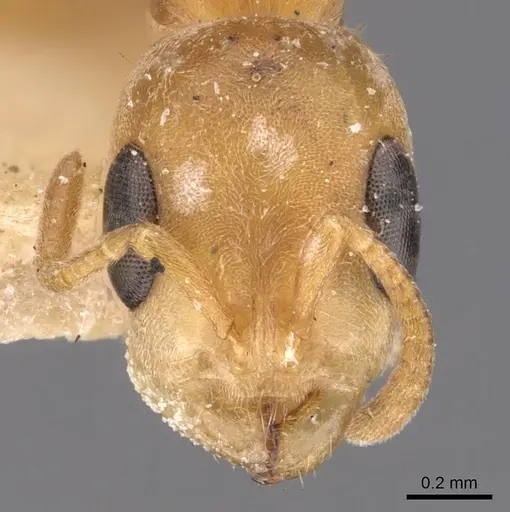
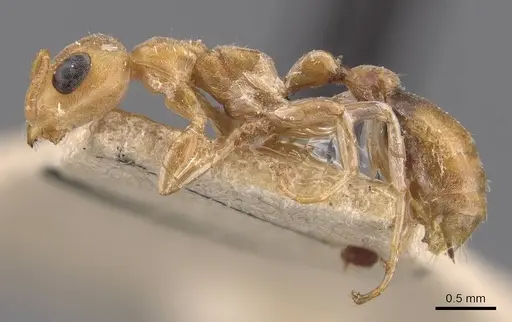
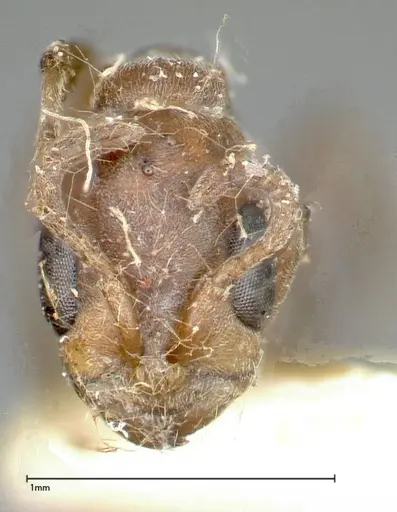
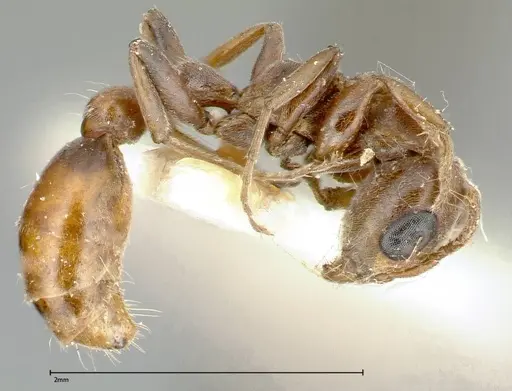
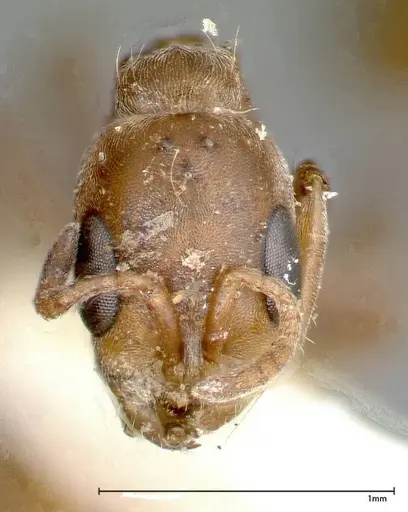
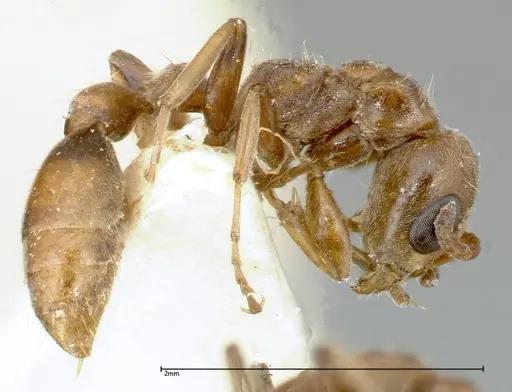
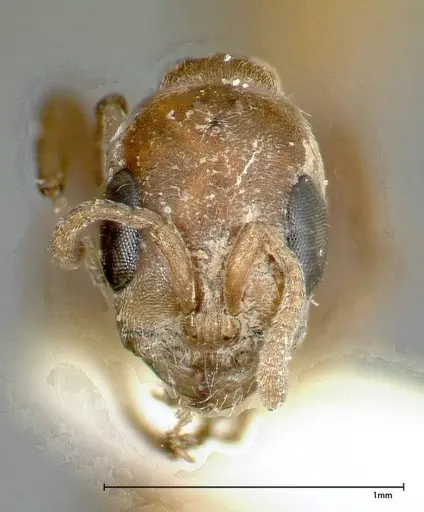
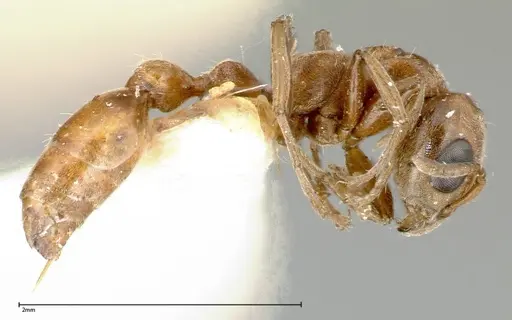
Pseudomyrmex nigrocinctus is a small, slender acacia ant from the Neotropics, ranging from Guatemala to Costa Rica . It is an obligate mutualist with Vachellia (formerly Acacia) trees - it cannot survive outside the dry forests of Costa Rica and Guatemala without its host plant . Workers are quite small compared to other acacia ants; total body length has not been measured, but head width is about 0.74-0.85 mm if that helps as a reference . They have an orange-brown coloration with occasional dark patches on the abdomen, and they carry their gaster straight rather than curled . Colonies are strictly monogynous (single queen) and monomorphic (all workers similar in size) . The truly unusual thing about this ant is its tight partnership with acacia trees. Workers nest inside the tree's swollen, hollow thorns (domatia) and defend the plant aggressively against herbivores and encroaching vegetation . They rarely venture more than 10-30 cm from the trunk, pruning back any rival plants to create a clear ring around the tree . In return, the acacia feeds them: workers drink nectar produced at the leaf bases and feed the larvae protein‑rich Beltian bodies (special leaf‑tip structures) . This mutualism evolved relatively recently (about 1.5-2.5 million years ago), making Pseudomyrmex nigrocinctus a more recent colonist of pre‑existing domatia‑bearing acacias .
Quick Summary
- Difficulty: Expert
- Origin & Habitat: Neotropical dry forests of Costa Rica and Guatemala, living obligately inside swollen‑thorn Vachellia acacia trees [3][1].
- Colony Type: Monogynous, colonies always have a single queen that lives inside the acacia thorns [5][6]. Workers are monomorphic [5].
- Size & Growth:
- Queen: Unknown (no body length measurements available in the literature).
- Worker: Unknown (total length not measured, head width is about 0.74-0.85 mm [4]).
- Colony: Unknown (not documented from wild colonies).
- Growth: Unknown (no data available).
- Development: Unknown (no developmental study exists for this species). (Development likely temperature‑dependent, but no reliable estimate can be given.)
- Antkeeping:
- Temperature: Tropical dry‑forest species, keep at 24-28°C year‑round [7]. A slight gradient is acceptable, but they rarely leave the nest area.
- Humidity: Moderate (around 60-70%). Because they nest inside acacia thorns which buffer humidity, mist the outworld occasionally but avoid waterlogging. No specific humidity data from the literature.
- Diapause: No, tropical species, no hibernation required. Keep temperatures stable all year.
- Nesting: This is the critical challenge. Pseudomyrmex nigrocinctus must have access to domatia‑bearing plant structures (Vachellia hollow thorns). Standard test tubes, Y‑tong, plaster, or acrylic nests are completely unsuitable. Any attempt to keep this species requires a naturalistic setup with living or preserved acacia stems containing domatia, no conventional ant nest will work [9][1][8].
- Behavior: Aggressive defenders of their host plant. Workers patrol the tree constantly and will sting any perceived threat (pain rating 1.5,Schmidt's index) [10]. They stay close to the nest tree, rarely venturing more than 10-30 cm away to prune vegetation [7]. Because of their small size and obligate nesting inside thorns, escape risk is low if the setup is secure, but they will bite and sting when disturbed. This is not a beginner‑friendly species.
- Common Issues: obligate mutualist with acacia trees, cannot survive without domatia‑bearing host plant., extreme difficulty in replicating natural acacia thorn habitat in captivity., specialized diet (nectar + Beltian bodies) not easily substituted, may refuse standard ant foods., aggressive with painful stings, handling requires extreme caution., no documented captive breeding success, most attempts fail due to housing challenges.
The Obligate Mutualism: Why This Ant Needs Acacia Trees
Pseudomyrmex nigrocinctus is a highly specialized ant that cannot survive without its host Vachellia (acacia) trees. Colonies live exclusively inside the swollen, hollow thorns (domatia) of the tree [9][1]. The ants defend the tree from herbivores and kill any competing vegetation by pruning it with their mandibles, creating a clearing around the base [7]. In return, the tree provides housing and two food sources: sweet nectar from extrafloral nectaries and protein‑rich Beltian bodies at the leaf tips [7]. This level of specialization means standard feeding and nesting practices will not work. There are no documented cases of successful long‑term captive breeding in artificial nests.
Housing Challenge: The Domatia Problem
The single biggest challenge with Pseudomyrmex nigrocinctus is that it cannot be housed in conventional ant setups. Test tubes, Y‑tong (AAC), plaster, or acrylic formicaria are all inappropriate. These ants evolved to live inside hollow plant structures, specifically the swollen thorns of Vachellia trees, and they will not thrive in artificial enclosures [9][4][8]. To have any chance of keeping this species, you would need a naturalistic setup with real Vachellia stems containing domatia (preserved or living). Some keepers have experimented with artificial alternatives (hollow bamboo sections, cork chambers), but success has not been confirmed. Given the extreme specialization and lack of proven husbandry, most antkeepers should avoid this species altogether and consider more adaptable members of the genus.
Defense Behavior and Sting
Workers of Pseudomyrmex nigrocinctus are aggressive defenders of their host tree. They patrol the plant constantly and respond to any disturbance by biting and stinging. The sting has a moderate pain rating of 1.5 on Schmidt's index, and the venom lethality (LD50) is 1.9 mg/kg [10]. In the wild, they attack herbivores and even inquisitive researchers. For keepers, this means extreme caution is needed when maintaining the setup. Use long forceps and never put your hand near the nest area without protection. While a single sting is not dangerous to healthy humans, multiple stings could cause problems.
Feeding and Diet
In the wild, Pseudomyrmex nigrocinctus feeds almost exclusively on acacia nectar and Beltian bodies [7]. Workers drink nectar from the tree's extrafloral nectaries, and they feed the larvae protein‑rich Beltian bodies. The digestive system of this species is specialized to process these plant‑derived nutrients [11]. In captivity, you can try offering sugar water or honey water as a nectar substitute, but acceptance is not guaranteed. Beltian bodies cannot be easily replicated. This species does not hunt or scavenge like typical ants, and standard ant foods (such as mealworms) are likely to be ignored. No reliable feeding regimen has been documented for captive colonies.
Distribution and Natural History
Pseudomyrmex nigrocinctus is recorded from Costa Rica, Guatemala, El Salvador, Nicaragua, Suriname, Guyana, and French Guiana [1][2]. It is most common in the dry forests of Costa Rica, for example in Palo Verde National Park and Guanacaste [3]. The species belongs to the ferrugineus group and forms its own subgroup (the nigrocinctus subgroup) with only one other species [4]. It is a secondary colonizer of Vachellia, meaning it evolved to inhabit acacias that already had domatia, rather than being among the first acacia ants [9]. The lineage is relatively young, with a crown age estimated at 2.4-2.5 million years [4]. This recent origin may explain why the ants are so tightly tied to their host plant and have not developed flexibility.
Frequently Asked Questions
Can I keep Pseudomyrmex nigrocinctus in a test tube?
No. This species can only survive inside the hollow thorns of Vachellia acacia trees. Standard test tubes, formicaria, or any conventional ant nest are not suitable. There are no documented successful setups using test tubes [9][1].
What do Pseudomyrmex nigrocinctus eat?
In the wild, they feed almost exclusively on acacia nectar and Beltian bodies (protein‑rich leaf structures) [7]. In captivity, sugar water or honey water may be accepted as a nectar substitute, but success is unconfirmed. They are unlikely to accept standard ant foods like mealworms or insects.
How long does it take for Pseudomyrmex nigrocinctus to develop from egg to worker?
Unknown. No developmental study exists for this species. Based on related Pseudomyrmex patterns, some keepers estimate 6-10 weeks at tropical temperatures, but this is purely speculative.
Do Pseudomyrmex nigrocinctus ants sting?
Yes. Workers have a painful sting rated 1.5 on Schmidt's pain index. They are aggressive defenders and will sting if threatened. The venom has an LD50 of 1.9 mg/kg [10].
Are Pseudomyrmex nigrocinctus good for beginners?
No. This is an expert‑level species due to its obligate mutualism with acacia trees. It cannot be housed in conventional nests, and no proven captive husbandry exists. Beginner antkeepers should start with more adaptable species [9][1].
Do Pseudomyrmex nigrocinctus need hibernation?
No. As tropical ants from Costa Rica, they do not require hibernation or diapause. Keep temperatures stable in the 24-28°C range year‑round.
How big do Pseudomyrmex nigrocinctus colonies get?
Unknown. No colony size data exists for wild colonies. Based on typical acacia ant patterns, some keepers guess 100-500 workers, but this is speculative.
Can I keep multiple Pseudomyrmex nigrocinctus queens together?
No. This species is strictly monogynous, colonies have a single queen [5][6]. Multiple queens would fight. Do not attempt to combine unrelated foundresses.
Why are Pseudomyrmex nigrocinctus so hard to keep?
They are obligate mutualists with Vachellia acacia trees, they can only survive inside the tree's swollen thorns and cannot adapt to conventional nests. Their diet (nectar + Beltian bodies) is also very specialized and hard to replicate. No reliable captive care method has been developed [9][7].
Where is Pseudomyrmex nigrocinctus found?
Central America: Costa Rica, Guatemala, El Salvador, Nicaragua, Suriname, Guyana, and French Guiana. It lives in dry forests, especially Costa Rica's Guanacaste region [1][3][2].
What is the best nest type for Pseudomyrmex nigrocinctus?
There is no standard nest type. A naturalistic setup with living or preserved Vachellia (acacia) plant material containing domatia (hollow thorns) would be required. This species cannot be kept in any conventional ant‑keeping setup [9][1][8].
Is Pseudomyrmex nigrocinctus invasive anywhere?
No. This species is native to the Neotropical region of Central America. There are no records of it establishing populations outside its native range [1].
Report an Issue
The current care sheet is based fully on literature. See inconsistencies, or something that's incorrect? Please , it will be resolved after review from an admin. Contributing to the blogs tab also helps providing information, to make us be able to further improve the caresheets. Thank you for your support!
References

This caresheet is licensed under CC BY-SA 4.0 .
Community Blogs
CASENT0005795
View on AntWeb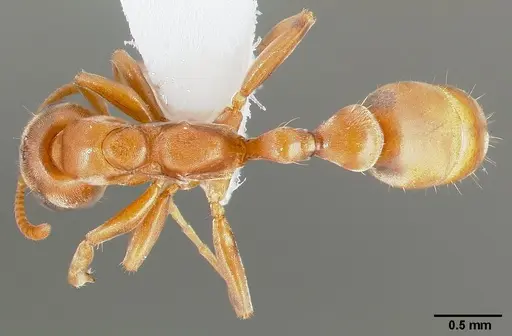
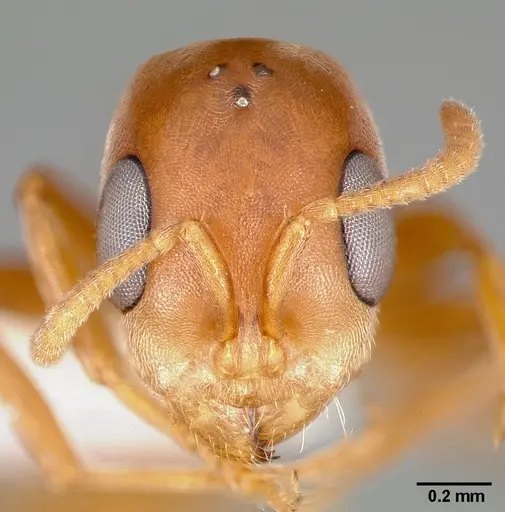
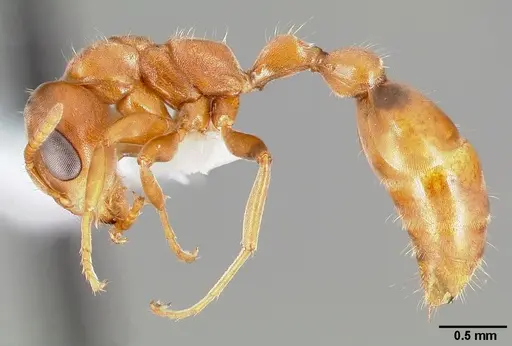
CASENT0902906
View on AntWeb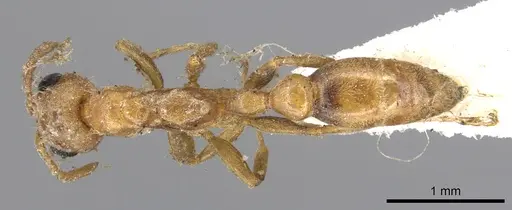
CASENT0904056
View on AntWeb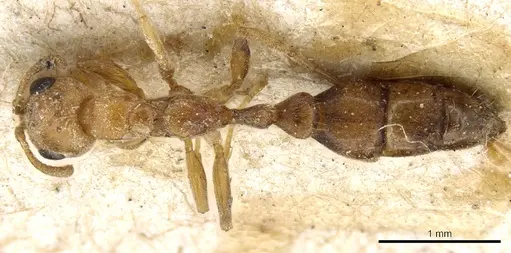
CASENT0907493
View on AntWeb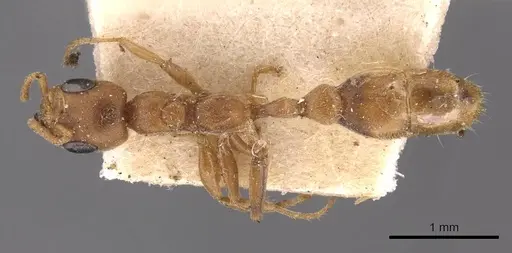
CASENT0907550
View on AntWeb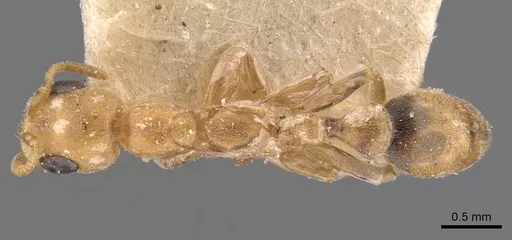
CASENT0915512
View on AntWeb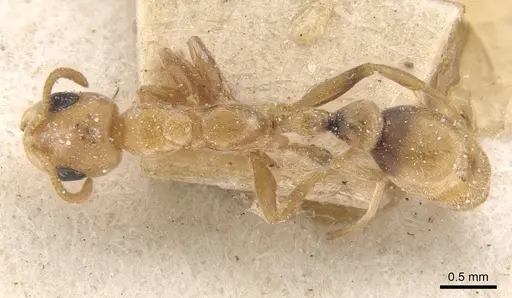
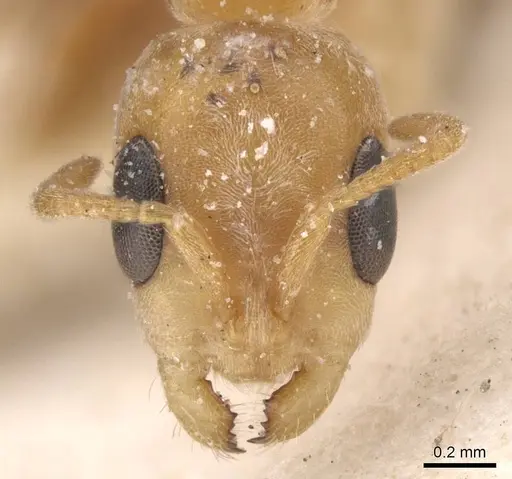
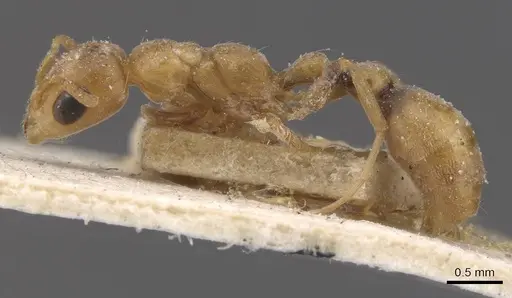
CASENT0915513
View on AntWeb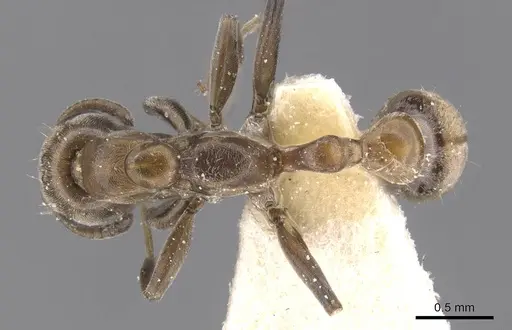
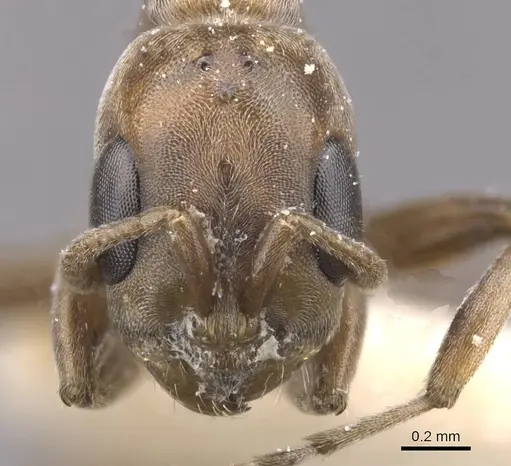
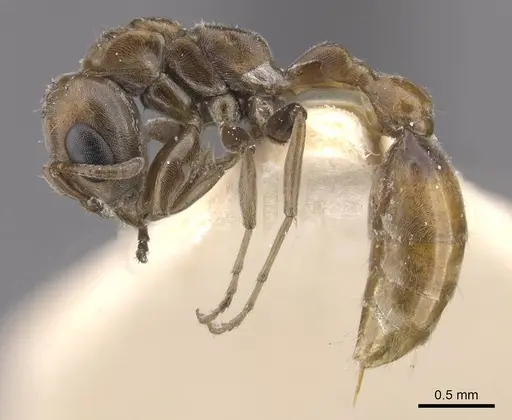
CASENT0916877
View on AntWeb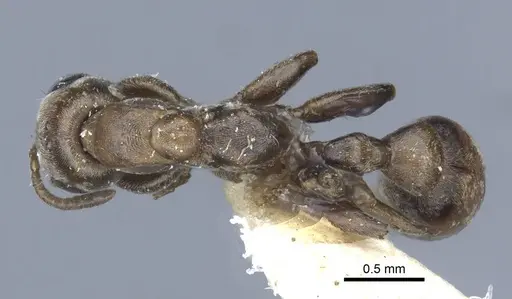
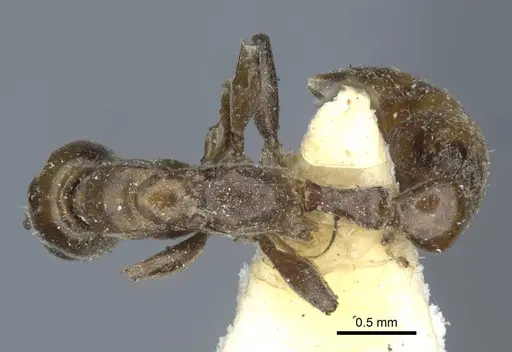
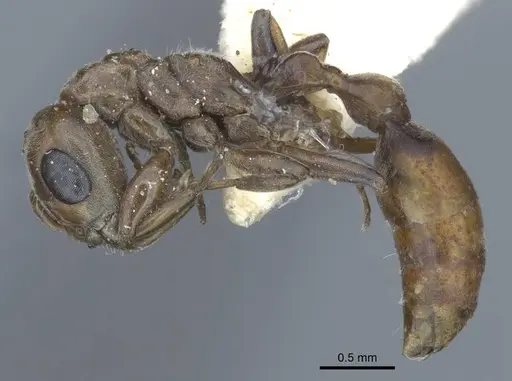
FOCOL0319-1
View on AntWeb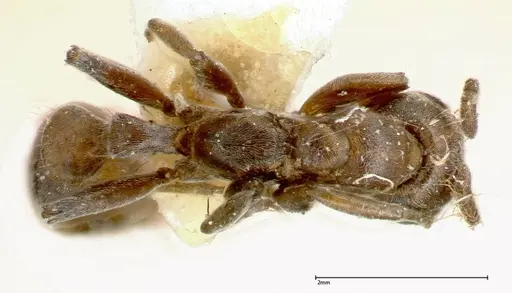
FOCOL0319-2
View on AntWeb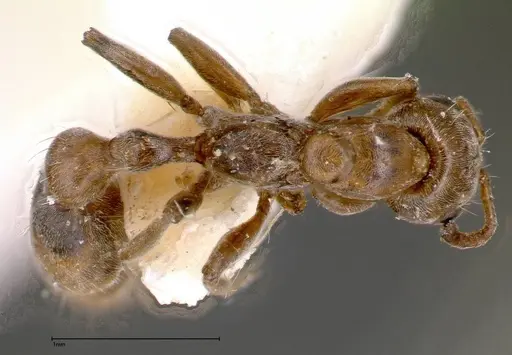
FOCOL0319-3
View on AntWeb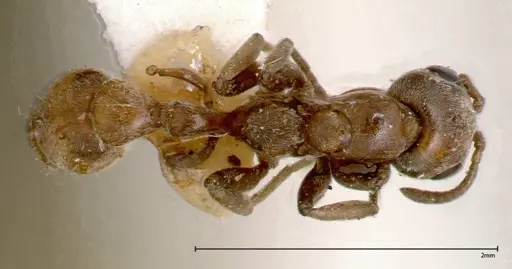
Literature
Loading distribution map...Loading products...