
Pseudomyrmex mordax
- Sci. Name
- Pseudomyrmex mordax
- Tribe
- Pseudomyrmecini
- Subfamily
- Pseudomyrmecinae
- Author
- Warming, 1894
- Distribution
- Found in 3 countries
Introduction
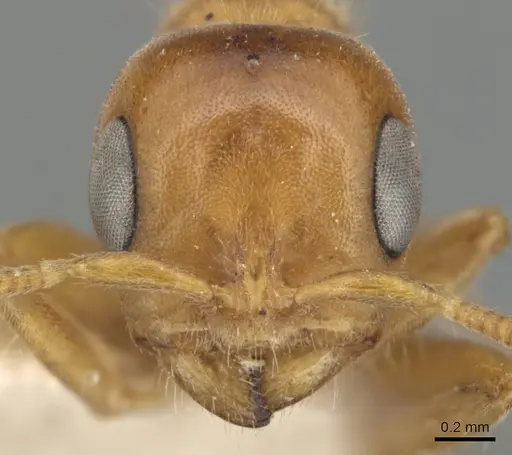
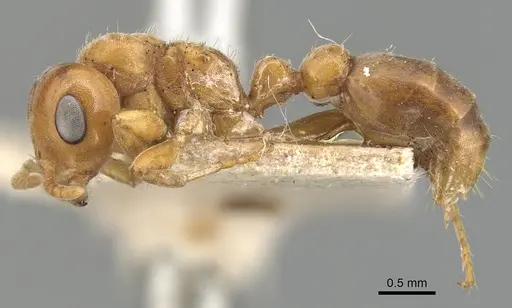
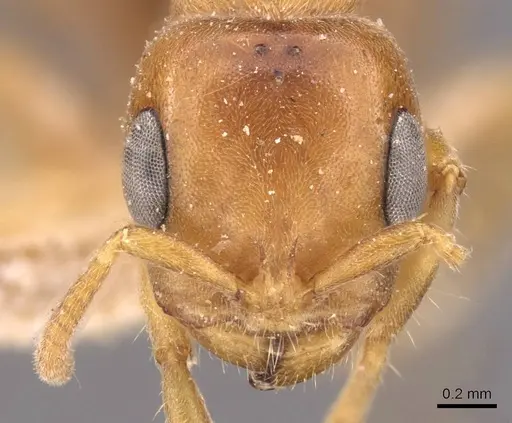
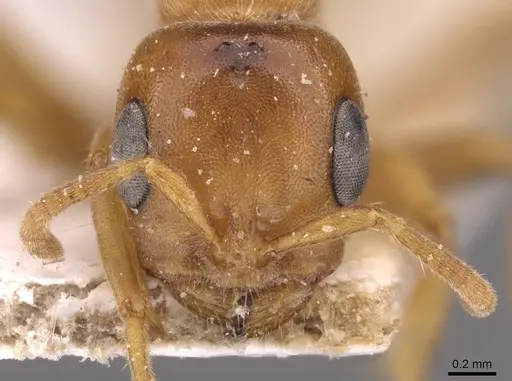
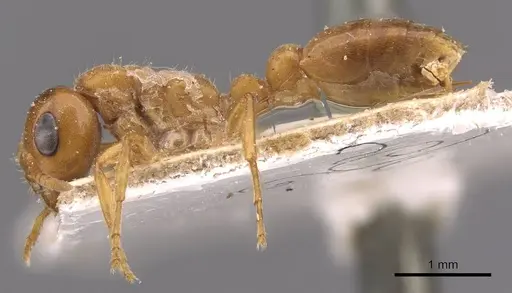
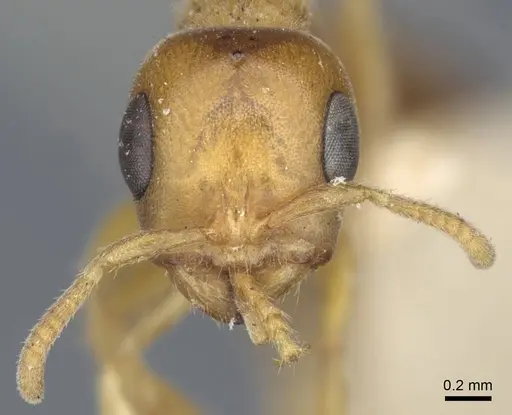
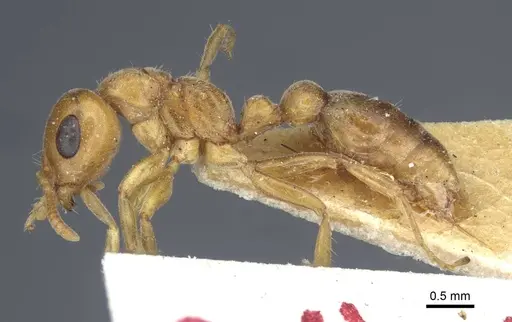
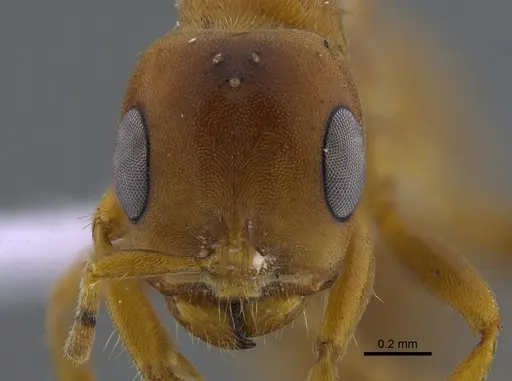
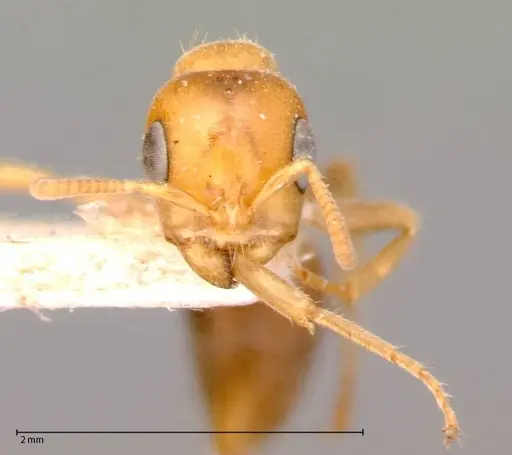
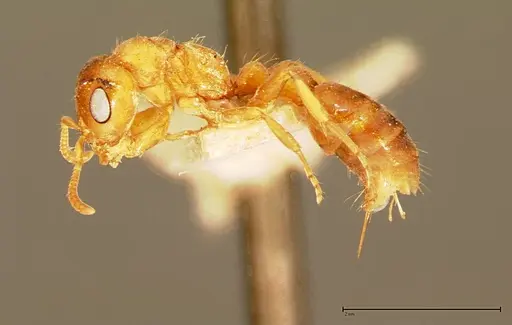
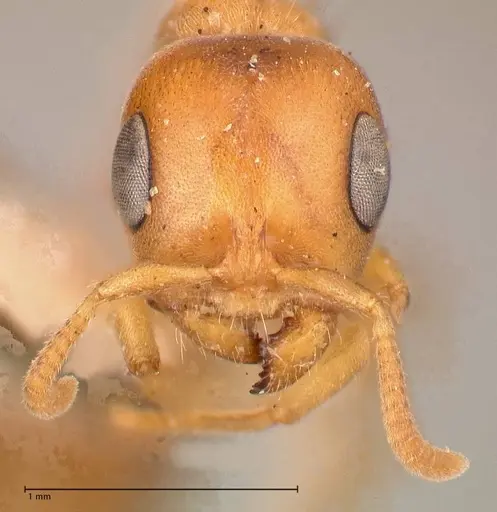
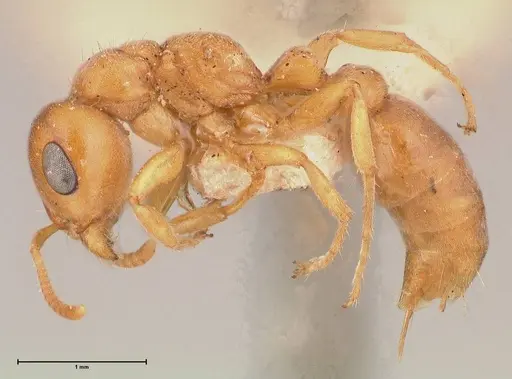
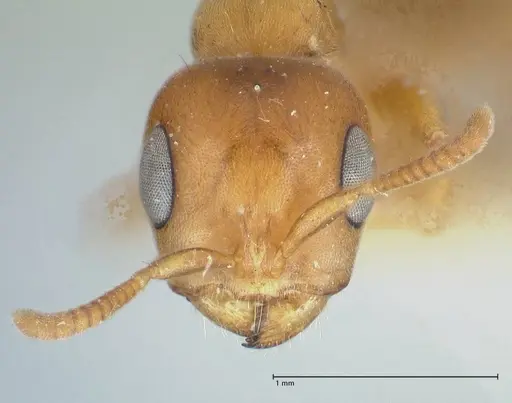
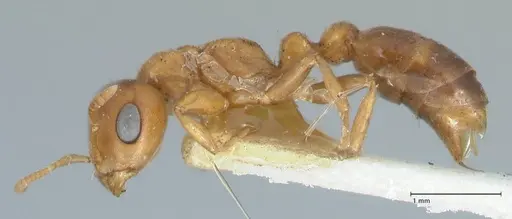
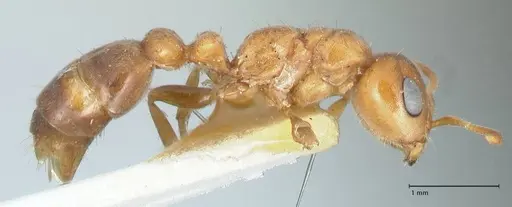
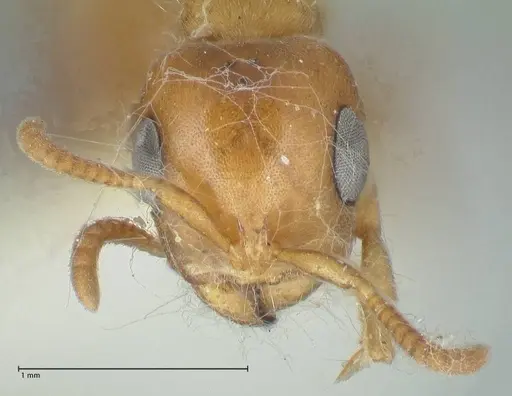
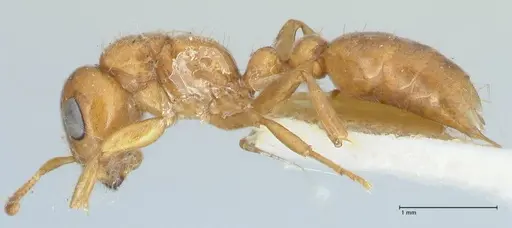
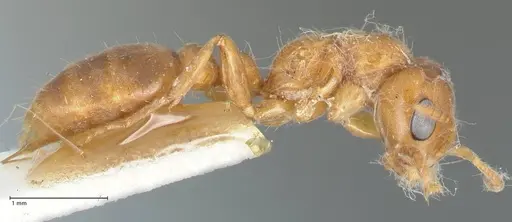
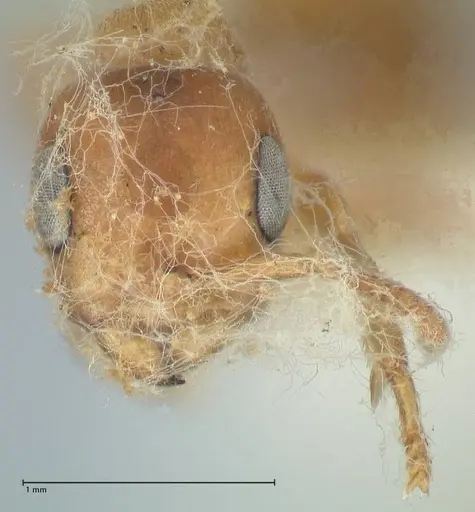
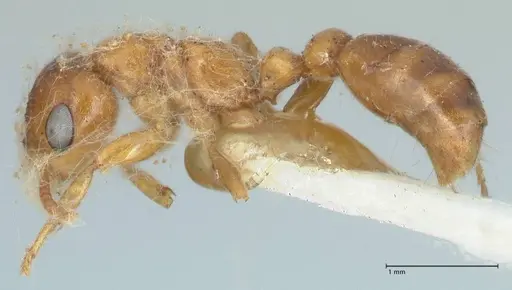
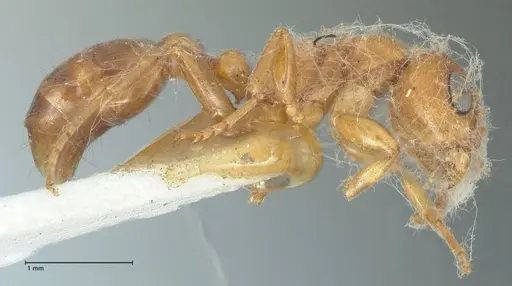
Pseudomyrmex mordax is a small, aggressive ant native to the tropical forests of Panama, Colombia, and Venezuela . Its body color ranges from light yellow-orange to medium brown, with the gaster sometimes darker . This species is an obligate mutualist of Triplaris trees (and also Tachigali plants), living exclusively inside their hollow stems . It is very aggressive when defending its nest, but its sting is less painful than that of related species . Its relatively limited distribution is tied to its host plants, and it overlaps in range only with a few other Triplaris-inhabiting ants .
Quick Summary
- Difficulty: Hard
- Origin & Habitat: Found in tropical forests of Panama, Colombia, and Venezuela at elevations up to about 980 meters [3][4]. They are obligate mutualists of Triplaris trees (Triplaris cumingiama, Triplaris americana, Triplaris purdiei) and also inhabit Tachigali plants, nesting exclusively inside hollow stems [1][2].
- Colony Type: Unconfirmed, based on genus patterns, likely monogyne (single-queen colonies) [1].
- Size & Growth:
- Queen: ~5-7 mm (inferred from Pseudomyrmex genus) [1]
- Worker: ~4-5 mm (inferred from Pseudomyrmex genus) [1]
- Colony: Unknown, likely several hundred workers, based on related species [1]
- Growth: Moderate
- Development: 6-8 weeks (estimated from typical tropical Pseudomyrmex patterns) [1] (Development time estimated, not directly studied for this species.)
- Antkeeping:
- Temperature: No exact data, but as a tropical species keep warm: 24-28°C. A heating cable on one side of the nest creates a suitable gradient [1].
- Humidity: High humidity (keep nest substrate consistently moist but not waterlogged, they live inside living plant stems which are humid) [1].
- Diapause: No, as a tropical species, it does not require hibernation. Keep consistent warm temperatures year-round [1].
- Nesting: Arboreal ants that naturally nest in hollow plant stems. In captivity, use Y-tong (AAC) nests or naturalistic setups with vertical structures (narrow chambers, climbing spaces). Avoid flat or horizontal nests [1].
- Behavior: Very aggressive and vicious when defending the nest, typical of plant-inhabiting Pseudomyrmex [1]. They will attack threats and can sting, but their sting is reported as less severe than that of other species [1]. Workers have large eyes, are active foragers, and are escape risks due to their small size, use fine mesh and tight lids. They show complex behaviors like alarm responses, territorial marking, and nestmate recognition [1].
- Common Issues: escape prevention is critical, their small size lets them squeeze through tiny gaps [1]., aggressive behavior means they will attack and sting when disturbed, handle carefully [1]., difficulty establishing colonies, wild colonies are tied to host plants and may not adapt to artificial nests., humidity management is tricky, need high humidity but also ventilation to prevent mold., stress from captivity, these obligate plant-ants may struggle without proper vertical/arboreal setups [1].
Natural History and Host Plant Relationship
Pseudomyrmex mordax is an obligate mutualist of Triplaris trees, it cannot survive without its host plant [1][2]. The ants live inside the hollow stems of Triplaris cumingiama, Triplaris americana, and Triplaris purdiei, and also in Tachigali plants [1][2]. The trees provide nesting cavities (domatia), and the ants defend the plant against herbivores and competing insects. This species shows high fidelity to its hosts but does not discriminate between Triplaris species within its range [2]. Its distribution spans Panama, Colombia (Antioquia, Bolívar, Cesar, Chocó, Córdoba, La Guajira, Magdalena, Santander, Sucre, Tolima, Valle del Cauca), and Venezuela [4][3]. It is smaller than its close relative Pseudomyrmex triplarinus and has shorter legs relative to body size [1].
Housing and Nest Setup
These arboreal ants need vertical nesting setups that mimic plant stems. Use Y-tong (AAC) or naturalistic setups with vertical tubes and narrow chambers. Avoid horizontal arrangements, they strongly prefer climbing surfaces [1]. Provide a water source for humidity (e.g., a test tube with cotton) and a damp moss section. Because they are escape artists, apply Fluon or similar barriers on nest edges and use fine mesh on connections. The outworld should have vertical structures like cork, branches, or artificial plants for foraging [1].
Feeding and Diet
In the wild, Pseudomyrmex mordax forages for honeydew and small insects. In captivity, offer sugar water or honey as a constant energy source. Provide protein 2-3 times per week: small live insects like fruit flies, pinhead crickets, or mealworm pieces. Remove uneaten prey after 24-48 hours to prevent mold. They are generalist omnivores, a varied diet works well [1][2].
Temperature and Seasonal Care
As a tropical species from Panama, Colombia, and Venezuela, Pseudomyrmex mordax requires warm temperatures year-round. Keep the nest at 24-28°C. Use a heating cable on one side to create a gradient [1]. They do not need hibernation, maintain consistent tropical conditions. Temperatures below 20°C can stress the colony and slow brood development [1].
Behavior and Handling
Pseudomyrmex mordax is very aggressive and will attack when its nest is disturbed [1]. However, its sting is less severe than that of related species [1]. When working with them, move slowly and avoid disturbing the nest directly. They show complex behaviors including alarm responses, territorial marking, and nestmate recognition [1]. Their small size (workers about 4-5 mm) makes them fast and good at escaping, always use secure barriers [1].
Colony Establishment
Establishing Pseudomyrmex mordax colonies in captivity is challenging because they are obligate plant-ants [1]. Wild colonies live inside living Triplaris or Tachigali stems. If you obtain a wild colony, include a section of the host plant stem or create artificial domatia. Queens likely found colonies claustrally inside a plant hollow [1]. Growth is moderate, expect the first nanitic workers after several months, and a year or more to reach a few dozen workers. Patience is key [1].
Frequently Asked Questions
Is Pseudomyrmex mordax a good beginner ant?
No, this species is not recommended for beginners. It is aggressive, requires specific arboreal setups, high humidity and warm temperatures, and is an escape risk. Its obligate relationship with host plants also makes colony establishment difficult [1].
Do Pseudomyrmex mordax ants sting?
Yes, they can sting. They are very aggressive and will sting when threatened, but the sting is reported as less severe than that of other Pseudomyrmex like those in bull-horn acacias [1].
What do Pseudomyrmex mordax eat?
They are generalist omnivores. Offer sugar water or honey constantly, and protein sources like small insects (fruit flies, pinhead crickets, mealworm pieces) 2-3 times per week. Remove uneaten prey after 24-48 hours [1][2].
Can I keep Pseudomyrmex mordax in a test tube?
Not recommended. These are arboreal ants that need vertical nesting setups. They do best in Y-tong (AAC) nests or naturalistic vertical structures. Horizontal test tubes do not suit their natural behavior [1].
What temperature do Pseudomyrmex mordax need?
Keep them at 24-28°C. They are tropical ants requiring warm conditions year-round. Use a heating cable on one side of the nest to create a gradient. Avoid temperatures below 20°C [1][2].
Do Pseudomyrmex mordax need hibernation?
No. As a tropical species, they do not require hibernation. Maintain consistent warm temperatures year-round [1].
How long does it take for Pseudomyrmex mordax to develop from egg to worker?
No direct data is available, but based on typical Pseudomyrmex development at tropical temperatures (24-28°C), the estimate is 6-8 weeks [1].
Why are my Pseudomyrmex mordax escaping?
Their small size (workers about 4-5 mm) makes them excellent escape artists. Use fine mesh barriers, tight-fitting lids, and apply Fluon or similar barriers around nest openings. Check for any tiny gaps [1].
Can I keep multiple Pseudomyrmex mordax queens together?
No, this species is inferred to be monogyne (single-queen colonies). Multiple unrelated queens will fight [1].
How big do Pseudomyrmex mordax colonies get?
Colony size is not well documented, but based on related Pseudomyrmex species, they likely reach several hundred workers. They are not among the largest ant colonies [1].
Report an Issue
The current care sheet is based fully on literature. See inconsistencies, or something that's incorrect? Please , it will be resolved after review from an admin. Contributing to the blogs tab also helps providing information, to make us be able to further improve the caresheets. Thank you for your support!
References

This caresheet is licensed under CC BY-SA 4.0 .
Community Blogs
CASENT0902887
View on AntWeb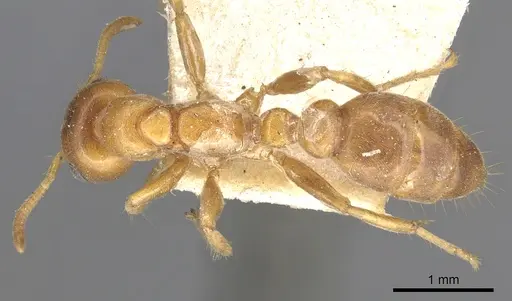
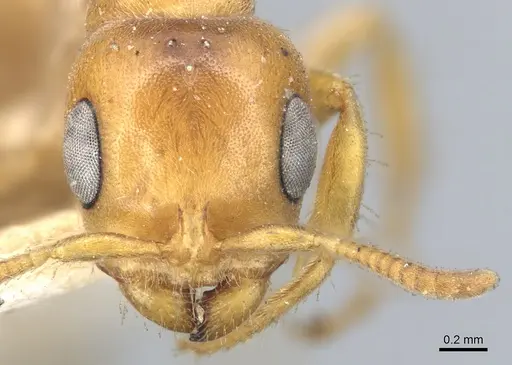
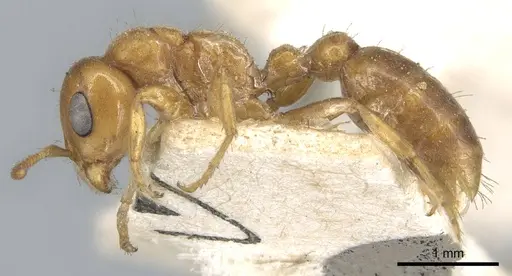
CASENT0904051
View on AntWeb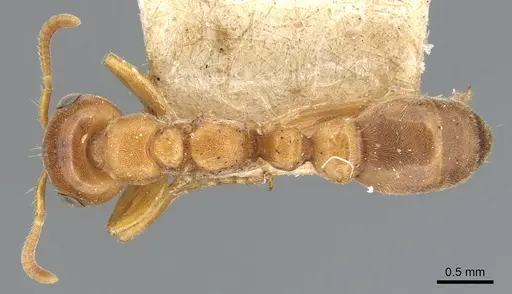
CASENT0907495
View on AntWeb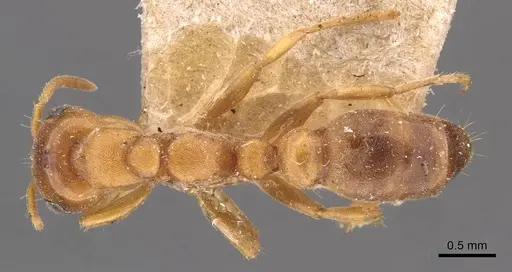
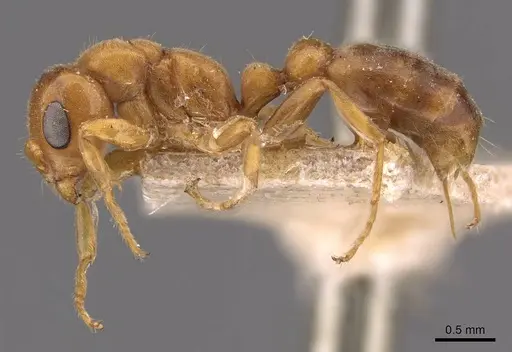
CASENT0907496
View on AntWeb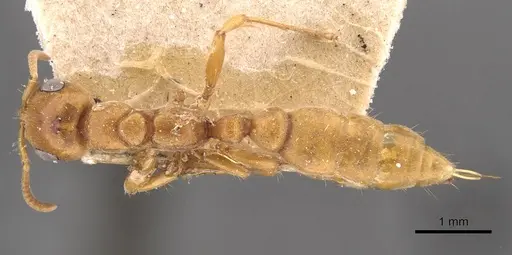
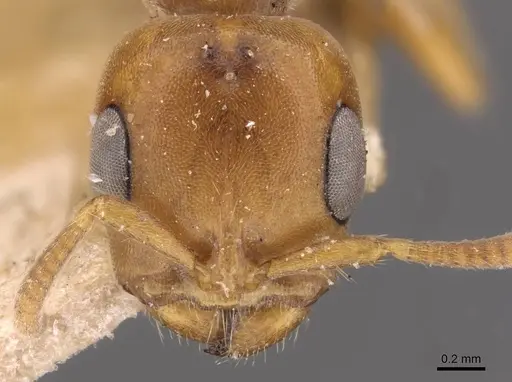
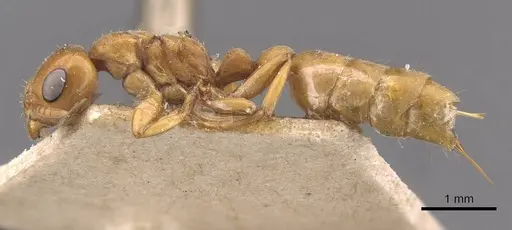
CASENT0907497
View on AntWeb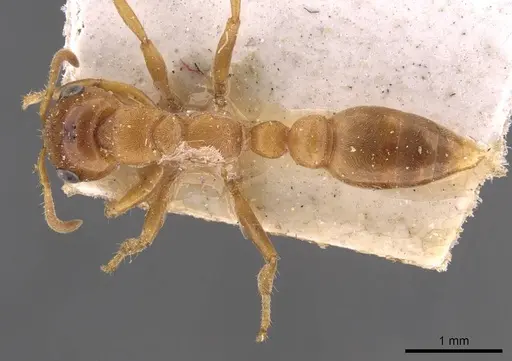
CASENT0916873
View on AntWeb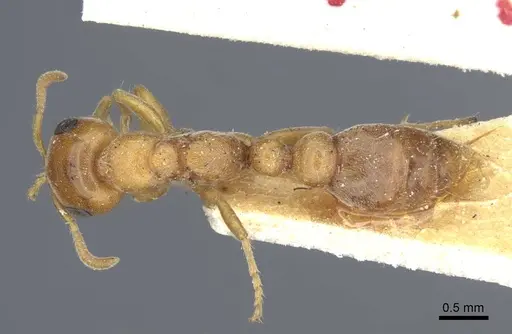
CBUMAGENT41803
View on AntWeb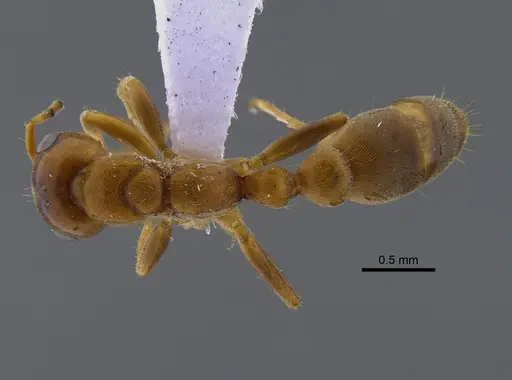
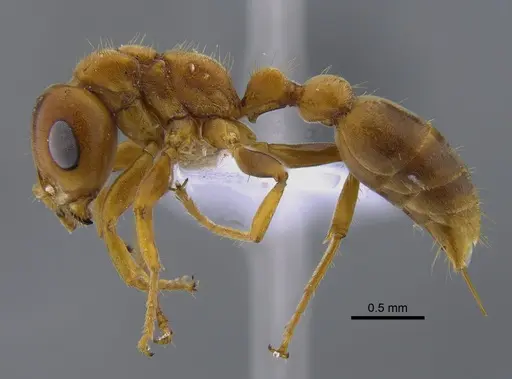
FOCOL0053-1
View on AntWeb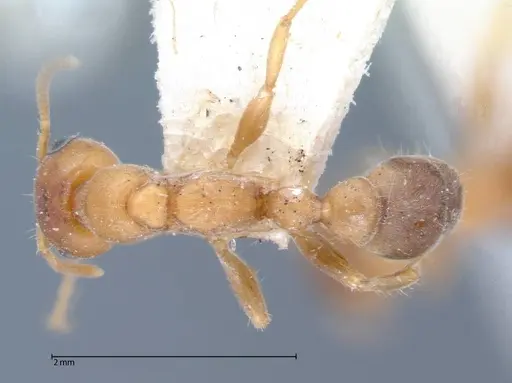
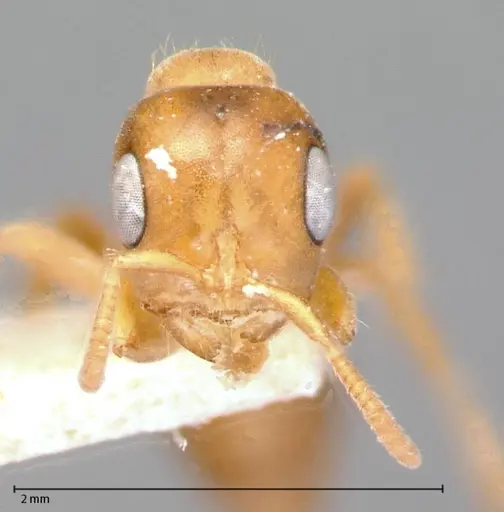
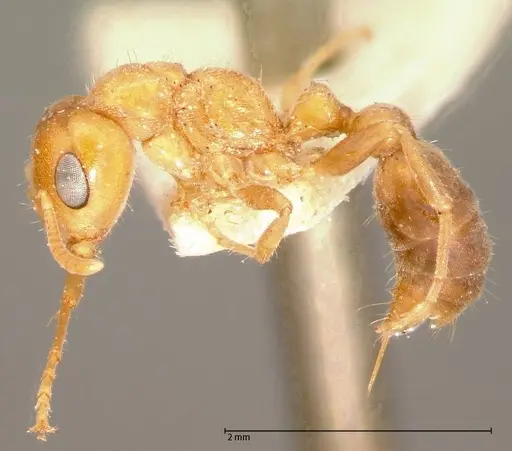
FOCOL0053-2
View on AntWeb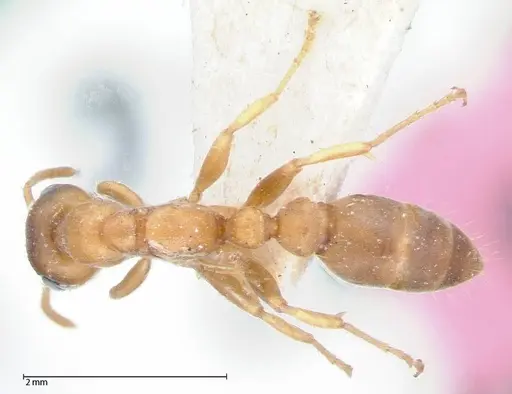
FOCOL0317
View on AntWeb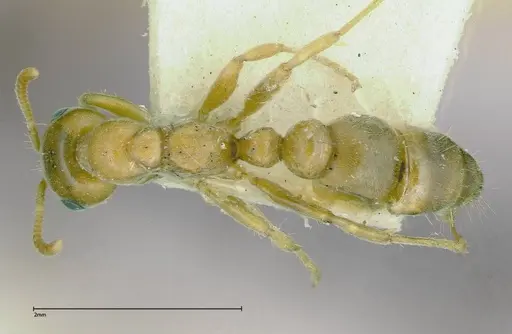
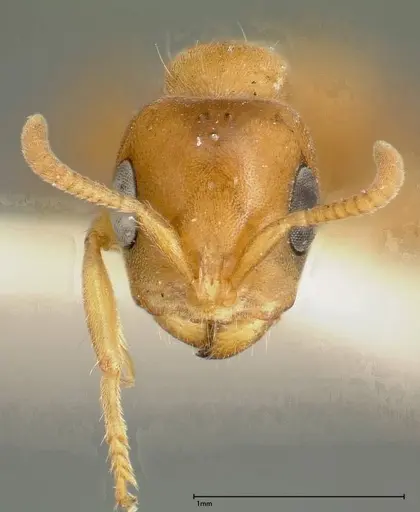
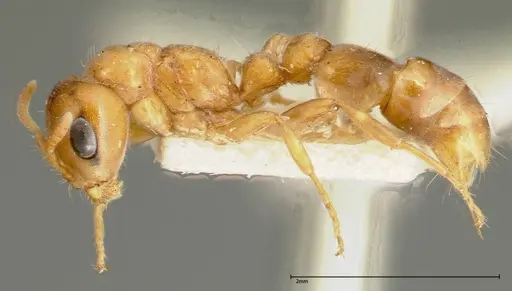
FOCOL0318-1
View on AntWeb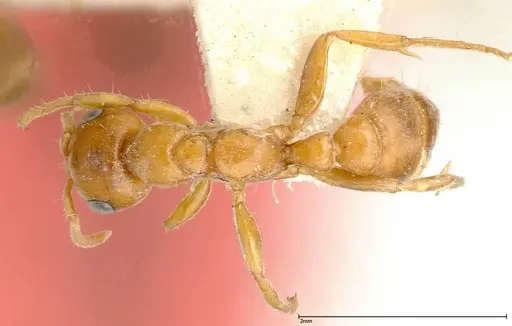
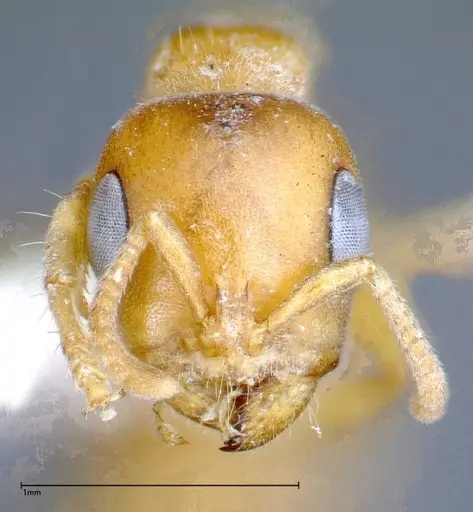
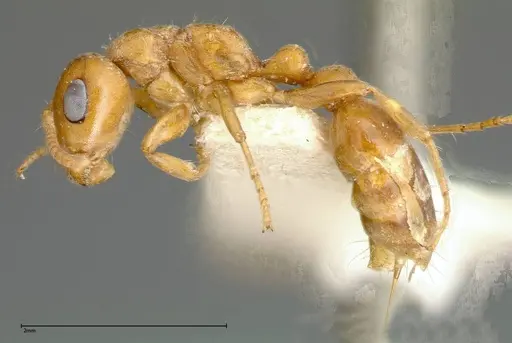
FOCOL0318-2
View on AntWeb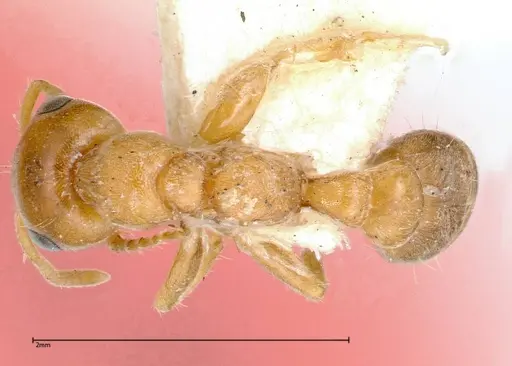
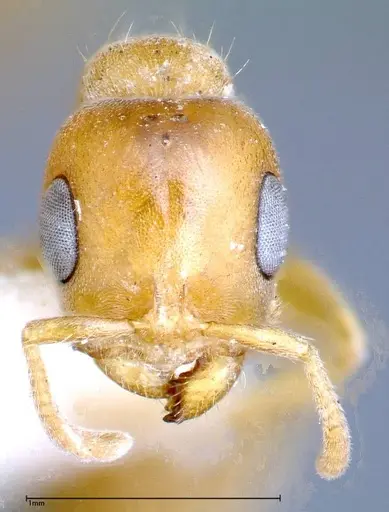
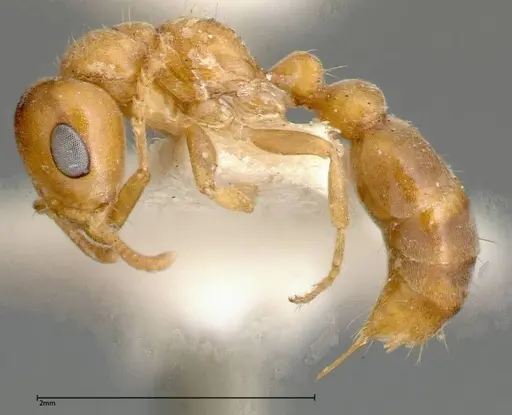
FOCOL0688
View on AntWeb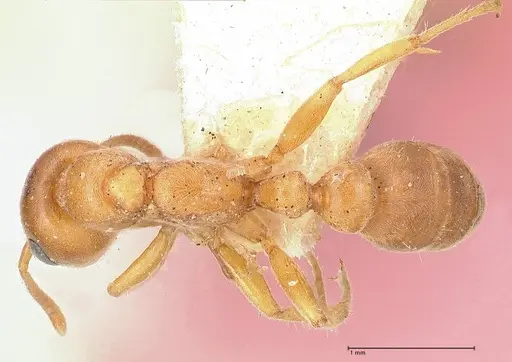
FOCOL1190
View on AntWeb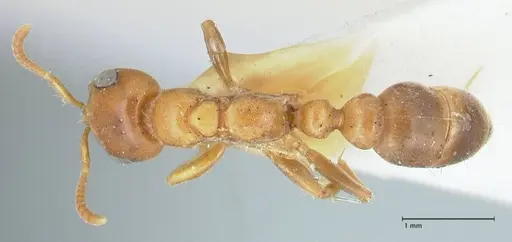
FOCOL1191
View on AntWeb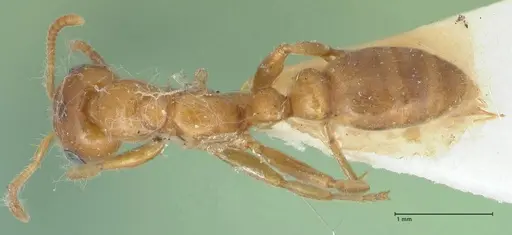
FOCOL1192
View on AntWeb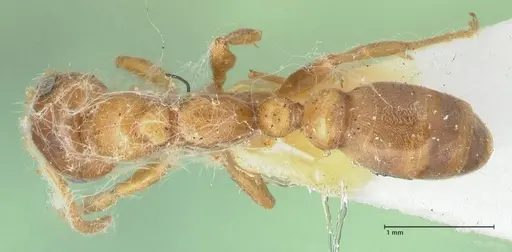
Literature
Loading distribution map...Loading products...