
Pseudomyrmex micans
- Sci. Name
- Pseudomyrmex micans
- Tribe
- Pseudomyrmecini
- Subfamily
- Pseudomyrmecinae
- Author
- Ward, 2017
- Distribution
- Found in 2 countries
Introduction
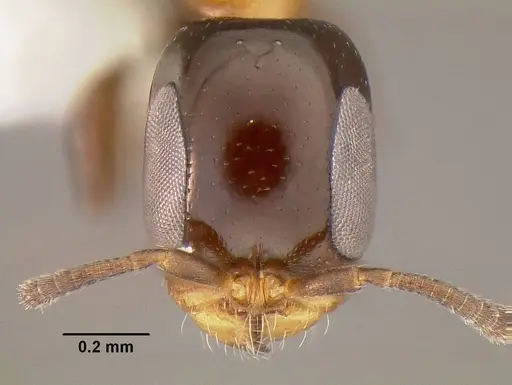
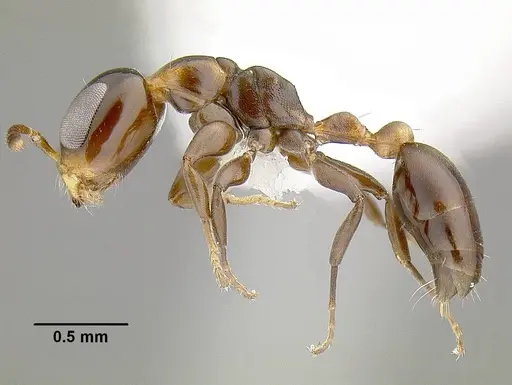
Pseudomyrmex micans is a tiny ant species in the Pseudomyrmecinae subfamily, described in 2017. Workers are small with an elongate head and eyes, and a weakly angulated propodeum. Their body is dark brown with lighter mandibles and tarsi, and the pronotum, petiole, and postpetiole may be lighter in color. The head and mesosoma are smooth and shiny, especially on the metapleuron. This species differs from close relatives like Pseudomyrmex goeldii and Pseudomyrmex laevifrons by its smaller size and distinctive petiole shape . These ants are generalist inhabitants of dead twigs in lowland rainforests of Peru and Bolivia . They have been found nesting in dead twigs at the edge of second-growth forests, and workers forage on recent treefalls of Tabebuia and Hymenaea . Unlike the specialized acacia ants, P. micans is not associated with any particular plant and lives freely in dead wood .
Quick Summary
- Difficulty: Medium
- Origin & Habitat: Tropical rainforests of Peru and Bolivia, specifically at the edge of second-growth rainforest. Nests in dead twigs and forages on recent treefalls of Tabebuia and Hymenaea [1][2].
- Colony Type: Colony structure is unconfirmed. Based on genus patterns, likely single-queen (monogyne) colonies, though this has not been directly studied.
- Size & Growth:
- Queen: Undescribed, queens have not been documented in scientific literature [1].
- Worker: Size data unavailable, only head measurements are recorded in literature [1].
- Colony: Unknown, no direct data, from similar twig-nesting Pseudomyrmex, likely under 200 workers (inferred).
- Growth: Unknown, estimated as moderate based on tropical ant patterns.
- Development: Unconfirmed, estimates from related Pseudomyrmex species suggest 6-10 weeks at tropical temperatures (24-28°C). (Development timeline has not been directly studied. Temperature-dependent inference from genus patterns.)
- Antkeeping:
- Temperature: Keep at tropical room temperature, roughly 24-28°C. As a rainforest species, they prefer warm, stable conditions. A gentle gradient allowing them to move between warmer and cooler areas is ideal [1].
- Humidity: High humidity is essential, think damp rainforest conditions. Keep nest substrate consistently moist but not waterlogged. Provide a water source and occasional misting, but ensure good ventilation to prevent mold [1].
- Diapause: No, as a tropical species from Peru and Bolivia, they do not require hibernation. Keep temperatures stable year-round.
- Nesting: These ants naturally nest in dead twigs and small cavities. In captivity, use test tube setups with tight chambers, Y-tong nests with narrow passages, or 3D-printed nests with small openings. The nest must be scaled to their tiny size to prevent spaces they cannot patrol. Provide dead twigs or small pieces of cork bark for enrichment.
- Behavior: These ants have a functional sting and can be defensive if their nest is disturbed, typical of arboreal Pseudomyrmecinae. Their small size makes their sting unlikely to be dangerous to humans, but they will sting if handled. Workers forage individually and are active during warm hours. Due to their tiny size, excellent escape prevention is critical: check for any gap larger than 0.5 mm.
- Common Issues: escape prevention is critical, their small size allows them to squeeze through gaps that larger ants cannot., wild-caught colonies may carry parasites, quarantine new colonies carefully., overheating is a risk, keep away from direct heat sources and maintain stable temperatures., colonies establish slowly due to limited data on reproduction, patience is required., poor ventilation can lead to mold in small, humid setups, ensure air exchange while retaining humidity.
Nest Preferences and Housing
Pseudomyrmex micans naturally nests in dead twigs and small branches found in rainforest environments [1]. In captivity, they need small, tight-fitting nests that mimic these cavities. Use test tube setups, Y-tong nests with narrow chambers, or 3D-printed nests with passages scaled to their tiny workers. Avoid open spaces they cannot patrol. Maintain high humidity inside the nest by keeping the substrate moist but not waterlogged. Add dead twigs or small cork bark pieces as enrichment if using a naturalistic setup [2].
Feeding and Diet
Like other Pseudomyrmex, P. micans is a generalist forager that hunts small arthropods and collects honeydew [1]. In captivity, offer small live prey such as fruit flies, pinhead crickets, and small mealworms. Provide a sugar source like honey water or sugar water, though acceptance may vary. Feed protein prey 2-3 times per week and keep sugar available constantly. Remove uneaten prey within 24-48 hours to prevent mold. Their small size means prey must be appropriately sized [1].
Temperature and Care
As a tropical rainforest species, P. micans requires warm, stable temperatures of 24-28°C [1]. Room temperature within this range is typically suitable. Avoid temperatures below 22°C and keep them away from air conditioning vents or drafty windows. A heating cable on one side of the nest can create a gentle gradient if your room runs cool, but always provide cooler areas so ants can thermoregulate. No hibernation needed, maintain consistent warmth year-round [1].
Behavior and Temperament
Pseudomyrmex micans workers possess a functional sting and can be defensive if their nest is disturbed, typical of arboreal Pseudomyrmecinae. They forage individually rather than in trails, hunting small arthropods and collecting honeydew. Their small size means their sting is not dangerous to humans, but they will sting if handled. The main keeper concern is their tiny size, workers are only about 0.5 mm wide, so escape prevention is critical: use tight-fitting lids, fine mesh, and check for any gap larger than 0.5 mm. Apply fluon to nest edges if needed. They are diurnal and most active in warm conditions [1].
Colony Establishment and Growth
This species was described only in 2017 and there is limited captive breeding information. Queens have not been described in scientific literature, so wild colonies may be the only source for keepers. If you obtain a colony, expect slow initial growth typical of small twig-nesting ants. The colony will likely remain small (under 200 workers) even at maturity [1]. Patience is key, these ants establish slowly and may not produce new workers quickly. Maintain optimal conditions consistently. Wild-caught colonies may carry parasites, so quarantine and careful observation during the first few months is recommended [1].
Frequently Asked Questions
How long does it take for Pseudomyrmex micans to produce first workers?
The exact development timeline is unconfirmed for this species. Based on related Pseudomyrmex, expect 6-10 weeks from egg to worker at tropical temperatures 24-28°C. This is an estimate, actual times may vary [1].
What do Pseudomyrmex micans ants eat?
They are generalist foragers. Offer small live prey like fruit flies, pinhead crickets, and small mealworms. Provide honey water or sugar water as a sugar source. Feed protein 2-3 times per week and keep sugar available constantly [1].
Can I keep Pseudomyrmex micans in a test tube?
Yes, test tubes can work if the chambers are appropriately sized for their tiny workers. Use a test tube setup with a water reservoir and pack cotton tightly to prevent escapes. Monitor humidity carefully [2].
Do Pseudomyrmex micans ants sting?
They have a functional sting and can be defensive if their nest is disturbed. Their sting is not dangerous to humans but may be painful if handled roughly. They are not aggressive unless provoked [1].
Are Pseudomyrmex micans good for beginners?
This species is rated Medium difficulty. While not overly aggressive, their tiny size makes escape prevention challenging and they need specific tropical conditions. Some antkeeping experience is recommended [1].
How big do Pseudomyrmex micans colonies get?
Colony size is not documented, but based on similar small twig-nesting Pseudomyrmex, colonies likely reach under 200 workers at maturity [1].
Do Pseudomyrmex micans need hibernation?
No, they do not require hibernation. As a tropical rainforest species from Peru and Bolivia, they need stable warm temperatures year-round (24-28°C) [1].
Why are my Pseudomyrmex micans escaping?
Their tiny size (about 0.5 mm wide) allows them to squeeze through very small gaps. Use excellent escape prevention: tight-fitting lids, fine mesh barriers, and apply fluon to all edges and openings. Check for any gaps larger than 0.5 mm [1].
What temperature do Pseudomyrmex micans need?
Keep them at 24-28°C, typical tropical room temperature. Avoid temperatures below 22°C and maintain stable warmth year-round. A gentle temperature gradient is ideal [1].
When should I move Pseudomyrmex micans to a formicarium?
Move them when the test tube setup becomes crowded or the water reservoir runs low. For small colonies, they can remain in appropriately sized test tubes or small Y-tong or 3D-printed nests for some time given their small colony size [1].
Report an Issue
The current care sheet is based fully on literature. See inconsistencies, or something that's incorrect? Please , it will be resolved after review from an admin. Contributing to the blogs tab also helps providing information, to make us be able to further improve the caresheets. Thank you for your support!
References

This caresheet is licensed under CC BY-SA 4.0 .
Community Blogs
CASENT0794101
View on AntWeb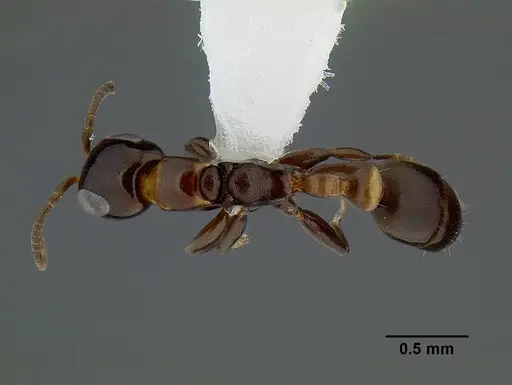
Literature
Loading distribution map...Loading products...