
Pseudomyrmex major
- Sci. Name
- Pseudomyrmex major
- Tribe
- Pseudomyrmecini
- Subfamily
- Pseudomyrmecinae
- Author
- Forel, 1899
- Distribution
- Found in 1 countries
Introduction
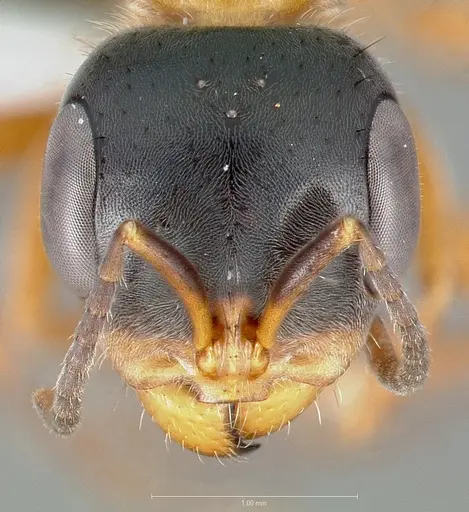
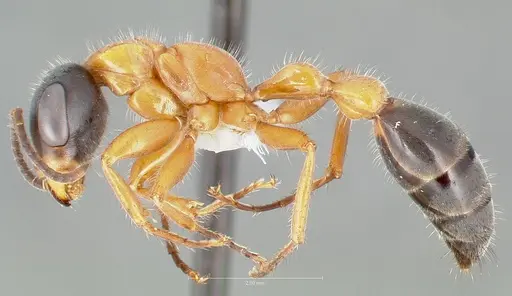
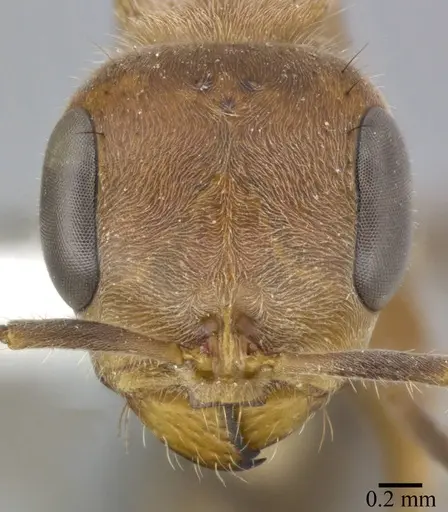
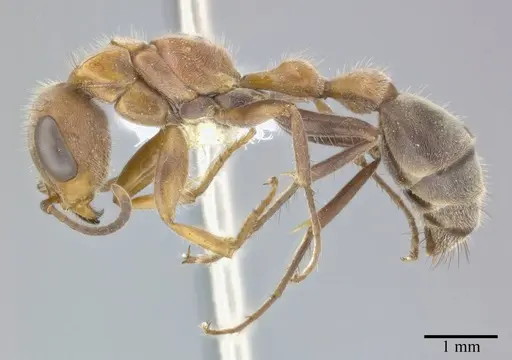
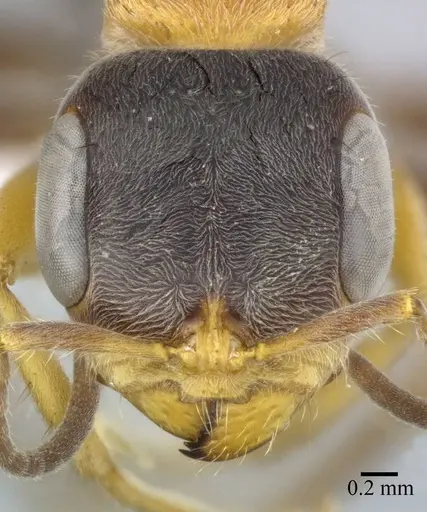
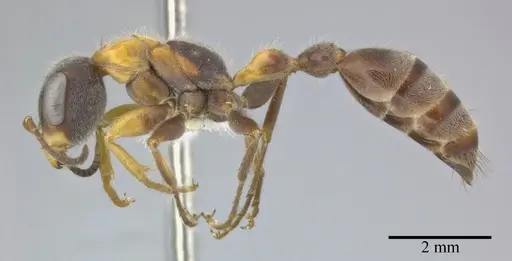
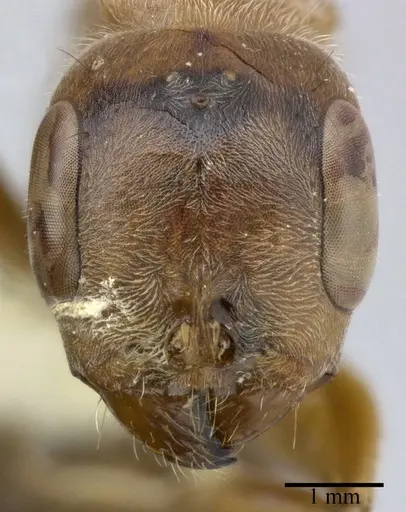
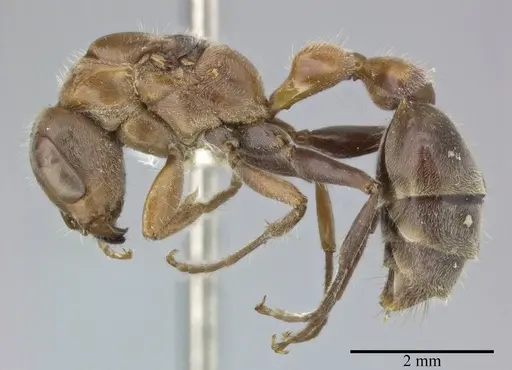
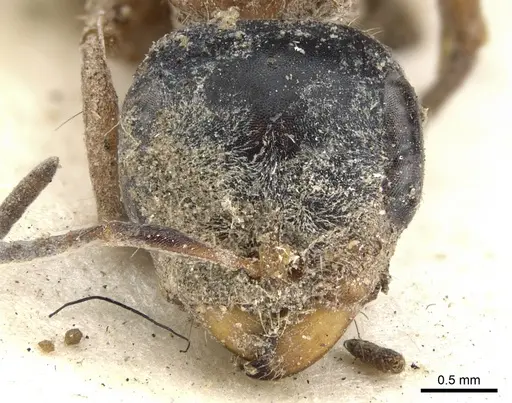
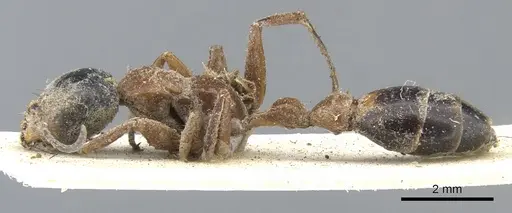
Pseudomyrmex major is a slender, predatory ant native to Mexico, belonging to the Pseudomyrmecinae subfamily. Workers have the elongated, wasp-like body shape typical of the genus and use their large eyes and excellent vision to patrol during daytime. This species is a generalist - it does not rely on a single plant host or food source, and unlike many Pseudomyrmex, it is not associated with Acacia . In the wild, they are found across central and southern Mexico in tropical and semi-arid environments, often nesting in vegetation rather than in soil . What makes P. major interesting is its agile, solitary foraging style. Instead of following chemical trails, workers rely heavily on vision to hunt and navigate . They patrol large areas around the nest, acting as predators on small insects and also visiting extrafloral nectaries. This diurnal lifestyle makes them active and entertaining to watch in captivity.
Quick Summary
- Difficulty: Medium
- Origin & Habitat: Native to Mexico, recorded in Chihuahua, Sonora, Guerrero, Jalisco, Michoacán, Nayarit, Zacatecas, Puebla, Tabasco, and possibly Sinaloa. They inhabit tropical and semi-arid regions, typically nesting in vegetation [2][3][5].
- Colony Type: Colony structure is unconfirmed. Based on typical Pseudomyrmex patterns, they likely establish single-queen colonies, though this has not been directly documented.
- Size & Growth:
- Queen: ~7-9 mm, inferred from Pseudomyrmex genus typical size
- Worker: ~4-6 mm, inferred from Pseudomyrmex genus typical size
- Colony: Unknown, likely moderate, inferred from related Pseudomyrmex species
- Growth: Moderate, inferred from tropical predatory ant patterns
- Development: Estimated 6-8 weeks at optimal temperature, based on related Pseudomyrmex species (Development time is unconfirmed for this species. Tropical species typically develop faster than temperate ones.)
- Antkeeping:
- Temperature: Keep at 24-28°C. These are tropical ants from Mexico that prefer warm conditions. Use a heating cable on one side of the nest to create a gradient [2].
- Humidity: Moderate humidity, around 50-70%. Provide a water source and keep the nest substrate slightly moist but not waterlogged. Their natural habitat includes both semi-arid and tropical areas.
- Diapause: No, as a tropical species from Mexico, they do not require hibernation. Keep them at stable warm temperatures year-round.
- Nesting: In captivity, they do well in Y-tong (AAC) nests or plaster nests with narrow chambers. They prefer vertically-oriented nests since they naturally nest in vegetation. Provide climbing structures like twigs or fake plants. Avoid overly compact spaces.
- Behavior: These ants are diurnal and highly active during the day. Workers are agile solitary foragers that rely on vision, not chemical trails. They are predatory and will hunt small insects. They are not particularly aggressive toward humans but can deliver a mild sting if handled roughly. Escape prevention is important as they are active and may explore gaps, use standard barriers. They are generalist feeders and accept both protein and sugar sources [4][1].
- Common Issues: colonies may fail if kept too cool, maintain warm temperatures above 24°C, predatory nature means they need regular protein input, sugar alone is insufficient, wild-caught colonies may carry parasites that can decimate the colony in captivity, small colony sizes can be fragile, avoid disturbing founding queens, escape prevention is important despite their moderate size, they are active explorers
Housing and Nest Setup
Pseudomyrmex major naturally nests in vegetation, so vertically-oriented setups work best. Y-tong (AAC) nests with clear walls let you watch activity, and the narrow chambers mimic arboreal nesting sites. Plaster nests also work well for humidity control. Avoid test tube setups for established colonies, these ants are too active and need space to patrol. Provide a generous outworld with climbing structures like twigs or fake plants. Since they orient by vision, ensure good visibility between the nest and outworld [4][2].
Feeding and Diet
As predatory ants, Pseudomyrmex major needs regular protein. Offer small live prey like fruit flies, pinhead crickets, small mealworms, or other tiny insects. They are generalists and will accept a variety of prey [2]. In addition, provide sugar water, honey, or diluted honey water in a shallow dish. Replace sugar sources every few days to prevent mold. Feed protein 2-3 times per week and always have sugar water available. Remove uneaten prey after 24 hours. Young colonies can be fed small fruit flies more frequently [1].
Temperature and Heating
These tropical ants need warm conditions. Keep the nest at 24-28°C consistently. Temperatures below 24°C can slow activity and stress the colony. Use a heating cable or small heat mat on one side of the nest to create a gradient. Place the heating element on top to avoid drying out substrate. Room temperature may work if your home stays in the low-to-mid 20s°C, but monitor colony activity. No winter cooling needed [2].
Behavior and Activity Patterns
Pseudomyrmex major forages differently from many ants. Workers are diurnal, most active during daylight. Instead of following chemical trails, they patrol solo using excellent vision to navigate [4]. They are generalist feeders, acting as both predators and visitors of extrafloral nectaries [1]. They are agile and quick when hunting. They are not particularly aggressive but may sting if threatened, handle gently. Their vision-based navigation means good lighting in the setup helps them [4].
Colony Founding
Founding behavior for Pseudomyrmex major has not been directly documented. Based on typical Pseudomyrmex patterns, the queen likely seals herself in a small chamber (claustral founding) and raises her first workers on stored fat reserves. If you obtain a founding queen, provide a simple test tube setup with water reservoir and keep her warm (around 26°C) and undisturbed. Do not expect to see eggs immediately, founding queens often take a week or two to lay their first eggs. Once workers emerge, they will be small (nanitics) and the colony can be moved to a proper nest setup.
Growth and Development
Specific development times for Pseudomyrmex major are not documented. Based on related Pseudomyrmex species and general tropical ant patterns, expect 6-8 weeks from egg to first worker at optimal temperature (around 26°C). The first workers (nanitics) will be smaller than mature workers. Growth rate is moderate, not as fast as some tropical species but faster than many temperate ants. Colony size in the wild is not well documented, but related species typically reach several hundred workers. In captivity, provide consistent warmth, good nutrition, and minimal disturbance to support healthy growth.
Frequently Asked Questions
How long does it take for Pseudomyrmex major to have first workers?
Based on related species, expect 6-8 weeks from egg to first worker at optimal temperature (around 26°C). This is an estimate since this specific species has not been studied in captivity.
Can I keep Pseudomyrmex major in a test tube?
Test tubes work for founding colonies, but established colonies need more space. Move to a Y-tong or plaster nest once the colony reaches about 15-20 workers. These active ants need room to patrol.
Do Pseudomyrmex major ants sting?
Yes, they can sting, though the pain is mild for most people. They are not particularly aggressive but will defend themselves if handled roughly. Handle gently and they are unlikely to sting.
What do Pseudomyrmex major ants eat?
They are predatory generalists. Feed small live prey (fruit flies, pinhead crickets, small mealworms) 2-3 times per week. Also provide constant access to sugar water or honey. They will not survive on sugar alone, protein is essential [2].
Do Pseudomyrmex major need hibernation?
No. As tropical ants from Mexico, they do not require a winter rest period. Keep them warm year-round at 24-28°C.
Are Pseudomyrmex major good for beginners?
They are intermediate-level ants. Their predatory nature and temperature requirements make them slightly more demanding than simple sugar-feeding species. They are rewarding to keep due to their active, visual-based foraging behavior.
How big do Pseudomyrmex major colonies get?
Colony size is not well documented, but based on related species, they likely reach several hundred workers. They are moderate growers over several years.
When should I move my colony to a formicarium?
Move to a proper nest (Y-tong or plaster) once the colony has about 15-20 workers and the test tube is becoming crowded. These ants are active and need space earlier than slower-growing species.
Why is my Pseudomyrmex major colony not growing?
Check three things: temperature (needs 24-28°C), protein intake (they need regular prey, not just sugar), and disturbance (founding colonies are sensitive to vibrations and light). Address these before assuming other issues.
Can I keep multiple Pseudomyrmex major queens together?
This has not been documented. Based on typical Pseudomyrmex patterns, they likely establish single-queen colonies. Combining unrelated queens is not recommended without evidence they can coexist.
Report an Issue
The current care sheet is based fully on literature. See inconsistencies, or something that's incorrect? Please , it will be resolved after review from an admin. Contributing to the blogs tab also helps providing information, to make us be able to further improve the caresheets. Thank you for your support!
References

This caresheet is licensed under CC BY-SA 4.0 .
Community Blogs
CASENT0005842
View on AntWeb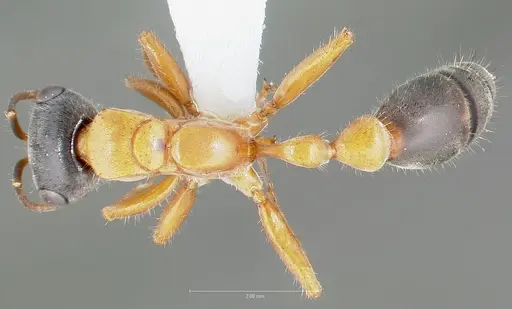
CASENT0246298
View on AntWeb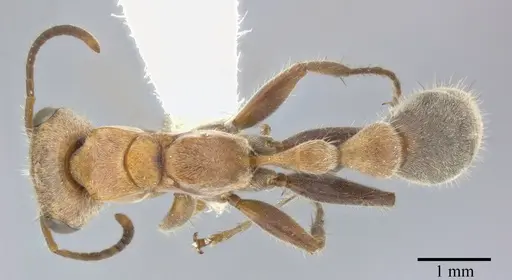
CASENT0246300
View on AntWeb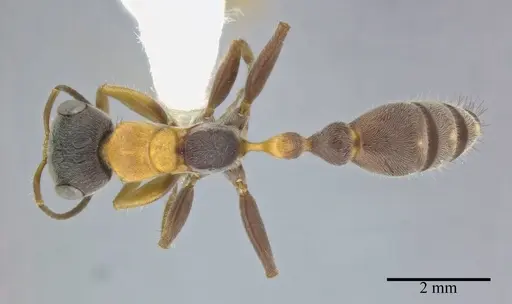
CASENT0246313
View on AntWeb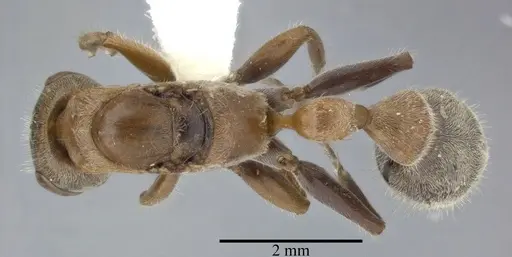
CASENT0902854
View on AntWeb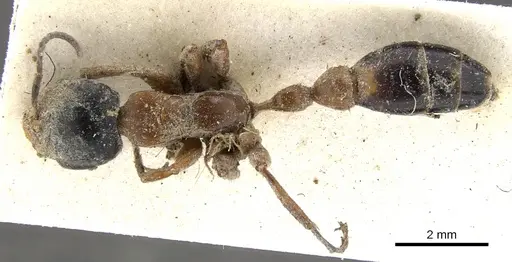
Literature
Loading distribution map...Loading products...