
Pseudomyrmex kuenckeli
- Sci. Name
- Pseudomyrmex kuenckeli
- Tribe
- Pseudomyrmecini
- Subfamily
- Pseudomyrmecinae
- Author
- Emery, 1890
- Distribution
- Found in 11 countries
Introduction
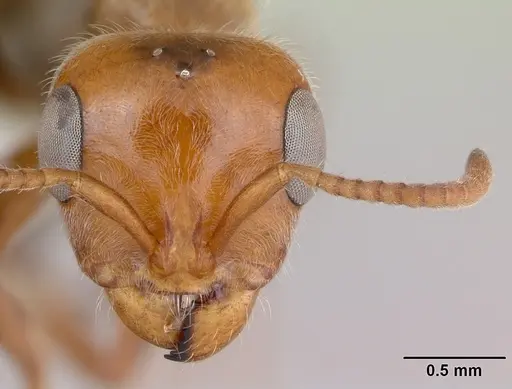
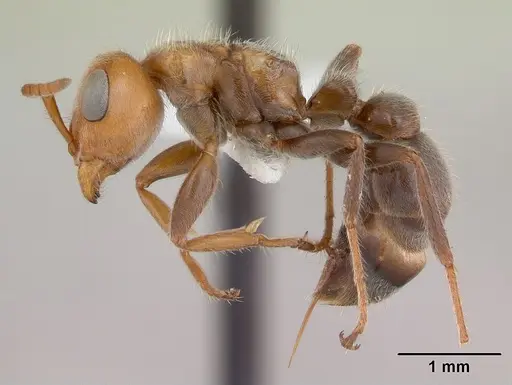
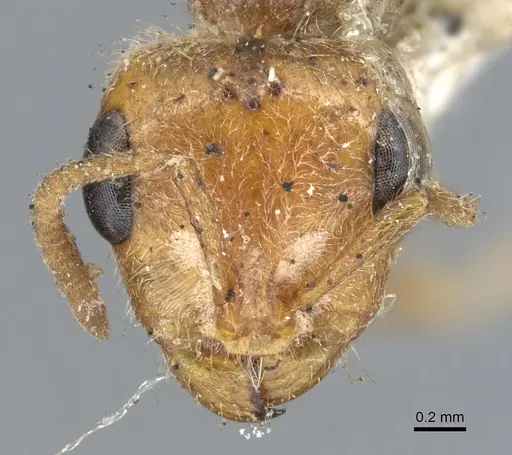
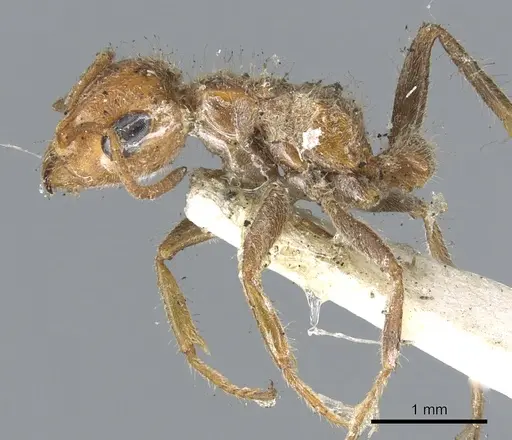
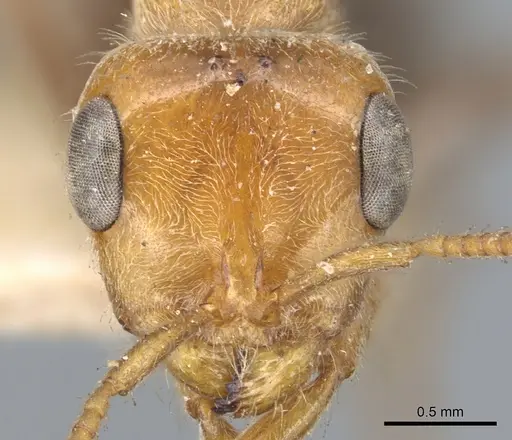
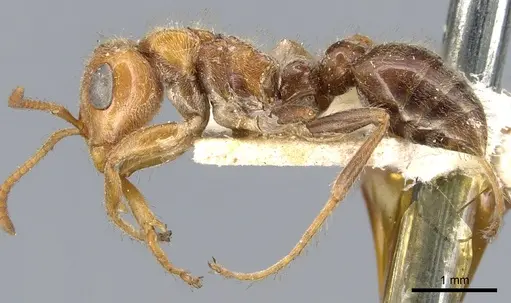
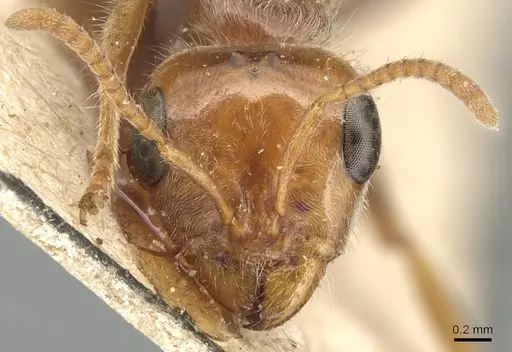
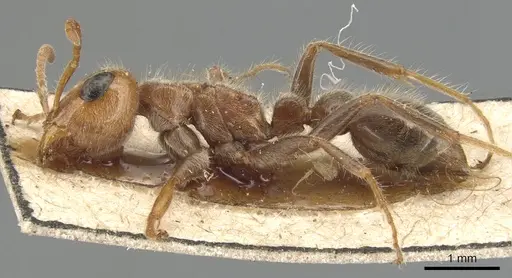
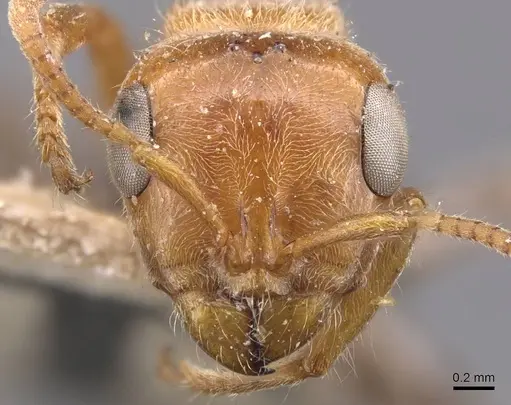
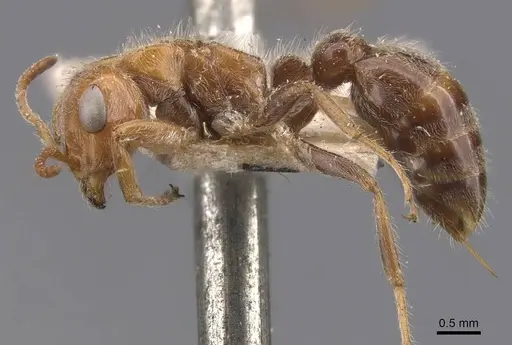
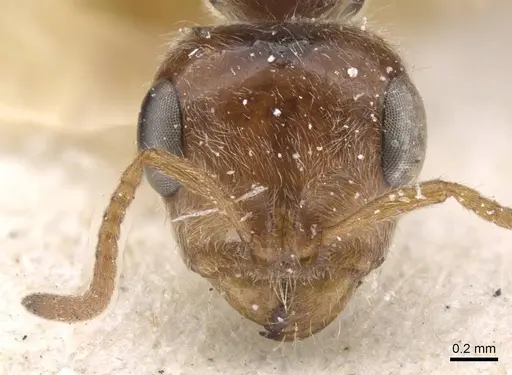
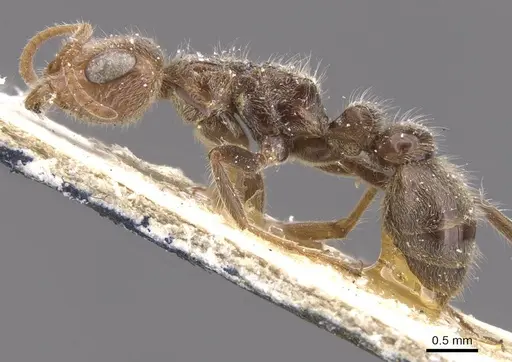
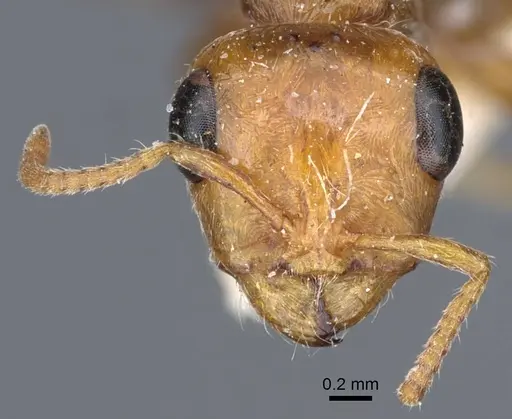
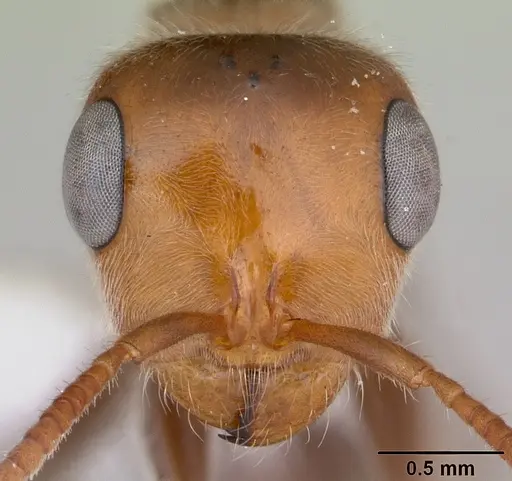
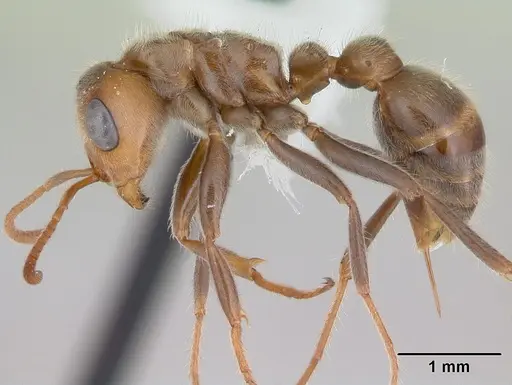
Pseudomyrmex kuenckeli is a large, striking arboreal ant found across the Neotropics from Mexico to Argentina. Workers have a broad head that is wider than long, eyes set back on the head, and a very short, broad petiole with a keel-like underside. Their bodies are covered in long, abundant standing hairs, giving a fuzzy look, and color ranges from orange-brown to dark brown. Based on the genus, workers are about 5-7 mm long, with queens similar in size. Unlike many related Pseudomyrmex that live inside ant-plants, P. kuenckeli is a generalist twig-nester that colonizes dead branches in seasonally dry forests . Colonies are polygynous, aggressive, and can become large .
Quick Summary
- Difficulty: Hard
- Origin & Habitat: Neotropical region from Mexico to Argentina, Paraguay, and Brazil. Inhabits seasonally dry forests and open woodland, nesting in dead branches of various woody plants [1][2].
- Colony Type: Polygynous, multiple queens cooperate in a single colony, and workers are aggressive defenders [1].
- Size & Growth:
- Queen: ~5-7 mm (inferred from genus Pseudomyrmex) [2]
- Worker: ~5-7 mm (inferred from genus Pseudomyrmex) [2]
- Colony: Large colonies with multiple queens, exact worker count not documented, but described as large and aggressive [1]
- Growth: Moderate
- Development: Unknown, no specific data, estimated 6-10 weeks based on related species (Development time is unstudied for this species. The estimate comes from typical Pseudomyrmex development at warm temperatures.)
- Antkeeping:
- Temperature: Warm,24-28°C. As a species from seasonally dry forests, they need stable warmth. Provide a temperature gradient [1].
- Humidity: Moderate. Keep the nest substrate (dead wood) slightly moist but not waterlogged. A humidity gradient helps the colony choose [2].
- Diapause: No, tropical species do not require hibernation [1].
- Nesting: Arboreal twig-nester. Provide Y-tong, plaster, or natural wood nests with snug chambers that mimic dead branches. Include climbing structures like cork bark or twigs in the outworld.
- Behavior: Aggressive and active foragers. Workers sting painfully and defend the nest vigorously. They are solitary hunters on vegetation, not trail-foragers. Diurnal. Good climbers, use fluon on escape points. Their size (5-7 mm) means they can't squeeze through tiny gaps, but they can climb smooth surfaces.
- Common Issues: painful stings, handle with care and wear protection when maintaining the nest, arboreal nature requires vertical space and climbing surfaces in the outworld, nest substrate must stay moist but not wet, too dry causes stress, too wet promotes mold, large polygynous colonies need plenty of space and food as they grow, wild-caught colonies may be stressed and take time to adapt to captivity
Housing and Nest Setup
Pseudomyrmex kuenckeli naturally nests in dead twigs and branches. In captivity, use Y-tong, plaster, or natural wood nests with chambers that are snug rather than cavernous. The outworld should include vertical climbing surfaces like twigs, cork bark, or mesh to match their arboreal habits. Use fluon on potential escape routes, as they are strong climbers. A horizontal connection between nest and outworld works, but ensure there are structures to climb on right away [1][2].
Feeding and Diet
In the wild, P. kuenckeli is a solitary hunter of small arthropods and likely tends hemipterans for honeydew [3]. In captivity, offer small live prey (fruit flies, small crickets, mealworms) 2-3 times per week. Keep a constant supply of sugar water or honey water. Remove uneaten prey after 24-48 hours to prevent mold. Always provide fresh water [3][1].
Temperature and Seasonal Care
As a Neotropical species from seasonally dry forests, P. kuenckeli prefers warm, stable temperatures of 24-28°C. Use a heating cable on one side of the nest to create a gradient. They do not need hibernation, but a slight drop to room temperature (~20-22°C) during winter months is fine. Avoid cold drafts or sudden temperature swings [1].
Colony Structure and Behavior
This species is polygynous, with multiple queens living together. Queens are about the same size as workers, which is unusual [2]. Colonies are described as large and aggressive [1]. Workers are powerful stingers and will defend the nest readily. Unlike many Pseudomyrmex, P. kuenckeli is a generalist twig-nester, not an obligate plant-ant [4]. They are diurnal and forage alone, not in trails [3].
Handling and Safety
Workers have a painful sting and will attack when disturbed. Always use tools (forceps, soft brush) for maintenance and avoid putting your hands near the nest opening. If you need to move the colony, lure them into the outworld with food or use gentle tapping. This species is best kept by experienced keepers comfortable with stinging ants. [1]
Growth and Development
No specific development data exists for this species. Based on related Pseudomyrmex, egg-to-worker development likely takes 6-10 weeks at optimal temperatures. First workers (nanitics) will be smaller than mature ones but still relatively large for the genus. With multiple queens, colony growth can be faster than single-queen species. Expansion of nest space and food supply must keep pace as the colony grows.
Frequently Asked Questions
Is Pseudomyrmex kuenckeli a good species for beginners?
No, this species is not recommended for beginners. They are aggressive with a painful sting, form large polygynous colonies, and need warm, specific conditions. Only experienced keepers comfortable with stinging ants should attempt this species.
Do Pseudomyrmex kuenckeli ants sting?
Yes, they have a powerful stinger and deliver a painful sting. Workers are aggressive and will attack when the nest is disturbed. Handle with caution and use tools for maintenance.
How long does it take for Pseudomyrmex kuenckeli to produce first workers?
There are no specific studies for this species, but based on related Pseudomyrmex, it likely takes 6-10 weeks from egg to worker at 24-28°C.
Can I keep multiple Pseudomyrmex kuenckeli queens together?
Yes, this species is naturally polygynous, so multiple queens can coexist in the same colony. However, introducing a foreign queen to an established colony may not work. Wild polygynous colonies likely arise from co-founding queens, not from later introductions.
What do Pseudomyrmex kuenckeli eat?
They are solitary hunters of small arthropods in the wild. In captivity, offer small live prey (fruit flies, small crickets, mealworms) 2-3 times per week. They also accept sugar water or honey water. A constant supply of fresh water is essential.
What type of nest is best for Pseudomyrmex kuenckeli?
Wooden nests like Y-tong or plaster with snug chambers work well because they mimic the inside of dead twigs. Provide climbing structures in the outworld. Acrylic nests are not recommended, stick to natural materials.
Do Pseudomyrmex kuenckeli need hibernation?
No, they do not require hibernation. As a tropical species, they are active year-round. A slight temperature reduction in winter is fine but not necessary.
How big do Pseudomyrmex kuenckeli colonies get?
They form large colonies with multiple queens, described as 'large and aggressive' [1]. Exact numbers are not documented, but polygynous colonies can reach several hundred to over a thousand workers under good conditions.
Are Pseudomyrmex kuenckeli plant-ants?
No, unlike many Pseudomyrmex species that live obligately in ant-plants (acacias, Triplaris, etc.), P. kuenckeli is a generalist twig-nester. It uses dead branches of various trees and does not require a specific host plant [1][4].
Why are my Pseudomyrmex kuenckeli dying?
Common causes: temperatures below 24°C, nest too dry or too wet, lack of protein (they need live prey 2-3 times a week), or excessive disturbance. Also ensure no escape routes cause stress from missing ants. Wild-caught colonies may also carry parasites or be stressed from transport.
Report an Issue
The current care sheet is based fully on literature. See inconsistencies, or something that's incorrect? Please , it will be resolved after review from an admin. Contributing to the blogs tab also helps providing information, to make us be able to further improve the caresheets. Thank you for your support!
References

This caresheet is licensed under CC BY-SA 4.0 .
Community Blogs
CASENT0173767
View on AntWeb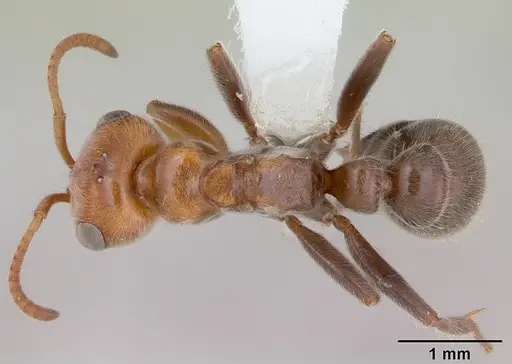
CASENT0902884
View on AntWeb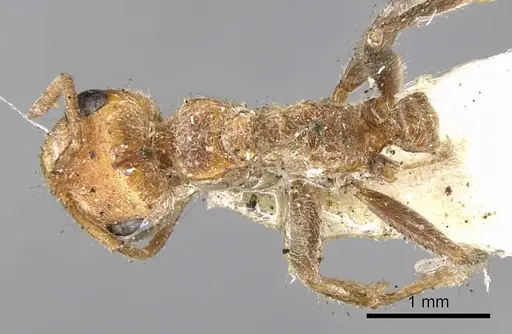
CASENT0902885
View on AntWeb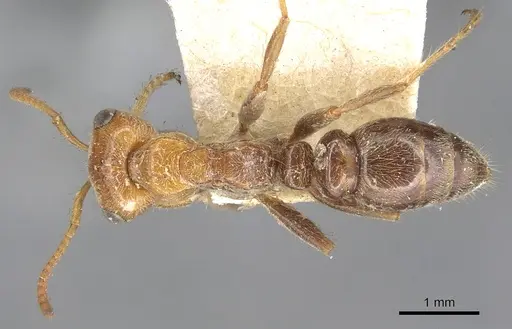
CASENT0904049
View on AntWeb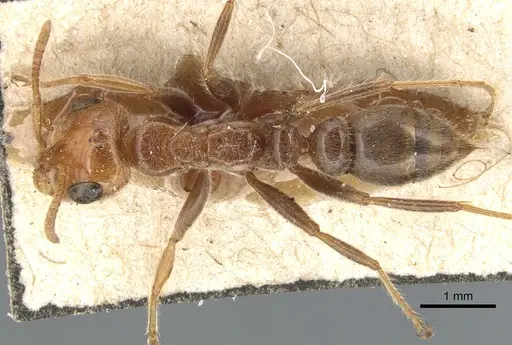
CASENT0907544
View on AntWeb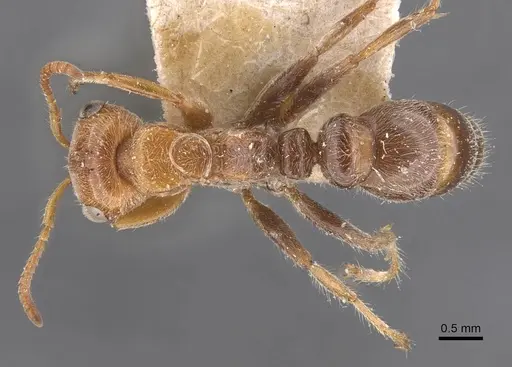
CASENT0915510
View on AntWeb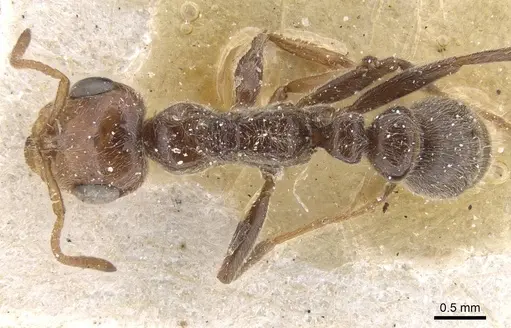
CASENT0916876
View on AntWeb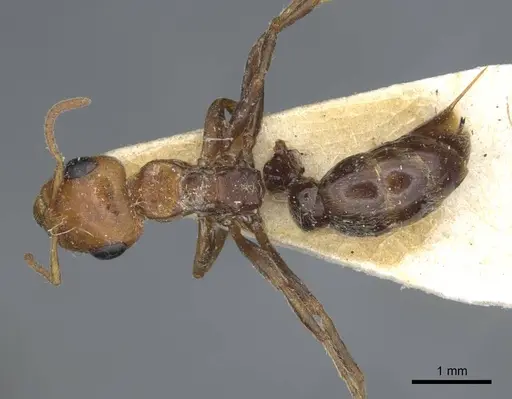
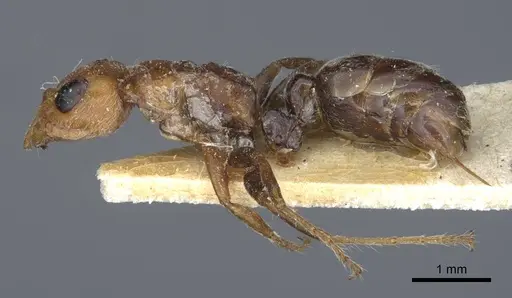
CBUMAGENT41809
View on AntWeb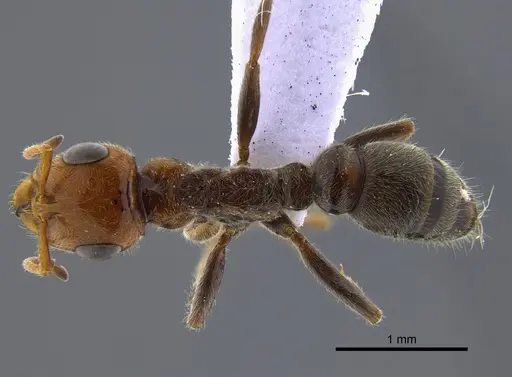
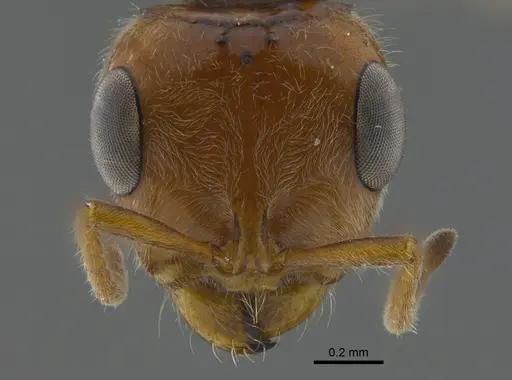
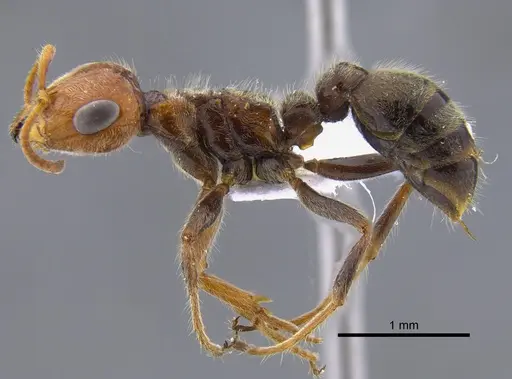
JTLC000006253
View on AntWeb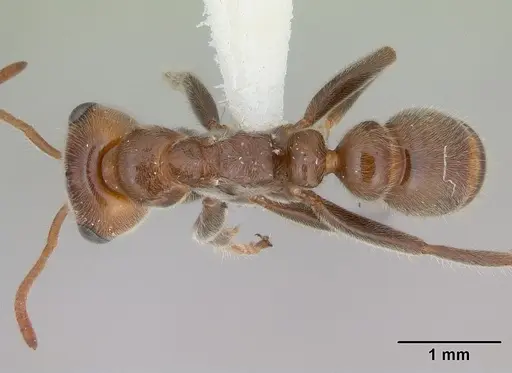
Literature
Loading distribution map...Loading products...