
Pseudomyrmex janzeni
- Sci. Name
- Pseudomyrmex janzeni
- Tribe
- Pseudomyrmecini
- Subfamily
- Pseudomyrmecinae
- Author
- Ward, 1993
- Distribution
- Found in 1 countries
Introduction
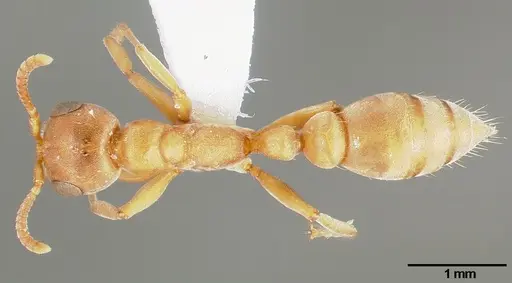
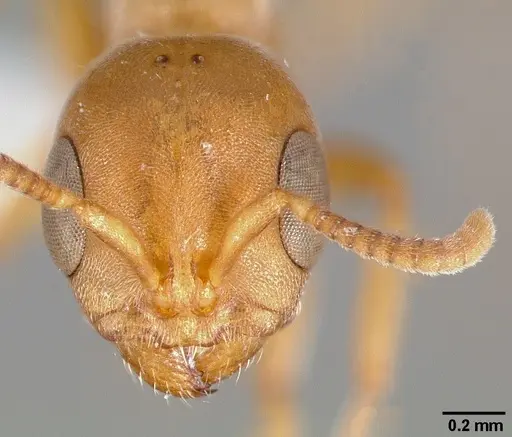
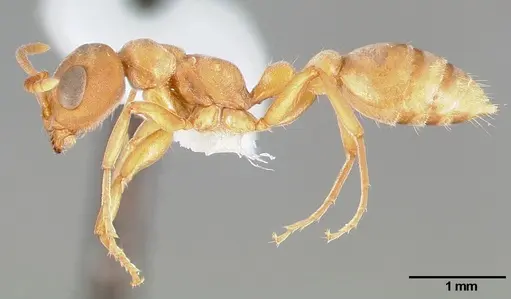
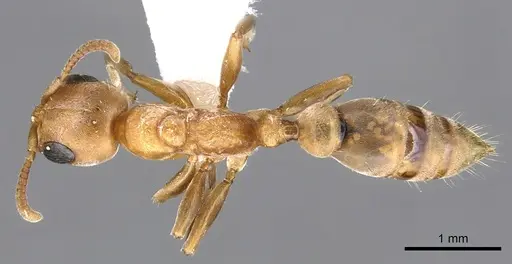
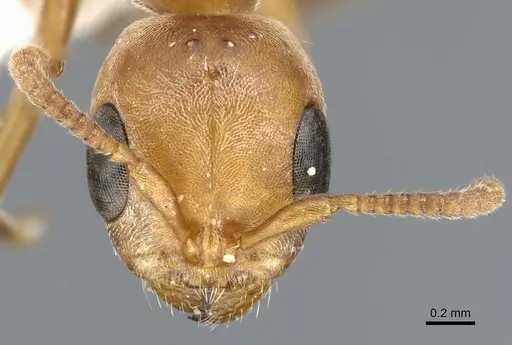
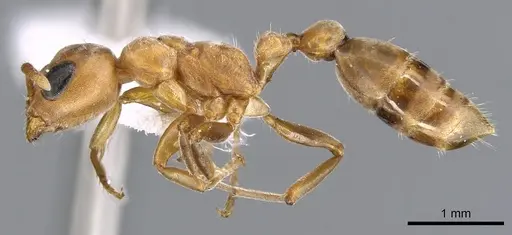
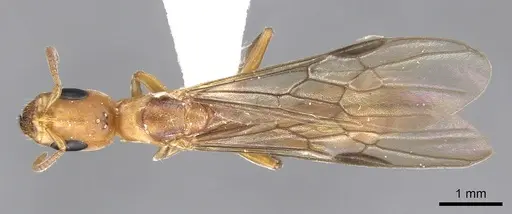
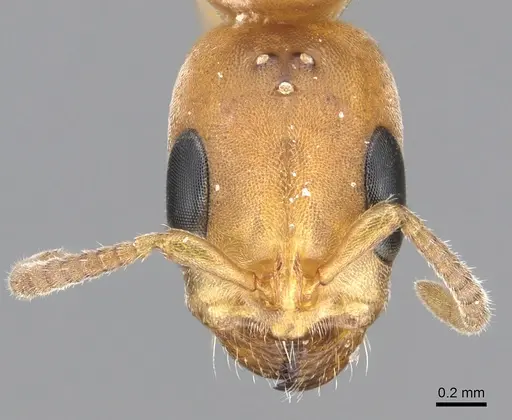
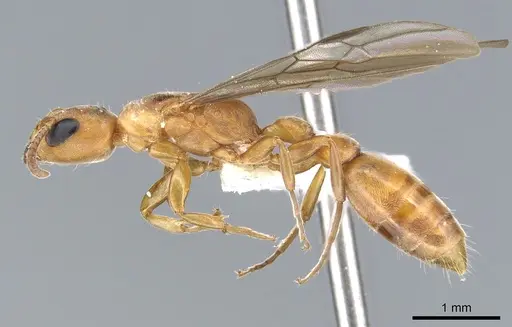
Pseudomyrmex janzeni is a small, slender ant with a uniform orange-brown color and a laterally rounded median clypeal lobe . Workers are about 4-5 mm (inferred from Pseudomyrmex genus) and queens similar or slightly larger. This ant is part of the Pseudomyrmex ferrugineus group, a lineage of obligate mutualists that live inside hollow thorns (domatia) of Vachellia trees . It is only found in western Mexico (Jalisco, Nayarit, Sinaloa) and forms polygynous colonies with multiple queens . The most fascinating trait is its tight dance with the host plant: the ant fiercely defends the tree against herbivores and vines, while the tree provides housing and food. This relationship is so specialized that neither can survive without the other.
Quick Summary
- Difficulty: Expert
- Origin & Habitat: Western Mexico (Jalisco, Nayarit, Sinaloa). Obligate inhabitant of Vachellia (formerly Acacia) trees, nesting in the swollen hollow thorns (domatia) [2][3][4].
- Colony Type: Polygynous – multiple queens coexist in a single colony, living in the domatia of the host tree [2].
- Size & Growth:
- Queen: ~5-6 mm (inferred from Pseudomyrmex genus, exact total length not reported) [1].
- Worker: ~4-5 mm (inferred from Pseudomyrmex genus, exact total length not reported) [1].
- Colony: Up to several hundred workers (estimated from related acacia ants) [2].
- Growth: Moderate (estimated from Pseudomyrmecinae patterns).
- Development: Unknown – no specific data for this species. Based on related Pseudomyrmex species, expect 6-10 weeks at 24-28°C (inferred). (Development is temperature-dependent, warmer temperatures speed up growth.)
- Antkeeping:
- Temperature: Keep at 24-28°C year-round. These are tropical ants from western Mexico and need steady warmth. A heating cable on one side of the nest creates a gradient (inferred from habitat) [3].
- Humidity: High humidity is essential – they come from humid domatia. Keep the nest substrate consistently moist but not waterlogged. Mist occasionally and provide a water source (inferred from obligate plant association).
- Diapause: No – these are tropical ants from western Mexico, so they stay active all year if kept warm (inferred from distribution).
- Nesting: Y-tong (AAC), plaster, or 3D-printed nests with narrow chambers work best – they mimic natural domatia. Test tubes are also fine. Avoid acrylic nests. Make sure all connections are sealed because these ants are tiny.
- Behavior: Aggressive and defensive – they will sting to protect their nest and host plant [1]. Workers are diurnal and highly active. Due to their small size (under 1mm in width?), excellent escape prevention is critical: use fine mesh and tight barriers. They are obligate plant mutualists and will defend their territory fiercely.
- Common Issues: specialized habitat requirements – they are obligate mutualists of Vachellia trees, hard to replicate in captivity., escape prevention critical due to tiny worker size (under 1 mm head width)., polygynous colony structure – best to start with multiple queens together, introducing unknown queens can cause conflict., requires live prey such as fruit flies or small crickets regularly., limited captive care data – keepers must adapt from related species.
The Acacia Ant Relationship
Pseudomyrmex janzeni is a textbook example of a mutualistic acacia ant. It is an obligate inhabitant of Vachellia trees (formerly Acacia), nesting inside the hollow, swollen thorns (domatia) that the plant grows specifically for them [3]. In return, the ants defend the tree fiercely: they attack herbivorous insects, prune away competing vines, and even sting large animals that brush against the leaves. The tree also provides food in the form of Beltian bodies – protein-rich nodules on leaf tips [1]. This relationship is so tight that the ants cannot survive without the host plant, and the plant suffers heavily without its ant guards. In captivity you cannot replicate this exact relationship, but you can provide narrow, humid chambers that mimic domatia.
Housing and Nest Setup
To keep P. janzeni, replicate their domatia environment as much as possible. Use test tubes with a cotton plug and water reservoir – the narrow tube mimics a thorn. Or use Y-tong (AAC) or plaster nests with small, enclosed chambers. Avoid acrylic nests. The nest should have narrow passages and entrance holes to match their natural home. Because workers are tiny (head width ~1 mm), escape prevention is crucial: use fine mesh (0.5 mm or smaller) on outworld vents, seal all tube connections with PTFE tape or similar. A small outworld for feeding is fine, but keep it securely closed. Maintain high humidity in the nest by keeping the substrate moist but not dripping. [2][1]
Feeding and Diet
Pseudomyrmex janzeni are predatory ants. In the wild they hunt small insects that threaten their host tree. In captivity, offer live prey such as fruit flies (Drosophila), pinhead crickets, or other tiny arthropods. They may also accept protein-rich foods like crushed insects or raw egg. Sugar sources (honey water, sugar syrup) are accepted but protein should form the main diet. Feed small amounts every 2-3 days and remove uneaten prey after 24 hours to prevent mold. The polygynous colony structure means more mouths to feed, so increase food as the colony grows. [2]
Temperature and Seasonal Care
These are tropical ants from western Mexico, so they need warmth year-round. Keep nest temperatures at 24-28°C. Use a heating cable on one side of the nest to create a gradient. Room temperature (20-22°C) is usually too cool – they will become sluggish. No hibernation is required, they stay active if kept warm. Avoid cold drafts and air conditioning. High humidity must accompany the warmth – dry heat will kill them. Monitor activity: if workers become slow, raise temperature slightly. A small heat mat under part of the nest works well. [3]
Colony Structure and Queens
Pseudomyrmex janzeni is polygynous – multiple queens live together in the same colony, each laying eggs [2]. In the wild, a single Vachellia tree can house dozens of queens in its domatia. This is unusual and means that if you obtain a colony, expect multiple reproductives. If you need to start a new colony, it's best to keep a group of related queens together. Introducing unrelated queens may cause fighting. The queens are relatively small and similar to workers in size. Understanding this multi-queen system is key to long-term success: a polygynous colony can grow faster and recover better from setbacks.
Frequently Asked Questions
Can I keep Pseudomyrmex janzeni in a test tube?
Yes, test tubes work well. The narrow, enclosed space mimics the natural domatia. Use a test tube with a water reservoir at the back, separated by a cotton plug. Connect a small outworld for feeding. Ensure excellent escape prevention – these ants are very small and can squeeze through tiny gaps.
How long until first workers in Pseudomyrmex janzeni?
The exact development time has not been documented for this species. Based on related Pseudomyrmex species, expect approximately 6-10 weeks from egg to first worker at optimal warm temperatures (24-28°C). Founding type is unknown but likely claustral, meaning the queen raises the first brood without foraging.
Do Pseudomyrmex janzeni ants sting?
Yes, they have a well-developed sting and will use it to defend their nest and host plant. The sting is not dangerous to humans but can cause mild irritation. Use caution when handling.
Are Pseudomyrmex janzeni good for beginners?
No, this species is not for beginners. They are obligate acacia mutualists with very specific habitat needs, require warm temperatures year-round, need live prey, and are hard to establish in captivity. Their polygynous structure and tiny size add to the challenge. Only experienced keepers should attempt it.
Can I keep multiple queens of Pseudomyrmex janzeni together?
Yes, this species is naturally polygynous, so multiple queens can and should be kept together. If you are combining unrelated foundresses, introduce them carefully – but established polygynous colonies typically accept additional queens without issue [2].
What do Pseudomyrmex janzeni eat?
They are primarily predators that hunt small insects. Offer live prey like fruit flies, pinhead crickets, or other tiny arthropods. They may also accept honey water or sugar water, but protein is essential. Remove uneaten prey after 24 hours to prevent mold.
Do Pseudomyrmex janzeni need hibernation?
No, they do not require hibernation. These are tropical ants from western Mexico that stay active year-round. Maintain temperatures of 24-28°C consistently.
Why are my Pseudomyrmex janzeni dying?
Common causes include: temperatures too cold (below 24°C), low humidity, lack of protein food, escape through tiny gaps, or stress when introducing queens. Ensure warm, humid conditions, provide live prey, and seal all openings.
Report an Issue
The current care sheet is based fully on literature. See inconsistencies, or something that's incorrect? Please , it will be resolved after review from an admin. Contributing to the blogs tab also helps providing information, to make us be able to further improve the caresheets. Thank you for your support!
References

This caresheet is licensed under CC BY-SA 4.0 .
Community Blogs
Literature
Loading distribution map...Loading products...