
Pseudomyrmex insuavis
- Sci. Name
- Pseudomyrmex insuavis
- Tribe
- Pseudomyrmecini
- Subfamily
- Pseudomyrmecinae
- Author
- Ward, 1999
- Distribution
- Found in 2 countries
Introduction
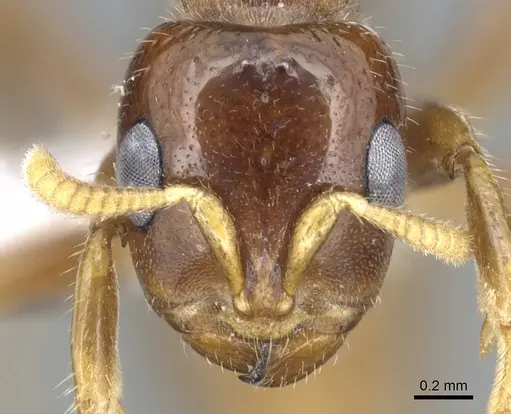
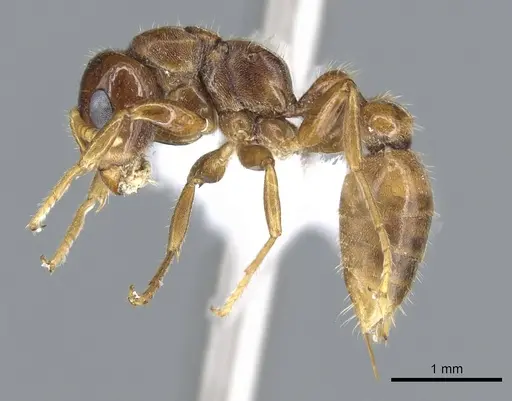
Pseudomyrmex insuavis is a small, slender ant from the western Amazon basin in Colombia. Workers have a head length of about 1 mm, but their total body size hasn't been measured directly. They are best told apart from close relatives by their short, broad petiole (the narrow 'waist' segment) that's wider at the back . Their body color varies a lot, from plain yellow or orange-brown to dark brown, sometimes two-toned . They also have noticeable standing hairs all over the head, body, legs, and gaster . This species is known only from a handful of collections, all from Tachigali trees, so its natural history is still poorly documented .
Quick Summary
- Difficulty: Unknown, limited data available
- Origin & Habitat: Western Amazon basin in Colombia (Amazonas and Guaviare regions). They live inside Tachigali trees, specifically collected from Tachigali cf. formicarum, T. hypoleuca, T. paniculata, and T. cf. poeppigiana [1][2][3]. This is a tropical rainforest setting with high humidity and steady warmth.
- Colony Type: Unconfirmed. Like other Pseudomyrmex species, colonies are likely single-queen (monogyne), but this hasn't been documented yet.
- Size & Growth:
- Queen: Unknown
- Worker: Unknown (head length about 1 mm)
- Colony: Unknown, only known from a few collections [1]
- Growth: Unknown
- Development: Unconfirmed. Based on typical Pseudomyrmex development in warm conditions, roughly 4-8 weeks (Development hasn't been directly studied for this species.)
- Antkeeping:
- Temperature: Keep warm, around 24-28°C. They come from the tropical Amazon, so cool temperatures will stress them
- Humidity: High humidity is essential, think rainforest. Keep the nest substrate consistently damp but not waterlogged
- Diapause: Unlikely. As a tropical species, they probably don't need a winter diapause
- Nesting: In the wild, they nest inside Tachigali trees. For captive care, give them enclosed spaces with high humidity, like cork bark sections, bamboo tubes, or a nest made of plaster or 3D-printed material. Avoid acrylic nests. A test tube works for starting a colony, but they'll eventually need a more naturalistic setup
- Behavior: Behavior is unstudied. Based on the genus, they are likely active foragers with good eyesight (Pseudomyrmex have large eyes). They may aggressively defend their territory and can deliver a sting, though their small size means the sting isn't severe to humans. Take normal care to prevent escapes.
- Common Issues: keeping this poorly-studied species requires lots of experimentation, expect colony failure if care isn't dialed in, high humidity needs can cause mold if ventilation is poor, wild-caught colonies may struggle to adjust to captive conditions, nutritional and nesting needs are unknown, be ready to try different setups and foods
Natural History and Distribution
Pseudomyrmex insuavis is known only from the western Amazon basin in Colombia, specifically the Amazonas and Guaviare departments [2][3]. It was formally described by Philip Ward in 1999 based on collections by Greg Gangi [1]. All known specimens were taken from Tachigali trees (a genus of leguminous trees), Tachigali cf. formicarum, T. hypoleuca, T. paniculata, and T. cf. poeppigiana [1]. This suggests P. insuavis is a plant-inhabiting ant that nests in hollow stems or specialized structures (domatia) within these trees. The type locality is Araracuara, Amazonas, Colombia [4]. Because it was only recently described and rarely collected, very little is known about its biology.
Identification and Distinguishing Features
Workers are small (head length roughly 1 mm). Their most distinctive feature is the petiole (the narrow 'waist'), which is short and wide at the back, a petiole width index over 0.91 separates them from similar relatives like Pseudomyrmex concolor and Pseudomyrmex penetrator [1]. They have obvious standing hairs (pilosity) on the head, mesosoma, petiole, postpetiole, gaster, and legs, with 31-66 hairs on the mesosoma and 8-15 on the head [1]. Body color varies a lot: some workers are plain yellow or orange-brown, others are dark brown, and some are two-toned with a lighter head or mesosoma. This color variation can even happen within the same colony [1]. Queens are similar but larger, with a petiole width index around 0.79 [5].
Housing and Nesting
In the wild, P. insuavis nests inside Tachigali trees, so in captivity you should give them enclosed spaces with high humidity. A naturalistic setup works best, use cork bark sections, bamboo tubes, or a nest made from plaster or 3D-printed material. Avoid acrylic nests because they tend to dry out and don't hold humidity well. A test tube with water and a cotton plug is fine for starting a colony, but as the colony grows, move them to a more permanent setup. Make sure the nest has good ventilation to prevent mold while keeping the substrate damp. Because these ants are small (head length ~1 mm), standard escape prevention (like fluon or oil barriers) should be enough, but check for tiny gaps carefully.
Feeding and Diet
The specific diet of P. insuavis hasn't been studied, but Pseudomyrmex ants are generally omnivorous with a strong preference for protein. In the wild, they likely hunt small arthropods and may tend honeydew-producing insects on their host trees. For captive colonies, offer small live prey like fruit flies, pinhead crickets, and mealworm pieces. Sugar sources like honey water or sugar water are probably accepted. Feed protein 2-3 times per week and keep a constant sugar source available. Start with prey that's tiny enough for workers to handle. Because this species is poorly known, be ready to experiment with different foods and watch what your colony prefers.
Temperature and Humidity Requirements
As inhabitants of the western Amazon rainforest, P. insuavis needs warm and humid conditions. Maintain temperatures around 24-28°C (75-82°F). A heating cable on one side of the nest creates a gentle gradient so the ants can choose their preferred temperature. Humidity should be high, the nest substrate should feel consistently damp to the touch, but not waterlogged. Good ventilation helps prevent mold. Because they come from a tropical climate with year-round warmth, they probably don't need a winter diapause. Avoid sudden temperature drops or cold drafts. If your colony seems sluggish, the temperature may be too low, if they cluster away from the heated area, it may be too warm.
Behavior and Temperament
Specific behavioral data for P. insuavis isn't recorded, but Pseudomyrmex ants are known to be active foragers with good eyesight. Many species aggressively defend their territory and host plants. Workers are likely quick-moving and will sting if threatened, though their small size makes the sting mild to humans. They probably forage more during the day. The conspicuous standing hairs on their body might serve a defensive function. When keeping this species, watch their behavior patterns and adjust care accordingly. Since they are plant-inhabiting, they may be more active in elevated spaces than on the ground. [1]
Frequently Asked Questions
How long does it take for Pseudomyrmex insuavis to produce first workers?
The egg-to-worker timeline is unconfirmed for this species. Based on typical Pseudomyrmex development in tropical conditions, expect about 4-8 weeks from egg to first worker. But this is an educated guess, you may need to observe your own colony to find out.
What do Pseudomyrmex insuavis ants eat?
Their specific diet hasn't been studied, but Pseudomyrmex ants are generally omnivorous with a protein preference. Offer small live prey like fruit flies, pinhead crickets, or mealworm pieces. They may also accept sugar water or honey water. Feed protein 2-3 times per week and always have a sugar source available.
Can I keep Pseudomyrmex insuavis in a test tube?
Yes, a test tube with water and a cotton plug works for founding a colony. But these plant-inhabiting ants will eventually need a more naturalistic nest with enclosed spaces and high humidity. As the colony grows, move them to a setup with cork bark or a plaster nest.
Do Pseudomyrmex insuavis ants sting?
Yes, like other Pseudomyrmex, they have a functional sting and can use it to defend themselves. However, due to their small worker size, the sting is unlikely to be serious to humans, just a mild pinch. Handle with normal care.
What temperature do Pseudomyrmex insuavis need?
Keep them consistently warm at 24-28°C (75-82°F). As tropical Amazon ants, they cannot handle cold drafts or temperature drops.
Do Pseudomyrmex insuavis need hibernation?
No, they almost certainly don't need hibernation. As a tropical species from the Amazon basin, they remain active year-round. Maintain warm conditions all year.
How big do Pseudomyrmex insuavis colonies get?
Colony size is unknown, this species has only been collected in small numbers. Related Pseudomyrmex species often form moderate-sized colonies (up to a few hundred workers), but this is just a guess.
Is Pseudomyrmex insuavis good for beginners?
No, this species is not recommended for beginners. It is very poorly documented, most care requirements are guesses from related species, and wild colonies are hard to come by. Only experienced keepers with an experimental mindset should try it.
Where does Pseudomyrmex insuavis live in the wild?
It is found only in the western Amazon basin of Colombia (Amazonas and Guaviare regions). It lives inside Tachigali trees, nesting in hollow stems or domatia of species like Tachigali hypoleuca, T. paniculata, and others [1][2][3].
Why is my Pseudomyrmex insuavis colony not thriving?
This species has extremely limited documentation, so captive colonies often struggle. Check that temperature is 24-28°C, humidity is high, and prey is small enough. Wild-caught colonies may have trouble adapting to captivity. Their specific nutritional or nesting needs may not be met, try different setups and observe carefully.
Report an Issue
The current care sheet is based fully on literature. See inconsistencies, or something that's incorrect? Please , it will be resolved after review from an admin. Contributing to the blogs tab also helps providing information, to make us be able to further improve the caresheets. Thank you for your support!
References

This caresheet is licensed under CC BY-SA 4.0 .
Community Blogs
CASENT0902889
View on AntWeb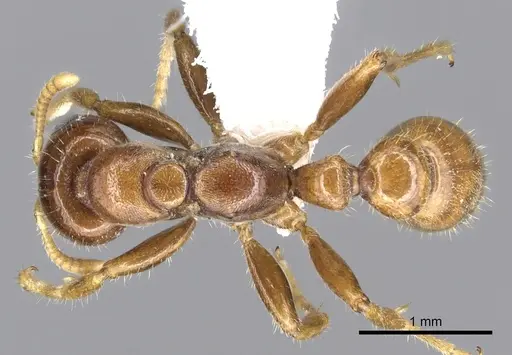
Literature
Loading distribution map...Loading products...