
Pseudomyrmex haytianus
- Sci. Name
- Pseudomyrmex haytianus
- Tribe
- Pseudomyrmecini
- Subfamily
- Pseudomyrmecinae
- Author
- Forel, 1901
- Distribution
- Found in 2 countries
Introduction
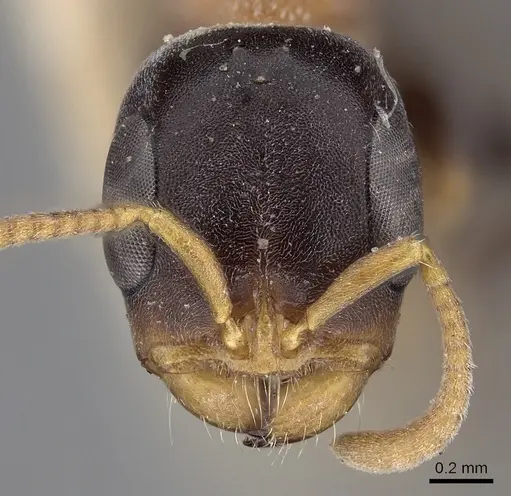
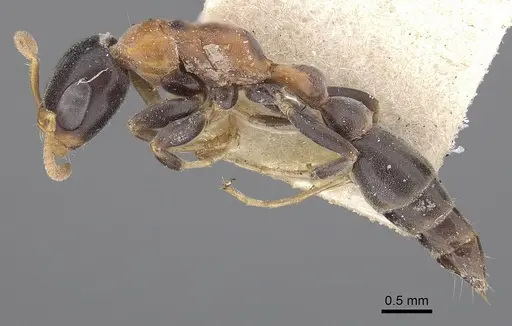
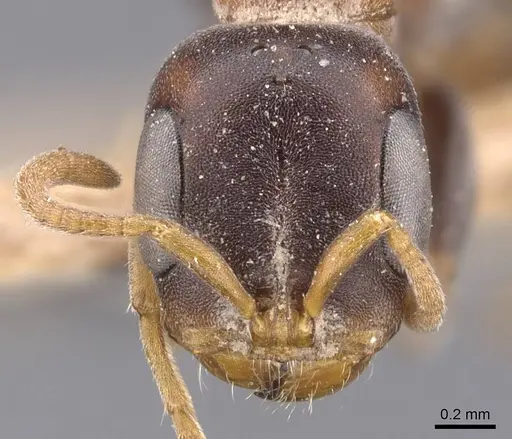
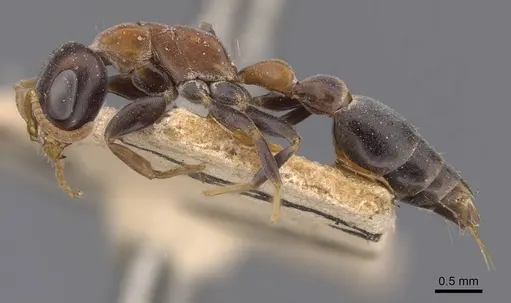
Pseudomyrmex haytianus is a medium-sized arboreal ant endemic to the island of Hispaniola (Haiti and the Dominican Republic). Workers measure 5.5-5.9 mm with a distinctive color pattern: yellow antennae and tarsi, black-brown legs, a bright red thorax with brown markings, and a dark head with reddish spots behind the eyes . Queens reach about 8.2 mm . This species lives in dead twigs and hollow stems, not in specialized plant structures, and shows no affinity for Acacia plants . It is a true generalist twig-nester, found in tropical moist forest, dry forest, and disturbed areas like coffee plantations and botanical gardens at elevations of 10-700 m . Pseudomyrmex haytianus holds special evolutionary significance. It is one of the few living Pseudomyrmex species with clear affinities to the Dominican amber fossil fauna, suggesting it represents an ancient lineage that has persisted on Hispaniola while related species elsewhere went extinct . Unlike most other Pseudomyrmex, it does not belong to any of the major species groups; it is an isolated, endemic species .
Quick Summary
- Difficulty: Medium
- Origin & Habitat: Endemic to Hispaniola, found throughout Haiti and the Dominican Republic at elevations of 10-700 m. Inhabits tropical moist forest, dry forest, and disturbed areas including coffee plantations and gardens. Nests in dead twigs and hollow stems on trees [3][4].
- Colony Type: Colony structure is unconfirmed. Based on typical twig-nesting Pseudomyrmex patterns, colonies likely consist of a single queen (monogyne) nesting in isolated twig cavities.
- Size & Growth:
- Queen: ~8.2 mm [1]
- Worker: 5.5-5.9 mm [1]
- Colony: Unknown, probably up to several hundred workers
- Growth: Moderate, inferred from related species
- Development: Estimated 6-8 weeks at typical tropical temperatures (Development is faster in warm conditions (26-28 °C) and slows down if temperatures drop.)
- Antkeeping:
- Temperature: Keep at 24-28 °C. Use a heating cable on one side to create a gradient, allowing ants to regulate their own temperature. Avoid prolonged exposure below 20 °C.
- Humidity: Provide a nest substrate that is slightly damp (not waterlogged) and a dry area, a humidity gradient mimics their natural range from moist forest to dry forest. A water tube or test tube reservoir works well.
- Diapause: No, as a tropical species, they do not require hibernation. A slight winter temperature drop to about 20-22 °C is acceptable but not necessary.
- Nesting: Hollow twigs or bamboo sections are ideal. You can also use narrow-chamber formicariums that mimic twig interiors. Avoid large, open spaces. Provide a dark cover over the nest area.
- Behavior: These ants are arboreal and visually oriented, they have notably large eyes. Workers are active foragers that search for small insects and sugary honeydew in vegetation. They belong to the subfamily Pseudomyrmecinae and have a sting, which they use to defend their nest, but they are not particularly aggressive toward humans. Escape prevention is important because they are agile climbers and can squeeze through small gaps. Their diet is generalist [2].
- Common Issues: temperature drops below 20 °C can slow growth or harm brood, keep warm consistently., too-dry air can desiccate the colony, ensure nest substrate stays slightly damp and provide a water source., oversized housing stresses these ants, use narrow, enclosed spaces that feel like twigs., wild-caught colonies may carry mites or other parasites, quarantine new acquisitions., they are excellent climbers, apply fluon or similar barriers to prevent escapes.
Natural History and Distribution
Pseudomyrmex haytianus is a true island endemic, found only on Hispaniola (Haiti and the Dominican Republic). It occupies a range of habitats from tropical moist forest to dry forest, and even survives in disturbed areas like coffee plantations and botanical gardens, suggesting it can tolerate varied conditions [3][4]. It nests exclusively in dead twigs and hollow stems, never in the ground [3][4].
This species is evolutionarily distinct: it does not belong to any of the major species groups of Pseudomyrmex and is one of the few extant species with clear affinities to the Dominican amber fossil fauna [1][5][6][7]. Phylogenetic studies place it near the base of the P. ferrugineus group, but its exact position remains uncertain [5][6].
Housing and Nesting Preferences
These arboreal ants need nesting spaces that mimic natural twig cavities. Good options include hollow bamboo sticks, collected dead twigs, or a formicarium with narrow chambers (Y-tong, plaster, or 3D-printed). Avoid large open spaces, keep the nest area small and enclosed. Provide a dark cover, as Pseudomyrmex ants prefer dim conditions.
Connect the nest to a small outworld for feeding. Escape prevention is crucial: they are excellent climbers and will slip through tiny gaps. Use fluon on the outworld walls and seal all connections. A test tube setup works well for founding colonies and small established colonies.
Feeding and Diet
Pseudomyrmex haytianus is a generalist feeder [2]. Offer protein sources 2-3 times per week, small insects like fruit flies, pinhead crickets, or pieces of mealworm. Provide sugar water (honey water or commercial ant nectar) constantly, refreshed every few days. Fresh water should always be accessible. In the wild, they also collect honeydew from sap-sucking insects.
Portion sizes depend on colony size: a small founding colony needs only a fly or two per feeding, a larger colony can handle more. Remove uneaten protein to prevent mold.
Temperature and Seasonal Care
Being native to tropical Hispaniola, these ants need consistent warmth. Maintain 24-28 °C for optimal activity and brood development. A slight drop to 20-22 °C in winter is acceptable but not required, they do not need hibernation. Prolonged temperatures below 18 °C must be avoided.
Use a heating cable or mat on one side of the housing to create a thermal gradient. Place heating on top of the nest (not underneath) to avoid excessive drying. Monitor that humidity does not drop too low when using heat, a gradient with a moist area helps.
Behavior and Colony Dynamics
Workers are visually oriented with large compound eyes, an adaptation for their arboreal, leaf‑dwelling lifestyle. They are active foragers that patrol vegetation for small arthropods and honeydew. Colony size is likely modest, probably reaching at most a few hundred workers, which is typical for twig‑nesting ants constrained by cavity size.
These ants have a sting (Pseudomyrmecinae subfamily) and will defend their nest if threatened, but they are not overly aggressive toward keepers. Avoid blowing into the nest or handling them roughly. The queen is about 8 mm and notably larger than workers [1].
Acquiring and Establishing Colonies
Pseudomyrmex haytianus is rare in the antkeeping hobby because of its restricted range and export restrictions from Hispaniola. Wild‑caught colonies are the most likely source. When acquiring a colony, inspect for health: active workers, presence of brood, and a healthy queen.
Quarantine new colonies for a few weeks to check for mites or parasites. Start in a test tube setup or small twig nest. Only move to larger housing when the nest becomes crowded, typically when you see 30-50 workers. Stress from premature relocation can harm small colonies. Avoid acrylic nests, stick with natural materials or plaster/Y‑tong.
Frequently Asked Questions
How long does it take for Pseudomyrmex haytianus to produce first workers?
Based on typical Pseudomyrmex development, expect first workers approximately 6-8 weeks after the queen lays eggs, assuming warm tropical temperatures (around 26 °C). Development speeds up in warmer conditions and slows if temperatures drop.
Can I keep Pseudomyrmex haytianus in a test tube setup?
Yes, test tube setups work well for founding colonies. Ensure the tube provides a water reservoir and keep it in a warm, dark location. As the colony grows, you can connect additional tubes or move to a small formicarium.
Do Pseudomyrmex haytianus ants sting?
Like other Pseudomyrmex ants, they can sting, though the sting is usually mild for humans. They are not particularly aggressive but will defend their nest if threatened.
What do Pseudomyrmex haytianus eat?
They are generalist feeders. Offer small insects (fruit flies, small crickets, mealworms) as protein 2-3 times per week, and keep sugar water or honey available constantly. Fresh water must always be accessible [2].
Are Pseudomyrmex haytianus good for beginners?
This species is rated medium difficulty. It is not the hardest ant to keep, but its need for stable tropical temperatures and appropriate nesting, plus its rarity, make it better suited for keepers with some experience. Beginners may find the temperature and humidity requirements challenging.
How big do Pseudomyrmex haytianus colonies get?
Colony size is not well documented for this species, but based on typical twig‑nesting Pseudomyrmex, colonies likely reach up to several hundred workers at maximum. They remain more modest than large ground‑nesting species.
Do Pseudomyrmex haytianus need hibernation?
No, they do not require hibernation. As a tropical species from Hispaniola, they prefer consistent warm temperatures year-round. A slight seasonal temperature reduction to 20-22 °C is acceptable but not necessary.
When should I move my colony to a formicarium?
Move to a formicarium when the colony reaches about 30-50 workers and the test tube becomes crowded. A twig formicarium or narrow‑chamber nest works best. Avoid moving too early, stress can harm small colonies.
Why is my Pseudomyrmex haytianus colony declining?
Common causes include: temperatures too low (below 20 °C), humidity too low (dry conditions), stress from oversized housing, parasites from wild‑caught colonies, or poor nutrition. Check temperature, humidity, and diet first.
Can I keep multiple queens together?
Colony structure is unconfirmed for this species. Based on typical Pseudomyrmex patterns, single‑queen colonies are most likely. Combining unrelated queens has not been documented and is not recommended.
Report an Issue
The current care sheet is based fully on literature. See inconsistencies, or something that's incorrect? Please , it will be resolved after review from an admin. Contributing to the blogs tab also helps providing information, to make us be able to further improve the caresheets. Thank you for your support!
References

This caresheet is licensed under CC BY-SA 4.0 .
Community Blogs
CASENT0281897
View on AntWeb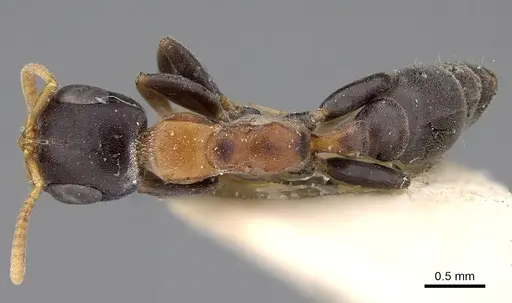
CASENT0907519
View on AntWeb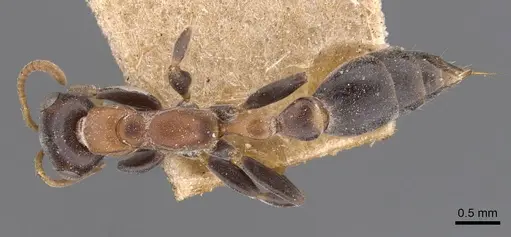
Literature
Loading distribution map...Loading products...