
Pseudomyrmex godmani
- Sci. Name
- Pseudomyrmex godmani
- Tribe
- Pseudomyrmecini
- Subfamily
- Pseudomyrmecinae
- Author
- Forel, 1899
- Distribution
- Found in 6 countries
Introduction
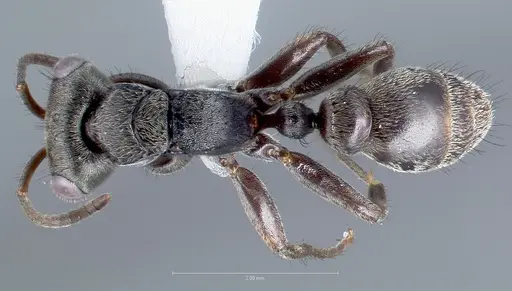
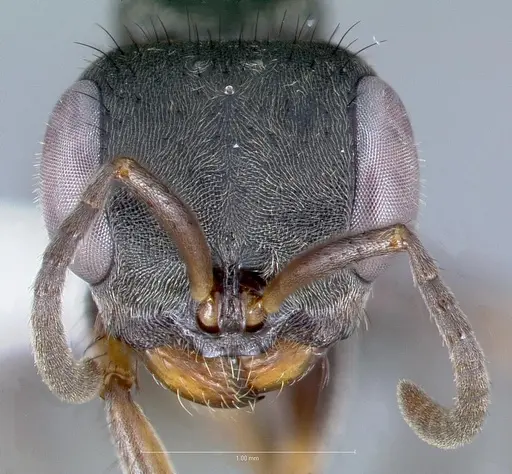
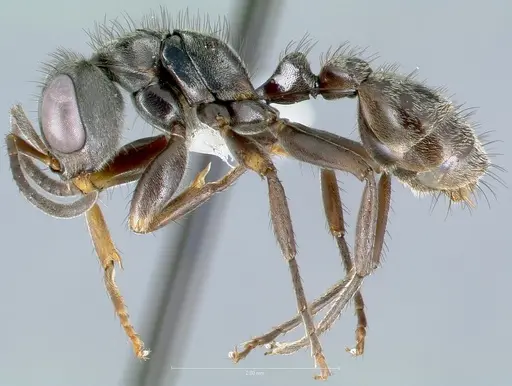
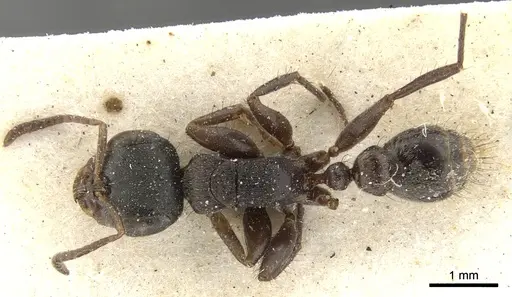
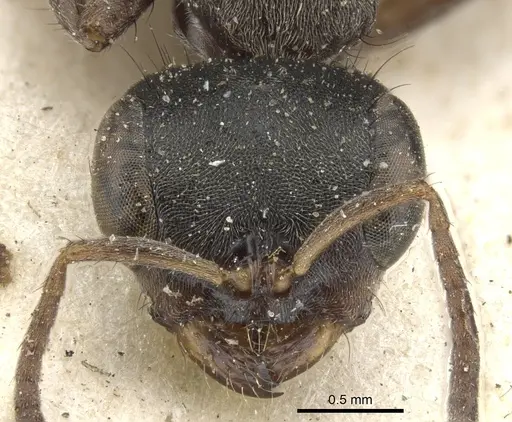
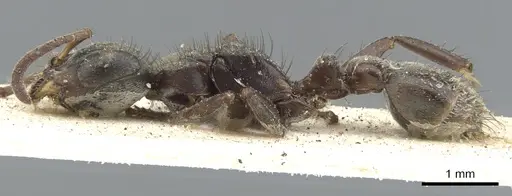
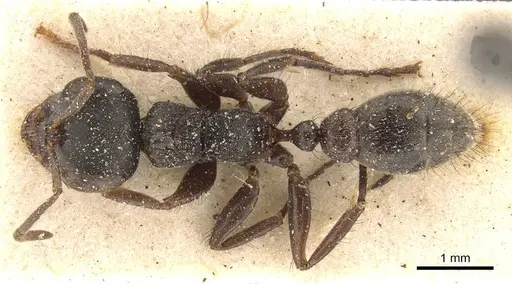
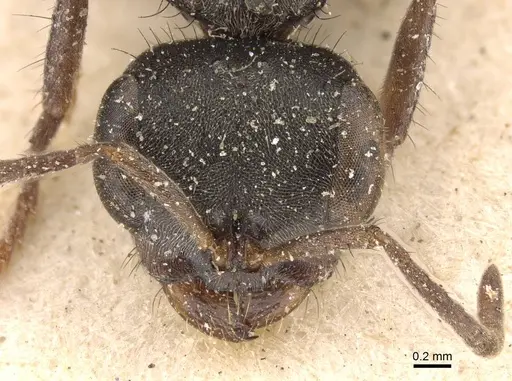
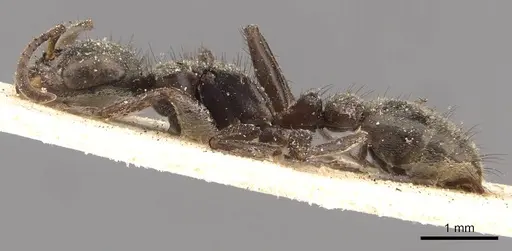
Pseudomyrmex godmani is a medium-sized arboreal ant native to the Neotropical region, found across Panama, Colombia, Brazil, Costa Rica, French Guiana, and recently recorded in Mexico's Quintana Roo state . Workers measure approximately 6.5mm with a wide head and large eyes . This species belongs to the P. gracilis group and is a generalist twig-nesting ant, meaning it colonizes hollow twigs, stems, and tree cavities throughout its tropical range . Unlike some Pseudomyrmex species that form strict mutualisms with specific plants, P. godmani is more flexible in its nesting habits .
Quick Summary
- Difficulty: Medium
- Origin & Habitat: Neotropical region spanning Panama, Colombia, Brazil, Costa Rica, French Guiana, and into southern Mexico. These are arboreal ants that nest in twigs and hollow stems in tropical forest environments [4][2].
- Colony Type: Colony structure is unconfirmed. As a generalist twig-nesting ant in the P. gracilis group, it likely forms single-queen colonies, though this requires confirmation.
- Size & Growth:
- Queen: Unknown, not directly measured in available literature
- Worker: 6.5mm [1]
- Colony: Unknown, no colony size data available
- Growth: Unknown
- Development: Estimated 6-8 weeks based on typical Pseudomyrmecinae patterns at tropical temperatures (Development timeline is inferred from related species in the genus, direct measurements for this specific species are unavailable)
- Antkeeping:
- Temperature: Keep warm, these are tropical ants that need stable temperatures around 24-28°C. A gentle heat gradient in the nest area is recommended.
- Humidity: Moderate to high humidity. Their natural twig-nesting habitat experiences humid tropical conditions. Provide a water tube and maintain some moisture in the nesting area.
- Diapause: No, as a tropical species, they do not require hibernation. Keep temperatures stable year-round.
- Nesting: Twig-nesting species requires cavities or narrow tubes. In captivity, they do well in test tubes with added twigs or stems, or in Y-tong (AAC), plaster, or 3D-printed nests with narrow chambers that simulate their natural twig habitat.
- Behavior: Generalist foragers with good vision thanks to their large eyes. They are active hunters and scavengers, typical of Pseudomyrmecinae ants. Workers are moderately aggressive when defending the colony. Escape prevention is important, they are good climbers and may attempt to escape. Medium size (6.5mm) makes them visible but not large.
- Common Issues: tropical temperature requirements mean colonies can struggle in cool rooms without heating, arboreal nature means they need vertical space and climbing surfaces, horizontal-only nests may cause stress, escape prevention is important as they are active climbers, humidity management is critical, too dry and brood will desiccate, too wet and mold becomes an issue, wild-caught colonies may carry parasites or be stressed from collection
Natural History and Distribution
Pseudomyrmex godmani inhabits the Neotropical region, with documented populations in Panama (type locality), Colombia (particularly Caquetá department), Brazil (Amazon Basin states including Pará), Costa Rica, and French Guiana [1][2][7]. The species was first recorded in Mexico's Quintana Roo state between 1992-2012,representing the northern edge of its known range [3]. As a member of the P. gracilis group, this ant is a generalist twig-nester, occupying hollow twigs, dead branches, and stem cavities in tropical forests [4]. Unlike some Pseudomyrmex that form obligate mutualisms with plants like acacia, P. godmani is more flexible and opportunistic in its nesting choices [6]. The large eyes characteristic of this subfamily reflect their visual hunting lifestyle in the forest canopy.
Housing and Nest Preferences
In captivity, Pseudomyrmex godmani requires housing that mimics their natural twig-nesting behavior. Test tubes work well for founding colonies, simply provide a cotton-plugged water tube alongside the queen. For established colonies, narrow Y-tong (AAC), plaster, or 3D-printed nests with small chambers (matching their 6.5mm worker size) work best. The key is providing appropriately scaled cavities, these ants prefer tight spaces that feel secure. Include twigs or small hollow sections in the setup if possible. Because they are arboreal, they appreciate vertical climbing space and will often travel up the sides of their enclosure. Ensure escape prevention is solid, while not tiny, they are active climbers and will explore any gaps. [4]
Feeding and Diet
As a generalist forager, Pseudomyrmex godmani likely accepts a varied diet similar to other Pseudomyrmecinae ants. Offer protein sources such as small insects (fruit flies, small crickets, mealworms), and provide sugar sources like honey water or sugar water. In the wild, these ants are active hunters using their good vision to spot prey, so live prey items may be particularly appreciated. Feed protein 2-3 times per week and keep sugar water available at all times. Remove uneaten prey after 24-48 hours to prevent mold. The exact dietary preferences for this specific species have not been studied, so some experimentation may be needed [6].
Temperature and Seasonal Care
These are tropical ants requiring warm, stable temperatures. Maintain nest temperatures around 24-28°C (75-82°F). Avoid prolonged temperatures below 22°C as cool conditions can weaken the colony and slow brood development. Room temperature may be sufficient in warm climates, but most keepers use a small heat mat or heating cable on one side of the nest to create a gentle gradient. Place the heat source on top of the nest, not underneath, to avoid drying out the nest too quickly. As a tropical species, they do not require diapause or hibernation, keep conditions stable year-round. Sudden temperature drops should be avoided.
Behavior and Colony Dynamics
Pseudomyrmex godmani workers are active foragers with well-developed vision, using their large eyes to locate prey and resources. The species is generally defensive of its nest but not unusually aggressive toward keepers. Workers likely communicate through chemical signals as most ants do, though specific recruitment behaviors are unstudied. Colony growth rate is unknown but is probably moderate, typical for medium-sized ants. The colony structure (single queen vs. multiple queens) remains unconfirmed for this species, though single-queen colonies are common in the genus. Monitor for queen health and worker activity levels as indicators of colony wellbeing [4].
Frequently Asked Questions
How long does it take for Pseudomyrmex godmani to produce first workers?
The exact timeline is unconfirmed for this species, but based on typical Pseudomyrmecinae development at tropical temperatures (24-28°C), expect first workers (nanitics) in approximately 6-8 weeks after the queen lays eggs. This is an estimate based on related species, direct measurements for P. godmani are not available.
Can I keep Pseudomyrmex godmani in a test tube?
Yes, test tubes work well for founding colonies. Provide a clean test tube with a water reservoir (cotton-plugged) for humidity. The queen will typically seal herself into a dark corner of the tube. For established colonies, consider transitioning to a small Y-tong (AAC), plaster, or 3D-printed nest with narrow chambers that better match their natural twig-nesting preferences.
What do Pseudomyrmex godmani ants eat?
They are generalist feeders. Offer small insects (fruit flies, tiny crickets, mealworms) as protein 2-3 times per week, and keep sugar water or honey water available at all times. Their large eyes suggest they are visual hunters, so live prey may be particularly appreciated. Remove uneaten food promptly to prevent mold [6].
Do Pseudomyrmex godmani ants sting?
As members of the subfamily Pseudomyrmecinae, they have a well-developed sting used for defense. While specific pain data for P. godmani is not documented, they can deliver a noticeable sting if provoked. Handle gently and avoid provoking defensive responses.
Are Pseudomyrmex godmani ants good for beginners?
This species is rated as Medium difficulty. They are more challenging than common beginner species like Lasius or Tetramorium because they require tropical temperatures and humidity, and their specific colony structure is less well-documented. If you have experience with other tropical arboreal ants, this species can be a rewarding challenge.
What temperature do Pseudomyrmex godmani ants need?
Keep them at 24-28°C (75-82°F). These are tropical ants that need warmth to thrive. A small heat mat on one side of the nest can help maintain appropriate temperatures. Avoid temperatures below 22°C for extended periods.
Do Pseudomyrmex godmani need hibernation or diapause?
No. As a tropical species from the Neotropical region, they do not require hibernation or a diapause period. Keep temperatures stable year-round within their preferred range of 24-28°C.
How big do Pseudomyrmex godmani colonies get?
Colony size data is not available for this specific species. As a medium-sized ant with 6.5mm workers, colonies likely reach several hundred workers at maturity, typical for Pseudomyrmex species. However, this is an estimate based on genus patterns, not confirmed data [1].
Why are my Pseudomyrmex godmani dying?
Common causes include: temperatures below 22°C (tropical ants are sensitive to cool conditions), low humidity causing brood desiccation, poor nutrition, or stress from wild collection. Ensure proper heating, maintain humidity with a water tube, and offer varied diet. If the colony was wild-caught, parasites or collection stress may be factors.
Report an Issue
The current care sheet is based fully on literature. See inconsistencies, or something that's incorrect? Please , it will be resolved after review from an admin. Contributing to the blogs tab also helps providing information, to make us be able to further improve the caresheets. Thank you for your support!
References

This caresheet is licensed under CC BY-SA 4.0 .
Community Blogs
Literature
Loading distribution map...Loading products...