
Pseudomyrmex fortis
- Sci. Name
- Pseudomyrmex fortis
- Tribe
- Pseudomyrmecini
- Subfamily
- Pseudomyrmecinae
- Author
- Forel, 1899
- Distribution
- Found in 2 countries
Introduction
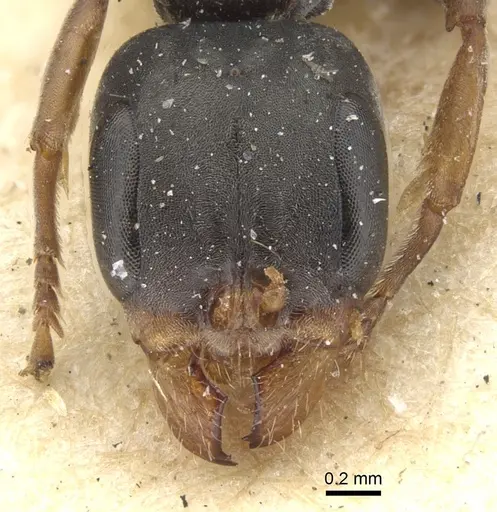
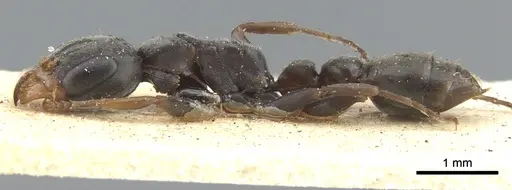
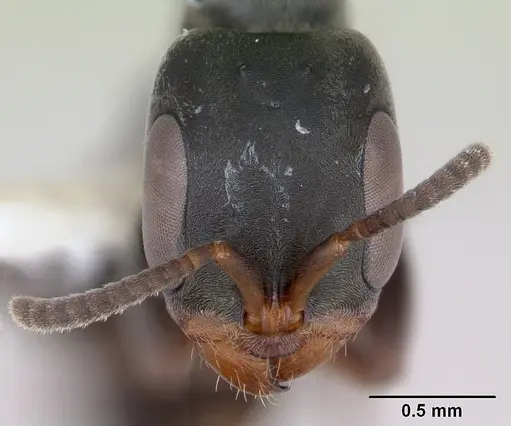
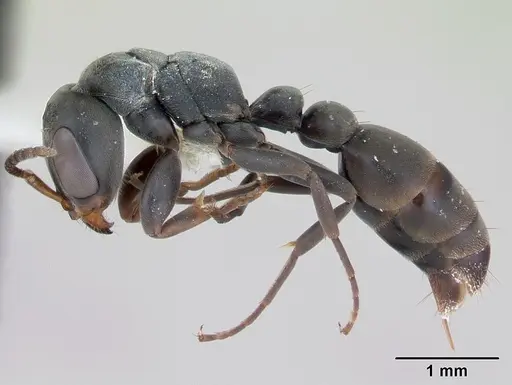
Pseudomyrmex fortis is an aggressive plant-ant from the Neotropics, ranging from Mexico down through Central America to Colombia and Venezuela . Workers are dark brown to brownish black, with a relatively long, narrow head and a broad, rounded petiole. They are known for their painful sting and quick defense of their host plants . Unlike some specialized plant-ants that live on just one plant species, P. fortis appears to be a generalist, nesting in the hollow stems of several tropical trees and shrubs, including Triplaris, Cordia, and even mangroves (Avicennia) . Their natural home is inside live plant cavities called domatia, where they raise their brood and tend scale insects for honeydew.
Quick Summary
- Difficulty: Hard
- Origin & Habitat: Neotropical region: Mexico, Guatemala, Costa Rica, Colombia, Venezuela. Found in tropical rainforests and mangrove forests, nesting inside live plant branches and hollow stems [1][3].
- Colony Type: Unconfirmed (likely single-queen colonies based on typical Pseudomyrmex patterns). These are plant-ants that live inside specialized hollow plant structures.
- Size & Growth:
- Queen: ~6-8 mm (inferred from related Pseudomyrmex species, not directly measured)
- Worker: ~4-5 mm (inferred from genus Pseudomyrmex, total length not documented in literature)
- Colony: Unknown, likely up to a few hundred workers (inferred from plant-ant patterns)
- Growth: Moderate (estimated from related species)
- Development: Estimated 6-8 weeks at tropical temperatures (based on related Pseudomyrmex species) (Development directly studied for this species but not documented, timeline inferred from genus patterns.)
- Antkeeping:
- Temperature: Tropical species, keep at 24-28°C (75-82°F) year-round. No hibernation needed. A slight temperature gradient across the nest helps workers choose their preferred spot [1].
- Humidity: High humidity, not precisely documented, but these ants live in moist plant cavities. Keep the nest substrate consistently damp, but not waterlogged. Rehydrate as needed rather than on a fixed schedule.
- Diapause: No, as a tropical species, keep warm all year.
- Nesting: These ants need housing that mimics their natural plant-cavity home. Use Y-tong (AAC) blocks with small chambers, hollow bamboo sections, or custom 3D-printed nests that provide narrow, enclosed spaces. Avoid acrylic nests. The nest should be kept humid and dark, with access to a well-ventilated outworld.
- Behavior: Extremely aggressive and quick to defend their nest. Workers sting readily and will attack any disturbance [1]. They actively forage for small insects in the outworld and tend coccids (scale insects) for honeydew. While not tiny, they are agile and can escape if barriers are not secure. Because of their painful sting and strong defensive behavior, they are best kept by experienced antkeepers.
- Common Issues: aggressive nature and painful sting make maintenance tricky, use long-handled tools and always work carefully, maintaining high humidity consistently in captivity, especially if using heat sources, specialized nesting requirements (plant cavities) are not easy to replicate with standard formicaria, escape risk: they are fast and determined, so use fluon barriers and check all connections, limited knowledge of colony founding and development makes it hard to troubleshoot problems
Natural History and Host Plants
Pseudomyrmex fortis is a myrmecophyte (plant-ant) that lives inside specialized hollow plant structures. It has been recorded nesting in Triplaris melaenodendron in Guatemala and Cordia alliodora in Costa Rica. A population in northern Colombia lives in living branches of Avicennia (mangrove trees), where they tend coccids of the genus Cryptostigma for honeydew [1][3]. Unlike highly specialized plant-ants that inhabit only one plant species, P. fortis appears to be a generalist, similar to Pseudomyrmex viduus and Pseudomyrmex rubiginosus [1]. This flexibility might make them easier to house in captivity, provided the nest mimics a plant cavity. Workers aggressively defend their host plant and will sting any perceived threat [1].
Feeding and Diet
In the wild, Pseudomyrmex fortis workers collect a varied diet. Examination of larval food pellets has shown remains of insects, fungi, and 'medullary tissue', material gnawed from the walls of their plant domatia [1]. Workers also tend coccids (scale insects) for honeydew, which is a sugar source. In captivity, provide a constant supply of sugar water or honey for energy, and offer protein-rich foods like small insects (fruit flies, pinhead crickets, mealworms) two or three times a week. Their plant‑ant lifestyle suggests they may also accept other sweet liquids, but always ensure fresh, clean water is available.
Nesting Requirements
As a plant‑ant, Pseudomyrmex fortis needs housing that resembles its natural hollow‑stem habitat. Use Y‑tong (AAC) blocks with small chambers, hollow bamboo sections, or custom 3D‑printed nests that provide narrow, enclosed spaces. The nest should be kept dark and humid (keep the substrate damp, not soaked). Provide a well‑ventilated outworld for foraging. Because these ants are aggressive and sting, place the setup somewhere you can observe without putting your hands near the foraging area. Use fluon barriers around the outworld and check all connections. Avoid acrylic nests, as they dry out too quickly and do not mimic natural plant cavities. [1][3]
Temperature and Seasonal Care
Pseudomyrmex fortis comes from tropical regions (Mexico through Colombia and Venezuela), so they need warm, stable temperatures all year. Keep the nest area at 24-28°C (75-82°F). They do not require winter diapause, maintaining consistent tropical conditions is crucial for health and brood development. A slight temperature gradient across the nest lets workers choose their preferred microclimate. If room temperature drops below 24°C, use a heating cable placed on top of the formicarium (not underneath, to avoid drying out the nest). Monitor humidity carefully when using heat, as warm air dries the nest faster. [1]
Handling and Safety
Pseudomyrmex fortis workers are known to sting readily and act quickly to defend their nest [1]. This is one of the more aggressive Pseudomyrmex species, so it should be kept only by experienced antkeepers. Their sting is painful for an ant of their size and can cause localized reactions. Always use extreme caution: never open the nest without protection, and consider long‑handled tools for any maintenance. Move slowly near the outworld, and avoid sudden movements. If you need to clean or transfer the colony, do it at night when activity is lower, or use gentle air flow to encourage them into the nest first. Keep the setup away from high‑traffic areas in your home.
Frequently Asked Questions
Is Pseudomyrmex fortis good for beginners?
No. This species is aggressive, stings readily, and requires high humidity and specialized nesting that are challenging to maintain. Their painful sting makes them risky for new keepers who may not yet have developed good handling techniques.
Do Pseudomyrmex fortis ants sting?
Yes, they sting readily. Workers are known for their aggressive nest defense and will sting quickly when threatened [1]. The sting is painful for an ant of their size and can cause localized swelling. Handle with extreme caution.
What do Pseudomyrmex fortis eat?
They are generalist feeders. In captivity, provide constant sugar water or honey, and small insects (fruit flies, pinhead crickets, mealworms) two or three times per week. Their natural diet includes insects, fungi, and plant material from their host plant domatia [1].
How long does it take for Pseudomyrmex fortis to develop from egg to worker?
The exact development timeline has not been studied for this species. Based on related Pseudomyrmex species, expect roughly 6-8 weeks from egg to first worker at tropical temperatures (24-28°C).
Can I keep multiple Pseudomyrmex fortis queens together?
This has not been studied. The colony structure of P. fortis is not documented. Based on typical Pseudomyrmex patterns, they likely form single-queen colonies. Combining unrelated queens is not recommended and could lead to fighting.
What temperature do Pseudomyrmex fortis need?
Keep them at 24-28°C (75-82°F) year-round. As a tropical species from Mexico through Colombia, they need warmth without hibernation. A slight temperature gradient helps the colony regulate.
What humidity do Pseudomyrmex fortis require?
High humidity, not precisely documented, but these are rainforest plant‑ants that live in moist plant cavities. Keep the nest substrate consistently damp, but not waterlogged. Monitor and rehydrate as needed.
What size do Pseudomyrmex fortis colonies reach?
Colony size has not been documented. Based on typical plant‑ant patterns, they likely reach dozens to a few hundred workers. They are not among the largest Pseudomyrmex species.
When do Pseudomyrmex fortis have nuptial flights?
Nuptial flight timing has not been documented. As a tropical species, they likely mate during the warm season, but specific months are unknown.
What nest type is best for Pseudomyrmex fortis?
They do best in naturalistic setups that mimic plant cavities. Use Y‑tong (AAC) blocks with small chambers, hollow bamboo sections, or custom 3D‑printed nests. The nest must be kept dark and humid. Avoid acrylic nests.
Report an Issue
The current care sheet is based fully on literature. See inconsistencies, or something that's incorrect? Please , it will be resolved after review from an admin. Contributing to the blogs tab also helps providing information, to make us be able to further improve the caresheets. Thank you for your support!
References

This caresheet is licensed under CC BY-SA 4.0 .
Community Blogs
CASENT0902862
View on AntWeb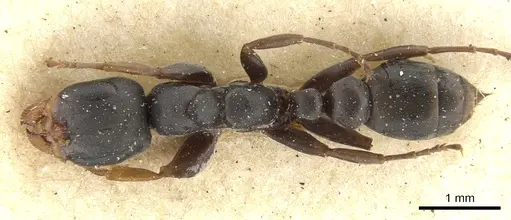
INBIOCRI002281379
View on AntWeb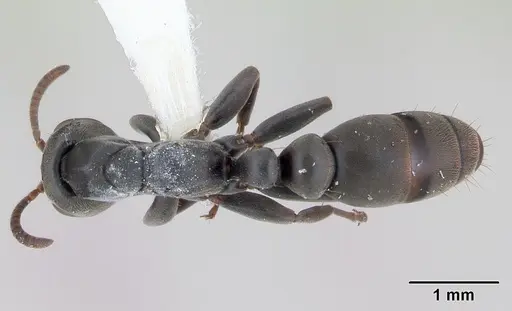
Literature
Loading distribution map...Loading products...