
Pseudomyrmex flavicornis
- Sci. Name
- Pseudomyrmex flavicornis
- Tribe
- Pseudomyrmecini
- Subfamily
- Pseudomyrmecinae
- Author
- Smith, 1877
- Distribution
- Found in 6 countries
Introduction
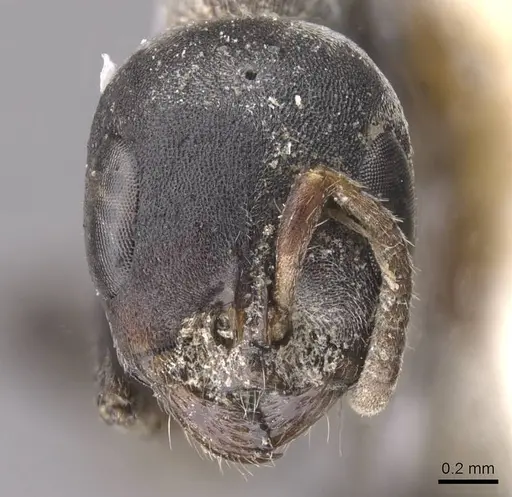
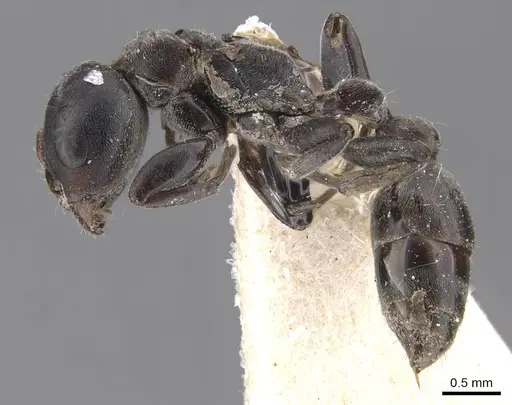
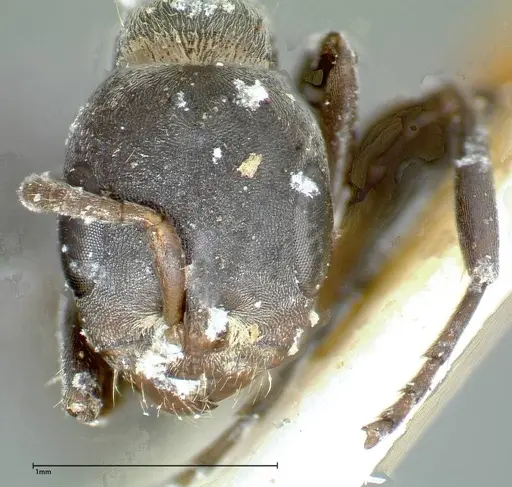
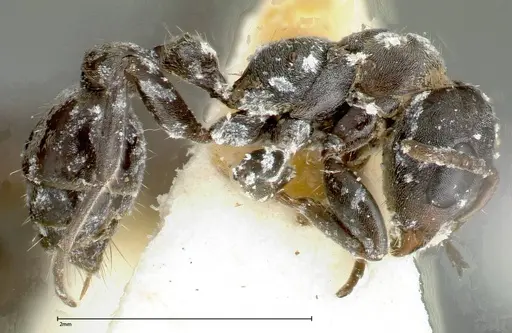
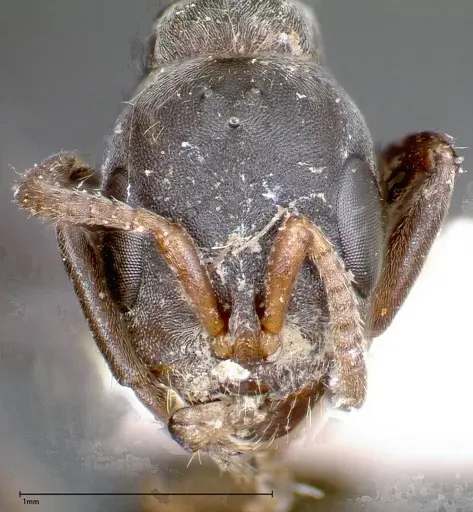
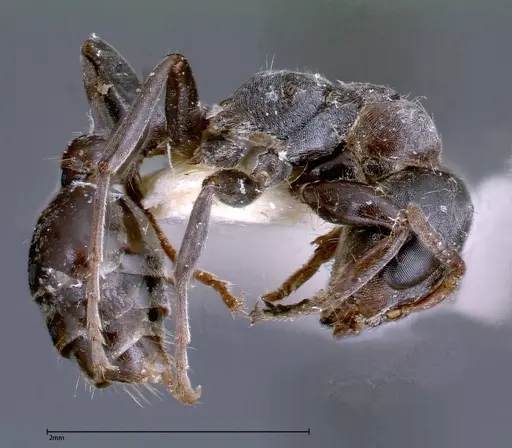
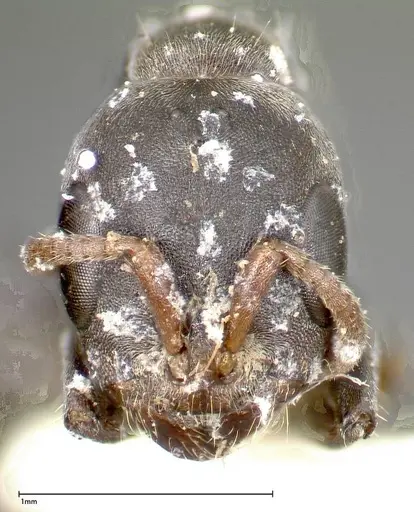
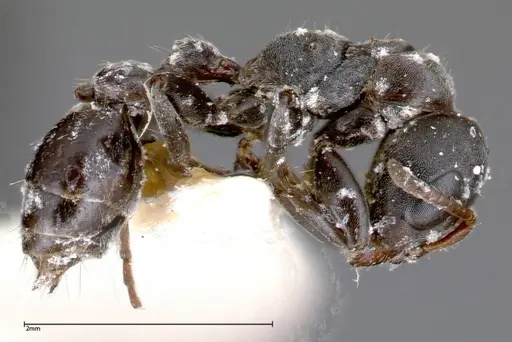
Pseudomyrmex flavicornis is a large, aggressive arboreal ant from Central America, ranging from Guatemala to Costa Rica. Workers have a broad, opaque head and a dark brown to black body, sometimes with a lighter mesosoma. This species is an obligate mutualist with Vachellia (acacia) trees, especially bullhorn acacia (Vachellia collinsii), living exclusively inside the hollow thorns. They fiercely defend their host plant with a painful sting and will attack any threat. This ant is famous for its role in one of the most celebrated ant-plant mutualisms, first described by Thomas Belt in 1874 .
Quick Summary
- Difficulty: Expert
- Origin & Habitat: Central America (Guatemala to Costa Rica) in dry forest habitats. Obligate inhabitant of Vachellia acacias, primarily V. collinsii, and less commonly V. cornigera and V. hindsii. Nests inside hollow thorns (domatia) [2][1].
- Colony Type: Monogynous, single queen colonies [3][4]. Workers are monomorphic (all roughly the same size) [3].
- Size & Growth:
- Queen: ~8-10 mm (estimated based on genus Pseudomyrmex, total length not recorded). Head width 1.12-1.19 mm [2].
- Worker: ~6-8 mm (estimated based on genus Pseudomyrmex, total length not recorded). Head length 1.06-1.42 mm [2].
- Colony: Unknown in captivity. In the wild, a single acacia tree can support many ants across multiple thorns, but specific numbers are not well documented.
- Growth: Unknown, no captive breeding data available.
- Development: Unknown, no development studies exist for this species. (No captive breeding data available. Development likely follows typical Pseudomyrmex patterns but specific timelines unconfirmed.)
- Antkeeping:
- Temperature: Tropical species, maintain warm conditions around 24-28°C. No specific optimal temperature studies exist, but being a Central American dry forest species, room temperature in the low-to-mid 20s Celsius is appropriate.
- Humidity: Moderate humidity is acceptable. These ants live inside tree thorns which provide some humidity regulation. Avoid overly dry or overly wet conditions.
- Diapause: No, being a tropical species, they do not require hibernation. Activity may slow slightly during dry season when the acacia stops producing new leaves and nectar [1].
- Nesting: Cannot be kept in standard ant nests. This is an OBLIGATE mutualist, they MUST have access to Vachellia domatia (hollow thorns) or a suitable artificial substitute. Standard test tubes, Y-tongs, and formicaria are NOT appropriate. This species will not survive in conventional setups.
- Behavior: Extremely aggressive defenders of their host acacia tree. Workers rarely leave the tree except to prune encroaching vegetation (cutting plants within 10-30 cm of the trunk) [5]. They have a painful sting that can raise a white bump lasting over 24 hours [1]. Workers feed on nectar from leaf glands and feed larvae Beltian bodies (protein-rich structures at leaflet bases). Unlike typical ants, they do not forage for food, all nutrition comes from the host plant. Escape risk is low since they stay on the tree, but they will attack aggressively if provoked.
- Common Issues: obligate mutualist that requires acacia housing and diet., no successful captive long-term maintenance recorded., painful sting makes handling dangerous., specialized digestive system cannot process typical ant foods [6]., wild colony establishment extremely difficult.
Why This Ant Is Different
Pseudomyrmex flavicornis is unlike almost any other ant species you can keep. This is an OBLIGATE mutualist, it cannot survive without its host plant, the bullhorn acacia (Vachellia collinsii). The ants live inside the hollow, swollen thorns of these trees, raise their brood there, and get all their nutrition from the plant. In return, the ants protect the acacia from herbivores and prune away competing vegetation within about 10-30 cm of the trunk [5]. This relationship is so specialized that the ants have reduced enzyme activity for digesting typical ant foods like sugar and proteins [6]. Instead, they feed almost exclusively on nectar from the acacia's leaf glands and Beltian bodies, those tiny yellow pear-shaped structures at the base of each leaflet that are packed with protein [1]. This is not a species you can keep in a test tube or formicarium. It requires either a live acacia plant or extremely creative artificial housing that mimics the domatia (hollow thorn chambers) of the host tree.
The Acacia Mutualism
The relationship between P. flavicornis and Vachellia acacias is one of the most famous examples of mutualism in nature. Thomas Belt first described this relationship in 1874 after observing it in Nicaragua [1]. The acacia provides the ants with two types of food: nectar from glands at the base of each leaflet, and Beltian bodies, tiny yellow protein-rich structures at the tips of the compound leaflets. The thorns (called domatia) are hollow and provide ready-made nesting chambers. When the thorns first develop, they are soft and filled with sweet pulp that the founding queen uses as food while establishing her colony. The ants, in turn, act as a standing army for the plant. They swarm out when the tree is disturbed and attack with their powerful stings. They also prune away any vegetation growing near the tree, creating a clear circle around the trunk that reduces competition for the acacia [5]. During the dry season, when the acacia stops producing new leaves and nectar, many ant colonies decline significantly, only a few workers survive until the rains return [1].
Defense and Aggression
These ants are among the most aggressive defenders in the ant world. When any part of their host tree is disturbed, whether by a herbivore, a human, or even a gentle touch, workers immediately swarm out from the thorn entrances and attack. Belt (1874) described being stung severely, with the sting raising a white lump that took more than 24 hours to disappear [1]. The ants have powerful mandibles and a painful sting. They also show sophisticated defensive behaviors: they coordinate attacks, with workers streaming out from multiple thorn entrances to surround and overwhelm the threat. Studies show they are highly effective at deterring herbivores and even other ants from approaching the tree. If you work with this species, expect to be stung if you disturb their tree at all, there is no way to avoid it without destroying the colony.
Why This Species Is Not Recommended for Antkeepers
Let me be direct: you cannot keep Pseudomyrmex flavicornis in captivity using any standard antkeeping methods. This species has never been successfully maintained long-term by hobbyist antkeepers, and there is no documented case of captive breeding. The fundamental problem is their OBLIGATE dependence on acacia trees. They cannot survive in test tubes, acrylic nests, Y-tongs, or any conventional formicarium. They have specialized digestive systems that can only process acacia nectar and Beltian bodies, they cannot eat typical ant foods like sugar water, honey, mealworms, or crickets [6]. Even if you obtained a live acacia plant, the humidity, temperature, and light requirements of the plant are completely different from what the ants need, and vice versa. Additionally, these ants are extremely aggressive with a painful sting, handling them is dangerous. If you are interested in observing this species, your best option is to travel to Central America where they are common, or to visit a zoo or research facility that maintains acacia-ant exhibits.
Frequently Asked Questions
Can I keep Pseudomyrmex flavicornis in a test tube?
No. This species cannot be kept in any standard ant setup including test tubes, Y-tongs, or formicaria. They are obligate acacia mutualists and require live Vachellia (acacia) trees or artificial domatia to survive. They will die in days in conventional housing [2].
What do Pseudomyrmex flavicornis eat?
They do not eat typical ant food. Adults feed exclusively on nectar from acacia leaf glands. Larvae feed on Beltian bodies, tiny yellow protein-rich structures produced at the tips of acacia leaflets. They have reduced digestive enzymes for processing typical sugars and proteins [6].
Are Pseudomyrmex flavicornis good for beginners?
No. This species is not suitable for antkeeping at any level. It has never been successfully kept in captivity and requires specialized housing (acacia tree domatia) and diet (acacia nectar and Beltian bodies) that are impossible to provide in standard ant setups [6][2].
Do Pseudomyrmex flavicornis ants sting?
Yes, they have a very painful sting. Belt (1874) described being stung severely, with the sting raising a white bump that took more than 24 hours to disappear [1]. These ants are extremely aggressive and will attack aggressively when their host tree is disturbed.
How big do Pseudomyrmex flavicornis colonies get?
Colony size in the wild varies depending on the size of the acacia tree and how many thorns are occupied. A single tree can support many ants across multiple thorns, but specific worker counts are not recorded in the literature. No captive colony data exists because this species has never been successfully maintained in captivity.
Can I keep multiple queens together?
No. This is a monogynous (single-queen) species. Each acacia tree typically hosts one colony with a single queen [3][4]. Multiple queens would fight and only one would establish.
Do Pseudomyrmex flavicornis need hibernation?
No. Being a tropical Central American species, they do not require hibernation or diapause. However, their activity naturally decreases during the dry season when their host acacia stops producing new leaves and nectar [1].
Why can't this species be kept in captivity?
Three reasons make captive husbandry impossible: (1) They are obligate mutualists requiring Vachellia acacia trees for housing and food, (2) They have specialized digestion that only processes acacia nectar and Beltian bodies, not typical ant food [6], and (3) No one has ever documented successful captive breeding or long-term maintenance of this species. Standard antkeeping methods simply do not work.
Report an Issue
The current care sheet is based fully on literature. See inconsistencies, or something that's incorrect? Please , it will be resolved after review from an admin. Contributing to the blogs tab also helps providing information, to make us be able to further improve the caresheets. Thank you for your support!
References

This caresheet is licensed under CC BY-SA 4.0 .
Community Blogs
CASENT0005786
View on AntWeb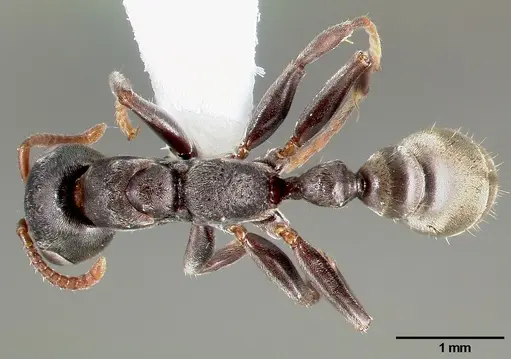
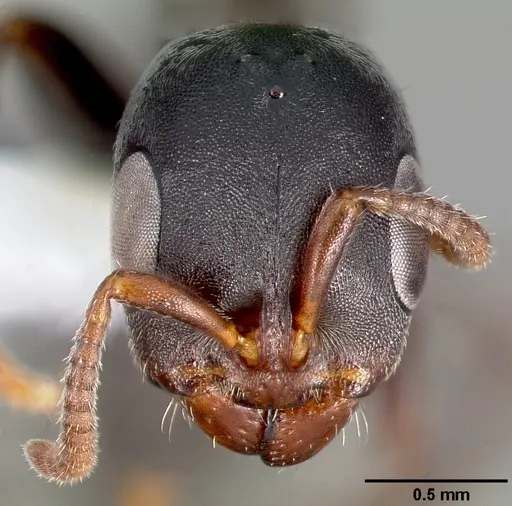
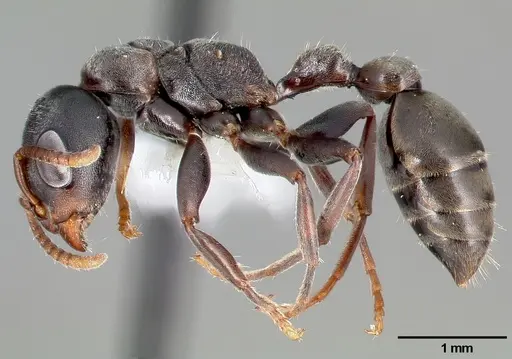
CASENT0902904
View on AntWeb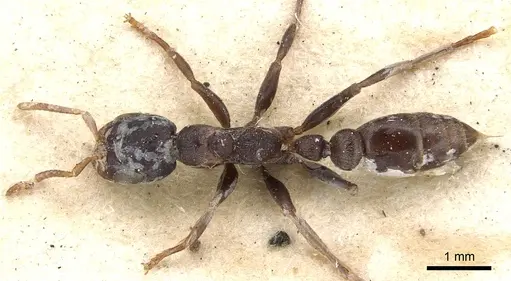
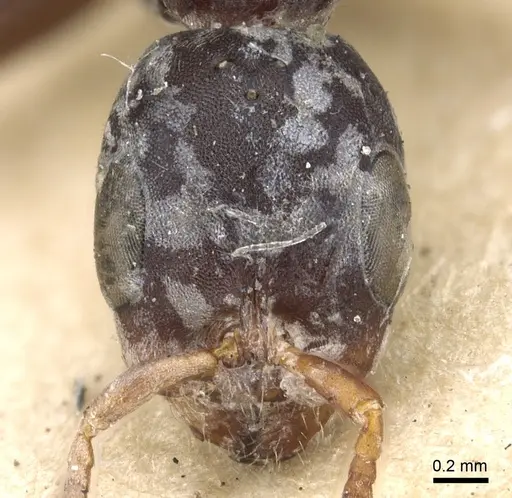
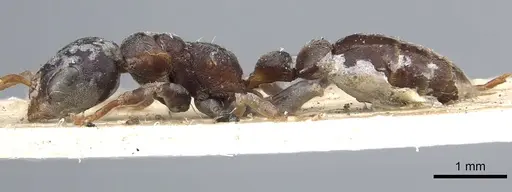
CASENT0902905
View on AntWeb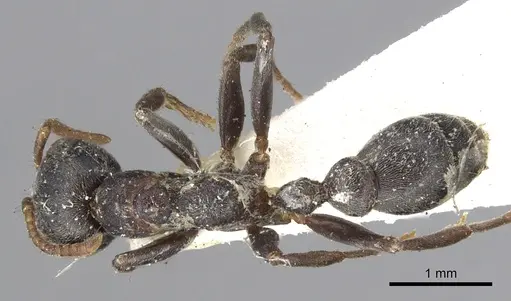
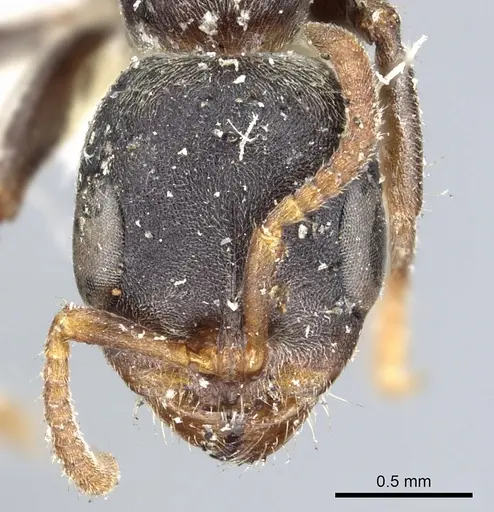
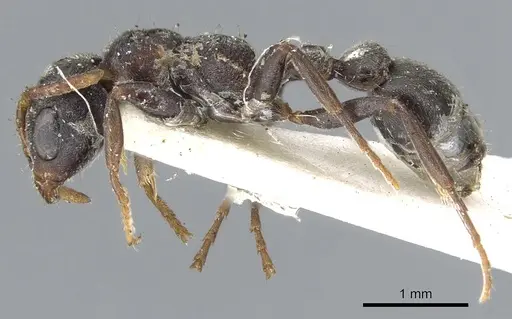
CASENT0904053
View on AntWeb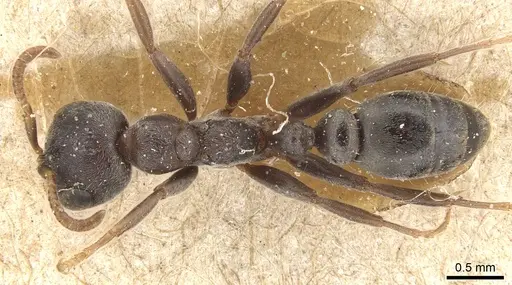
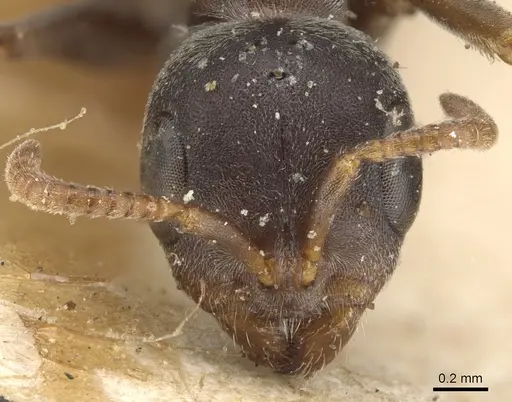
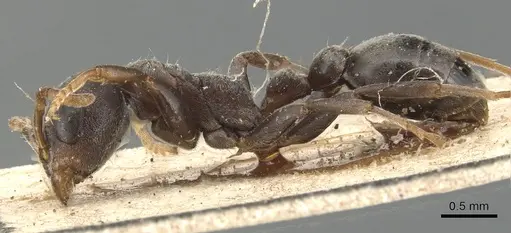
CASENT0915505
View on AntWeb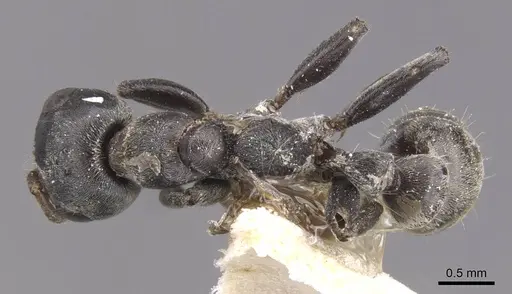
CASENT0916874
View on AntWeb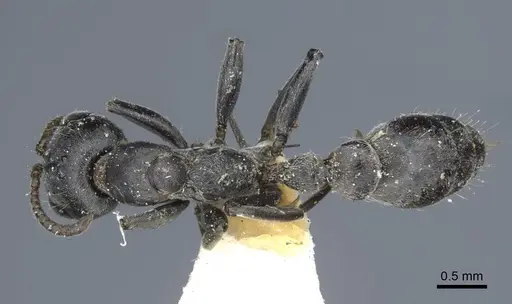
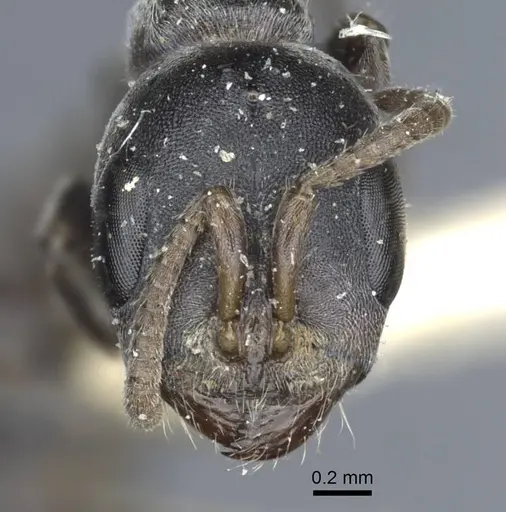
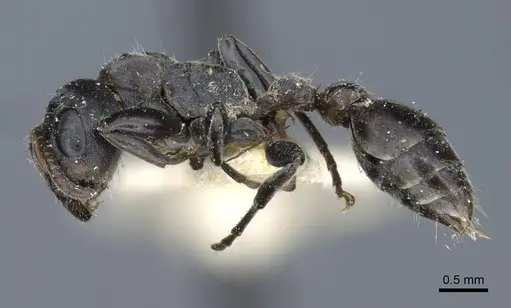
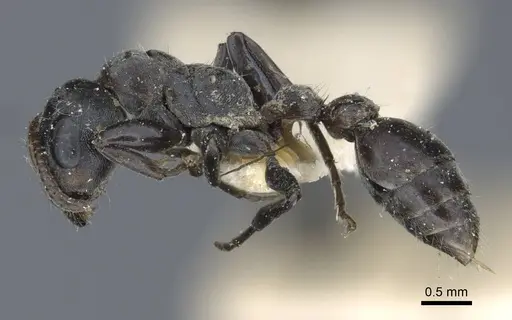
FOCOL0315-1
View on AntWeb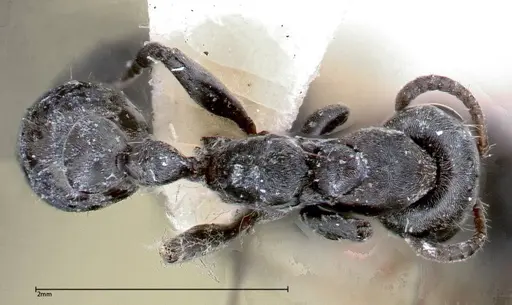
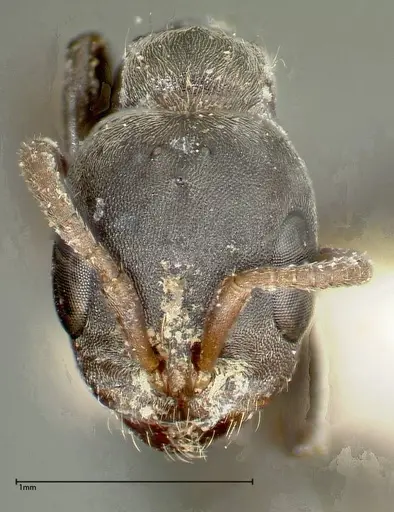
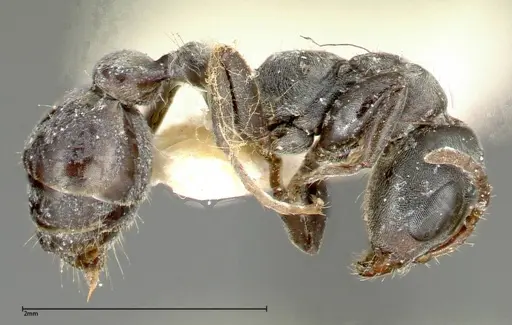
FOCOL0315-2
View on AntWeb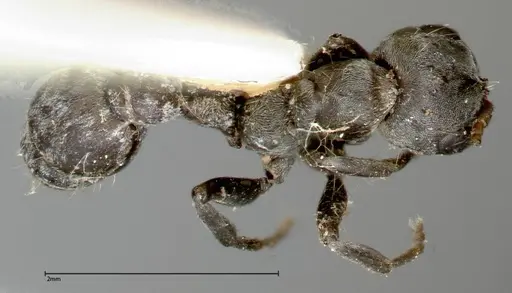
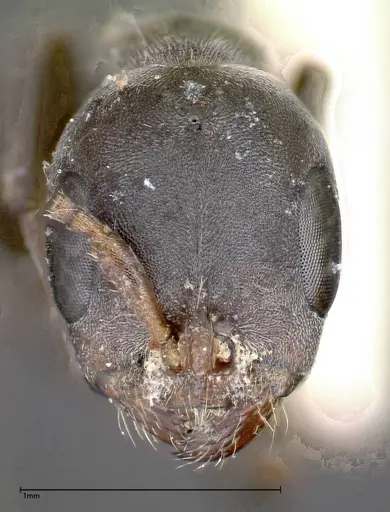
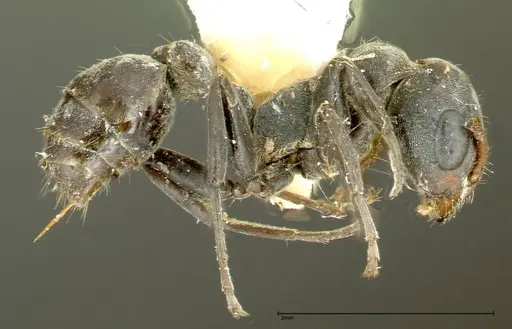
FOCOL0315-3
View on AntWeb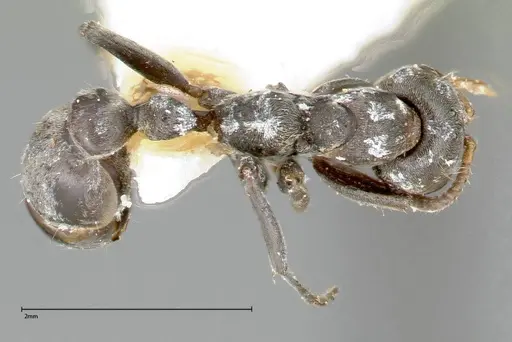
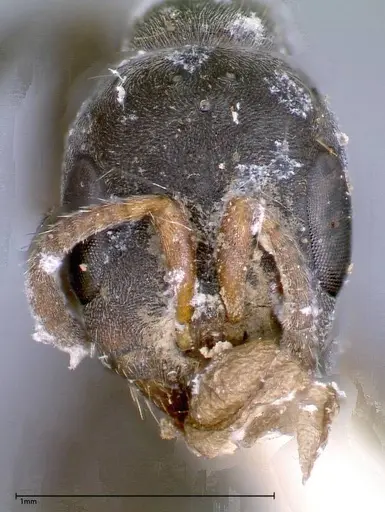
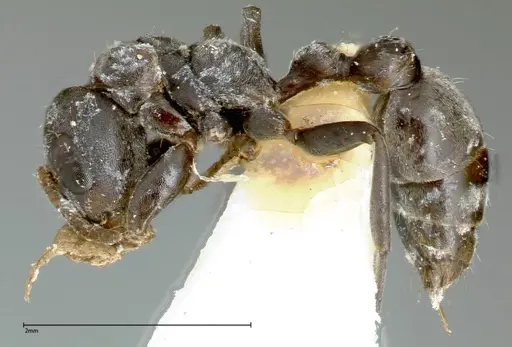
FOCOL0316-1
View on AntWeb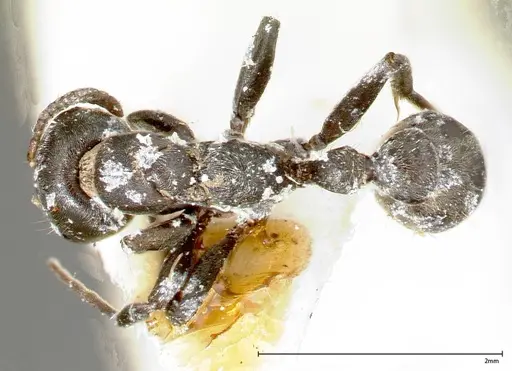
FOCOL0316-2
View on AntWeb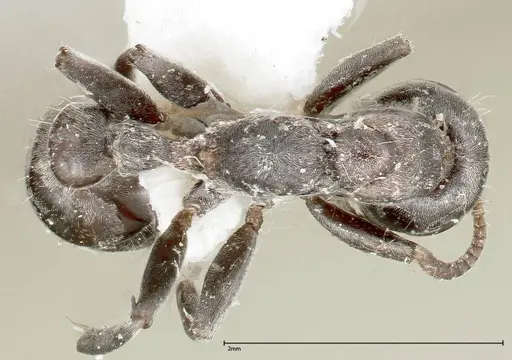
FOCOL0316-3
View on AntWeb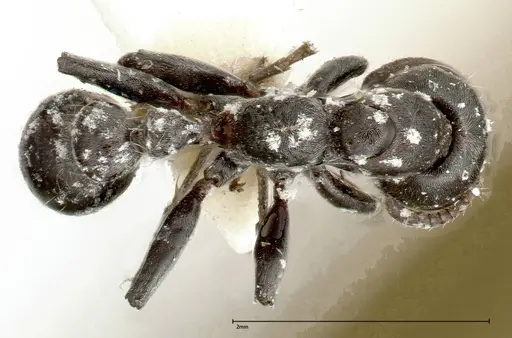
Literature
Loading distribution map...Loading products...