
Pseudomyrmex ferrugineus
- Sci. Name
- Pseudomyrmex ferrugineus
- Tribe
- Pseudomyrmecini
- Subfamily
- Pseudomyrmecinae
- Author
- Smith, 1877
- Distribution
- Found in 5 countries
Introduction
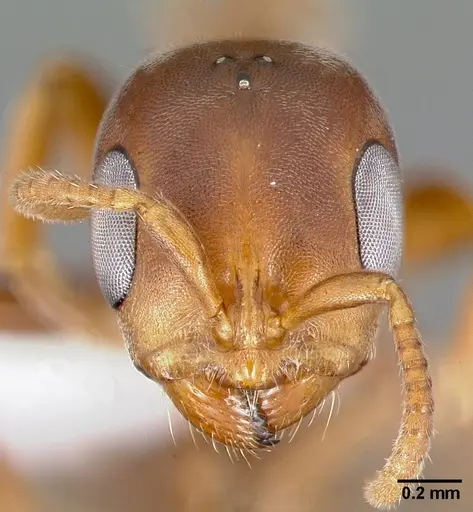
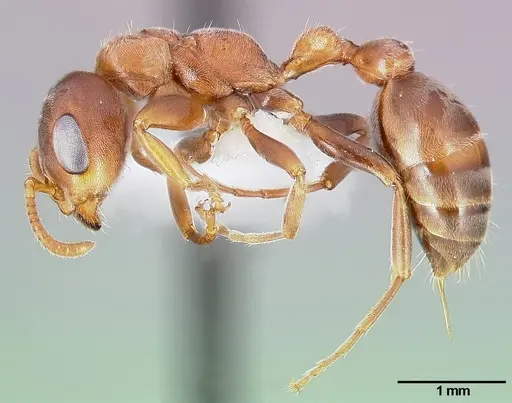
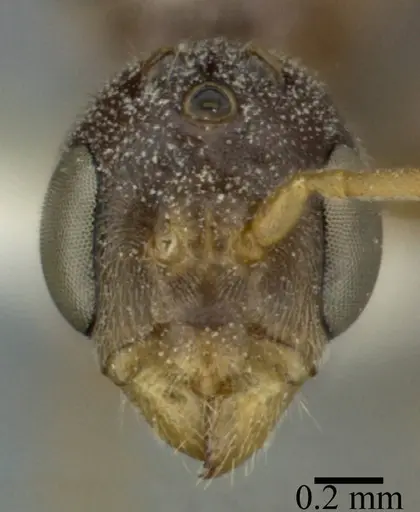
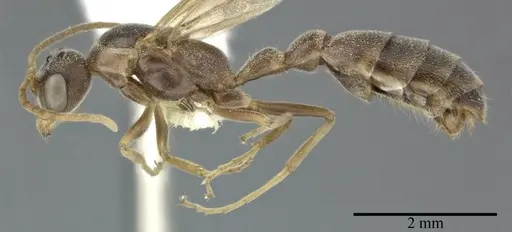
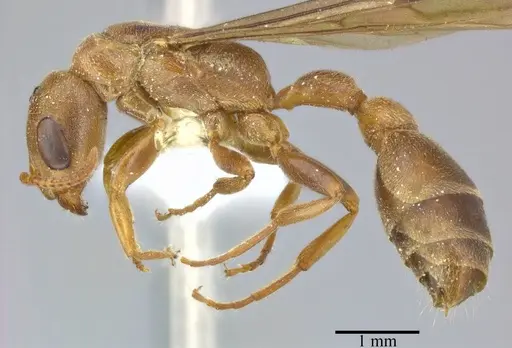
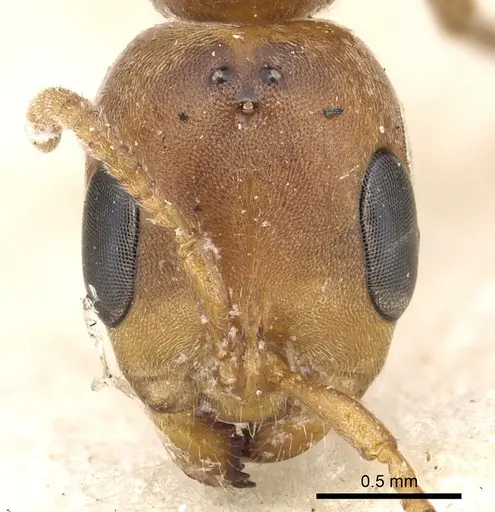
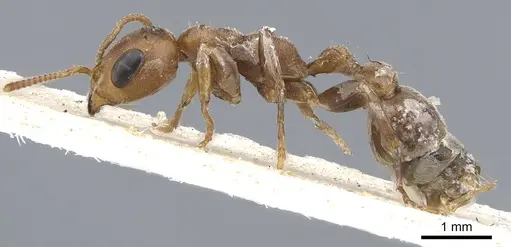
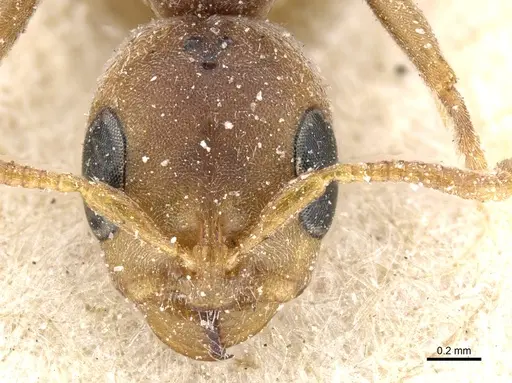
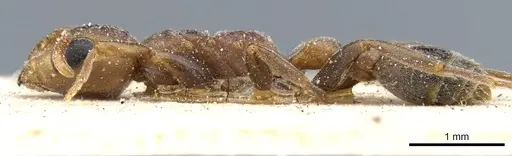
Pseudomyrmex ferrugineus is a medium-sized ant (body length not measured in literature) native to Mexico and Central America, recognizable by their variable brown coloration ranging from light reddish-brown to very dark brown, with the head and gaster often darker than the mesosoma . This species is one of the iconic acacia ants - they are obligate inhabitants of swollen-thorn acacia trees (Vachellia species), nesting exclusively inside the hollow thorns and defending their host plant from herbivores and competing plants . They are aggressive defenders with large eyes for good vision and a tenacious sting . Unlike most ants, they have a unique digestive specialization: workers lack invertase enzyme and cannot process sucrose, so they feed only on the sugar-free extrafloral nectar from their host plant, while larvae eat the protein-rich Beltian bodies .
Quick Summary
- Difficulty: Expert
- Origin & Habitat: Eastern and southern Mexico, Guatemala, Belize, El Salvador, and Honduras. They live exclusively in swollen-thorn acacia trees (Vachellia species) in tropical and subtropical habitats [1][6].
- Colony Type: Monogyne, single queen colonies. Workers are monomorphic (all the same size) [7][8]. A colony typically occupies one to two host plants, with about 40% workers and 60% brood [8].
- Size & Growth:
- Queen: Size data unavailable, not specifically measured in primary literature
- Worker: Body length not recorded in scientific literature, but described as medium-sized with head width exceeding 0.91 mm [1]
- Colony: Colony size not directly quantified. One colony can occupy 1-2 host plants, with approximately 40% workers and 60% brood [8]
- Growth: Moderate (estimated), insufficient data
- Development: Unknown, not studied for this species (No published data on development time. Tropical ants typically develop faster than temperate ones, but specifics are unknown.)
- Antkeeping:
- Temperature: Keep at 24-28°C, they are tropical ants from warm climates. Use a heating cable on one side of the nest if needed, placed on top to avoid excessive drying.
- Humidity: Moderate to high, they come from humid tropical environments. Keep nest substrate slightly moist but not waterlogged. Consistency matters more than a specific percentage.
- Diapause: No, as tropical ants, they do not require hibernation. Keep them at stable warm temperatures year-round [9].
- Nesting: This is the critical challenge, Pseudomyrmex ferrugineus is an obligate acacia ant. They have never been found nesting outside myrmecophytic Acacia plants in the wild [10]. In captivity, they require a living Acacia plant (Vachellia cornigera or similar) with hollow domatia (thorns) to truly thrive. This makes them essentially impossible to keep in standard formicariums. Some keepers have maintained them in naturalistic setups with artificial domatia, but success is extremely limited.
- Behavior: Pseudomyrmex ferrugineus is highly aggressive and an excellent defender of its host plant. Workers constantly patrol the plant and respond very quickly to threats, median first arrival to simulated herbivores is just 12 seconds [4]. They have large eyes indicating very good vision and are diurnal (active during the day). They use visual navigation and are very agile. Workers are monomorphic and show strong colony defense. Escape prevention is important: they are quick and will explore any gaps [4].
- Common Issues: obligate symbiont, cannot be kept in standard nests, requires living Acacia host plant., specialized diet, workers cannot digest sucrose, only accept sugar-free nectar sources., aggressive behavior makes them difficult to handle and increases sting risk., extremely difficult to establish in captivity without proper host plant., very limited captive breeding success, most attempts fail.
Why This Ant Is So Difficult to Keep
Pseudomyrmex ferrugineus is one of the most specialized ants in the world, they are obligate acacia mutualists. This means they have evolved to live only inside swollen-thorn acacia trees (Vachellia species) and have never been found nesting anywhere else in the wild [10]. The ants and the acacia trees have a mutualistic relationship: the acacia provides hollow thorns (domatia) for nesting and specialized food rewards (extrafloral nectar and Beltian bodies), while the ants protect the plant from herbivores and competing plants [2]. This extreme specialization is what makes them so challenging to keep. Unlike most ants that can adapt to various nest types, Pseudomyrmex ferrugineus absolutely requires a living acacia host to survive long-term. Even with an acacia plant, replicating their natural conditions is extremely difficult.
The Unique Digestive System
Pseudomyrmex ferrugineus has one of the most unusual digestive systems known in ants. Workers completely lack invertase enzyme, which means they cannot break down sucrose into glucose and fructose [5]. Workers feed exclusively on the sugar-free extrafloral nectar, while larvae have high invertase activity (224 ± 22 ng glucose per μg per minute) and eat the protein-rich Beltian bodies [5][8]. In captivity, you cannot feed workers standard sugar water or honey, they will not be able to digest it. Larvae can potentially accept protein foods, but success is uncertain. This digestive specialization is a major reason why captive husbandry is so challenging.
Aggressive Plant Defenders
These ants are famous for their aggressive defense of their host acacia plants. They patrol the plant constantly and respond incredibly fast to threats, in studies, the median response time to a simulated herbivore was just 12 seconds, with 50% of first arrivals occurring within that time [4]. They have large eyes for good vision, an aerodynamic body shape, and a tenacious sting. When threatened, they will readily attack and sting intruders. This aggression makes them effective defenders but also means they can be difficult to handle. For keepers, this translates to: use excellent sting protection, avoid disturbing the colony, and be prepared for defensive behavior if the nest is threatened. Their aggression also means they are very effective at clearing herbivores from their host plant, studies show plants colonized by Pseudomyrmex ferrugineus have significantly lower herbivory damage than uncolonized plants [4].
Colony Structure and Reproduction
Pseudomyrmex ferrugineus colonies are monogynous, they have a single queen per colony [7][8]. The colony structure shows approximately 40% workers and 60% brood at any given time [8]. One colony can occupy multiple host plants, studies show a single colony can inhabit up to 2 acacia plants, with an average of 1.56 plants per colony [8]. The relatedness among workers from the same acacia is very high (R=0.68-0.89), indicating strong genetic structure within colonies [8]. While most colonies have a single queen, a few alcohol-preserved nest series from Guatemala contained multiple dealate queens in apparently mature colonies, suggesting occasional polygyny may occur [9]. However, the typical structure is single-queen colonies.
Why Most Ant Keepers Should Avoid This Species
Unless you are a highly experienced antkeeper with specific access to acacia plants and the ability to create a naturalistic arboreal setup, this species should be avoided. The challenges are immense: they require a living acacia host plant with hollow thorns (domatia), cannot be kept in standard formicariums, have a highly specialized diet that excludes normal ant foods, and are aggressive defenders that will sting. There is very limited documented success in keeping this species in captivity. If you are interested in Pseudomyrmex ants, consider more adaptable species like Pseudomyrmex gracilis or Pseudomyrmex pallidus, which are more generalist in their nesting and diet preferences. If you specifically want to keep an acacia-ant mutualist, look for species that are less obligate in their requirements. The bottom line: Pseudomyrmex ferrugineus is best appreciated in the wild or by professional researchers with appropriate facilities. [10][4]
Frequently Asked Questions
Can I keep Pseudomyrmex ferrugineus in a test tube or formicarium?
No. This is an obligate acacia ant, they have never been found nesting outside swollen-thorn acacia trees in the wild. They require a living Acacia (Vachellia) plant with hollow domatia to survive. Standard test tubes and formicariums will not work [10][9].
What do Pseudomyrmex ferrugineus eat?
Workers feed exclusively on sugar-free extrafloral nectar from their host acacia plant, they cannot digest sucrose due to lacking invertase enzyme. Larvae eat the protein-rich Beltian bodies produced by the acacia. In captivity, you cannot feed workers normal sugar water or honey. Larvae might accept protein foods experimentally, but success is uncertain [5][10].
Do Pseudomyrmex ferrugineus ants sting?
Yes. They are aggressive defenders with a tenacious sting. They respond very quickly to threats (median 12 seconds to arrive at disturbance sites) and will readily attack intruders. Handle with caution [4].
Are Pseudomyrmex ferrugineus good for beginners?
No. This is an expert-level species due to their obligate dependence on living acacia plants, specialized digestive requirements, and aggressive behavior. Most attempts to keep this species in captivity fail. Beginners should start with more adaptable species [10].
How big do Pseudomyrmex ferrugineus colonies get?
Colony size is not well-documented in scientific literature. One colony can occupy 1-2 host plants, with approximately 40% workers and 60% brood. They are not huge colonies compared to some ant species [8].
Do Pseudomyrmex ferrugineus need hibernation?
No. As tropical ants from Mexico and Central America, they do not require hibernation or winter cooling. Keep them at stable warm temperatures (24-28°C) year-round [9].
Can I keep multiple Pseudomyrmex ferrugineus queens together?
No. This species is typically monogynous (single queen per colony). While occasional multi-queen colonies have been observed in the wild, combining unrelated queens is not recommended and has not been documented as successful in captivity [7][8].
Where does Pseudomyrmex ferrugineus live in the wild?
Eastern and southern Mexico, Guatemala, Belize, El Salvador, and Honduras. They are obligate inhabitants of swollen-thorn acacia trees (Vachellia species) including V. cornigera, V. collinsii, V. hindsii, and several other acacia species within their range [1][9].
Why can't I find this species for sale?
This species is extremely difficult to keep in captivity due to its obligate dependence on living acacia plants. There is very limited captive breeding success, and most ant keepers cannot provide the specialized conditions they require. They are not commonly available in the antkeeping hobby for these reasons [10].
What makes Pseudomyrmex ferrugineus different from other ants?
They are one of the most specialized mutualist ants in the world. Unlike most ants that can nest in various locations and eat diverse foods, Pseudomyrmex ferrugineus is completely dependent on acacia trees for shelter and food. They have evolved a unique digestive system where workers cannot process sucrose, making them entirely dependent on their host plant's specialized nectar. They are also among the fastest-reacting ant defenders, arriving at threats within seconds [10][5][4].
Report an Issue
The current care sheet is based fully on literature. See inconsistencies, or something that's incorrect? Please , it will be resolved after review from an admin. Contributing to the blogs tab also helps providing information, to make us be able to further improve the caresheets. Thank you for your support!
References

This caresheet is licensed under CC BY-SA 4.0 .
Community Blogs
CASENT0005785
View on AntWeb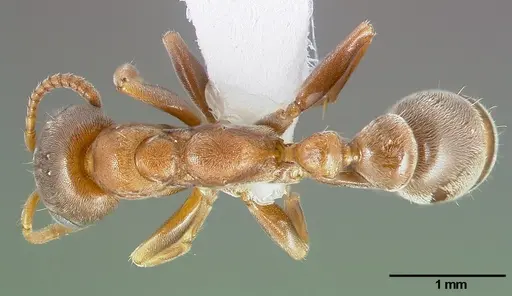
CASENT0246283
View on AntWeb
CASENT0246284
View on AntWeb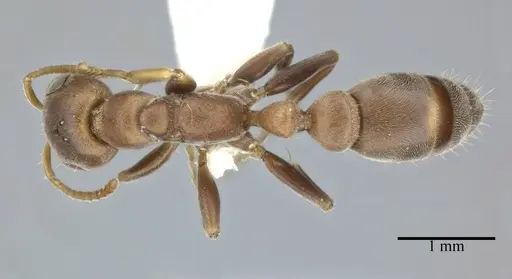
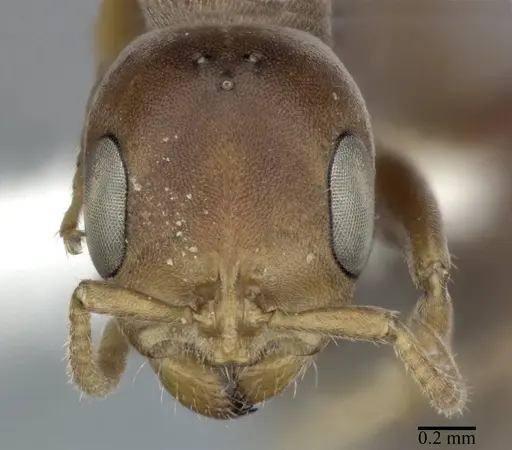
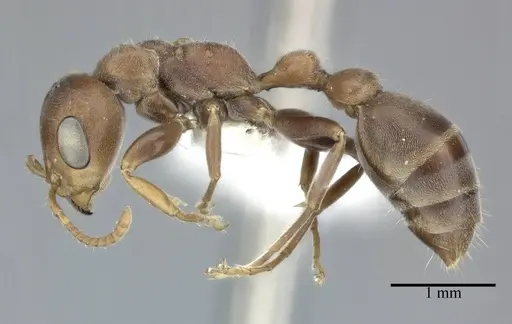
CASENT0246310
View on AntWeb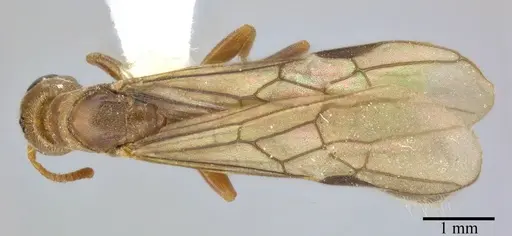
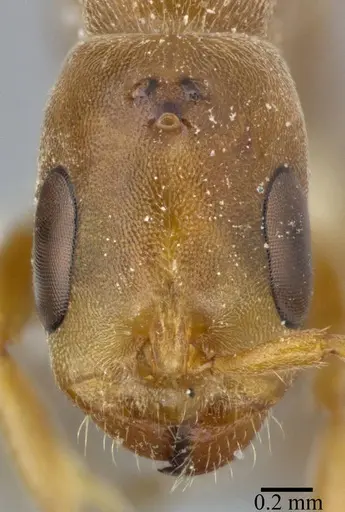
CASENT0902903
View on AntWeb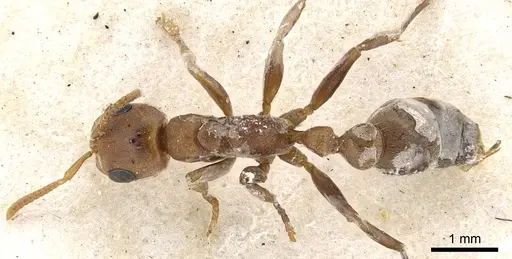
CASENT0904054
View on AntWeb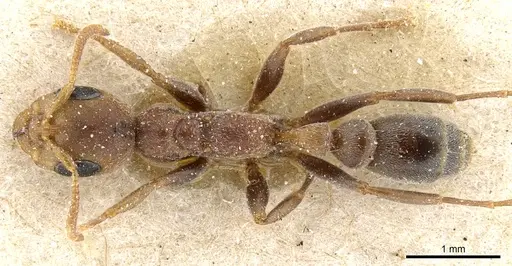
Literature
Loading distribution map...Loading products...