
Pseudomyrmex feralis
- Sci. Name
- Pseudomyrmex feralis
- Tribe
- Pseudomyrmecini
- Subfamily
- Pseudomyrmecinae
- Author
- Ward, 2017
- Distribution
- Found in 2 countries
Introduction
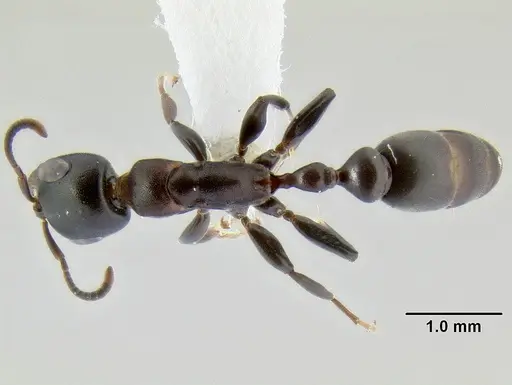
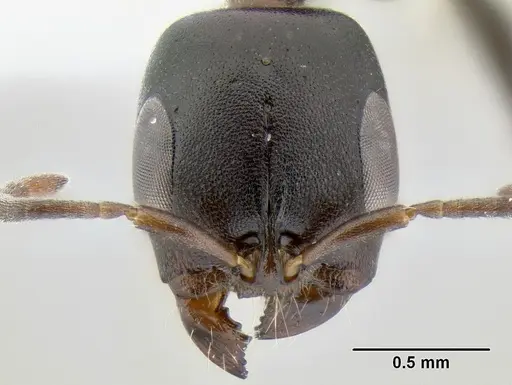
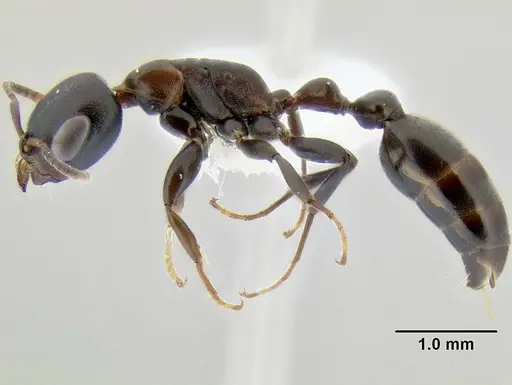
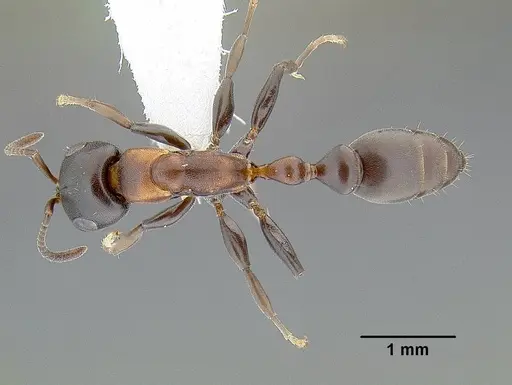
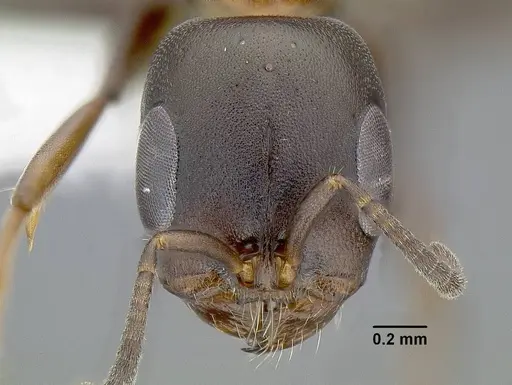
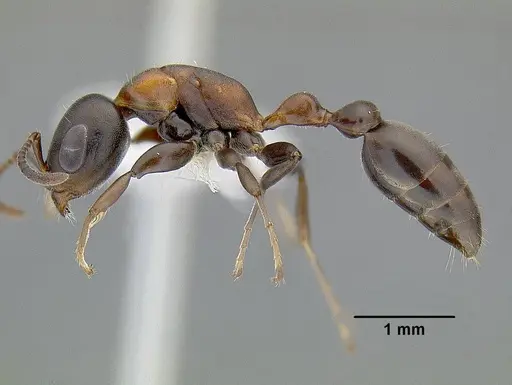
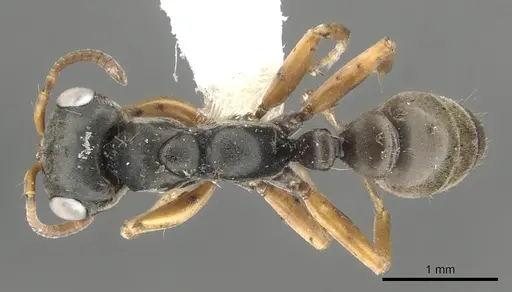
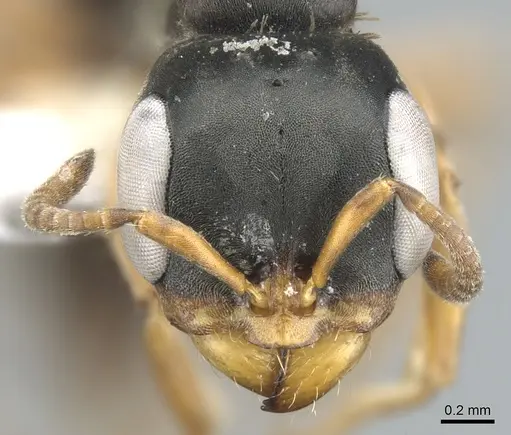
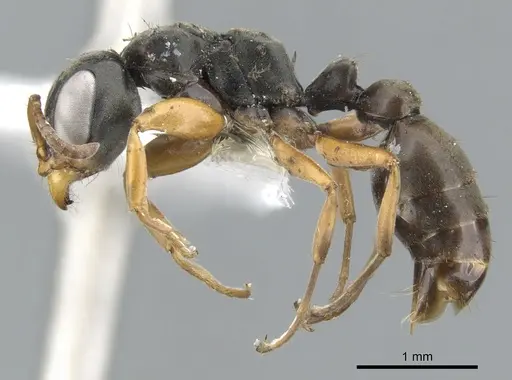
Pseudomyrmex feralis is a medium-sized ant native to the highlands of Guatemala, where it lives in montane rainforest and mixed tropical-temperate mesic forest at elevations between 1460 and 1900 meters . Workers have a head about 1 mm long, with relatively large eyes and a dark brown body. The pronotum, and sometimes other parts, are lighter brown . Unlike its close relatives (the famous acacia ants in the same species group), P. feralis is a generalist that does not form mutualistic relationships with Vachellia trees. Instead, it nests opportunistically in dead twigs and is a timid, large-eyed, diurnal species that forages during the day . This ant belongs to the Pseudomyrmex ferrugineus group and probably represents an independent lineage from the mutualistic acacia ants .
Quick Summary
- Difficulty: Easy
- Origin & Habitat: Guatemala highlands, montane rainforest and mixed tropical-temperate mesic forest at 1460-1900 m elevation [1]
- Colony Type: Likely single-queen colonies (monogyne) based on typical Pseudomyrmex patterns, though colony structure is not directly documented.
- Size & Growth:
- Queen: Not directly documented, estimated 6-8 mm based on the genus.
- Worker: Total length not directly measured, head length ~1.0-1.1 mm. Inferred from genus, workers probably reach 3-5 mm.
- Colony: Unknown, no wild colony size data available.
- Growth: Moderate, inferred from typical Pseudomyrmex development.
- Development: Estimated 6-10 weeks based on related Pseudomyrmex species at optimal temperature. (Development timeline not directly studied for this species, estimate based on genus patterns in similar habitats.)
- Antkeeping:
- Temperature: Keep around 20-24 °C. The high elevation habitat suggests they prefer cooler conditions than typical tropical ants. A temperature gradient allowing them to choose their preferred zone is ideal.
- Humidity: Moderate to high humidity. Keep the nest substrate consistently moist but not waterlogged. Use a test tube with a water reservoir or a formicarium with a water chamber.
- Diapause: Unknown. Given the high-elevation origin, a cool winter resting period may be beneficial, but this is not documented.
- Nesting: Test tubes work well for founding. For larger colonies, Y-tong (AAC) or plaster nests with narrow chambers mimic their natural dead‑twig nests. Never use acrylic nests.
- Behavior: Timid and non-aggressive, workers are uninclined to sting [1]. They are diurnal and large-eyed, actively foraging during daylight hours [2]. As they are small and can squeeze through tiny gaps, excellent escape prevention is essential.
- Common Issues: escape prevention is critical due to their small size, use fine mesh and tight-fitting barriers., high elevation origin means they may struggle in warm, dry conditions typical of indoor homes, keep cool and humid., colonies may be slow to establish, patience is needed during founding., wild-caught colonies may carry parasites that can cause colony failure., applying a fluon barrier around the outworld rim helps prevent escapes.
Natural History and Distribution
Pseudomyrmex feralis is endemic to the highlands of Guatemala, making it one of the more restricted species in the genus [1]. It lives in montane rainforest and mixed tropical-temperate mesic forest at elevations from 1460 to 1900 m [1]. Unlike its famous relatives (the acacia ants in the P. ferrugineus group), P. feralis is not a mutualist with Vachellia trees. Instead, it is a generalist that nests opportunistically in dead twigs of woody plants, especially Asteraceae [1][2]. This species was described in 2017 by Philip Ward and is considered an independent lineage within the ferrugineus group, separate from the mutualistic acacia ants [3]. Workers are timid and non-aggressive, with large eyes adapted for daytime foraging in the forest understory [2].
Housing and Nest Preferences
In captivity, Pseudomyrmex feralis will accept test tubes and Y‑tong (AAC) or plaster formicaria. Since they naturally nest in dead twigs, narrow chambers and passages will make them feel more at home. A test tube setup with a water reservoir works well for the founding stage, the queen will seal herself in and raise her first workers in the humid microclimate at the water end. For established colonies, you can transition to a formicarium with multiple chambers connected by tubing. Because they are small and diurnal, they are active during the day and appreciate a well-lit outworld. Ensure your setup has excellent escape prevention, these ants can squeeze through surprisingly small gaps. A thin barrier of fluon around the rim of the outworld helps prevent escapes. [1]
Temperature and Humidity Requirements
Based on their high-elevation Guatemalan habitat, these ants prefer cooler conditions than many tropical Pseudomyrmex species. Aim for a temperature range of 20-24 °C in the nest area, with some variation so the ants can choose their preferred zone. A heating cable on one side of the nest can create a gradient, but monitor to ensure temperatures do not exceed 26 °C. For humidity, maintain moderate to high levels consistent with montane rainforest conditions. Keep the nest substrate consistently moist but never waterlogged. A test tube with a water reservoir provides humidity through evaporation, while formicarium setups may need occasional misting or a water chamber. Avoid dry, warm conditions, which can quickly stress these ants. [1][2]
Feeding and Diet
As a Pseudomyrmex species, P. feralis is likely a generalist predator that also consumes honeydew from aphids. In captivity, offer a varied diet including small live prey such as fruit flies, pinhead crickets, and small mealworms. They will probably accept sugar sources like honey water or sugar water, especially given their diurnal foraging habits. Provide protein‑rich foods 2-3 times per week and keep a sugar source available constantly. Remove uneaten prey after 24-48 hours to prevent mold. Since they are timid foragers, make sure food is placed where they can easily find it in the outworld. Fresh‑killed prey may be more readily accepted than live prey when the colony is small. [2]
Behavior and Temperament
One of the most appealing aspects of Pseudomyrmex feralis for antkeepers is their gentle nature. Workers are described as non-aggressive and have no inclination to sting [1], making them one of the safest Pseudomyrmex species to handle. They are diurnal and large-eyed, actively foraging during daylight hours rather than at night [2]. Their timid nature means they are more likely to flee than fight when disturbed. However, do not let their gentle nature make you complacent about escape prevention, their small size means they are excellent escape artists. Provide them with a properly set‑up outworld with appropriate foraging space, and consider their diurnal habits when deciding where to place the colony in your room.
Colony Development and Growth
Colony founding for P. feralis likely follows the typical Pseudomyrmex pattern: a claustral queen seals herself in a small chamber (natural or artificial) and raises her first workers using stored fat reserves. The first workers (nanitics) will be smaller than normal workers but should emerge within 6-10 weeks under optimal conditions. After the first workers eclose, the colony enters a growth phase where the queen continues laying eggs and workers expand the nest and forage for food. Colonies probably grow at a moderate rate, though exact development timelines are not documented. Be patient during the founding stage, disturbing the queen or letting conditions fluctuate can cause colony failure. Once established, colonies should grow steadily with proper feeding and maintenance. [1][2]
Frequently Asked Questions
Is Pseudomyrmex feralis good for beginners?
Yes, this species is good for beginners. They are non-aggressive, do not sting, and have straightforward care requirements. The main challenges are escape prevention (due to small size) and maintaining proper humidity. As long as you provide appropriate humidity and temperature with good escape barriers, they are manageable for new antkeepers.
Do Pseudomyrmex feralis ants sting?
No, workers are non-aggressive and uninclined to sting [1]. This makes them one of the safer Pseudomyrmex species to keep, especially compared to some of the more aggressive acacia ants in the same group.
What temperature do Pseudomyrmex feralis need?
Keep them around 20-24 °C. Their high-elevation habitat in Guatemala means they prefer cooler conditions than typical tropical ants. A temperature gradient allowing them to choose their preferred zone is ideal, with the nest area at the cooler end.
How long does it take for Pseudomyrmex feralis to raise first workers?
Based on typical Pseudomyrmex development, expect first workers (nanitics) to emerge in about 6-10 weeks after the queen lays eggs. This timeline depends on temperature, warmer conditions within the acceptable range tend to speed development slightly.
Can I keep multiple Pseudomyrmex feralis queens together?
This has not been documented for this species. Based on typical Pseudomyrmex patterns, they are likely monogyne (single-queen colonies). It is not recommended to combine unrelated foundress queens, as they may fight.
What do Pseudomyrmex feralis eat?
They are generalist foragers. Offer small live prey like fruit flies, pinhead crickets, and small mealworms for protein. They will also likely accept sugar sources like honey water or sugar water. Provide protein 2-3 times per week and keep sugar available constantly.
Do Pseudomyrmex feralis need hibernation?
Unknown. Given their high-elevation origin, a cool winter rest period might be beneficial, but this is not documented. Provide a cooler period (around 15-18 °C) during winter months, reducing feeding but maintaining some humidity, and observe the colony.
How big do Pseudomyrmex feralis colonies get?
Exact colony size is unknown, no wild colony data is available. Based on related Pseudomyrmex species, colonies likely reach several hundred workers over time.
What type of nest is best for Pseudomyrmex feralis?
Test tubes work well for founding colonies. For established colonies, Y-tong (AAC) or plaster nests with narrow chambers suit their natural preference for dead twig nesting. Avoid acrylic nests. Ensure good humidity retention in whatever setup you choose.
Why are my Pseudomyrmex feralis dying?
Common causes include: dry conditions (they need moderate to high humidity), temperatures that are too warm (keep below 26 °C), escape-related losses (use fine mesh barriers), and stress from disturbance during founding. Check your humidity levels first, dry conditions kill these high-elevation ants quickly.
Report an Issue
The current care sheet is based fully on literature. See inconsistencies, or something that's incorrect? Please , it will be resolved after review from an admin. Contributing to the blogs tab also helps providing information, to make us be able to further improve the caresheets. Thank you for your support!
References

This caresheet is licensed under CC BY-SA 4.0 .
Community Blogs
Literature
Loading distribution map...Loading products...