
Pseudomyrmex fasciatus
- Sci. Name
- Pseudomyrmex fasciatus
- Tribe
- Pseudomyrmecini
- Subfamily
- Pseudomyrmecinae
- Author
- Ward & Branstetter, 2022
- Distribution
- Found in 5 countries
Introduction
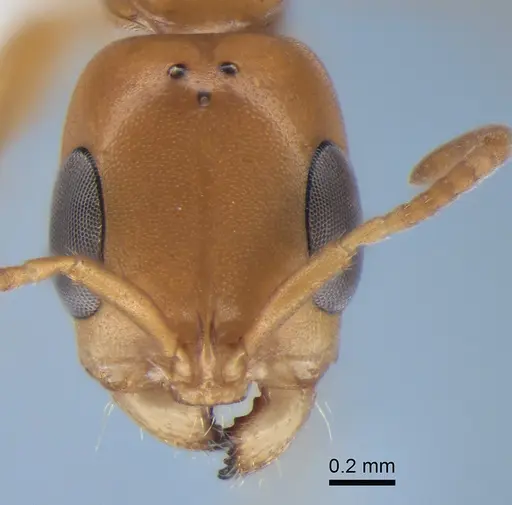
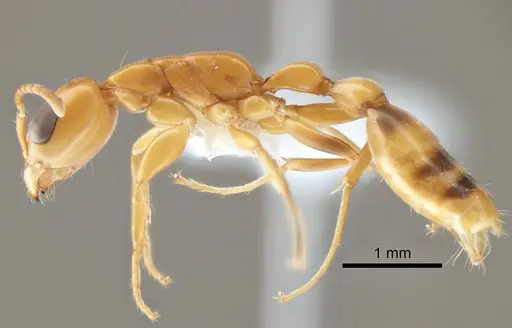
Pseudomyrmex fasciatus is a small Mesoamerican ant that runs from Chiapas, Mexico down to Costa Rica . Workers are tiny - body length hasn't been formally measured, but their head width is about 0.9 mm. They have a moderately long head and big eyes, and their color is a light yellow- to orange-brown, with dark brown patches on the first abdominal segment and bold transverse bands on the second and third segments . These ants nest inside dead twigs of vines and orchids, especially in montane forests between 750 m and 1,600 m elevation . Because they live at higher elevations, they need cooler, moister conditions than most tropical ants.
Quick Summary
- Difficulty: Medium
- Origin & Habitat: Mesoamerica: Chiapas (Mexico) through Guatemala, Honduras, El Salvador, Nicaragua, into Costa Rica [1][2]. Found in montane rainforest edges, montane wet forest, montane moist forest, and second‑growth forest edges at elevations of 750-1,600 m (mean 1,115 m) [1].
- Colony Type: Colony structure is unconfirmed. Based on typical Pseudomyrmex patterns, colonies are likely single‑queen (monogyne).
- Size & Growth:
- Queen: Size data unavailable, no total length recorded. Body length likely similar to workers but slightly larger, head width reported as 0.84-0.94 mm (workers) but queen head width not given separately [1].
- Worker: Size data unavailable, no total length recorded. Head width 0.84-0.94 mm [1], inferred from genus Pseudomyrmex that body length is roughly 4-6 mm.
- Colony: Unknown, likely under 500 workers based on twig‑nesting habit, but exact maximum not documented.
- Growth: Moderate, estimated based on related species.
- Development: Estimated 6-10 weeks based on genus patterns (Development timeline not directly studied, estimate assumes optimal temperatures around 22 °C.)
- Antkeeping:
- Temperature: Cooler than tropical, aim for 20-24 °C. Their montane origin (750-1,600 m) suggests they don't handle heat well. Provide a gentle temperature gradient so workers can choose their comfort zone [1].
- Humidity: Moderate to high, keep nest substrate consistently damp but never waterlogged. Mimic the moisture inside a dead twig in a montane forest. Good ventilation is essential to prevent mold [1].
- Diapause: Yes, inferred from montane habitat. Likely needs a winter rest period of 2-3 months at cooler temperatures (15-18 °C).
- Nesting: Natural nests are in dead twigs and hollow plant stems. In captivity use small Y‑tong (AAC) or plaster nests with narrow chambers, or naturalistic setups with actual twigs. Avoid acrylic nests. Chambers should be sized for tiny workers, too much space can stress the colony [1].
- Behavior: Workers are active, alert foragers that move quickly. Their large eyes suggest they rely on vision to hunt small invertebrates and tend honeydew‑producing insects. They will defend their nest with a sting if disturbed, but are not aggressive toward keepers on a daily basis. Because of their small size (head under 1 mm), escape prevention is critical, use very fine mesh on all openings.
- Common Issues: tiny workers escape easily, you need ultra‑fine mesh on every opening, montane species may struggle in warm, dry rooms, keep cool and moist, colony stays small, don't expect hundreds of workers quickly, winter dormancy is likely required, skipping it can stress the queen and shorten colony life, humidity without airflow leads to mold, ventilate the nest gently, wild‑caught colonies often carry parasites that kill the colony in captivity
Natural History and Distribution
Pseudomyrmex fasciatus lives in the mountains of Mesoamerica, from Chiapas, Mexico south through Guatemala, Honduras, El Salvador, Nicaragua, and into Costa Rica [1][2]. Most records come from elevations between 750 m and 1,600 m (average around 1,115 m), in habitats like montane rainforest edges, wet forest, moist forest, and second‑growth forest edges [1]. This elevation preference is important for keepers, these ants are used to mild, often misty conditions, not the heat of lowland jungles. The species was formally described in 2022, DNA studies show it is a close relative of Pseudomyrmex cognatus, though the two look very different (P. cognatus is dark brown to black) [1].
Nest Preferences and Housing
In the wild, Pseudomyrmex fasciatus nests inside dead twigs of vines and orchids, they've been collected from Oncidium wentworthianum and Epidendrum atropurpurium [1]. This means they need tight, narrow cavities in captivity. Use small Y‑tong (AAC) or plaster nests with chambers that match their tiny size, or offer hollow twigs in a naturalistic setup. Avoid acrylic nests. Keep the nest substrate consistently damp but well‑ventilated to stop mold. Because the workers are tiny (head width ~0.9 mm), any openings must be blocked with very fine mesh or cotton to prevent escapes [1].
Temperature and Seasonal Care
Because these ants come from higher elevations, they prefer cooler conditions than most tropical species. Aim for 20-24 °C, a heating cable on one side of the nest can create a temperature gradient so workers can pick their spot. During winter, reduce temperatures to 15-18 °C for 2-3 months to mimic the natural rest period at their montane origin. Skipping this dormancy may wear out the queen and cause colony decline. Feed lightly during the rest phase and let the colony slow down [1].
Feeding and Diet
Pseudomyrmex ants are predators and scavengers. Offer small live prey like fruit flies, pinhead crickets, or tiny mealworms, plus a constant sugar source (honey water or sugar water). Their large eyes suggest they hunt by sight during the day. Feed protein 2-3 times per week and remove leftovers after 24 hours. A small water source (in a test tube or water feeder) should always be available [1].
Behavior and Colony Dynamics
Workers are fast, alert, and visually oriented. They will defend their nest with a sting but are not aggressive toward keepers outside the nest. Colonies are probably small to moderate, don't expect thousands of workers. The queen will produce brood continuously once the colony is established. Because of their tiny size, escapes are a real risk: use fine mesh on all vents and entry points. If disturbed, workers may scatter and be hard to contain, so handle the nest gently [1].
Frequently Asked Questions
How long does it take for Pseudomyrmex fasciatus to produce first workers?
This hasn't been studied directly. Based on typical Pseudomyrmex development, expect 6-10 weeks from egg to first worker at 22 °C. Growth is moderate, don't expect a fast colony.
What temperature do Pseudomyrmex fasciatus ants need?
Keep them at 20-24 °C. Their montane origin (750-1,600 m) means they prefer cooler conditions than typical tropical ants. A small temperature gradient in the nest is ideal [1].
Can I keep Pseudomyrmex fasciatus in a test tube?
Yes, test tubes work well for founding colonies. Use a narrow tube (small diameter) with a modest water reservoir. Once the colony reaches about 20 workers or the tube becomes crowded, transfer them to a small Y‑tong or plaster nest with narrow chambers.
Do Pseudomyrmex fasciatus ants need hibernation?
Yes, it is likely required. As a montane species from higher elevations, they probably need a winter rest of 2-3 months at 15-18 °C. This mimics their natural seasonal cycle and helps keep the colony healthy long‑term [1].
What do Pseudomyrmex fasciatus eat?
They accept small live prey (fruit flies, tiny crickets) and sugar sources (honey water, sugar water). Feed protein 2-3 times per week and keep sugar constantly available. This matches their likely predatory‑omnivorous diet.
Are Pseudomyrmex fasciatus good for beginners?
They are rated Medium difficulty. Their small size, specific temperature needs (cooler than typical tropicals), and likely winter dormancy make them better for keepers with some experience. Beginners should be prepared for these extra requirements.
How big do Pseudomyrmex fasciatus colonies get?
Colony size is not well documented. Based on their twig‑nesting habit, colonies probably stay small to moderate, likely under 500 workers. Growth is gradual over months and years.
Do Pseudomyrmex fasciatus ants sting?
Like most Pseudomyrmex species, they have a sting and will use it to defend the nest. Their small size means the sting is mild to humans, but it can still be painful if you're sensitive. Handle the nest gently.
Why are my Pseudomyrmex fasciatus dying?
Common causes: temperatures too warm (they prefer cooler conditions), low humidity, lack of winter dormancy, or parasites from wild‑caught colonies. Keep the nest below 24 °C, provide steady moisture, and consider a winter rest. Wild‑caught colonies often carry parasites that can kill them in captivity.
When should I move Pseudomyrmex fasciatus to a formicarium?
Move them once the colony has about 20 workers and the test tube is getting crowded. Choose a nest with chambers sized for tiny workers, too much empty space can stress the colony. Make sure the new nest holds humidity well.
Report an Issue
The current care sheet is based fully on literature. See inconsistencies, or something that's incorrect? Please , it will be resolved after review from an admin. Contributing to the blogs tab also helps providing information, to make us be able to further improve the caresheets. Thank you for your support!
References

This caresheet is licensed under CC BY-SA 4.0 .
Community Blogs
CASENT0863540
View on AntWeb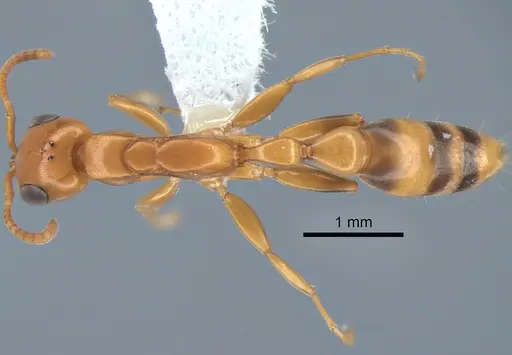
Literature
Loading distribution map...Loading products...