
Pseudomyrmex faber
- Sci. Name
- Pseudomyrmex faber
- Tribe
- Pseudomyrmecini
- Subfamily
- Pseudomyrmecinae
- Author
- Smith, 1858
- Distribution
- Found in 5 countries
Introduction
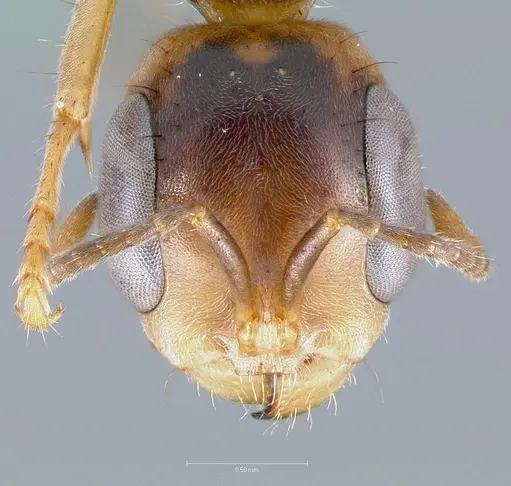
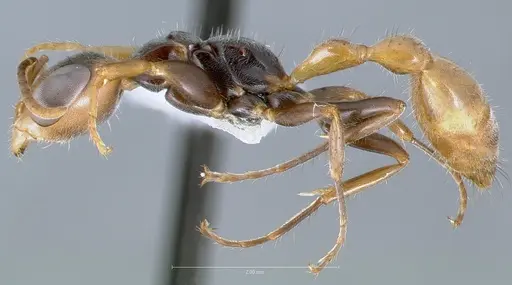
Pseudomyrmex faber is a slender, elongated ant species native to the Neotropical region, found across Brazil, Colombia, Costa Rica, Ecuador, French Guiana, Guyana, Panama, Suriname, and Peru . Workers are typically around 6-7mm with a long, narrow body and long legs - these are the 'twig ants' that live in hollow twigs and branches. They are strictly arboreal, nesting in tree cavities and collected at low heights around 2 meters above ground in rainforests . This species was first described by Fred Smith in 1858 from Ega, Brazil . The name *Pseudomyrma perforator* was later recognized as a synonym .
Quick Summary
- Difficulty: Medium
- Origin & Habitat: Neotropical rainforests from Brazil to Panama, typically in lowland and premontane forests up to 980 m elevation. They are strictly arboreal, nesting in hollow twigs, dead branches, and tree cavities [4][2].
- Colony Type: Colony structure is not well documented. Based on genus patterns, *Pseudomyrmex* species typically form single-queen colonies, but this has not been confirmed for *P. faber*. They nest in small cavities in trees.
- Size & Growth:
- Queen: Size data unavailable, based on *Pseudomyrmex* genus, queens are likely around 7-9mm (inferred).
- Worker: Size data unavailable, based on *Pseudomyrmex* genus, workers are typically around 6-8mm (inferred) [5].
- Colony: Likely moderate, estimated from arboreal *Pseudomyrmex* patterns (up to a few hundred workers).
- Growth: Moderate, estimated based on tropical ant development.
- Development: 6-8 weeks, estimated from related tropical *Pseudomyrmex* at 24-28°C. (Development time is an estimate. Warmer temperatures within the safe range may speed it up.)
- Antkeeping:
- Temperature: Keep at 24-28°C (warm tropical conditions). Create a gentle thermal gradient using a heating cable on one side of the nest. Room temperature is often too cool [1].
- Humidity: High humidity (70-85%), these are rainforest ants. Keep the nest substrate consistently moist but not waterlogged. Provide a water tube for drinking [4].
- Diapause: No, as a tropical species, they do not require hibernation. Keep them warm year-round.
- Nesting: Arboreal setup is critical. Use a Y-tong (AAC) nest, plaster, or a naturalistic setup with hollow twigs and branches. They do not do well in standard test tube setups, they need vertical, snug chambers that mimic tree cavities. Provide climbing structures in the outworld.
- Behavior: These ants are active, predatory foragers. Workers hunt individually for small insects and are not generally aggressive toward humans, but will defend their nest if disturbed. They are quick and agile, so secure all gaps. Their slender bodies (about 6mm) allow them to slip through small cracks, but escape risk is manageable. They patrol their foraging area actively and are comfortable on vertical surfaces.
- Common Issues: arboreal nesting requirement, standard test tube setups often cause colony failure because they mimic ground nests, not tree cavities., temperature sensitivity, room temperature is often too cool, sluggish behavior and poor brood development indicate a need for more warmth., humidity management, too dry causes desiccation, too wet leads to mold. Aim for consistently moist substrate., small colony fragility, wild-caught colonies may be small and sensitive to disturbance during establishment., escape risk, slender and quick, but manageable with tight-sealing enclosures.
Housing and Nest Setup
The most important part of keeping Pseudomyrmex faber is giving them arboreal housing. In the wild they nest in hollow twigs and branches in trees, so they need tight, enclosed chambers, not open test tubes. A Y-tong (AAC) or plaster nest works well. Avoid acrylic nests (they don't breathe well). Set the nest vertically or at an angle, and add climbing structures like twigs or mesh in the outworld. Provide a water tube attached to the nest for drinking. Keep the nest snug, large open spaces will stress the colony. If you find a colony in a natural twig, you can transfer the entire twig into an enclosure, but gradually move them to a more permanent nest once they are established [4][1].
Feeding and Diet
These ants are predators. They hunt small live insects like fruit flies, small crickets, and mealworms. Offer protein-rich prey every 2-3 days. They will also take sugar water or honey water occasionally, but protein is essential. Remove uneaten prey after 24 hours to prevent mold. Keep the diet varied, switching between different insect types ensures balanced nutrition. Workers may also scavenge dead insects if freshly killed [1].
Temperature and Heating
As a tropical species, Pseudomyrmex faber needs constant warmth, ideally 24-28°C. Room temperature is often too low, you'll likely need a heating cable on one side of the nest to create a gradient. Place the cable on top or along one side so the ants can choose their preferred spot. Monitor behaviour: if they cluster away from the heat, it's too hot, if they stay on the heat source and seem sluggish, it's too cold. Consistent warmth is key, there's no winter rest period for this species [1].
Humidity Management
High humidity (70-85%) is essential, these ants come from rainforests. Keep the nest substrate consistently moist but not waterlogged. Check daily and add water drops when the top layer starts to dry, rather than on a fixed schedule. A water tube attached to the nest gives them drinking access. Condensation on the walls is a good sign. Avoid placing the nest near heat sources that dry it out. A hygrometer helps, but you can also judge by feel: the nest substrate should be damp to the touch, not dry [4].
Colony Establishment
If you catch a wild queen or colony, handle them gently. Queens are usually found in dead twigs on trees. Try to keep as many workers as possible with the queen, a small group is more resilient. Minimise disturbance during the first weeks. Once the colony accepts the nest, they'll start foraging and the queen will lay eggs. The first workers (nanitics) will be smaller than normal but quickly take over tasks. Growth will be steady as long as you provide warmth, humidity, and regular feeding. Patience is important, this species is not a fast grower [1].
Frequently Asked Questions
Can I keep Pseudomyrmex faber in a test tube?
Test tube setups are not suitable. These ants need arboreal-style housing like a Y-tong or plaster nest with tight, vertical chambers. Test tubes mimic ground nests and can lead to stress and failure. Always use a nest that replicates hollow twigs or tree cavities [1].
What do Pseudomyrmex faber ants eat?
They are predators that hunt small insects. Offer fruit flies, small crickets, or mealworms every 2-3 days. They also accept sugar water occasionally, but protein should be the main food. Remove uneaten prey after 24 hours [1].
How long does it take for Pseudomyrmex faber to develop from egg to worker?
Development time is unknown for this specific species. Based on related tropical Pseudomyrmex, expect about 6-8 weeks at 24-28°C. Warmer temperatures speed development, cooler slows it. The first workers (nanitics) are smaller than normal [1].
Do Pseudomyrmex faber ants need hibernation?
No, they are tropical and active year-round. Keep them warm (24-28°C) all year with no winter rest period [1].
Are Pseudomyrmex faber ants good for beginners?
They are rated Medium difficulty. They need specific arboreal housing, warm temperatures, and high humidity, so they're not ideal for a first ant species. Some antkeeping experience is helpful [1].
Do Pseudomyrmex faber ants sting?
Yes, like other Pseudomyrmecinae they have a sting and will use it to defend their nest. The sting is not medically significant for humans but can be painful. They are not aggressive toward keepers unless threatened [1].
How big do Pseudomyrmex faber colonies get?
Based on genus patterns, colonies likely reach moderate sizes, up to a few hundred workers. They are not among the largest ant species. Growth is moderate, so expect several months to reach a decent population [1].
When should I move Pseudomyrmex faber to a formicarium?
If you have a colony in a natural twig, wait until they are actively foraging and have at least a dozen workers before moving them. Transfer during the evening when they are less active, and try to move the entire twig content to preserve scent markers. Use a Y-tong or plaster nest [1].
Why is my Pseudomyrmex faber colony dying?
Most often it's because of wrong temperature (too cold), low humidity, or inappropriate housing. Check that you have warm conditions (24-28°C), high humidity (70-85%), and an arboreal nest. Wild-caught colonies may also bring parasites. Adjust these factors first [1].
Can I keep multiple Pseudomyrmex faber queens together?
It's not recommended. Colony structure is unconfirmed, but most Pseudomyrmex are monogyne. Combining unrelated queens would likely cause fighting. Keep one queen per colony [1].
Report an Issue
The current care sheet is based fully on literature. See inconsistencies, or something that's incorrect? Please , it will be resolved after review from an admin. Contributing to the blogs tab also helps providing information, to make us be able to further improve the caresheets. Thank you for your support!
References

This caresheet is licensed under CC BY-SA 4.0 .
Community Blogs
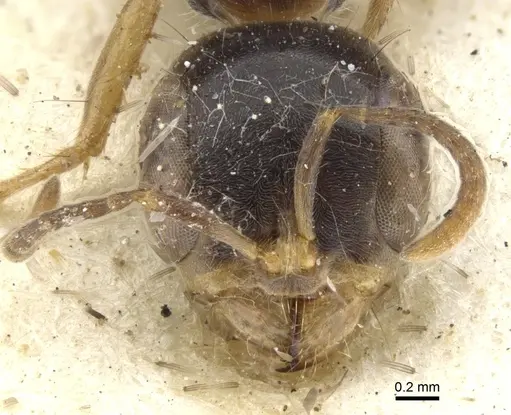
CASENT0005836
View on AntWeb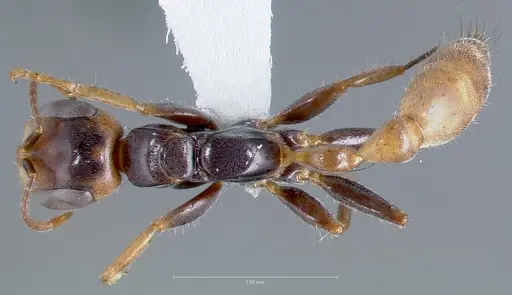
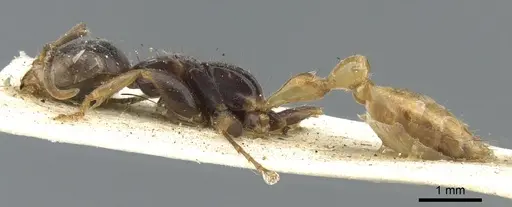
CASENT0902849
View on AntWeb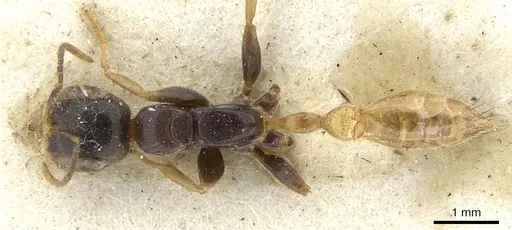
Literature
Loading distribution map...Loading products...