
Pseudomyrmex euryblemma
- Sci. Name
- Pseudomyrmex euryblemma
- Tribe
- Pseudomyrmecini
- Subfamily
- Pseudomyrmecinae
- Author
- Forel, 1899
- Distribution
- Found in 12 countries
Introduction
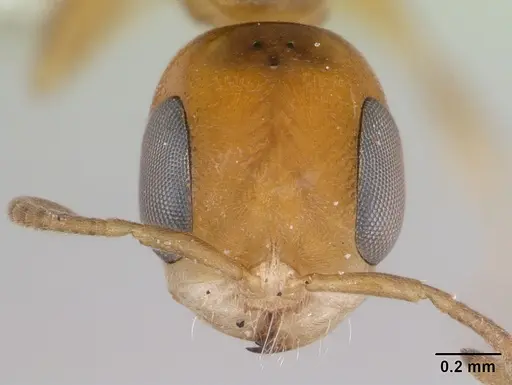
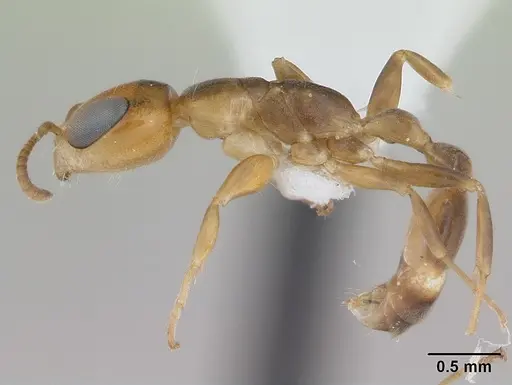
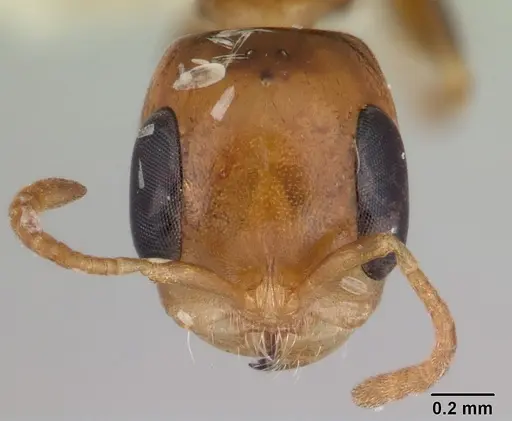
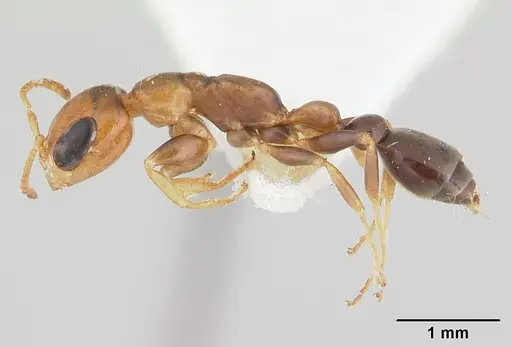
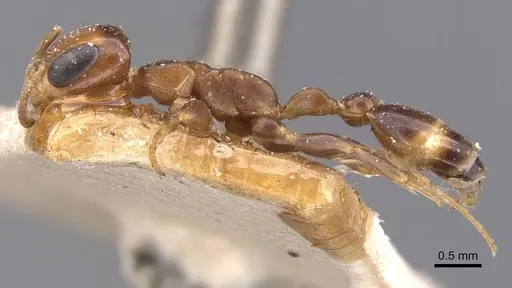
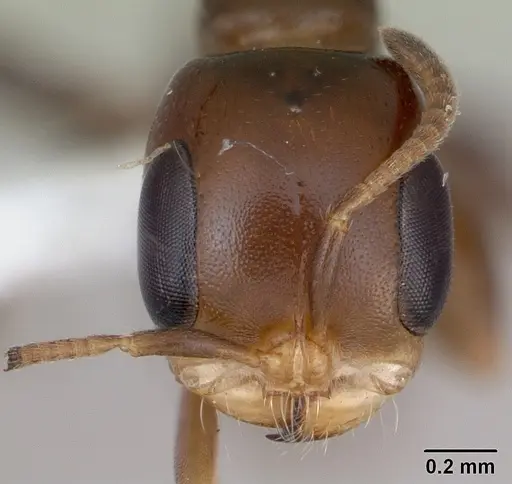
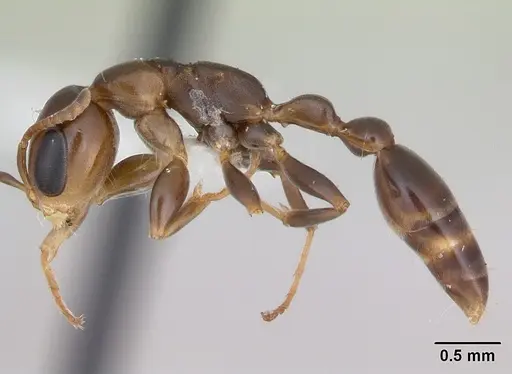
Pseudomyrmex euryblemma is a Neotropical ant species belonging to the subfamily Pseudomyrmecinae. Workers are about 5mm long and dark brown . They belong to the P. pallidus group (identified by a laterally angulate median clypeal lobe in workers and queens) and the P. sericeus group . This species ranges from Mexico through Central America (Costa Rica, Guatemala) to South America (Colombia, French Guiana, Paraguay, Argentina, and recently in Pará, Brazil) . They have been collected in forest canopy habitats and at elevations around 1500m .
Quick Summary
- Difficulty: Medium
- Origin & Habitat: Neotropical region, from Mexico to Argentina and Brazil. Recorded in Costa Rica, Guatemala, Colombia (Antioquia, Cundinamarca, Guainía, Magdalena, Meta, Sucre), French Guiana, Paraguay, Argentina, and Pará (Brazil) [4][5][2]. Found at elevations around 1500m in Colombia [7] and in forest canopy habitats [6].
- Colony Type: Colony structure is not documented. Based on related Pseudomyrmex species, they are likely monogyne (single queen), but this is unconfirmed.
- Size & Growth:
- Queen: Not directly measured, likely around 6-7mm based on related species (inferred).
- Worker: 5mm [1]
- Colony: Unknown, estimated up to a few hundred workers based on related species (inferred).
- Growth: Moderate (estimated)
- Development: Unknown, estimated 6-10 weeks based on related Pseudomyrmex species (inferred). (Direct development data unavailable for this species.)
- Antkeeping:
- Temperature: Based on recorded elevation of ~1500m [7], they likely prefer moderate temperatures around 22-26°C. Provide a gradient allowing self-regulation.
- Humidity: No specific data, from forest canopy habitat, likely moderate to high humidity. Keep nest substrate moist but not waterlogged [6].
- Diapause: No, tropical distribution suggests no diapause required.
- Nesting: Nesting preferences are unconfirmed. Related Pseudomyrmex often nest in hollow twigs or stems, suggesting a possible arboreal setup.
- Behavior: Pseudomyrmecinae ants have a well-developed sting used for defense. This species may sting if disturbed but is not typically aggressive. They are fast and active foragers, good climbers.
- Common Issues: Colony structure and care requirements are poorly documented, keepers may need to experiment., Escape prevention is important as they are good climbers., Limited availability in the hobby., Specific nesting preferences unknown, may require naturalistic twig/stem nests.
Identification and Distribution
Workers measure about 5mm in length and are dark brown overall [1]. They belong to the P. pallidus group, characterized by a laterally angulate median clypeal lobe in workers and queens, and also to the P. sericeus group [2][3]. The species is widely distributed across the Neotropics: from Mexico and Central America (Costa Rica, Guatemala) into South America (Colombia, French Guiana, Paraguay, Argentina, and recently recorded in Pará, Brazil) [4][5][2]. It has been collected in forest canopy microhabitats and at elevations around 1500m in Colombia [6][7].
Habitat and Ecology
Pseudomyrmex euryblemma inhabits forested areas, including canopy environments where it was collected in small numbers [6]. The species has been found at mid-elevations, such as around 1500m in Medellin, Colombia [7]. Its ecology is otherwise poorly studied, no direct observations on nesting, feeding, or interactions with other organisms are available in the scientific literature.
Colony Life and Development
There is no published information on colony structure, founding behavior, or development timeline for this species. Based on genus-level patterns, Pseudomyrmex colonies are typically monogyne with claustral founding, but these traits remain unconfirmed for P. euryblemma. Growth rate and worker numbers are unknown, estimates from related species suggest moderate growth and colonies possibly reaching several hundred workers, but this is speculative.
Captive Care Guidance
Because direct research on captive care is lacking, advice must be inferred from limited ecological data. Temperature: given records at ~1500m elevation [7], moderate temperatures around 22-26°C are likely suitable. Humidity: the canopy habitat suggests moderate to high humidity, keep the nest substrate moist but not waterlogged [6]. Nesting: while not documented, related Pseudomyrmex often nest in hollow twigs or stems, so a test tube or narrow-chambered nest may be a reasonable start. Feeding: no data, offer small insects and sugar water and observe acceptance. Due to limited knowledge, expect to adapt conditions based on colony response.
Frequently Asked Questions
How long does it take for Pseudomyrmex euryblemma to produce first workers?
There is no direct data. Based on related Pseudomyrmex species, the process from egg to worker may take 6-10 weeks at optimal temperatures, but this is unconfirmed.
What do Pseudomyrmex euryblemma ants eat?
Diet is not documented. Related Pseudomyrmex are predatory on small arthropods and also tend honeydew. In captivity, offer small insects (fruit flies, pinhead crickets) and a sugar source.
Do Pseudomyrmex euryblemma ants sting?
Yes, they belong to the subfamily Pseudomyrmecinae, which have a well-developed sting. They may sting if disturbed, but are not typically aggressive toward keepers.
What temperature do Pseudomyrmex euryblemma ants need?
Based on their recorded elevation of ~1500m [7], moderate temperatures around 22-26°C are likely ideal. Avoid extreme heat above 32°C.
Are Pseudomyrmex euryblemma good for beginners?
This species is rated as Medium difficulty due to limited published care data. Better suited for keepers with some experience who are willing to experiment.
How big do Pseudomyrmex euryblemma colonies get?
Colony size is unknown. Based on related Pseudomyrmex species, they may reach a few hundred workers, but this is speculative.
What humidity level do Pseudomyrmex euryblemma ants need?
No precise data, from forest canopy habitat, moderate to high humidity is likely. Keep the nest substrate moist but not waterlogged [6].
Do Pseudomyrmex euryblemma need hibernation?
No. Their tropical distribution suggests they do not require a diapause period.
What type of nest is best for Pseudomyrmex euryblemma?
Nesting preferences are unknown. Related Pseudomyrmex often use hollow twigs or stems, so a test tube or small chambered nest may work. No specific recommendation can be made.
Where is Pseudomyrmex euryblemma found in the wild?
They range from Mexico through Central America to South America, including Colombia, French Guiana, Paraguay, Argentina, and Brazil [4][5][2]. They occur in forested habitats at various elevations, including around 1500m [7].
Report an Issue
The current care sheet is based fully on literature. See inconsistencies, or something that's incorrect? Please , it will be resolved after review from an admin. Contributing to the blogs tab also helps providing information, to make us be able to further improve the caresheets. Thank you for your support!
References

This caresheet is licensed under CC BY-SA 4.0 .
Community Blogs
CASENT0173751
View on AntWeb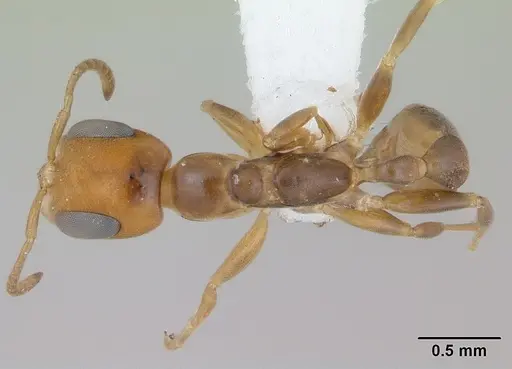
CASENT0178620
View on AntWeb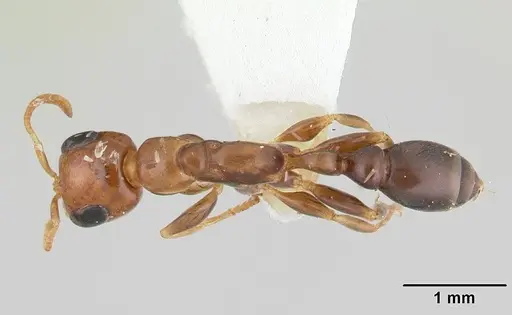
CASENT0907545
View on AntWeb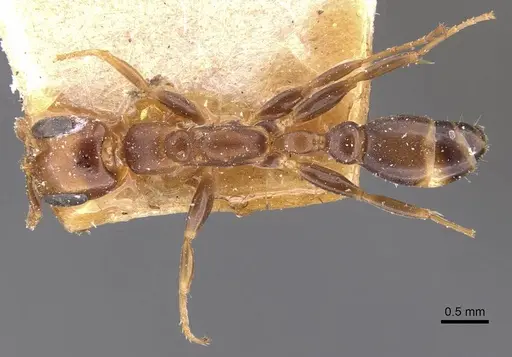
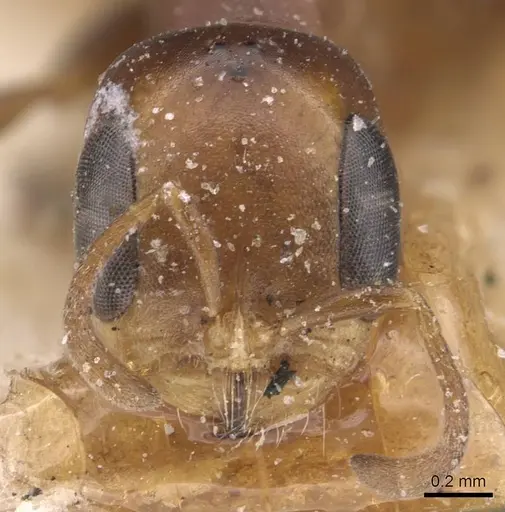
INBIOCRI001230868
View on AntWeb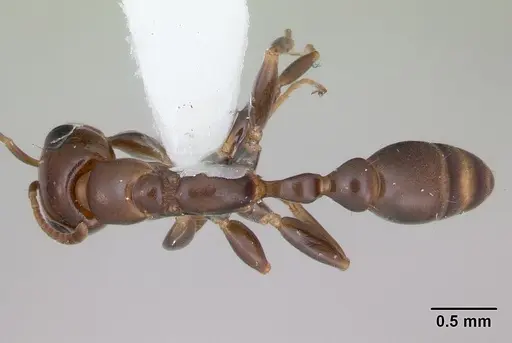
Literature
Loading distribution map...Loading products...