
Mangrove Twig Ant
Pseudomyrmex elongatus
- Sci. Name
- Pseudomyrmex elongatus
- Tribe
- Pseudomyrmecini
- Subfamily
- Pseudomyrmecinae
- Author
- Mayr, 1870
- Common Name
- Mangrove Twig Ant
- Distribution
- Found in 14 countries
Introduction
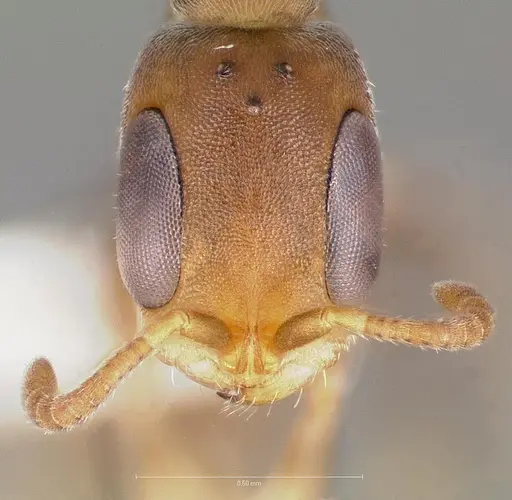
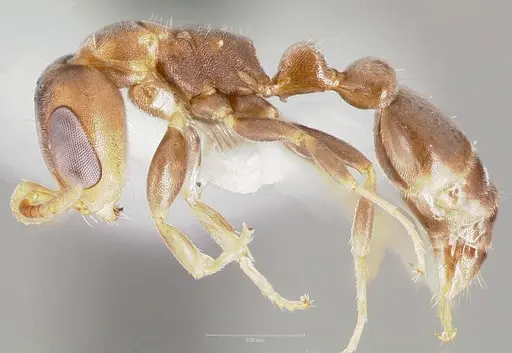
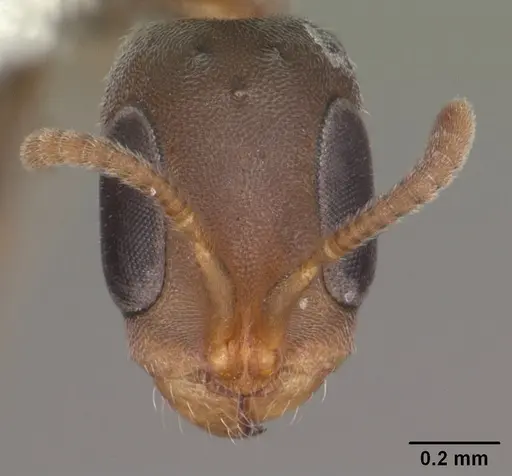
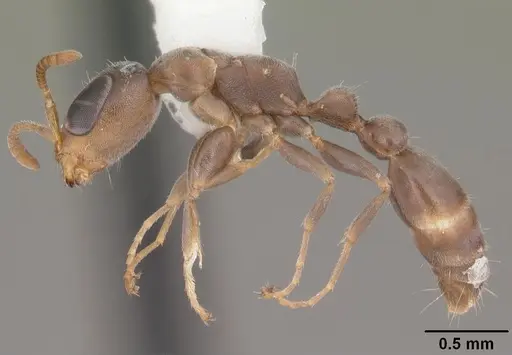
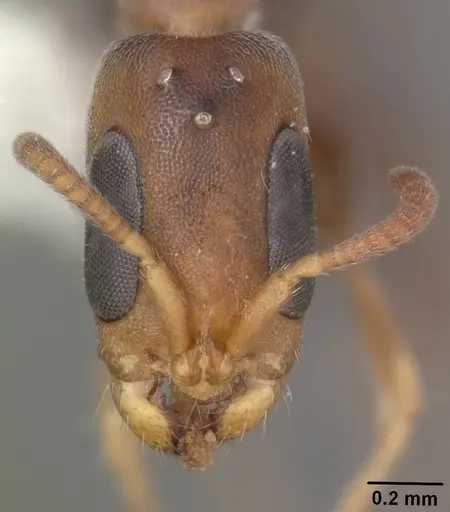
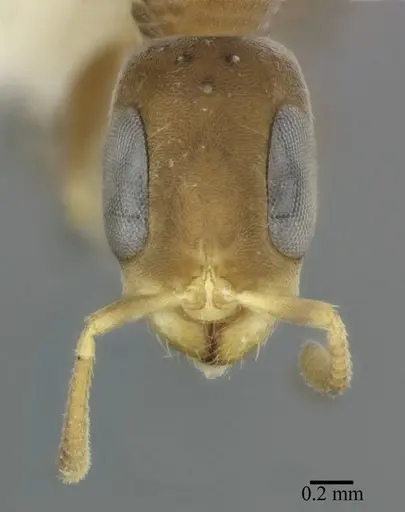
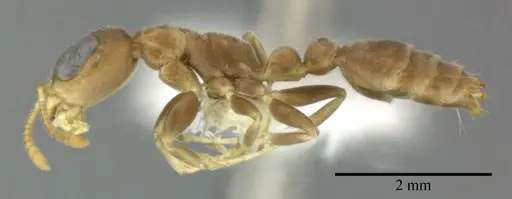
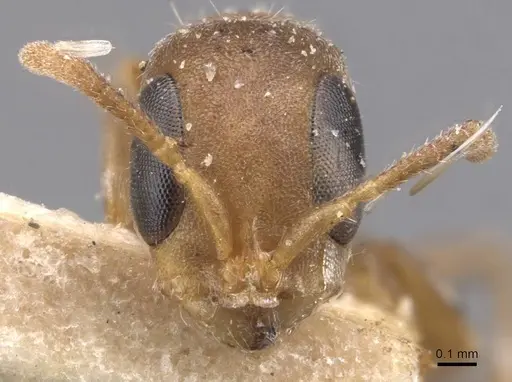
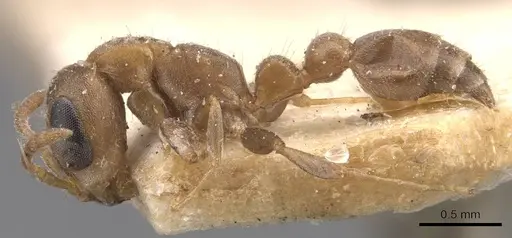
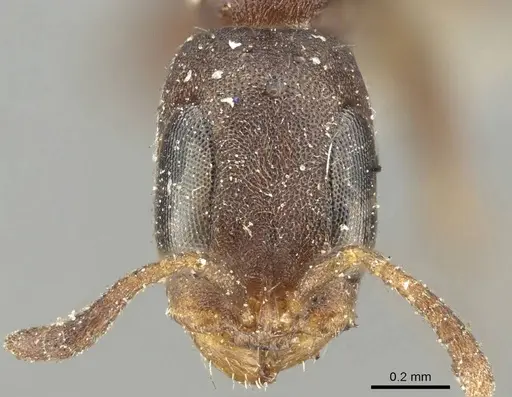
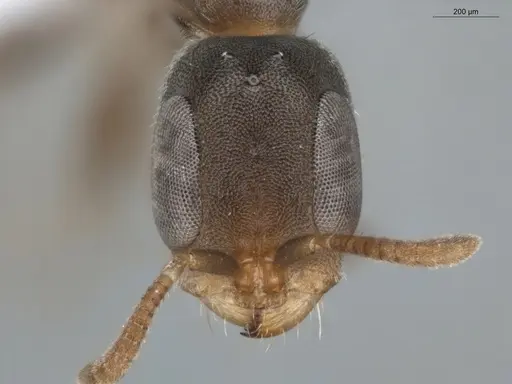
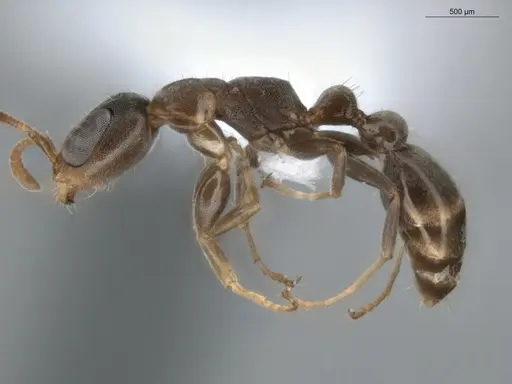
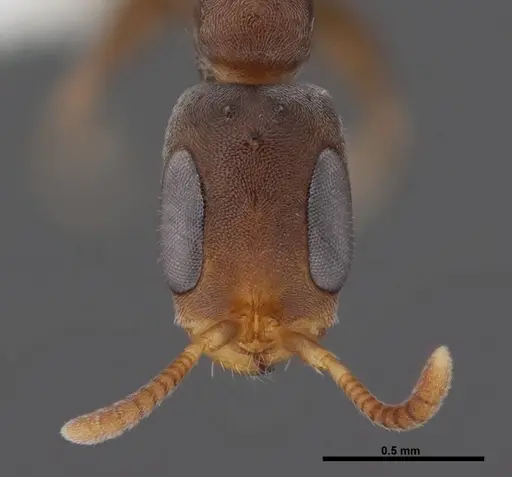
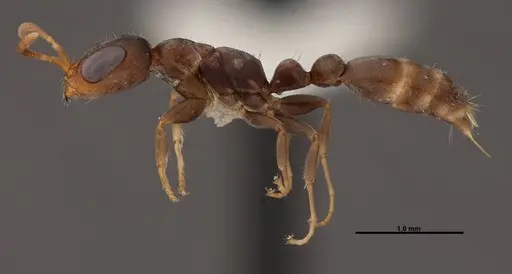
Pseudomyrmex elongatus is a small, slender ant from the Americas, ranging from Costa Rica north to Texas and south through Central America to Bolivia and Brazil, with introduced populations in south Florida . Workers are among the smallest in the genus, with head width 0.56-0.64 mm, an elongated head and large eyes, and a medium to dark brown body that is densely punctate and appears matte . These ants are arboreal twig-nesters, occupying dead twigs of various shrubs and trees including mangroves (Avicennia, Laguncularia, Rhizophora), Gliricidia, Inga, and coffee plants . They are generalists that do not specialize on particular host plants and are one of the most common twig-nesting species in their range .
Quick Summary
- Difficulty: Expert
- Origin & Habitat: Native range spans from southern United States (Florida, Texas) through Mexico, Central America, and South America to Bolivia and Brazil, with introduced populations in south Florida [1][5]. Found in mangroves, tropical dry forest, secondary and primary rain forest, coffee agroecosystems, roadside vegetation, and cerrado [1][3][4]. Nests in dead twigs of woody shrubs and trees including Avicennia germinans, Baccharis halimifolia, Laguncularia racemosa, Rhizophora mangle, Gliricidia sepium, Helicteres, Inga, Quercus, and Prosopis [1].
- Colony Type: Likely monogyne (single queen), research suggests Pseudomyrmex species are probably not polygynous [4]. Colonies occupy single dead twigs and are relatively small.
- Size & Growth:
- Queen: Size data unavailable, inferred from Pseudomyrmex genus (queens typically 5-7 mm)
- Worker: Size data unavailable, inferred from Pseudomyrmex genus (workers typically 3-5 mm). Head width 0.56-0.64 mm indicates a small ant [2].
- Colony: Up to 100 workers, typical for twig-nesting species [4][3]
- Growth: Moderate
- Development: 6-8 weeks (estimated from related tropical Pseudomyrmex species) (No specific data for this species. Tropical species generally develop faster than temperate ones.)
- Antkeeping:
- Temperature: Keep at 24-28 °C. As a tropical species, they need steady warmth. A heating cable on one side of the nest can create a gradient if your home is cooler [1].
- Humidity: Moderate to high, keep the nest substrate consistently moist but not waterlogged. These ants naturally inhabit humid mangroves and tropical forests. A test tube water reservoir provides stable humidity [1].
- Diapause: No, tropical species, no hibernation needed. Keep warm year-round [1].
- Nesting: Arboreal twig-nester. Use a test tube setup or a Y-tong/plaster formicarium with narrow horizontal chambers to mimic dead twigs. Avoid deep vertical spaces [2].
- Behavior: Pseudomyrmex elongatus is an arboreal, solitary hunter [6]. Workers forage individually rather than in groups. They are generalist feeders: they hunt small prey and collect honeydew and nectar [7][8]. Despite having a well-developed sting, they are relatively docile toward humans and use the sting mainly against other ants and predators [4]. They are active colonizers of dead twigs [3]. Because they are very small, escape prevention is critical, they can squeeze through minute gaps.
- Common Issues: escape prevention is critical, their tiny size means they can slip through standard test tube cotton and small gaps in the setup, colonies are small and grow slowly, which may frustrate beginners expecting rapid growth, dry conditions will stress these humidity-loving tropical ants, keep substrate moist, they need live prey to thrive, they are active hunters and won't survive on sugar alone, introduced Florida populations: this species has been introduced to south Florida and is considered exotic [1][5]. Do NOT release any ants into the wild outside their native range. In non‑native areas, extreme precautions are necessary to prevent escapes, as established populations could cause ecological harm.
Housing and Nest Setup
Pseudomyrmex elongatus nests in dead twigs, so your setup should copy that narrow, horizontal space. A simple test tube works great: fill one end with water, block it with tightly packed cotton (to stop escapes), and the ants will settle in the dry end [1][2]. You can also use a small Y-tong or plaster formicarium with narrow chambers connected to an outworld. Avoid deep vertical spaces, these ants prefer tight, twig-like confines. Because they are so small, check all connections for gaps and pack cotton very firmly. An outworld can be a small plastic container with ventilation [2].
Feeding and Diet
These ants are active predators and generalist feeders [7][6]. Offer small live prey like fruit flies, pinhead crickets, small mealworms, or aphids 2-3 times per week. They also take sugar water or honey, keep a small drop available constantly. Remove uneaten prey after 24 hours to prevent mold. Because they are tiny, make sure prey items are smaller than the ants themselves. In the wild they also visit extrafloral nectaries and collect honeydew [9][10].
Temperature and Humidity
As a tropical species from Central America and mangroves, Pseudomyrmex elongatus needs warm, humid conditions. Keep the nest at 24-28 °C. A small heating cable on top (not underneath, to avoid drying out) can help in cooler rooms. Room temperature often works, but avoid drops below 20 °C [1]. Humidity should be high, the nest substrate should stay consistently moist but not waterlogged. The test tube water reservoir provides stable humidity. Mist the outworld occasionally. They do not need hibernation [1].
Behavior and Colony Dynamics
This is a docile but active species. Workers forage alone rather than in trails, hunting small prey in vegetation [6]. They have a well‑developed sting but rarely use it on humans, it’s mainly for defence against other ants and predators [4]. Colonies grow slowly and stay small (under 100 workers), which is normal for twig‑nesters [3]. The queen’s founding method is unconfirmed. Unlike some aggressive acacia‑ants, this species is a generalist that doesn’t defend a specific plant [4].
Seasonal Care
Because this is a tropical ant, it does not require diapause or hibernation [1]. Keep conditions stable year‑round. If your home drops below 20 °C in winter, use a small heater or heating cable to maintain warmth. Continue feeding through winter, the ants stay active. Never expose them to prolonged cold [1].
Growth and Development
Colony growth is moderate but slow compared to many common species. The queen lays eggs after mating, and first workers (nanitics) appear in about 6-8 weeks at optimal temperature (24-28 °C, estimated from related tropical Pseudomyrmex). These first workers are smaller than mature workers. Colonies typically remain under 100 workers, as they naturally inhabit single twigs [3]. Patience is key, these ants are long‑lived and colonies can persist for several years [2].
Frequently Asked Questions
How long does it take for Pseudomyrmex elongatus to have first workers?
Based on related tropical Pseudomyrmex species, expect first workers in about 6-8 weeks at 24-28 °C. No specific data is available for this species.
Can I keep Pseudomyrmex elongatus in a test tube?
Yes, a test tube setup is ideal for these small twig‑nesters. Use a standard test tube with a water reservoir and tightly packed cotton. The narrow space mimics their natural twig habitat [2].
Do Pseudomyrmex elongatus ants sting?
Yes, they have a well‑developed sting, but they are not aggressive toward humans. They use it mainly for defence against other ants and small predators. The sting is small and rarely penetrates human skin [4].
What do Pseudomyrmex elongatus eat?
They are active predators that hunt small live prey such as fruit flies, pinhead crickets, small mealworms, and aphids. They also accept sugar water or honey. Offer protein 2-3 times per week and keep sugar water available [6][7].
How big do Pseudomyrmex elongatus colonies get?
Colonies remain relatively small, typically well under 100 workers. This is normal for twig‑nesting species that occupy single dead twigs [3].
Do Pseudomyrmex elongatus need hibernation?
No, they are a tropical species and do not require hibernation. Keep them warm year‑round at 24-28 °C [1].
Are Pseudomyrmex elongatus good for beginners?
No, they are rated Expert difficulty. They need specific conditions (high humidity, warmth, live prey) and their slow growth can try beginners’ patience. Additionally, they are an introduced species in parts of North America and require careful containment to prevent escape. They are best kept by experienced keepers who can provide the right setup.
Why are my Pseudomyrmex elongatus dying?
Common causes include dry conditions, temperatures below 20 °C, escape through small gaps, or lack of live prey. Check that the nest substrate is moist, temperatures are 24-28 °C, and escape prevention is secure. Also ensure you’re providing appropriately sized live prey.
Can I keep multiple Pseudomyrmex elongatus queens together?
No, this species is likely monogyne. Research suggests Pseudomyrmex species are probably not polygynous [4]. Only keep one queen per colony.
When should I move Pseudomyrmex elongatus to a formicarium?
You can keep them in a test tube long‑term because they prefer narrow spaces. If the colony outgrows the tube (over about 50 workers), connect additional test tubes or move to a small Y‑tong/plaster formicarium with narrow chambers that mimic twigs [2].
Do Pseudomyrmex elongatus need special lighting?
No, they don’t need special lighting. Keep them in indirect light and avoid direct sunlight, which can overheat the nest. Normal room lighting is fine.
Report an Issue
The current care sheet is based fully on literature. See inconsistencies, or something that's incorrect? Please , it will be resolved after review from an admin. Contributing to the blogs tab also helps providing information, to make us be able to further improve the caresheets. Thank you for your support!
References

This caresheet is licensed under CC BY-SA 4.0 .
Community Blogs
CASENT0005874
View on AntWeb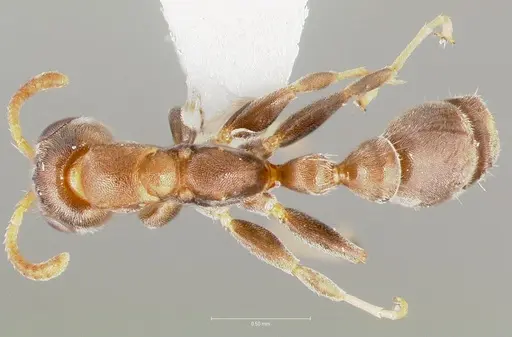
CASENT0103868
View on AntWeb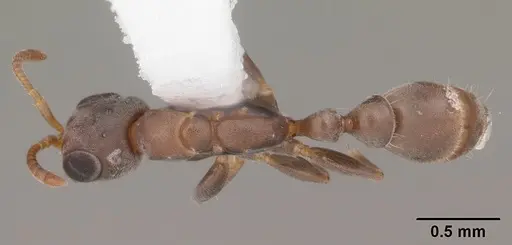
CASENT0103898
View on AntWeb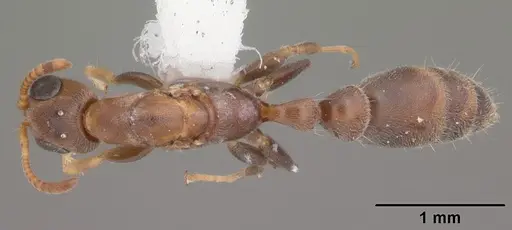
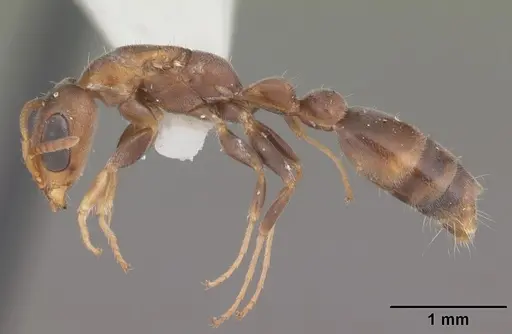
CASENT0173750
View on AntWeb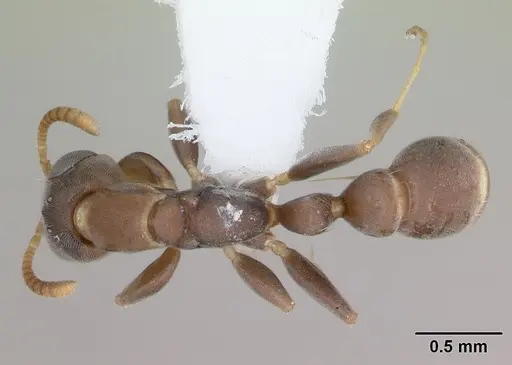
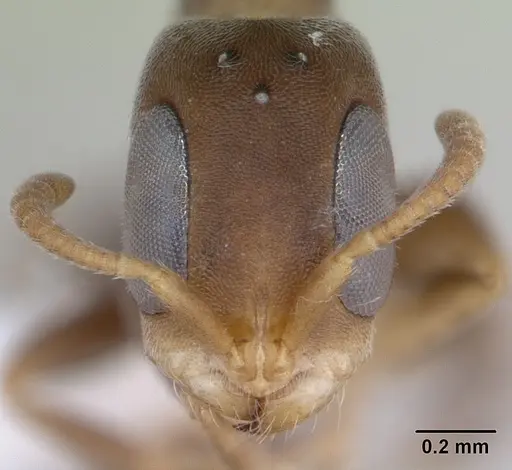
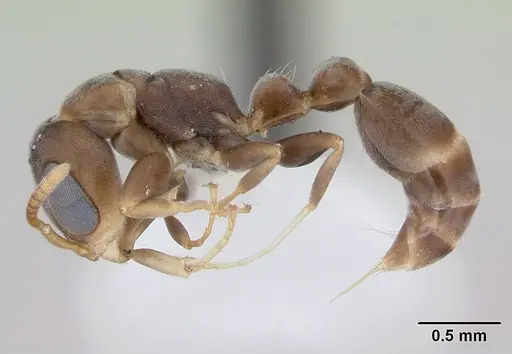
CASENT0246287
View on AntWeb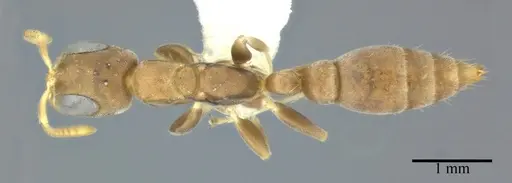
CASENT0907537
View on AntWeb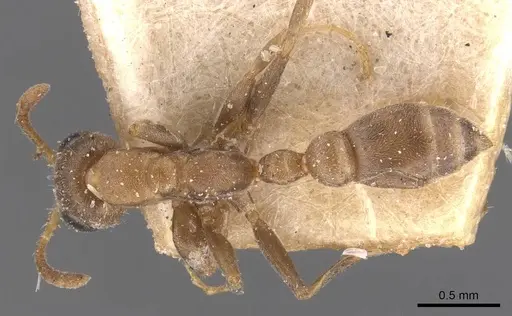
CASENT0915840
View on AntWeb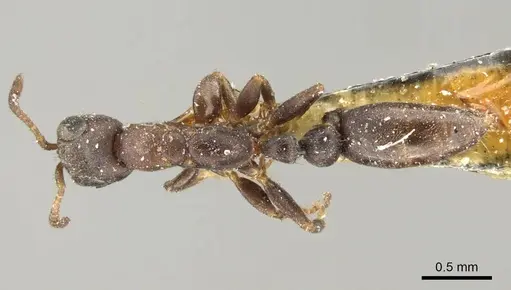
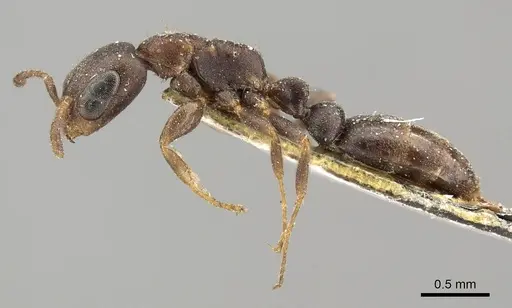
CBUMAGENT41738
View on AntWeb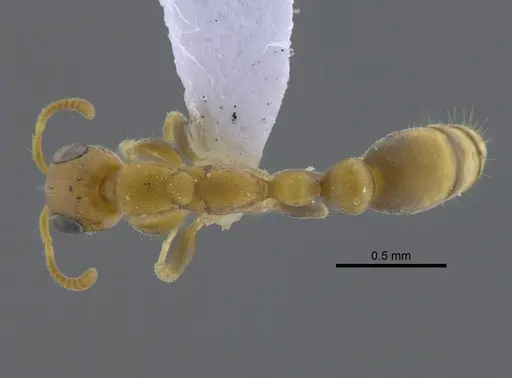
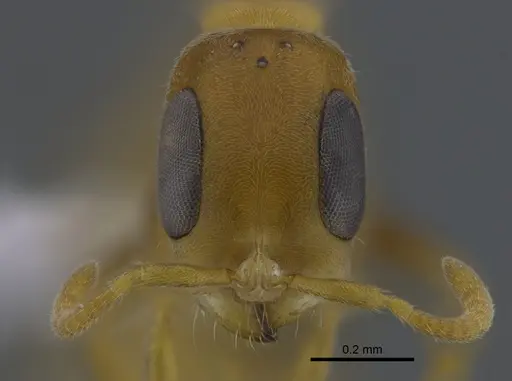
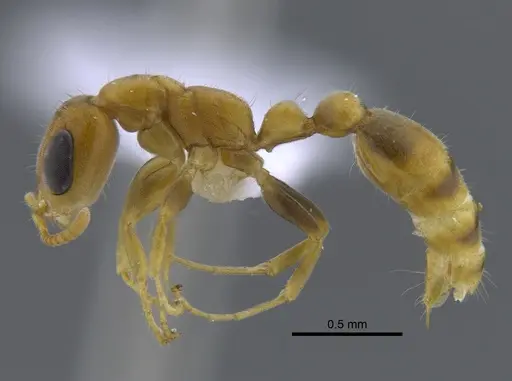
ECOFOG-BUG-0029-11
View on AntWeb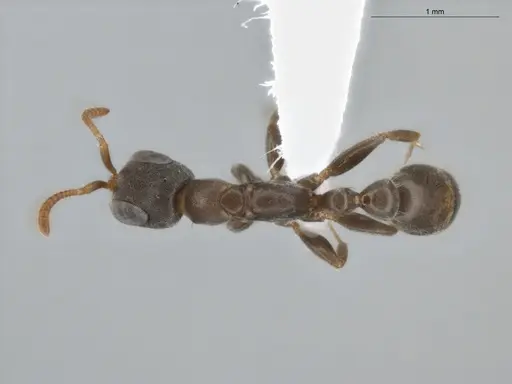
FMNHINS0000078507
View on AntWeb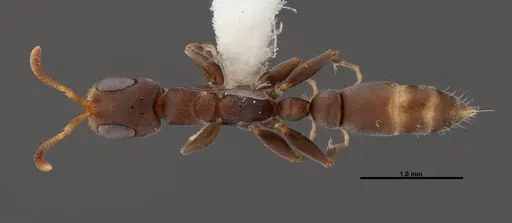
Literature
Loading distribution map...Loading products...