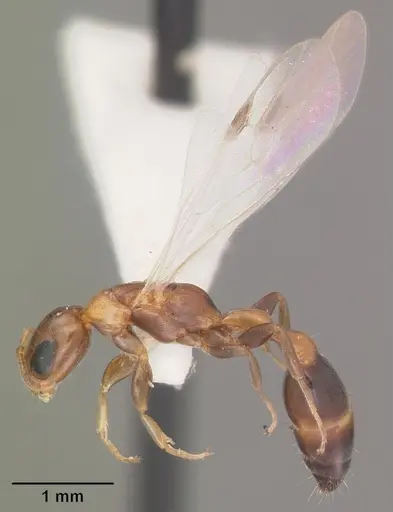
Pseudomyrmex ejectus shows a July to September flight window. Peak activity occurs in July, with nuptial flights distributed across 3 months.
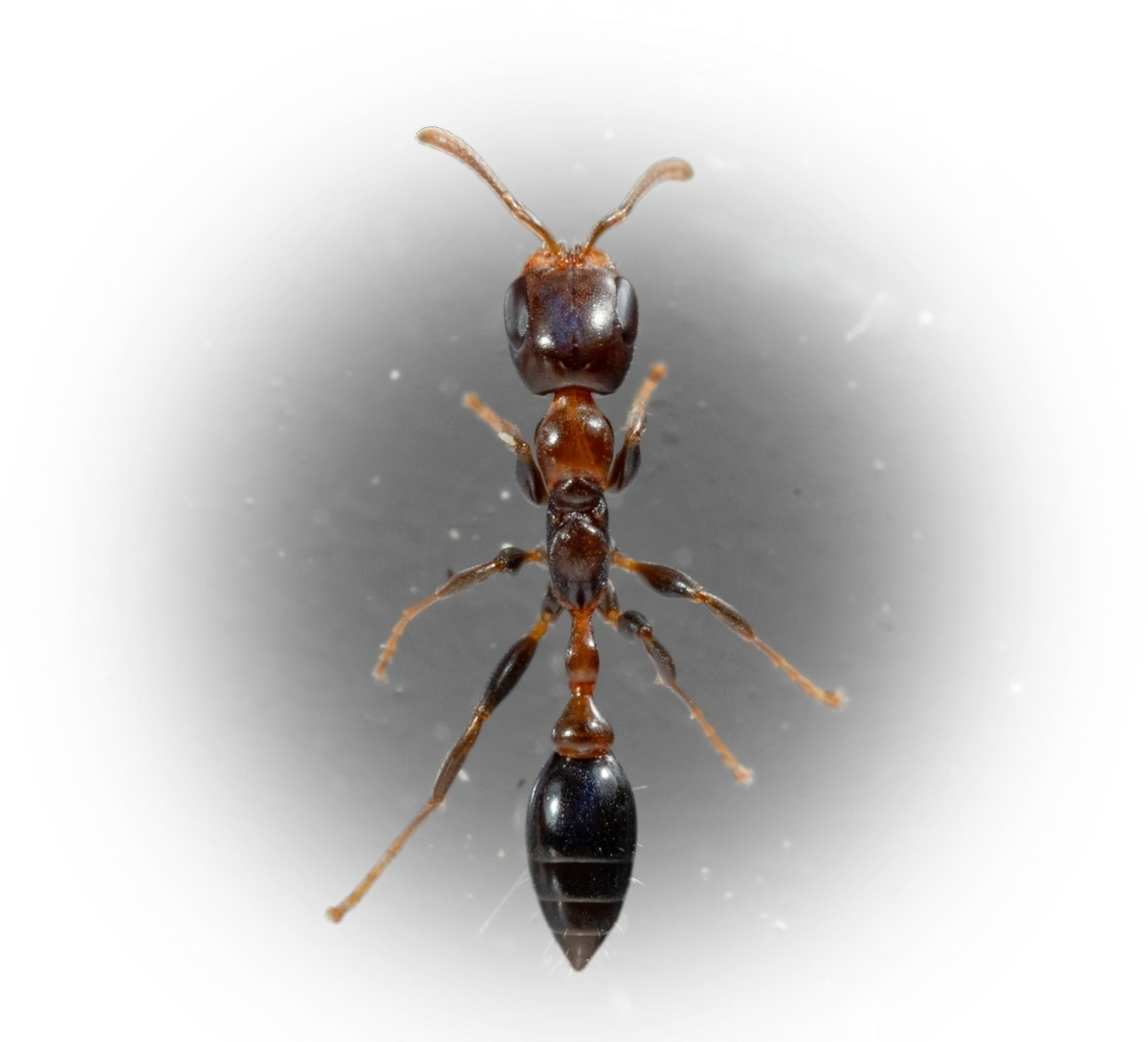
Shining Dark Twig Ant
Pseudomyrmex ejectus
- Sci. Name
- Pseudomyrmex ejectus
- Tribe
- Pseudomyrmecini
- Subfamily
- Pseudomyrmecinae
- Author
- Smith, 1858
- Common Name
- Shining Dark Twig Ant
- Distribution
- Found in 4 countries
- Nuptial Flight
- From July to September
- Peak flight Time
- 06:00
AI Identifiable
try →
Introduction
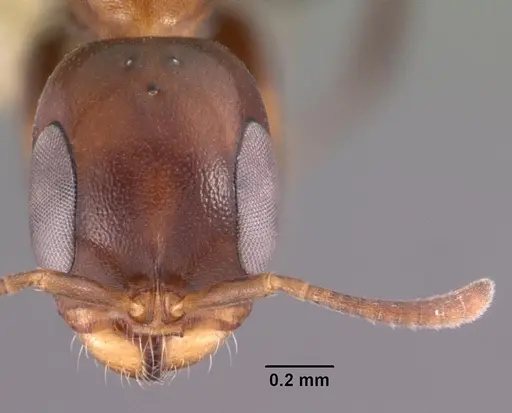
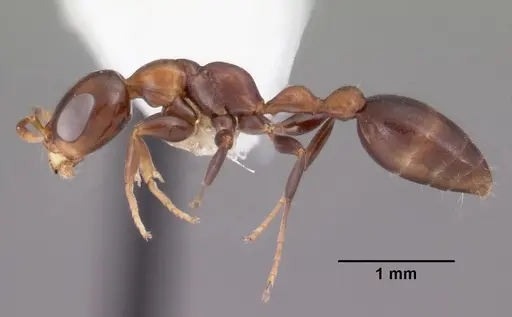
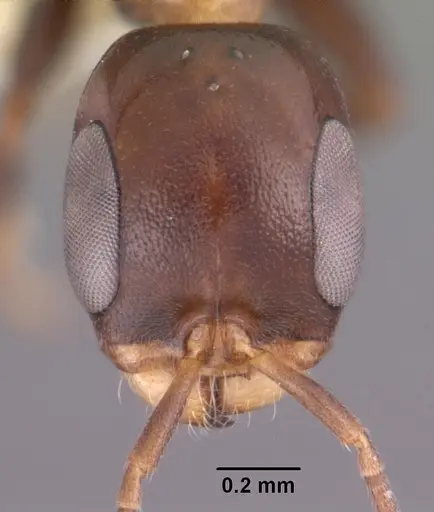
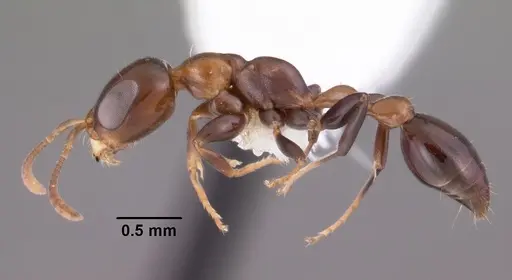
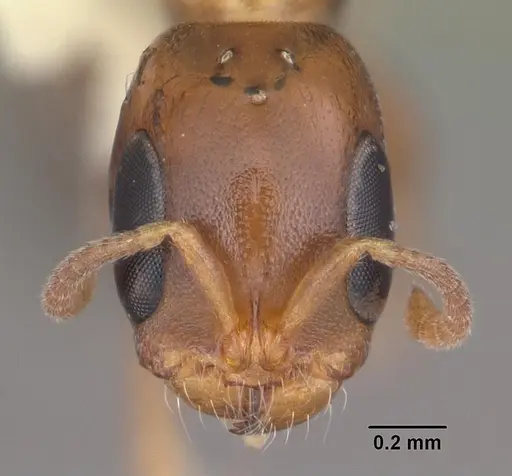
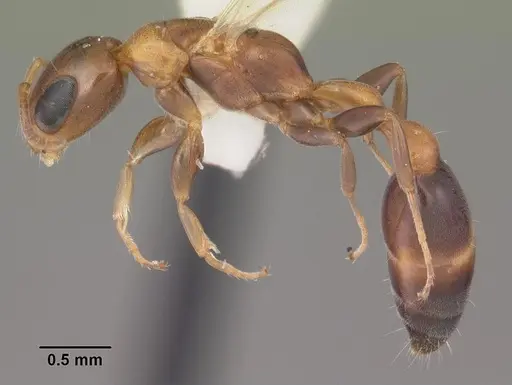
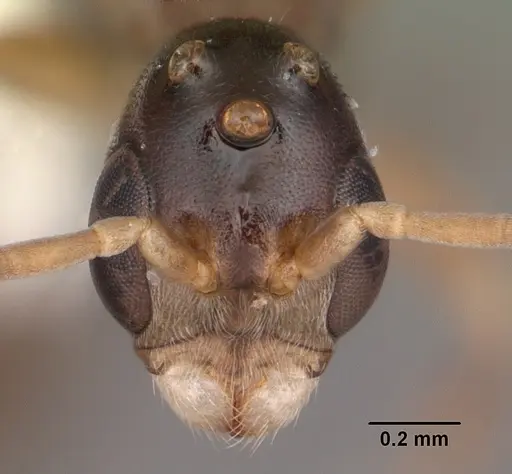
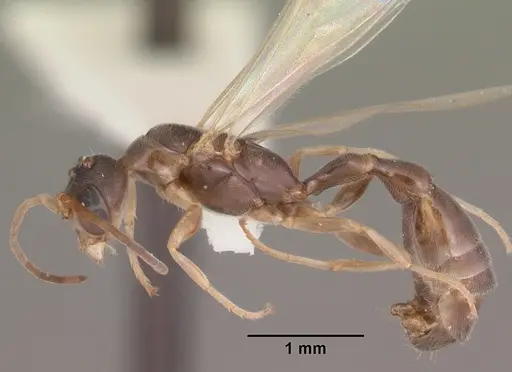
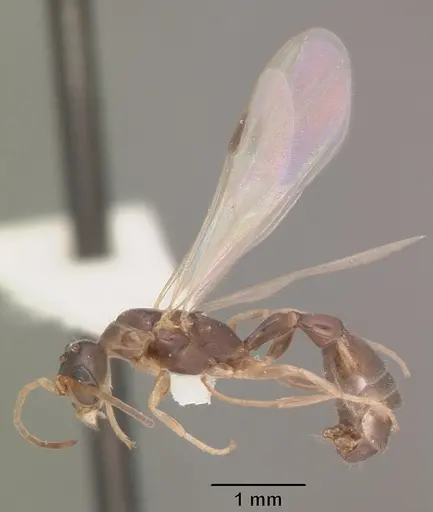
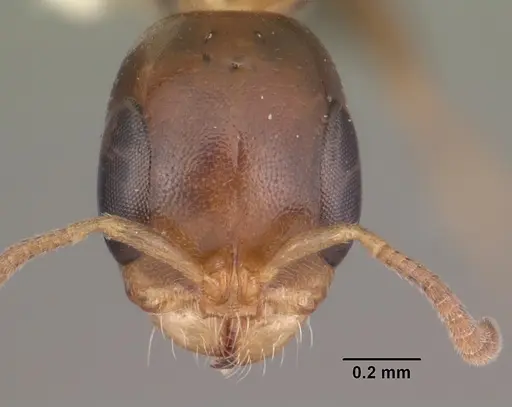
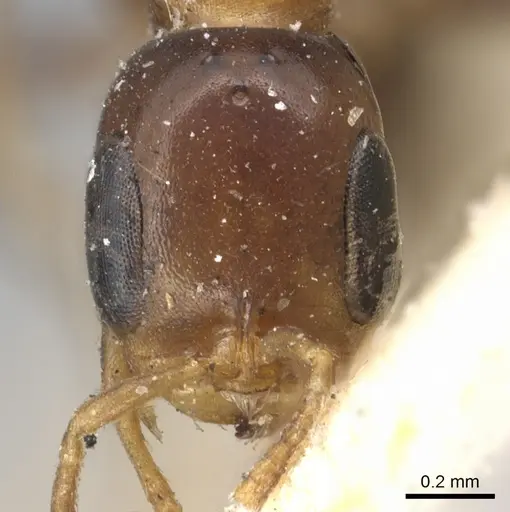
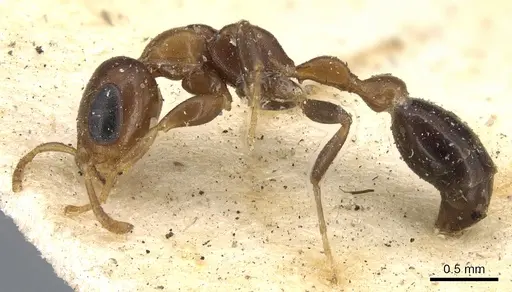
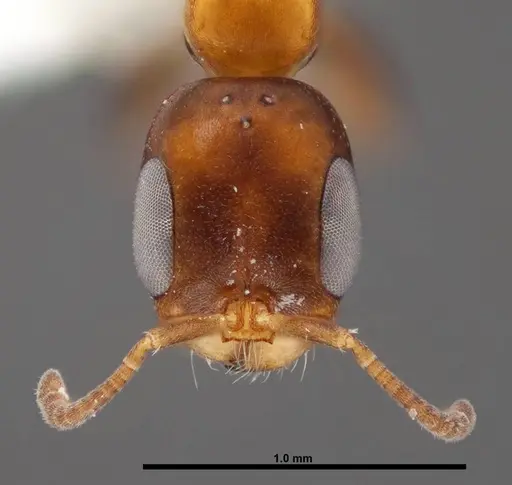
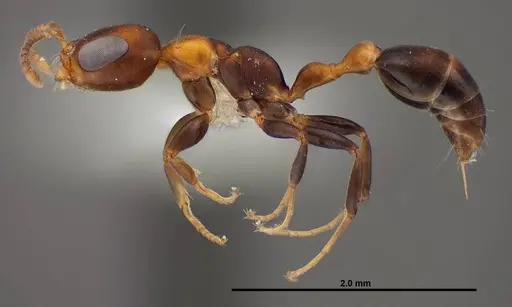
Pseudomyrmex ejectus is a twig-nesting ant native to the Americas, ranging from the southern United States through Mexico, Central America, and into South America (Bolivia, Brazil) . Workers are dark-brown, large-eyed, and elongate . They are arboreal and obligate twig-nesters, living in hollow twigs, reeds, and plant stems rather than in soil . This species plays an important role as a predator in coffee agroecosystems, where it helps control the coffee berry borer pest .
Quick Summary
- Difficulty: Medium
- Origin & Habitat: Native to the Nearctic and Neotropical regions, found across the southern United States (Texas, Florida, Georgia, Alabama, Mississippi, South Carolina, North Carolina) and south through Mexico, Guatemala, Costa Rica, and into South America [1][2][7]. They inhabit tropical and subtropical environments, including gallery forest, pine-oak forest, and secondary vegetation [2]. They nest in dead twigs and hollow plant stems in forests and agricultural landscapes [4][3].
- Colony Type: Single-queen colonies (monogyne). Pseudomyrmex species are likely not polygynous [8]. Colonies may occupy multiple nest cavities on the same plant, but each nest contains a single queen [8].
- Size & Growth:
- Queen: No published total length data. Queen size is unknown, but likely larger than workers.
- Worker: Workers are dark-brown, large-eyed, and elongate [3]. No specific total length measurements are available in the literature.
- Colony: Small colonies. In wild twigs, colonies often contain only a few workers per nest, with a mean of 1.7 and a maximum of 3 workers reported in one study [9]. The total colony may be larger if multiple nests are connected.
- Growth: Slow to Moderate, colonies remain small and grow slowly [9].
- Development: Unconfirmed. Based on typical tropical ant development, a rough estimate of 4-6 weeks at 24-28°C is possible, but no species-specific data exists. (Development time is likely temperature-dependent.)
- Antkeeping:
- Temperature: Keep warm and stable, around 24-28°C, mimicking tropical conditions [5]. Avoid temperatures below 20°C for extended periods.
- Humidity: Moderate humidity. Nest cavities should be dry to slightly humid, avoid condensation. Occasional misting of the outworld can help, but the nest itself should not be wet.
- Diapause: No, being a tropical species, they do not require hibernation. Keep warm year-round [1].
- Nesting: Obligate twig-nester: provide hollow twigs, bamboo sections, or wooden formicaria with narrow tunnels that mimic natural cavities [8][4][3]. They readily colonize artificial nests. The nest should be kept dark.
- Behavior: Active, alert foragers with well-developed stings [8]. They are predatory and will actively hunt small insects. Arboreal by nature, but they will forage at ground level [10]. They are territorial and will defend their nest aggressively. Escape prevention is critical, workers are small and can squeeze through tiny crevices.
- Common Issues: requires consistent warmth, cannot tolerate cold periods or temperatures below 20°C., obligate twig-nester, will not thrive in soil nests, needs appropriate hollow nesting materials., predatory diet, needs regular live prey (e.g., fruit flies, small crickets), sugar alone is insufficient., small colony size, growth is slow and populations remain small, patience is needed., high escape risk, workers are small, elongate, and quick-moving, seal all gaps carefully.
Nuptial Flight Activity Analysis 102 observations
Flight Activity by Hour 102 observations
Pseudomyrmex ejectus nuptial flight activity peaks around 06:00 during the morning. Activity is spread across a 18-hour window (04:00–21:00). A secondary activity peak occurs around 09:00. Times may be influenced by human observation patterns.
Housing and Nest Setup
Pseudomyrmex ejectus is an obligate twig-nester. In captivity, provide bamboo sections, hollow twigs, or wooden formicaria with narrow tunnels that mimic their natural nesting sites [4][3]. They readily colonize artificial nests, so you can offer pre-drilled bamboo or other hollow stems [8]. The nest chamber should be kept dark. Since they are arboreal, they do not need soil substrate, a simple outworld with foraging space works best. Provide water in the outworld via a test tube with a cotton plug or a small water feeder.
Feeding and Diet
Pseudomyrmex ejectus is a predator. They need regular live prey. In the wild, they prey on coffee berry borers [5][6]. In lab trials, they removed an average of 1.53 free-living borers in 24 hours [6]. Feed them small live insects like fruit flies, small crickets, or mealworms at least twice a week. They may also accept sugar water or honey for energy, but protein is essential for brood development. Remove uneaten prey after 24 hours to prevent mold.
Temperature and Humidity
As a tropical species, they need warm temperatures between 24-28°C [5]. Do not let temperatures drop below 20°C for extended periods. No diapause is required [1]. Humidity should be moderate, their nest cavities should not be wet, but occasional misting of the outworld helps maintain conditions. Avoid placing the nest near air conditioning or cold drafts.
Behavior and Defense
Workers have well-developed stings and will use them when threatened [8]. They are alert, quick-moving foragers. They are territorial and will defend their nest aggressively. In coffee farms, they are among the most common twig-nesting species [6]. Despite having stings, they are considered weak competitors compared to some other arboreal ants [11]. Their presence does not seem to be strongly affected by the dominant ant Azteca instabilis [8]. Expect active, visible workers that readily explore their foraging area.
Colony Growth and Development
Colonies start from a single queen, but the founding method is unconfirmed. The queen likely seals herself inside a cavity to raise the first brood. Colonies remain small, a field study found a mean of just 1.7 workers per nest, with a maximum of 3 [9]. Multiple nests on the same plant may be part of one colony [8]. Growth is slow, and colonies may take time to establish. The first workers (nanitics) will be smaller than mature workers and will begin foraging quickly.
Ecological Importance
In their native range, Pseudomyrmex ejectus is a valuable predator of agricultural pests, especially the coffee berry borer [5][6]. In Mexican coffee farms, they are one of the most abundant twig-nesting species, occupying up to 13.8% of available coffee twigs [12]. They are considered a weak competitor overall [11], but their stinging ability helps them defend their nests. Understanding their predatory role is key for their care, they genuinely need live prey to thrive.
Frequently Asked Questions
Can I keep Pseudomyrmex ejectus in a test tube?
You can start a founding queen in a test tube, but for the long term they need hollow twig-like nests. Move them to bamboo sections or similar once the colony grows [8][4].
How long until first workers appear?
This is unknown for this species. An estimate of 4-6 weeks at 24-28°C is reasonable based on similar tropical ants, but no published data exists.
Do Pseudomyrmex ejectus ants sting?
Yes, they have well-developed stings and will use them when threatened [8]. While small, their sting can be painful, handle with care and use proper escape prevention.
What do Pseudomyrmex ejectus eat?
They are predators and need live small insects as their primary food. They accept fruit flies, small crickets, mealworms, and similar prey [6][5]. They may also take sugar water or honey for energy, but protein is essential for brood development.
Do they need hibernation?
No. As a tropical species, they do not require hibernation or diapause. Keep them warm year-round at 24-28°C [1].
Are Pseudomyrmex ejectus good for beginners?
They are rated medium difficulty. Their specific twig-nesting requirements and need for live prey make them better for keepers with some experience. Their small colony size and slow growth require patience.
How big do colonies get?
Colonies remain small. In wild twigs, nests often contain only a few workers, with a mean of 1.7 and a maximum of 3 reported in one study [9]. The total colony across multiple nests may be larger, likely under 100 workers.
Can I keep multiple queens together?
No. Research indicates Pseudomyrmex species are likely not polygynous, each colony has a single queen [8].
When should I move them to a formicarium?
Move them when the nest becomes crowded or when workers are actively exploring beyond the nest. Provide additional twigs or a larger bamboo section rather than a traditional formicarium.
Why are my Pseudomyrmex ejectus dying?
Common causes include: temperatures below 20°C (they need warmth), lack of live prey (they are predators), or incorrect nesting setup (they need hollow twigs, not soil). Check that your setup matches their arboreal twig-nesting preferences and that temperatures remain consistently warm [5].
When is the nuptial flight of Pseudomyrmex ejectus?
The nuptial flight of Pseudomyrmex ejectus typically occurs From July to September.
What time of day does Pseudomyrmex ejectus fly?
The nuptial flight of Pseudomyrmex ejectus peaks around 06:00 during the morning, with most activity between 04:00 and 21:00. Times may be influenced by human observation patterns.
Report an Issue
The current care sheet is based fully on literature. See inconsistencies, or something that's incorrect? Please , it will be resolved after review from an admin. Contributing to the blogs tab also helps providing information, to make us be able to further improve the caresheets. Thank you for your support!
References

This caresheet is licensed under CC BY-SA 4.0 .
Community Blogs
ANTWEB1041604
View on AntWeb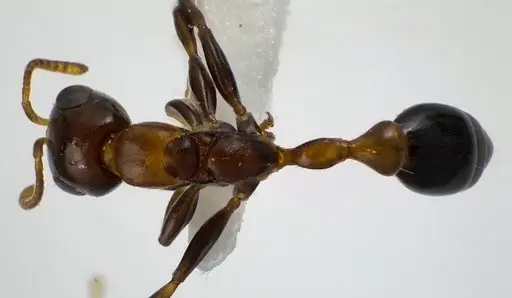
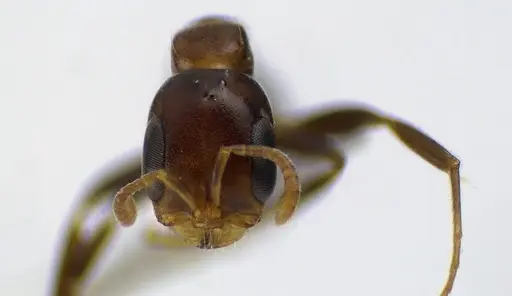
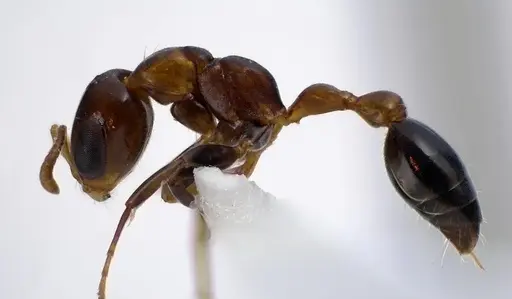
CASENT0102683
View on AntWeb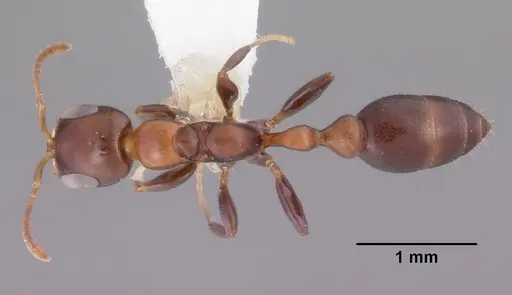
CASENT0102684
View on AntWeb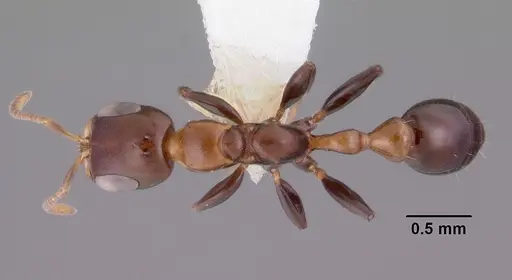
CASENT0103836
View on AntWeb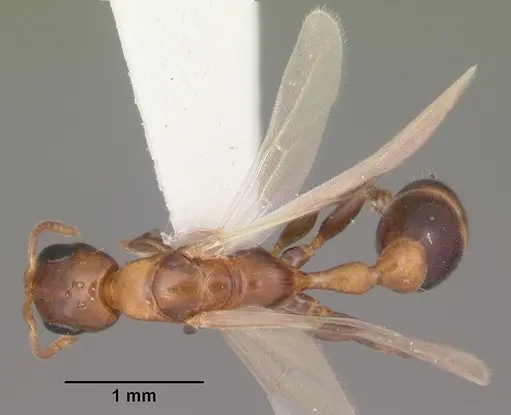
CASENT0104241
View on AntWeb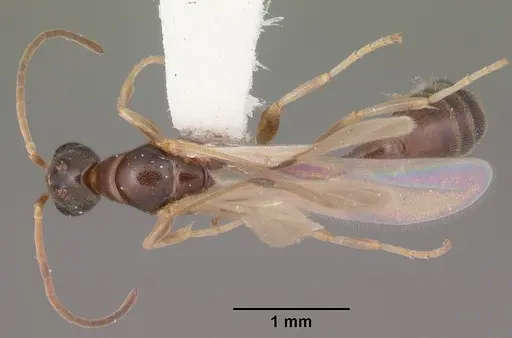
CASENT0104280
View on AntWeb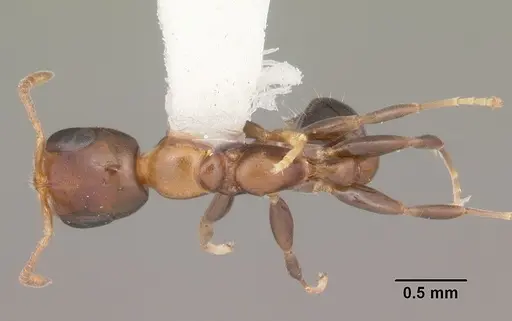
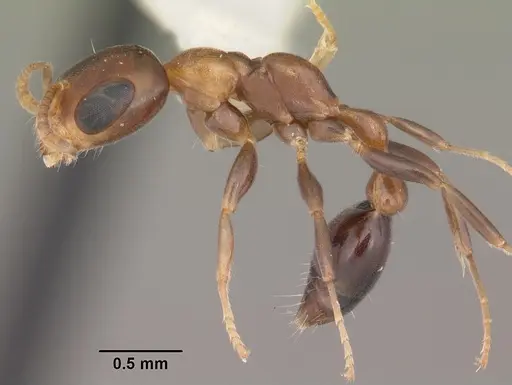
CASENT0104314
View on AntWeb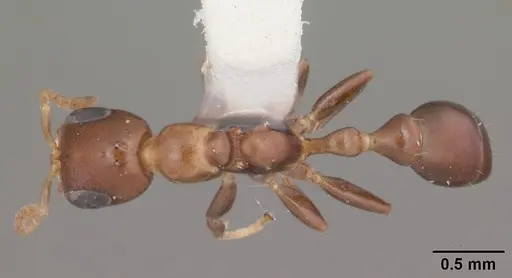
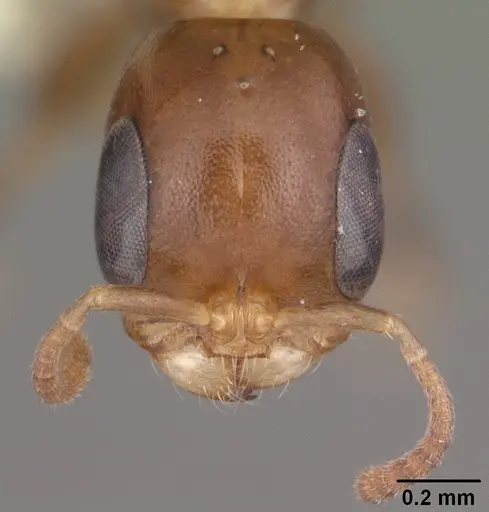
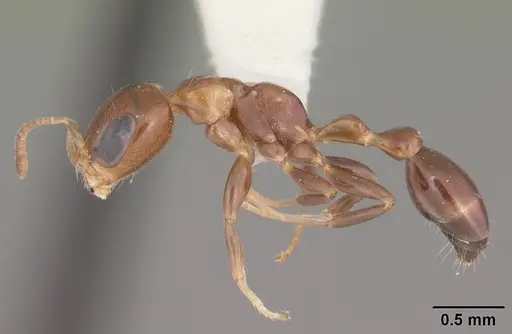
CASENT0902894
View on AntWeb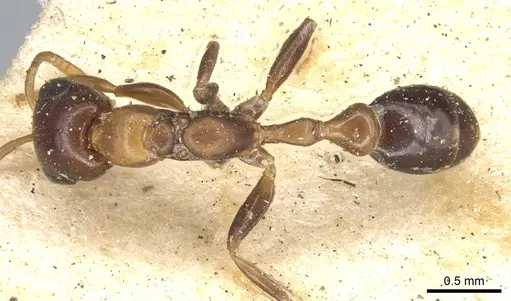
FMNHINS0000088651
View on AntWeb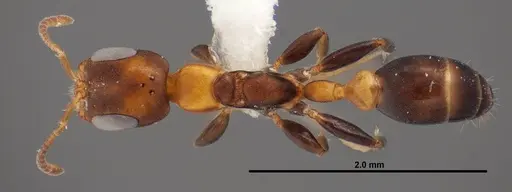
Literature
Loading distribution map...Loading products...