
Pseudomyrmex depressus
- Sci. Name
- Pseudomyrmex depressus
- Tribe
- Pseudomyrmecini
- Subfamily
- Pseudomyrmecinae
- Author
- Forel, 1906
- Distribution
- Found in 3 countries
Introduction
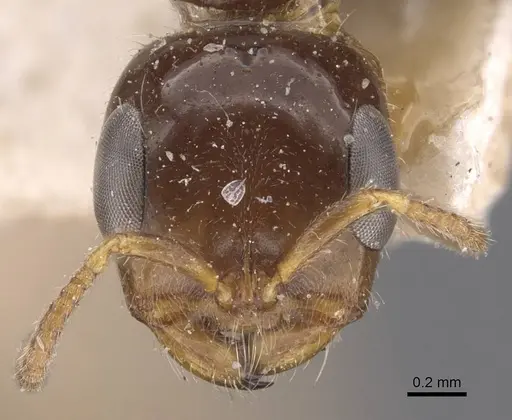
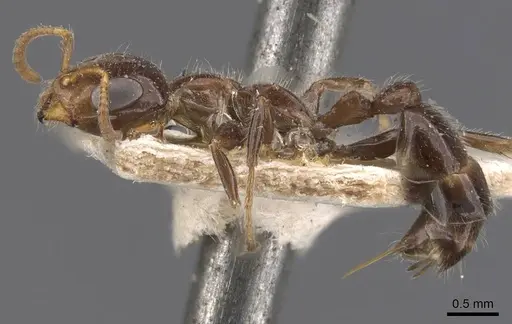
Pseudomyrmex depressus is a slender, elongated ant native to the Neotropical region, found in Colombia (Antioquia, Caquetá, Magdalena), French Guiana, and Peru (Cusco, Madre de Dios) . Workers have a smooth, shiny head with widely scattered small punctures, and a distinctive depressed propodeum where the dorsal and posterior faces blend into one sloped surface . This species is a generalist that nests in dead twigs and hollow plant stems . As a Pseudomyrmecinae ant, they have long legs and a wasp-like look, and are agile movers. Though many Pseudomyrmex species are plant-ant specialists living in acacias, P. depressus appears to be a free-nesting generalist, not tied to any specific host plant .
Quick Summary
- Difficulty: Medium
- Origin & Habitat: Neotropical region, Colombia, French Guiana, and Peru. Found in tropical forests, where they nest in dead twigs and hollow plant stems [1][2][3].
- Colony Type: Based on typical Pseudomyrmex patterns, likely monogyne (single queen colonies). Colony structure is not directly documented for this species.
- Size & Growth:
- Queen: ~7-9 mm, inferred from Pseudomyrmex genus average
- Worker: ~5-7 mm, inferred from Pseudomyrmex genus average
- Colony: Up to several hundred workers, estimated from typical Pseudomyrmex colony sizes
- Growth: Moderate
- Development: Estimated 6-8 weeks at 24-28°C, based on related Pseudomyrmex species (Direct measurements for P. depressus are unavailable.)
- Antkeeping:
- Temperature: Keep at 24-28°C year-round, inferred from tropical habitat. Use a heating cable on one side of the nest to create a gentle gradient.
- Humidity: High humidity (70-85%), mimicking conditions inside dead twigs on a moist tropical forest floor. Keep nest substrate consistently moist but not waterlogged.
- Diapause: No, tropical species do not need hibernation. Maintain warm temperatures year-round [5].
- Nesting: Use a Y-tong (AAC), plaster, or naturalistic nest with narrow chambers that mimic dead twigs. Provide cork, rotting wood, or bamboo tubes as nesting materials [5].
- Behavior: Active and fast-moving ants, typical of the genus. Workers are slender and can squeeze through small gaps, so escape prevention matters. They have a sting (like most Pseudomyrmecinae) and will defend their nest if disturbed, but are not considered highly aggressive.
- Common Issues: tropical species struggle if temperatures drop below 22°C, keep warm year-round., dry conditions stress colonies, monitor humidity closely., wild-caught colonies may carry parasites or diseases from their native habitat., queens during founding need peace, avoid disturbing the nest for the first few weeks., escape risk exists despite moderate size, use well‑fitting lids and PTFE/fluon barriers.
Nest Preferences and Housing
In the wild, Pseudomyrmex depressus nests in dead twigs and hollow plant stems [5]. This is typical for many Pseudomyrmex species, they are built for narrow, tubular cavities. For captive care, use a Y-tong (AAC) formicarium with narrow chambers, or a naturalistic setup with cork, rotting wood, or bamboo tubes that the ants can colonize. Keep chambers small and snug, these ants feel secure in tight spaces. Avoid overly wet materials, slightly damp is best. Plaster nests with custom-sized channels also work well.
Feeding and Diet
Pseudomyrmex ants are generalist predators and nectar collectors. In captivity, offer a constant supply of sugar water or honey for energy, and small insects (fruit flies, pinhead crickets, mealworms) 2-3 times per week for protein. They likely also collect honeydew from aphids in the wild. Remove uneaten prey after 24 hours to prevent mold.
Temperature and Seasonal Care
As a tropical species, Pseudomyrmex depressus needs warmth year-round. Keep the nest at 24-28°C (75-82°F), this is inferred from its natural habitat. These ants do not require hibernation [5]. Use a heating cable on one side of the nest to create a gentle gradient. Place the heating element on top to avoid drying out the substrate. If workers become sluggish or cluster, raise the temperature gradually.
Behavior and Colony Dynamics
Workers are fast, alert, and quick to retreat into their nest when disturbed. They have a sting, like all Pseudomyrmecinae, but are not particularly aggressive. Based on genus patterns, colonies are likely monogyne (single queen) and grow to several hundred workers. The queen probably starts the colony claustrally, sealing herself in the founding chamber. Do not disturb her during this period, she needs peace to raise her first workers.
Humidity and Water Management
These ants come from humid tropical forests. Maintain 70-85% relative humidity in the nest area. Their natural dead‑twig habitats stay moist but not flooded. Use a water reservoir or mist regularly, but provide good ventilation to prevent mold. The substrate should feel damp, never waterlogged. Always have a water test tube with a cotton plug in the outworld.
Frequently Asked Questions
How long does it take for Pseudomyrmex depressus to produce first workers?
Based on related Pseudomyrmex species, expect first workers (nanitics) approximately 6-8 weeks after the queen lays eggs, kept at 24-28°C. This is estimated from genus-level data, no direct timeline for P. depressus is available.
What do Pseudomyrmex depressus ants eat?
They are generalist feeders. Provide a constant sugar source (sugar water or honey) and small insects 2-3 times per week. They likely also take honeydew in the wild.
Can I keep Pseudomyrmex depressus in a test tube?
Yes, for founding, but once the colony grows they prefer a nest that mimics narrow twigs, such as a Y-tong or cork setup. A test tube can work temporarily if the cotton is packed tightly to prevent escapes [5].
Do Pseudomyrmex depressus ants sting?
Yes, like all Pseudomyrmecinae, they have a sting and will use it if handled roughly. Most species are not highly aggressive, but caution is wise. The sting is likely mild for most people.
What temperature do Pseudomyrmex depressus ants need?
Keep them at 24-28°C (75-82°F) year-round. Do not let temperatures drop below 22°C for extended periods. Use a heating cable if needed.
Are Pseudomyrmex depressus good for beginners?
They are Medium difficulty. They need consistent warmth and high humidity, and their twig‑nesting preference requires a suitable setup. Beginners who can maintain these conditions may succeed, but it's not the easiest starter species.
How big do Pseudomyrmex depressus colonies get?
Based on typical Pseudomyrmex colony sizes, expect up to several hundred workers. No specific data for this species exists.
Do Pseudomyrmex depressus need hibernation?
No, they are tropical and do not require hibernation. Keep them warm all year.
When should I move my colony to a formicarium?
Move them when the test tube or founding nest becomes crowded (roughly 20-30+ workers). Choose a nest with narrow tunnels, they dislike large open spaces.
Why are my Pseudomyrmex depressus dying?
Common causes: temperatures below 22°C, low humidity, disturbing the queen during founding, or poor escape prevention allowing ants to get trapped. Check warmth and moisture first.
Report an Issue
The current care sheet is based fully on literature. See inconsistencies, or something that's incorrect? Please , it will be resolved after review from an admin. Contributing to the blogs tab also helps providing information, to make us be able to further improve the caresheets. Thank you for your support!
References

This caresheet is licensed under CC BY-SA 4.0 .
Community Blogs
CASENT0907528
View on AntWeb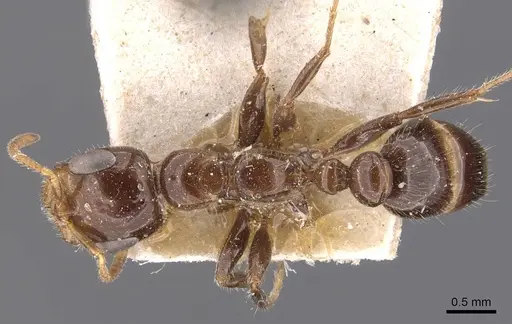
Literature
Loading distribution map...Loading products...