
Pseudomyrmex denticollis
- Sci. Name
- Pseudomyrmex denticollis
- Tribe
- Pseudomyrmecini
- Subfamily
- Pseudomyrmecinae
- Author
- Emery, 1890
- Distribution
- Found in 4 countries
Introduction
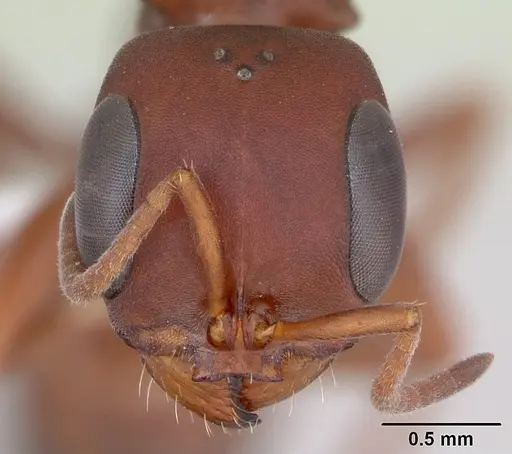
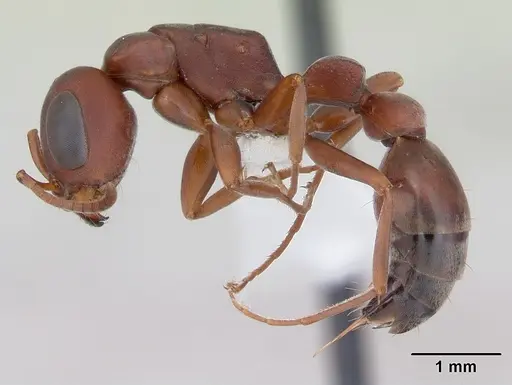
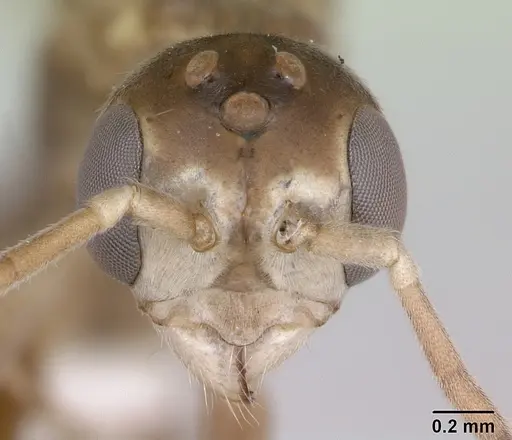
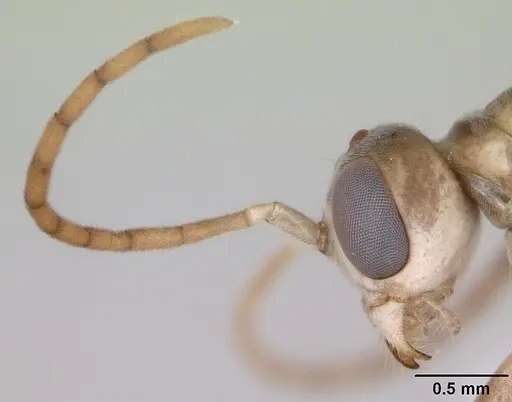
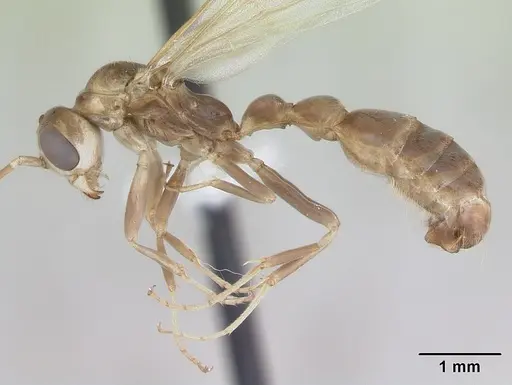
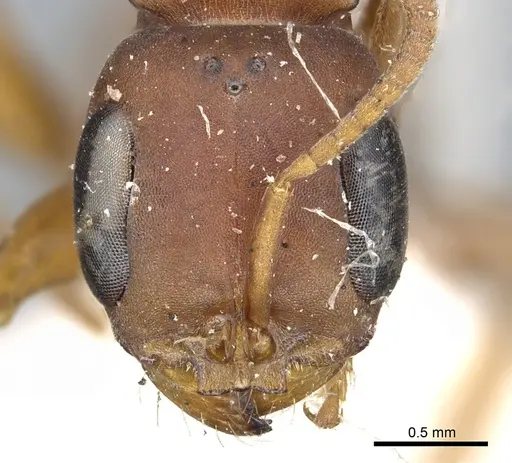
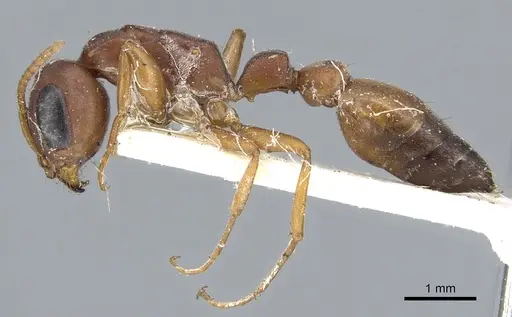
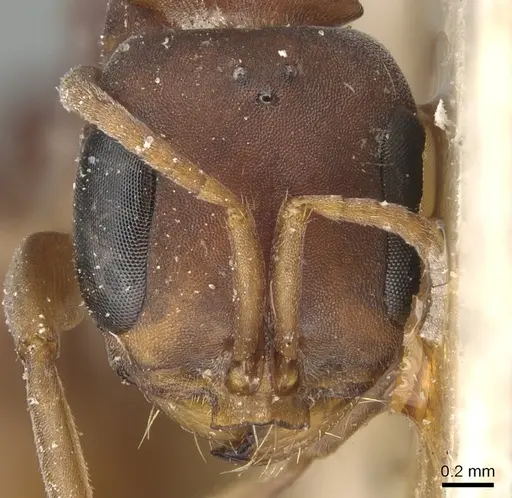
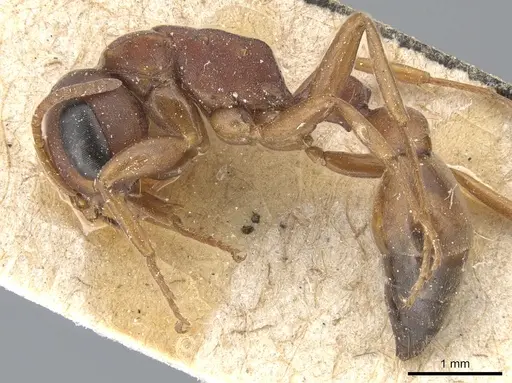
Pseudomyrmex denticollis is a Neotropical ant from the Pseudomyrmecinae subfamily. Workers are 6.2-8.3 mm, with the slender, big-eyed body typical of Pseudomyrmex . They belong to the P. tenuis group and are generalist twig-nesting ants . The species is found across Argentina, Brazil, and Paraguay . This ant is notable for its aggressive, territorial behavior and strong protein preference. In the Paraguayan Chaco, P. denticollis was the most frequent species at bait stations, appearing at nearly half of all stations . They are classified as Tropical Climate Specialists and show a positive link between abundance and temperature, meaning they thrive in warmth .
Quick Summary
- Difficulty: Medium
- Origin & Habitat: Neotropical region: Argentina, Brazil, Paraguay. Lives in dry Chaco forest, savanna, and pasture areas. These are arboreal twig-nesters, colonizing hollow twigs, stems, and cavities in woody vegetation [3]. They are Tropical Climate Specialists, adapted to warm climates [6].
- Colony Type: Colony structure is not well-documented. Based on genus patterns, likely monogyne (single queen).
- Size & Growth:
- Queen: Not measured directly. Inferred from related Pseudomyrmex species, queens are larger than workers, likely around 8-12 mm.
- Worker: 6.2-8.3 mm [1]
- Colony: Maximum colony size unknown. Related Pseudomyrmex species typically reach several hundred workers
- Growth: Moderate, based on typical Pseudomyrmex development
- Development: 6-10 weeks at 24-30°C (estimated from Pseudomyrmecinae development patterns) (Development depends on temperature, warmer conditions within the acceptable range speed things up. First workers (nanitics) are usually smaller than mature workers.)
- Antkeeping:
- Temperature: Keep at 24-30°C. These ants show a positive correlation between abundance and temperature in the wild, so they prefer warmth [5]. Use a heating cable on one side of the nest to create a gradient. Room temperature may be enough if your home stays in this range.
- Humidity: Low to moderate humidity. In their native dry Chaco habitat they tolerate aridity. Keep the nest substrate dry to slightly moist, with a small water source (test tube or water tube) for drinking. Avoid condensation or wet conditions.
- Diapause: No, as a Neotropical species they do not require true hibernation. They may slow down in cooler winter months if room temperatures drop, but that is not a diapause.
- Nesting: Twig-nesting species. In captivity, they do well in Y-tong (AAC) nests with narrow chambers, or in setups that mimic twigs (e.g., test tubes with added stems). They prefer tight, enclosed spaces and avoid large open chambers.
- Behavior: Pseudomyrmex denticollis is an aggressive, territorial ant with excellent vision. They have a well-developed sting and will actively defend their territory. Documented attacks include Wasmannia auropunctata and Pheidole radoszkowskii [5]. They show a strong protein preference and dominate protein baits. Foragers work individually or in small groups (1-3 workers per station), not using mass recruitment [1]. They also visit extrafloral nectaries [7]. Escape prevention is important, they are active climbers. Use standard barriers like Fluon on glass.
- Common Issues: aggressive temperament and a painful sting, handle with forceps, not fingers, strong protein preference, must provide regular protein (insects) alongside sugar sources, small foraging groups (1-3 workers) mean they may not discover large food items quickly, adjust food size accordingly, arboreal nature, needs vertical climbing structures like twigs or cork bark in the outworld, warm temperature requirement may need heating in cooler climates
Housing and Nest Setup
Pseudomyrmex denticollis is a twig-nesting ant that naturally colonizes hollow twigs, stems, and small cavities in woody vegetation [3]. In captivity, Y-tong (AAC) nests work well because they provide the tight, enclosed chambers these ants prefer. You can also use test tube setups with added twigs or stems to mimic their natural nesting preferences. The nest chambers should be relatively small and connected by narrow passages, these ants feel more secure in tight spaces than in large, open areas.
The outworld should include climbing structures since they are arboreal ants. Provide twigs, branches, or cork bark arranged vertically. This gives them natural foraging routes and makes them feel more at home. A water tube should always be available for drinking, and you can occasionally mist the outworld to maintain moderate humidity.
Feeding and Diet
This species shows a strong preference for protein sources. In field studies, they were the most frequent visitors to protein baits, appearing at nearly half of all bait stations [5]. They also feed at extrafloral nectaries, so they will accept sugar sources like honey or sugar water, but protein should form the bulk of their diet [7].
Feed them small insects like fruit flies, small crickets, mealworms, or other appropriately-sized protein sources. Offer protein 2-3 times per week, and keep a constant supply of sugar water or honey available. Unlike some ants that recruit in large numbers, P. denticollis foragers typically work alone or in very small groups (1-3 workers), so adjust food portions accordingly, a few small insects per feeding is sufficient for a developing colony [1].
Temperature and Heating
Pseudomyrmex denticollis shows a positive correlation between abundance and temperature in the wild, meaning they thrive in warmer conditions [5]. Keep your colony at 24-30°C for optimal activity and development. This aligns with their classification as Tropical Climate Specialists [6].
If your room temperature stays in this range naturally, you may not need additional heating. However, if your home is cooler, use a heating cable or heating mat placed on top of the nest (not underneath, to avoid drying out the nest). Create a temperature gradient so workers can choose their preferred warmth. Avoid temperatures below 20°C for extended periods, as this can slow their metabolism and potentially harm the colony.
Behavior and Colony Dynamics
This is an aggressive, territorial ant species with excellent vision, typical of the Pseudomyrmecinae subfamily. Workers have a well-developed sting and will actively defend their territory. They have been documented attacking other ant species, including Wasmannia auropunctata and Pheidole radoszkowskii [5]. This means you should be cautious when housing them near other ant colonies.
Foraging workers operate individually or in very small groups rather than using mass recruitment. Studies show they typically send 1-3 workers per food station [1]. Despite their small foraging groups, they are highly effective at finding and securing food resources, which explains their dominance at bait stations.
Queens are likely claustral founders, they seal themselves in a chamber and raise the first generation of workers on stored body fat, without leaving to forage. This is typical for the genus. Once the first workers (nanitics) emerge, the colony grows gradually. Expect moderate growth rates rather than explosive colony expansion.
Handling and Safety
Pseudomyrmex denticollis can deliver a painful sting due to its well-developed stinger. While not as dangerous as some tropical species, they are not suitable for handling. When working with the colony, use gentle techniques and avoid provoking defensive behavior.
For escape prevention, use standard barriers like Fluon on glass surfaces. While they are not the smallest ants, they are active climbers and can escape if given the opportunity. Ensure all connections between the nest and outworld are secure, and check that any tubing or connections have no gaps. [1]
Frequently Asked Questions
How long does it take for Pseudomyrmex denticollis to produce first workers?
Based on typical Pseudomyrmecinae development patterns, expect 6-10 weeks from egg to first worker at optimal temperature (24-30°C). This timeline can vary depending on temperature, warmer conditions within the acceptable range speed up development, while cooler temperatures slow it down. (Estimated from genus patterns.)
What do Pseudomyrmex denticollis ants eat?
They have a strong preference for protein. Feed small insects like fruit flies, small crickets, or mealworms 2-3 times per week. They will also accept sugar sources like honey or sugar water, but protein should form the main part of their diet. This matches their behavior in the wild where they were the most frequent visitors to protein baits [5].
Do Pseudomyrmex denticollis ants sting?
Yes, they have a well-developed sting (typical of the Pseudomyrmecinae subfamily) and can deliver a painful sting if threatened. They are aggressive defenders of their colony, so handle with care and avoid provoking them.
What temperature do Pseudomyrmex denticollis need?
Keep them warm at 24-30°C. These ants show a positive correlation between abundance and temperature, meaning they thrive in warmer conditions [5]. If your room temperature is within this range, no additional heating is needed. Otherwise, use a heating cable on top of the nest.
Are Pseudomyrmex denticollis good for beginners?
They are rated as Medium difficulty. They require warm temperatures, protein-rich diets, and careful escape prevention. Their aggressive temperament and specific heating requirements make them better suited for keepers with some ant-keeping experience rather than complete beginners.
What size nest do Pseudomyrmex denticollis need?
Use a Y-tong (AAC) nest or test tube setup with narrow chambers and passages. These are twig-nesting ants that prefer tight, enclosed spaces. The outworld should include vertical climbing structures like twigs or cork bark to mimic their natural arboreal habitat [3].
How big do Pseudomyrmex denticollis colonies get?
Based on related species in the genus, colonies likely reach several hundred workers. They are not among the largest Pseudomyrmex species, but they can still form substantial colonies with good care. Growth rate is moderate. (Estimated.)
Do Pseudomyrmex denticollis need hibernation?
No, they do not require hibernation. As a Neotropical species from warm climates (Argentina, Brazil, Paraguay), they are adapted to year-round activity. They may show reduced activity during cooler winter months if room temperatures drop, but this is not a true diapause.
Can I keep multiple Pseudomyrmex denticollis queens together?
This has not been documented in scientific literature. Based on typical Pseudomyrmex patterns, they likely form single-queen colonies. Combining unrelated queens is not recommended without evidence that they can coexist peacefully.
Why are my Pseudomyrmex denticollis dying?
Common causes include: temperatures below 20°C (they need warmth), insufficient protein in their diet (they prefer protein), too large/open nesting spaces (they prefer tight chambers), or low humidity. Check that your setup matches their twig-nesting, warmth-loving, protein-preferring nature [5].
Report an Issue
The current care sheet is based fully on literature. See inconsistencies, or something that's incorrect? Please , it will be resolved after review from an admin. Contributing to the blogs tab also helps providing information, to make us be able to further improve the caresheets. Thank you for your support!
References

This caresheet is licensed under CC BY-SA 4.0 .
Community Blogs
CASENT0173748
View on AntWeb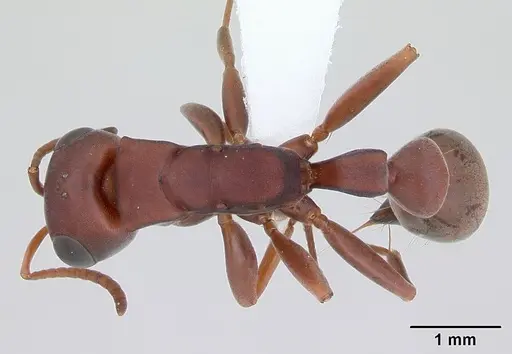
CASENT0173749
View on AntWeb
CASENT0902867
View on AntWeb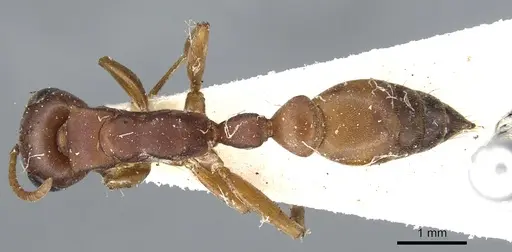
CASENT0904047
View on AntWeb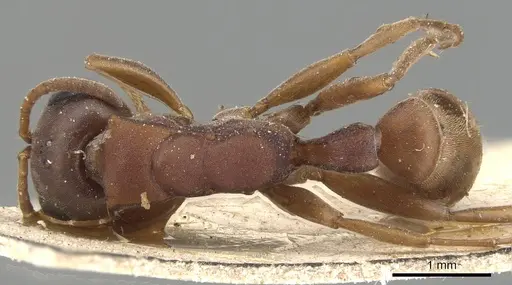
Literature
Loading distribution map...Loading products...