
Pseudomyrmex cretus
- Sci. Name
- Pseudomyrmex cretus
- Tribe
- Pseudomyrmecini
- Subfamily
- Pseudomyrmecinae
- Author
- Ward, 1989
- Distribution
- Found in 2 countries
Introduction
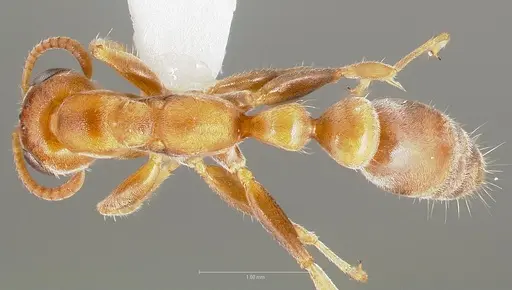
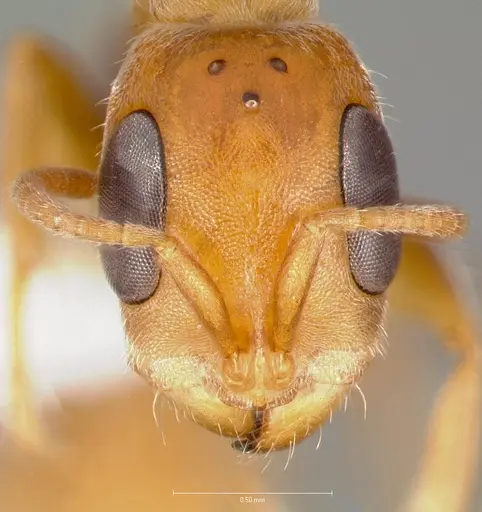
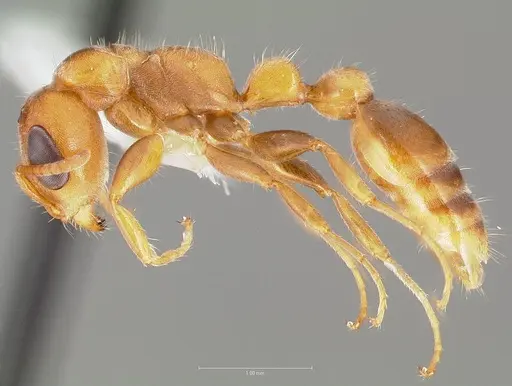
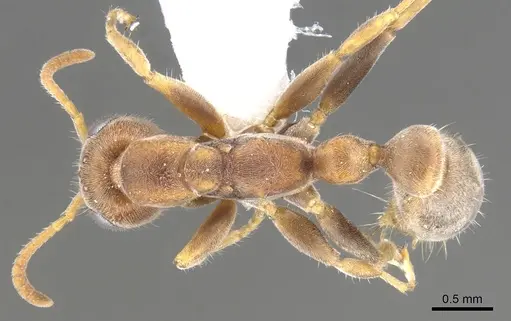
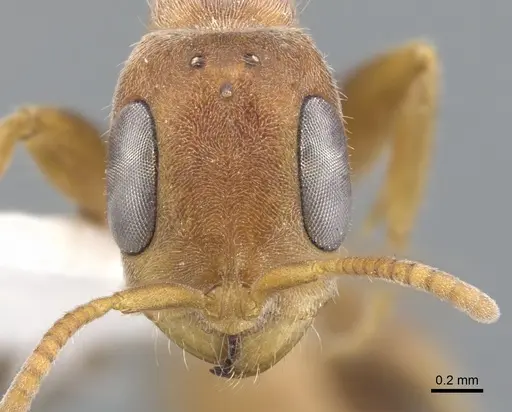
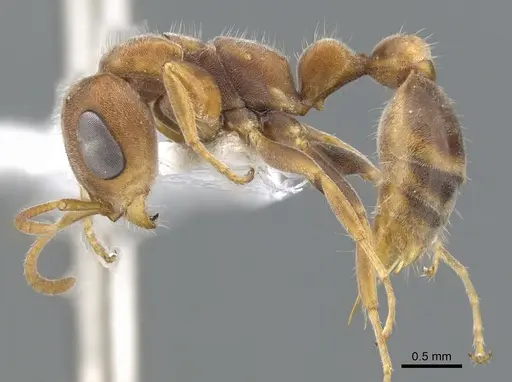
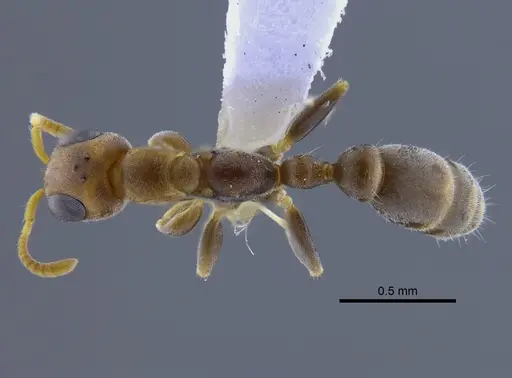
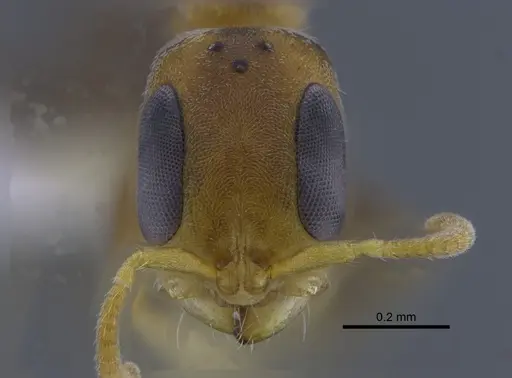
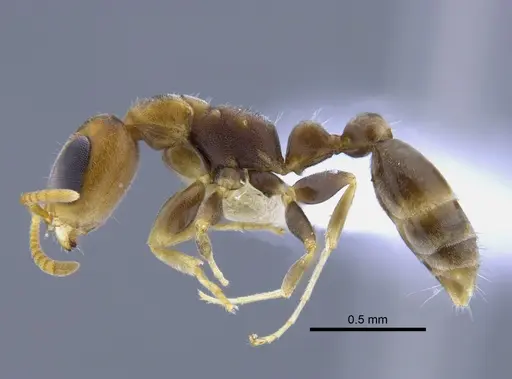
Pseudomyrmex cretus is a slender, brown twig ant from Central America. It is known only from Costa Rica and Guatemala . Workers are relatively large for their species group, with a broad head and long antennae . This ant lives in tropical dry forests, nesting inside dead twigs of trees like Gliricidia sepium and Schoepfia, and even in dead fence posts . They forage on low vegetation and visit extrafloral nectaries of Croton plants . This species is poorly studied, so many aspects of its biology are unknown.
Quick Summary
- Difficulty: Medium
- Origin & Habitat: Tropical dry forests of Costa Rica and Guatemala [1][2]. Recorded at elevations around 270-300 m in Santa Rosa National Park, Guanacaste Province [4].
- Colony Type: Unconfirmed. Based on other Pseudomyrmex species, probably single-queen (monogyne) colonies nesting in individual twigs.
- Size & Growth:
- Queen: Size data unavailable. Judging from related Pseudomyrmex species, queens may be around 8-12 mm.
- Worker: Size data unavailable. Workers are noted as relatively large for the species group [3].
- Colony: Unknown. Likely modest, perhaps a few hundred workers at most, based on typical twig-nesting Pseudomyrmex.
- Growth: Unknown, likely moderate based on related species.
- Development: Unknown, roughly 6-10 weeks guessed from related tropical Pseudomyrmex species. (No specific data exists. The timeline above is a rough estimate.)
- Antkeeping:
- Temperature: Keep the nest at 24-28°C. Because they come from tropical dry forest, warmth is important. Provide a gentle gradient so workers can choose their preferred spot.
- Humidity: Moderate humidity. Let the nest partially dry between waterings, these ants are adapted to seasonally dry environments and don't need constant moisture. Avoid waterlogging.
- Diapause: Unlikely. As a tropical species, true hibernation is probably not needed. A slight cool‑down to about 20°C in winter may not hurt, but is not required.
- Nesting: Provide snug, enclosed nest chambers that mimic dead twig cavities. Narrow test tubes (12-15 mm diameter) work well. You can also use small Y‑tong or plaster nests with tight chambers. Avoid large, open formicaria.
- Behavior: Workers are active, fast‑moving foragers. They climb and search vegetation for nectar and small insects. Like other Pseudomyrmex, they have a sting and may defend themselves if provoked, but their sting is not usually severe to humans. They are good escape artists because of their agility and slender bodies, so make sure all connections are tight. Their habit of visiting extrafloral nectaries suggests they will eagerly accept sugar water or honey.
- Common Issues: lack of documented captive care makes successful husbandry speculative., small colony size may make them fragile during founding and early growth., tropical species may be sensitive to temperature drops or drafts., foraging behavior may lead to escapes if enclosure barriers are inadequate., limited availability in the antkeeping hobby means few established care protocols exist.
Natural History and Distribution
Pseudomyrmex cretus is found only in Costa Rica and Guatemala, where it lives in tropical dry forests [1][2]. The first specimens were collected in Santa Rosa National Park, Guanacaste Province, Costa Rica, at about 300 m elevation [4]. Workers have also been recorded from Estrella, Costa Rica, and various sites in Guatemala [1].
This species nests inside dead twigs of particular trees, such as Gliricidia sepium (a legume) and Schoepfia (a flowering plant) [3]. One colony was found in a dead fence post [3]. This twig‑nesting habit is typical of the genus. Workers forage on low vegetation and have been seen visiting extrafloral nectaries of Croton plants, which produce sugary nectar to attract ants [3].
Collection records from Isla Pelada suggest they may be more active in November (dry season), but overall their biology is poorly known [2].
Housing and Nest Preferences
In captivity, mimic the natural twig cavities by offering narrow, snug nests. Small test tubes (12-15 mm diameter) are ideal. You can also use Y‑tong or plaster nests with tight, narrow chambers. Avoid large, open formicaria, these ants prefer enclosed spaces. Keep the nest dark and stable.
The outworld (foraging area) should be simple and easy to clean. Because workers naturally climb vegetation, adding some vertical structures (cork bark, small branches, or even artificial plants) can encourage natural foraging behavior.
Escape prevention is crucial. These ants are slender and agile, they can squeeze through gaps that seem too small. Use tight‑fitting lids, apply fluon or PTFE barriers around the rim of the outworld, and check all connections between the nest and outworld regularly.
Feeding and Diet
Based on field observations of workers visiting extrafloral nectaries [3], this species readily accepts sugar sources. Provide a constant supply of sugar water (1:4 ratio) or honey in the outworld. Change the solution every few days to prevent spoilage.
For protein, offer small live or dead insects: fruit flies, pinhead crickets, or small mealworms. Feed protein 2-3 times per week, adjusting the amount based on how quickly the colony eats it. Remove any uneaten prey after 24 hours to avoid mold and mites.
The natural diet likely includes honeydew from aphids and other small arthropods. A varied diet will keep the colony healthy.
Temperature and Humidity
As a tropical dry‑forest species, Pseudomyrmex cretus needs warmth. Keep the nest at a steady 24-28°C. A small heat mat on one side of the nest can create a temperature gradient, letting workers choose their comfort zone. If using a heat cable, place it on top of the nest rather than underneath to avoid drying out the substrate too much.
Humidity should be moderate (roughly 50-70%). These ants come from a seasonally dry environment, so they tolerate drier conditions better than rainforest species. Let the nest substrate partially dry between waterings. A water reservoir in the test tube or a small water feeder in the outworld will provide drinking water. Never let the nest become waterlogged.
Colony Founding and Growth
Colony founding has not been directly observed for this species. Based on the genus, the queen probably seals herself into a small cavity (claustral founding) and raises the first brood using her own fat reserves. The first workers (nanitics) will be smaller than mature workers.
Colony size in nature is probably small, typical for twig‑nesting Pseudomyrmex. Even at maturity, you shouldn’t expect more than a few hundred workers. Growth rate is unknown but probably moderate.
If you acquire a founding queen, place her in a small, dark test tube with a water reservoir. Keep the temperature around 26-28°C and disturb her as little as possible. Do not offer food until the first workers appear, claustral queens do not forage during founding.
Behavior and Temperament
Pseudomyrmex cretus workers are alert, quick, and visually oriented. They actively explore their surroundings and may react to movement more than blind, soil‑nesting species. They have a stinger, typical of the subfamily Pseudomyrmecinae, and will defend their nest if provoked. However, their sting is not considered dangerous to humans.
In the wild, they forage arboreally on low vegetation [3]. In captivity, providing climbing opportunities in the outworld can encourage natural activity and improve colony health.
Because they are agile and slender, they can escape through tiny gaps. Always use tight seals and barrier fluids around the outworld. Their speed means that a small mistake can lead to lost workers quickly.
Frequently Asked Questions
How long does it take for Pseudomyrmex cretus to produce first workers?
The exact timeline is unknown, but based on related tropical Pseudomyrmex species, expect 6-10 weeks from egg to first worker at optimal temperature (around 26-28°C). The queen will remain sealed in her chamber until the first workers emerge.
Can I keep Pseudomyrmex cretus in a test tube?
Yes, test tubes work well for this species. Use a small‑diameter tube (12-15 mm) to mimic the natural twig cavities they inhabit. Provide a water reservoir but avoid overfilling. Once the colony grows, you can connect the test tube to a larger outworld or transition to a small Y‑tong nest.
What do Pseudomyrmex cretus eat?
They likely accept both sugar and protein. Provide sugar water or honey continuously, and offer small insects (fruit flies, small crickets, mealworms) 2-3 times per week. Their natural behavior of visiting extrafloral nectaries confirms they will accept sugar sources [3].
Do Pseudomyrmex cretus ants sting?
Like all Pseudomyrmecinae, they have a stinger. Stings are generally not severe in this genus, though individual reactions can vary. They are not considered dangerous to humans.
Are Pseudomyrmex cretus good for beginners?
This species is not ideal for complete beginners because there is very little documented care information and many recommendations are speculative. However, antkeepers with some experience should be able to succeed by following general Pseudomyrmex guidelines.
Do Pseudomyrmex cretus need hibernation?
As a tropical species from Costa Rica, they likely do not require true hibernation. A slight temperature reduction during winter (around 20°C) may be unnecessary and could even be harmful if it goes too low. Stick to stable warm conditions.
How big do Pseudomyrmex cretus colonies get?
Colony size is not documented, but based on their twig‑nesting habit, colonies likely remain modest, probably under 500 workers at maturity. This is typical for Pseudomyrmex species that nest in small cavities.
Why are my Pseudomyrmex cretus dying?
Potential causes include: temperature stress (too cold or too hot), excessive humidity causing mold, inadequate nutrition, or disturbance during founding. Review the temperature (24-28°C), ensure moderate humidity with good ventilation, and avoid shaking or exposing the queen to light. Because little is known about this species, some failures may simply be due to gaps in husbandry knowledge.
When should I move Pseudomyrmex cretus to a formicarium?
You can keep them in test tubes long‑term as long as the colony stays small. Once the colony reaches 50+ workers and the test tube becomes crowded, consider connecting a second test tube or moving to a small Y‑tong nest with appropriately sized chambers.
Can I keep multiple Pseudomyrmex cretus queens together?
This has not been documented. Based on genus patterns, they likely form single‑queen colonies. Combining unrelated queens is not recommended without evidence of polygynous behavior in this species.
Report an Issue
The current care sheet is based fully on literature. See inconsistencies, or something that's incorrect? Please , it will be resolved after review from an admin. Contributing to the blogs tab also helps providing information, to make us be able to further improve the caresheets. Thank you for your support!
References

This caresheet is licensed under CC BY-SA 4.0 .
Community Blogs
Literature
Loading distribution map...Loading products...