
Pseudomyrmex cognatus
- Sci. Name
- Pseudomyrmex cognatus
- Tribe
- Pseudomyrmecini
- Subfamily
- Pseudomyrmecinae
- Author
- Ward & Branstetter, 2022
- Distribution
- Found in 4 countries
Introduction
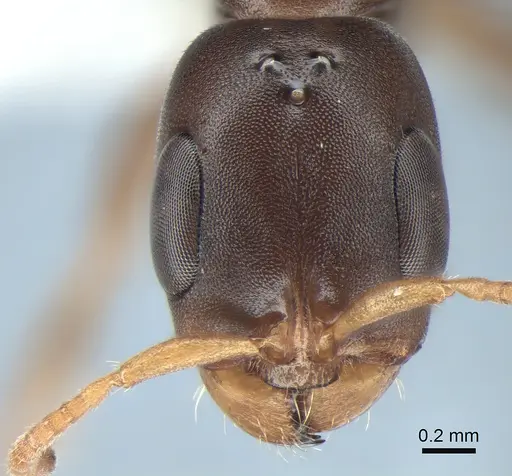
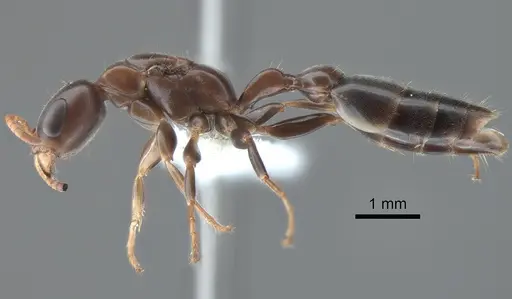
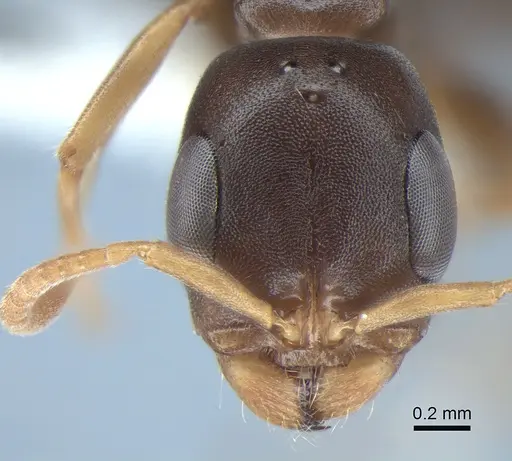
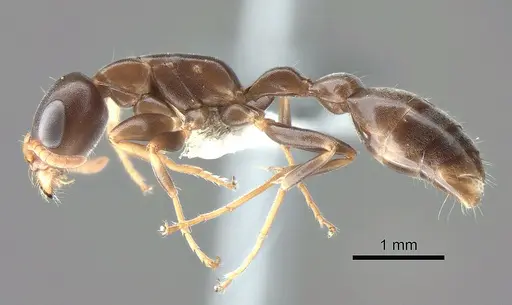
Pseudomyrmex cognatus is a medium-sized ant with a slender, wasp-like appearance. Workers have a moderately elongated head and relatively large eyes. Their body is primarily dark brown, with the head, postpetiole, gaster, and legs being the darkest, while the mesosoma and petiole can range from concolorous to a slightly lighter medium-brown. The mandibles, antennae, and leg tips are typically lighter yellowish-brown. This species belongs to the Pseudomyrmecinae subfamily, commonly known as 'twig ants' because they naturally nest inside dead twigs and small branches . This ant has an interesting relationship with the workerless social parasite Pseudomyrmex comitator, which invades P. cognatus colonies to exploit their resources . The species ranges from southern Mexico (Chiapas) through Guatemala, Honduras, and Nicaragua, living at elevations between 1,105m and 2,000m - quite high for ants in this region. They inhabit diverse forest types including montane rainforest, oak-pine forest, and cloud forest, as well as more open areas like roadsides and old pastures .
Quick Summary
- Difficulty: Medium
- Origin & Habitat: Mesoamerican highlands from Chiapas, Mexico to Nicaragua. Found in mixed tropical/temperate mesic forest, montane rainforest, oak-pine forest, oak cloud forest, and occasionally roadside areas at elevations of 1,105-2,000m [1][2].
- Colony Type: Colony structure is unconfirmed. The species is a known host to the social parasite P. comitator, which suggests colonies can support multiple individuals including the parasitic queen [1].
- Size & Growth:
- Queen: Size data unavailable
- Worker: Size data unavailable
- Colony: Unconfirmed, no colony size data available
- Growth: Unknown, no development studies available
- Development: Unconfirmed, no direct development data available for this species (Based on related Pseudomyrmex species and genus patterns, expect development to take several months at optimal temperature. More research needed.)
- Antkeeping:
- Temperature: Based on their high-elevation habitat (1,100-2,000m), these ants prefer cooler conditions than typical tropical ants. Aim for 18-24°C, with room temperature (around 20-22°C) likely ideal. Avoid overheating, they come from mountainous areas where temperatures are moderate [1].
- Humidity: Provide a moisture gradient with a moist area and a dry area. Their natural twig nesting suggests balanced humidity, keep the nest substrate slightly moist but not waterlogged. Avoid constant saturation.
- Diapause: Unconfirmed, high-elevation species may have some seasonal slowdown, but specific diapause requirements are unknown. Monitor colony behavior for reduced activity during winter months.
- Nesting: In nature, they nest in dead twigs of various woody plants including Asteraceae, Fabaceae, Orchidaceae, and Pinus. For captivity, a small formicarium with narrow chambers works well. Y-tong (AAC) nests or small plaster nests with tight-fitting connections mimic their natural twig nesting preferences. Avoid large, open spaces.
- Behavior: Pseudomyrmex ants are typically active foragers with well-developed vision due to their relatively large eyes. They are generalist feeders, hunting small insects and tending honeydew-producing insects. Workers are moderately aggressive when defending the colony and possess a sting (subfamily trait). Their slender build and medium size means escape prevention should be taken seriously, they can fit through small gaps. As twig ants, they may exhibit arboreal foraging preferences. Handle with care as with any ant species.
- Common Issues: high elevation origin means they may not tolerate warm conditions, keep cool., colony size data is unknown so growth expectations are uncertain., social parasite P. comitator may be a concern if acquiring wild colonies [1]., escape prevention needed due to medium-small size., limited captive care information means keepers may need to experiment with conditions.
Housing and Nest Setup
Pseudomyrmex cognatus naturally nests in dead twigs and small branches, so their captive setup should reflect this preference. A small formicarium with narrow chambers works best, Y-tong (AAC) nests or small plaster nests with tight-fitting connections are ideal. The chambers should be appropriately scaled to their medium size. Avoid large, open spaces that would be unnatural for these twig-dwelling ants. A test tube setup can work for founding colonies, but be prepared to move them to a more appropriate nest once the colony grows. Include a small outworld area for foraging. Escape prevention is important, while not among the smallest ants, they can still fit through small gaps, so ensure connections are secure [1][2].
Temperature Requirements
Because P. cognatus lives at high elevations (1,100-2,000m) in Mesoamerican mountains, they prefer cooler conditions than many tropical ant species. Keep temperatures in the range of 18-24°C, with around 20-22°C being ideal. This is notably cooler than typical tropical ant setups. Avoid placing the nest near heat sources or in direct sunlight. If your room temperature runs warm, consider using a cooling method or positioning the colony in a cooler area. Signs of overheating include workers clustering away from heat sources and reduced activity. The montane forest habitats they come from experience moderate temperatures year-round, so stability matters more than extreme warmth [1].
Feeding and Diet
Based on genus patterns, P. cognatus is likely a generalist omnivore that hunts small prey and tends honeydew-producing insects. Offer small live prey such as fruit flies, small crickets, and other tiny insects. Sugar sources like honey water or sugar water can be offered occasionally, though they may not accept them as readily as some other ants. In the wild, they forage in vegetation and dead twigs, so their diet likely centers on small arthropods and plant-derived sugars. Feed small amounts every few days and remove uneaten prey to prevent mold. A varied diet helps ensure colony health.
Humidity and Water
P. cognatus inhabits montane rainforest and cloud forest environments, suggesting they appreciate moderate humidity. Provide a water tube as a constant moisture source. The nest substrate should remain slightly moist but not waterlogged, create a gradient with one damp section and one drier section so ants can choose. Monitor for condensation, some condensation is fine, but excessive moisture can lead to mold problems. Their natural nesting in dead twigs means they are adapted to conditions that dry out somewhat between rains, so avoid keeping them constantly wet.
Colony Development and Growth
Specific development timelines for P. cognatus are not documented in scientific literature. Based on related Pseudomyrmex species and general ant development patterns, expect the first workers (nanitics) to emerge several months after founding. The queen will lay eggs and tend the brood alone in the founding chamber until her first workers emerge. Growth rate is unknown but likely moderate, as with other Pseudomyrmex species. Patience is key, high-elevation species often develop more slowly than lowland tropics [1].
Handling and Temperament
Pseudomyrmex ants are not particularly aggressive toward keepers but will defend their colony if threatened. Workers have a moderately painful sting (subfamily trait), though this species is not considered dangerous to humans. Their large eyes suggest good vision, and they may be more aware of movements than some blind ant species. When handling or observing, move slowly to avoid triggering defensive responses. They are active foragers and interesting to watch as they search for prey in the outworld. As with all ant species, avoid disturbing the queen or nest excessively, especially during the founding phase. Their medium size and slender build means they are somewhat fragile compared to larger ant species.
Frequently Asked Questions
How long does it take for Pseudomyrmex cognatus to produce first workers?
The exact development time is unconfirmed for this species. Based on related Pseudomyrmex species, expect several months (likely 2-4 months) from egg to worker at optimal temperatures. High-elevation species often develop more slowly than lowland tropics, so be patient with founding colonies [1].
What temperature do Pseudomyrmex cognatus ants need?
Keep them at 18-24°C, with 20-22°C being ideal. This is cooler than many tropical ants because they come from high-elevation mountain forests in Mesoamerica. Avoid overheating, they are not heat-tolerant [1].
Can I keep Pseudomyrmex cognatus in a test tube?
Test tubes work for founding colonies, but these ants naturally nest in dead twigs so they may do better in a small formicarium with narrow chambers once established. A Y-tong or small plaster nest scaled to their medium size is more appropriate long-term.
Do Pseudomyrmex cognatus ants sting?
Yes, they can sting and the sting is moderately painful, though not considered dangerous to healthy humans. This is typical of the subfamily. They are not particularly aggressive but will defend if threatened.
What do Pseudomyrmex cognatus eat?
They are likely generalist omnivores. Offer small live prey like fruit flies and tiny crickets. Sugar sources like honey water may be accepted occasionally. Their diet probably centers on small arthropods and honeydew in the wild.
How big do Pseudomyrmex cognatus colonies get?
Colony size is unconfirmed, no published data exists on maximum colony size. Based on their status as a common but not abundant species in the wild, expect moderate colony sizes. They are likely not among the largest Pseudomyrmex species [1].
Do Pseudomyrmex cognatus need hibernation?
Diapause requirements are unconfirmed. As a high-elevation species from 1,100-2,000m, they may experience seasonal temperature changes in the wild. Monitor for reduced activity in winter months and consider a cool period (around 15-18°C) if the colony naturally slows down [1].
Are Pseudomyrmex cognatus good for beginners?
This species is rated as medium difficulty. Their high-elevation cooling requirements and limited available care information make them better suited for keepers with some experience. They are not as straightforward as common beginner species like Lasius or Camponotus.
Where is Pseudomyrmex cognatus found in the wild?
They range from Chiapas, Mexico through Guatemala, Honduras, to Nicaragua. They live in mountainous areas at 1,100-2,000m elevation in montane rainforest, oak-pine forest, and cloud forest habitats [1].
Why is Pseudomyrmex cognatus called a 'twig ant'?
They belong to the Pseudomyrmecinae subfamily, commonly known as twig ants because in nature they nest inside dead twigs and small branches of various plants including trees from the Asteraceae, Fabaceae, and Pinus families [1].
Report an Issue
The current care sheet is based fully on literature. See inconsistencies, or something that's incorrect? Please , it will be resolved after review from an admin. Contributing to the blogs tab also helps providing information, to make us be able to further improve the caresheets. Thank you for your support!
References

This caresheet is licensed under CC BY-SA 4.0 .
Community Blogs
CASENT0762787
View on AntWeb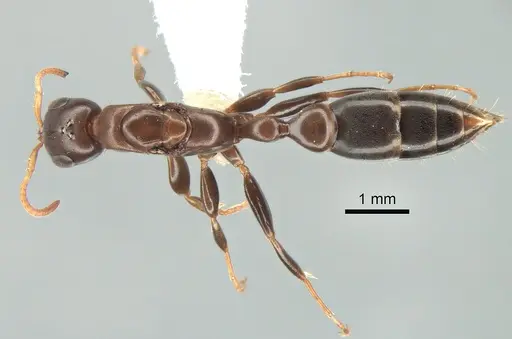
CASENT0863537
View on AntWeb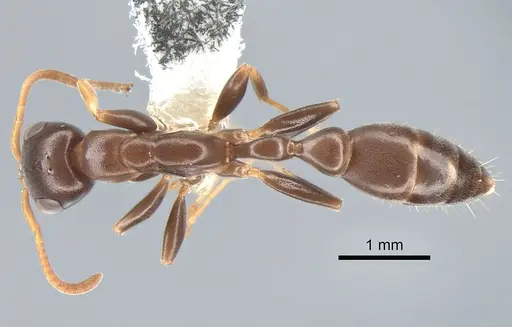
Literature
Loading distribution map...Loading products...